Ultimate Guide to HDPE Pond Liner for Sale
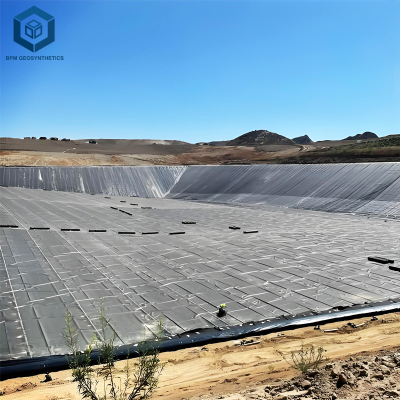
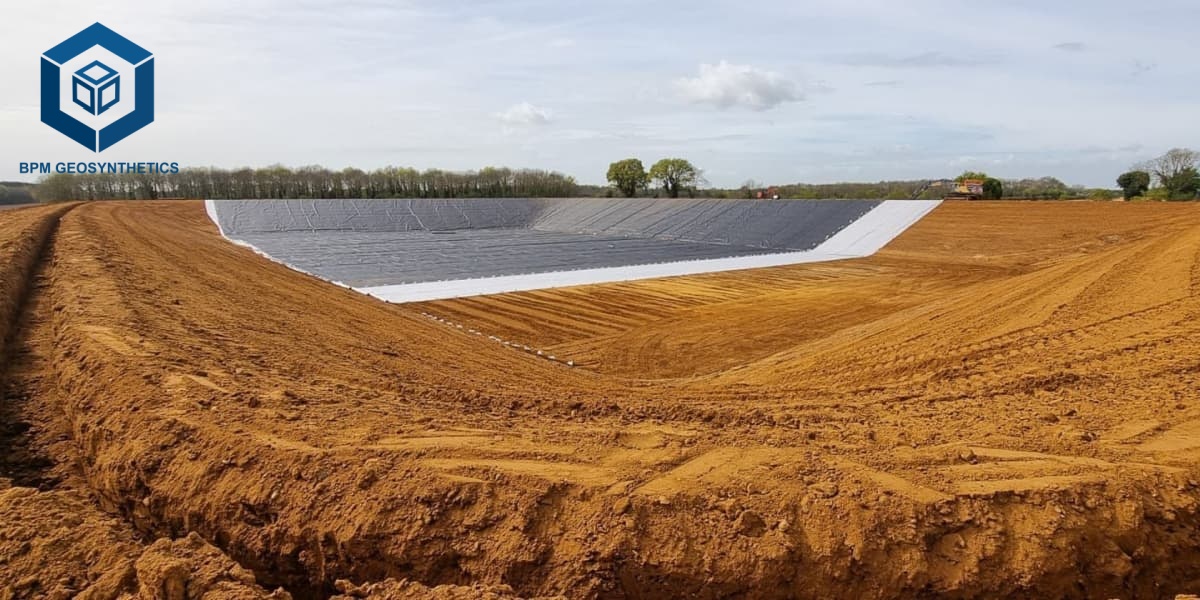
HDPE Pond Liner is a man-made material designed for sealing applications such as ponds, reservoirs, aquaculture facilities, and landfill sites. Its main purpose is to stop the leakage of liquids and gases, thus safeguarding the environment and managing water resources effectively.
Among various options for geomembranes, HDPE (High-Density Polyethylene) Pond Liner is the most popular by far. It provides a balance of reasonably priced, dependable, and durable solutions for continuous containment.
BPM Geosynthetics stands at the forefront as an HDPE Pond Liner manufacturer and dealer, presenting wholesale prices at the very cost of production. In case your requirement is a liner for a fish farming area, decorative pond or an industrial reservoir, BPM Geosynthetics holds a repertoire of top-notch HDPE offerings that get delivered to various countries worldwide.
1. What is HDPE Pond Liner?
In simple words, polyethylene pond liner means a synthetic membrane with a very low permeability level. Such a membrane is meant to be installed in combination with geotechnical materials so as to block fluid migration in artificial structures.
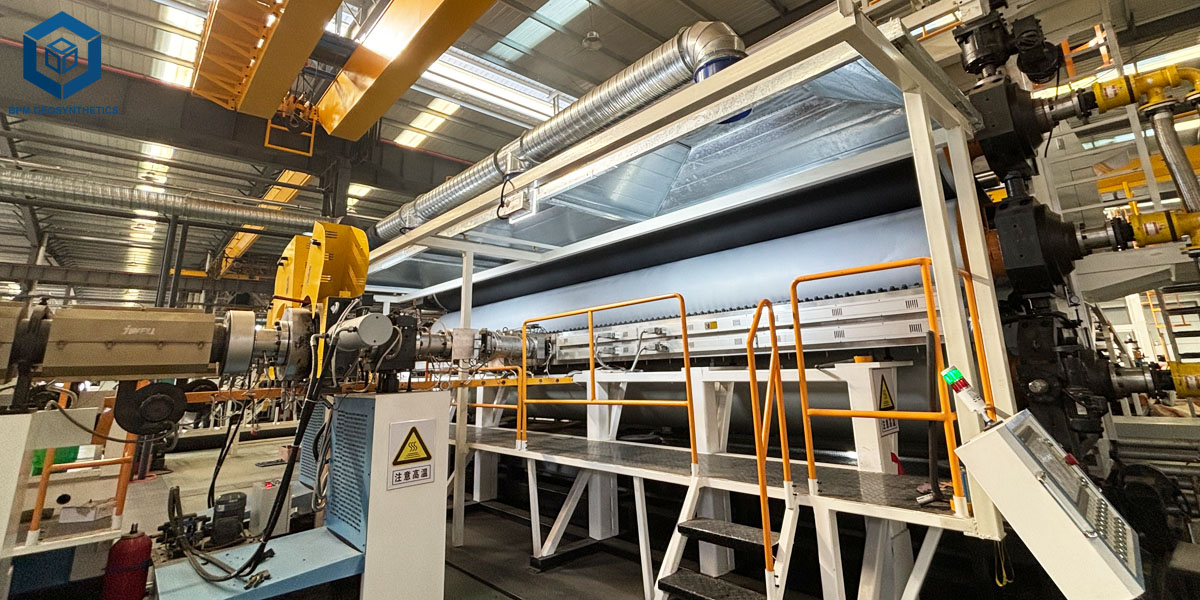
BPM Geosynthetics's HDPE geomembrane pond liner is made of high-density polyethylene through a combination of world-class extrusion and calendaring operations. This way a seamless, flexible, and even-thickness film is produced.
1.1 Why HDPE?
Because it is a material with excellent chemical resistance, great durability and a very low permeability rate. It stand up to acids, alkalis, and biological degradation many times better than any other materials. Consequently, it's the preferred choice of engineers and project managers who expect high-performance over long periods.
1.2 BPM HDPE Pond Liner Sizes:
Thickness, from 0.2mm through 3mm, and width, from 1 meter to 10 meters, allow for nearly any project to be accommodated.
2. How to Choose the Right HDPE Pond Liner for Sale?
To pick out the right HDPE Pond Liner, multiple features of the product need to be taken into account before the final decision. Here is a step-by-step guide below.
2.1 Raw Material Quality
Since performance of the high density polyethylene pond liner is directly linked to the quality of raw materials used, the aspects listed below are most relevant.
2.1.1 Physical Properties:
Tensile, puncture and tear strengths of hdpe geomembrane pond liner can differ significantly based on raw material type. High-grade HDPE by far exceeds other materials mechanically, thus it is of major importance in high load areas.
2.1.2 Chemical Properties:
Formulation of a polymer greatly impacts acid and alkali resistance along with resistance to aging. Hence, for highly chemical or polluted water related works selecting the right material is extremely important.
2.1.3 Biodegradability:
Some materials tend to make membranes more prone to microbial attack so as to shorten their lifetime. On the other hand, top quality HDPE resin is almost immune to this.
2.1.4 Cost:
Price of raw materials changes a lot which in turn influences the whole project cost. Nevertheless, usually cheapest choice does not equal best investment from the long run perspective.
2.1.5 Environmental Adaptability:
Various HDPE compositions react differently when exposed to cold, heat and UV rays. Those involving very severe climate conditions need extremely resilient materials.
Hence, it is advisable to thoroughly consider all the factors mentioned above in the selection of HDPE raw materials against the backdrop of specific engineering requirements and site conditions.
2.2 Application Requirements
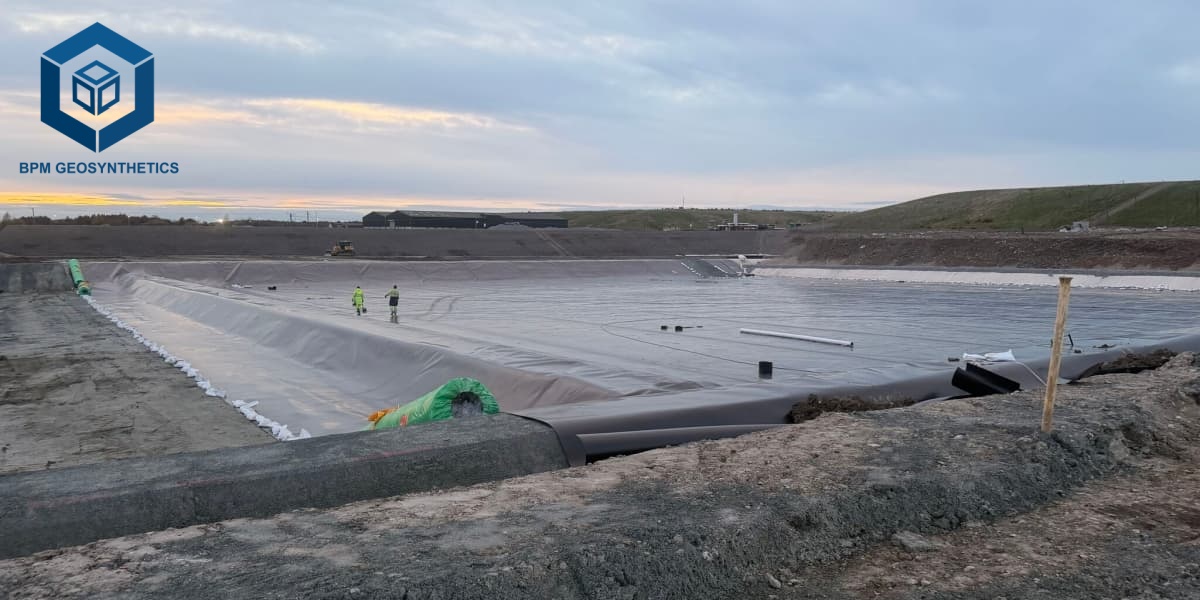
It is equally vital to match the hdpe liner pond with the field of application. Directly influence performance and can expand / limit application scope are specs like thickness of HDPE Pond Liner. Different thicknesses correspond to different environments.
2.2.1 Engineering Demands:
Due to their exertion of high pressures or high-degree of force that punctures, situations call for thicker liners. On the other hand, pisciculture ponds along with ornamental water features tend to be able to carry on with relatively thinner and low-priced alternatives.
2.2.2 Soil Conditions:
Soils that are sharp or laden with rocks can be very risky for the durability of the black high density polyethylene pond liner. To counteract the possibility of damage in these types of soils, a thicker HDPE Pond Liner will be quite effective.
2.2.3 Expected Service Life:
Normally, thicker liners tend to last longer. Doing a 20-year-plus project? Heavy gauge most probably will be your best option.
2.2.4 Environmental Factors:
There are elements like climate, soil moisture, and UV exposure. HDPE liners of greater thickness might be your best bet for harsh weather conditions only.
2.3 Choose a Professional HDPE Pond Liner Manufacturer
The choice of manufacturer is the most critical factor that impacts product quality and the success of your entire project. The following points highlight the main factors.
2.3.1 Product Quality and Certification:
It is advisable to go for the producers who have the most recognized and reputed certificates like ISO 9001 (quality management) and ISO 14001 (environmental management). These certificates are a testimony that the quality of products is in compliance with international standards which are quite rigorous.
2.3.2 Production Scale and Technical Strength:
Manufacturers with a medium to large scale production and strong R & D team are capable of giving stable, and reliable products. Besides, larger scale means reduced lead times and more consistency.
2.3.3 Product Variety and Customization:
Make sure the manufacturer is able to provide HDPE liners in different thicknesses, widths, and configurations. Having a manufacturing capability for customize is a great plus for your specialized projects.
2.3.4 Service Level:
Having the full range of pre-sales, in-sales, and after-sales services including technical support and engineering guidance can help you accomplish or fail a project.
2.3.5 Customer Reputation and Track Record:
Check the manufacturer's project success record and customer testimonials. Real examples always speak louder than advertising.
2.3.6 Price and Delivery Cycle:
Price is an issue but should not be considered the only one. The combination of a reasonable price with a steady delivery time will help your project remain on schedule.
2.3.7 Environmental and Social Responsibility:
Pick the ones who focus on environmentally-friendly production methods and who are also responsible towards society. This is an indication of their business ethics going far into the future.
BPM Geosynthetics is your ideal candidate that are able to fulfill all the above-mentioned requirements. BPM Geosynthetics is a reliable worldwide partner for HDPE Pond Liner procurement, with 14 years of industry experience, ISO-certified facilities, a 16,000 m² factory, and exports to over 100 countries.
3. Installation Steps for HDPE Pond Liner
Choosing the right material is not enough for the success of your project, proper installation is of great importance too. For example, if a high-quality geomembrane pond liner is installed incorrectly, it will be a failure. The standard procedure is as follows.
Step 1 — Site Preparation: First, vegetation should be cleared; also, debris removed and the ground leveled so that it is stable and even. Above all, sharp rocks or roots should be removed.
Step 2 — Survey and Design: Then a very thorough site survey should be taken and the entire liner design should be drawn, that should include an anchor trench, drains, and seams.
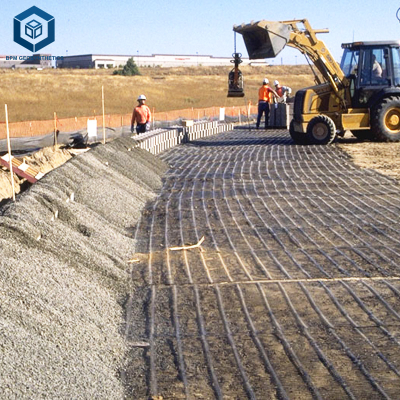
Step 3 — Trench Excavation: Next, dig a frame trench along the entire edge where the HDPE liner is going to be fixed. These trenches give you freedom for secure positioning and long-term stability.
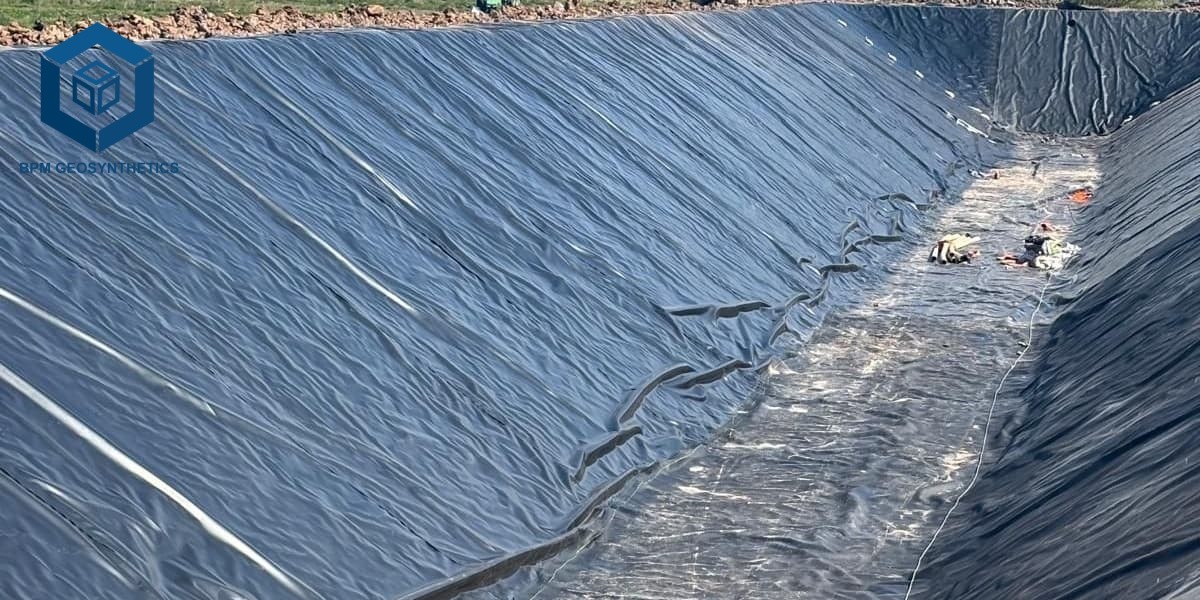
Step 4 — Liner Placement: You should unroll HDPE sheets across the ground four to five times, till it is softened. Then allow the sheets to melt for 10 minutes or more depending on the environmental temperature. This is a technique that a person can safely handle the sheets with folding the loops without wrinkles and cuts.
Step 5 — Seam Sealing: Fuse or weld all seams using heat-welding equipment according to manufacturer specifications. This creates a continuous, fully impermeable barrier with no weak points.
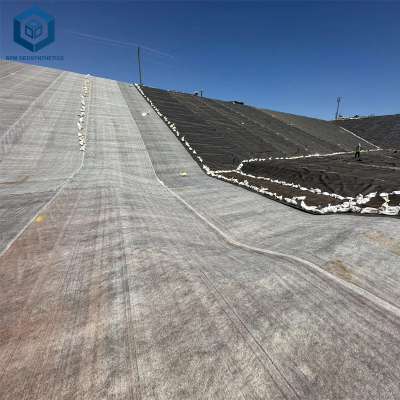
Step 6 — Protective Cover: Place a protective layer of soil or gravel over the liner. This shields the HDPE from puncture damage and UV degradation during and after construction.
Step 7 — Quality Control: Perform thorough inspection checks to verify that the installation complies with all engineering and environmental standards. Only then should the area be backfilled and restored.
4. Summary
Choosing the right HDPE Pond Liner is not a decision to take lightly. It directly impacts project safety, environmental compliance, and long-term cost efficiency. High-quality high density pond liner reduce leakage risk, extend service life, and protect water resources for decades.
The Best Project Material Co., Ltd.(BPM Geosynthetics) combines 14 years of manufacturing expertise with a global supply network. From 0.2mm to 3mm thickness, from 1m to 10m width — BPM delivers advanced HDPE Pond Liners at competitive factory prices to customers in over 100 countries.