Ultimate Guide to Geomembrane Liner Price
A geomembrane liner is a synthetic impermeable membrane used in environmental containment systems to prevent liquid or gas migration. Commonly manufactured from HDPE, LLDPE, PVC, or EPDM, geomembrane liners are widely used in mining, landfill, water management, and industrial containment infrastructure.
Technical Parameters and Specifications
Understanding technical parameters is essential when evaluating geomembrane liner price. Material properties directly influence durability, installation performance, and long-term containment reliability.
| Specification | Typical Range | Engineering Importance |
|---|---|---|
| Thickness | 0.5 mm – 2.5 mm | Determines puncture resistance and lifespan |
| Density (HDPE) | ≥0.940 g/cm³ | Defines polymer stability and chemical resistance |
| Tensile Strength | 25 – 40 kN/m | Resistance to mechanical stress |
| Elongation at Break | 600% – 900% | Flexibility under ground settlement |
| Carbon Black Content | 2% – 3% | UV resistance for outdoor applications |
| Puncture Resistance | 300 – 800 N | Protection against sharp subgrade materials |
| Roll Width | 5 – 8 m | Reduces field seam quantity |
Structure and Material Composition
The geomembrane liner structure determines its mechanical strength, environmental resistance, and cost level. Typical components include:
HDPE Base Resin – The primary polymer providing chemical resistance and impermeability.
Carbon Black Additive – Improves ultraviolet resistance and extends outdoor lifespan.
Antioxidants – Prevent polymer degradation during long-term exposure to heat and oxygen.
Stabilizers – Maintain structural consistency during manufacturing and installation.
Optional Textured Surface – Enhances friction performance on slopes or embankments.
These structural components directly influence geomembrane liner price and performance reliability.
Manufacturing Process
Geomembrane liner price is closely related to production technology and quality control during manufacturing.
Step 1: Raw Material Preparation
HDPE polymer pellets and additives are weighed and blended through automated dosing systems.
Step 2: Polymer Extrusion
The mixture enters a high-temperature extruder where it is melted and homogenized into a consistent polymer flow.
Step 3: Sheet Forming
Molten polymer is extruded through a flat die to produce a continuous geomembrane sheet.
Step 4: Thickness Calibration
Precision rollers control membrane thickness and ensure dimensional accuracy.
Step 5: Cooling and Winding
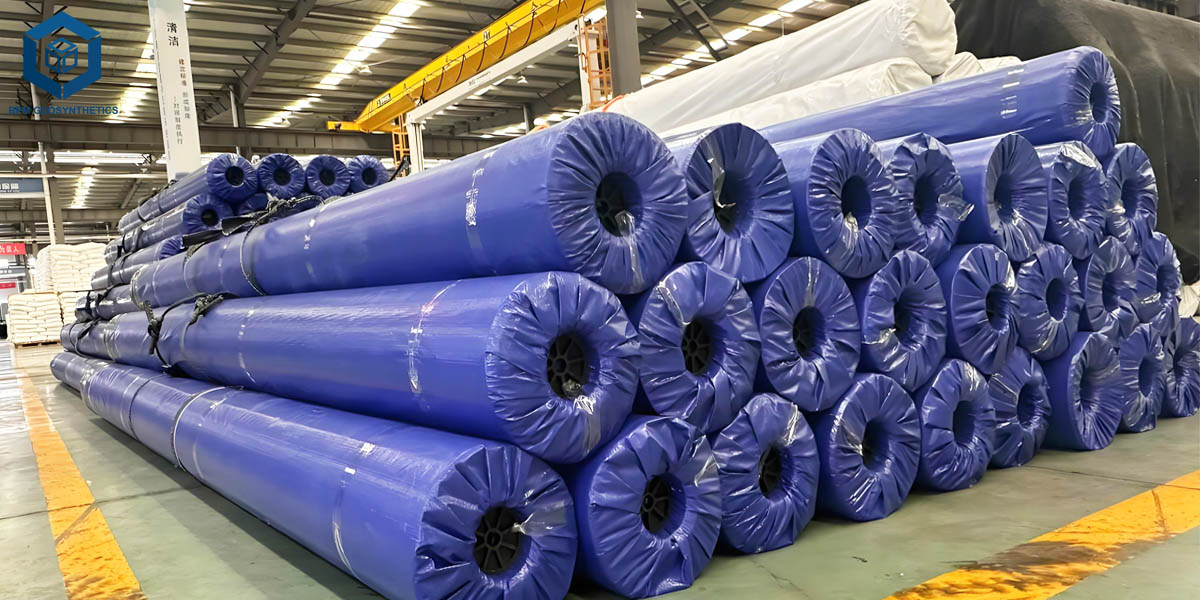
The liner sheet is cooled, trimmed, and wound into large rolls for transport.
Step 6: Quality Testing
Laboratory tests confirm tensile strength, carbon black dispersion, and thickness tolerance before shipment.
Industry Comparison
| Liner Material | Typical Price Level | Durability | Chemical Resistance | Typical Applications |
|---|---|---|---|---|
| HDPE Geomembrane | Moderate | Very High | Excellent | Mining, landfill, wastewater |
| LLDPE Liner | Moderate | High flexibility | Good | Ponds and irrigation reservoirs |
| PVC Liner | Lower | Medium | Moderate | Decorative ponds |
| EPDM Rubber | High | Very High | Good | Landscape water features |
Application Scenarios
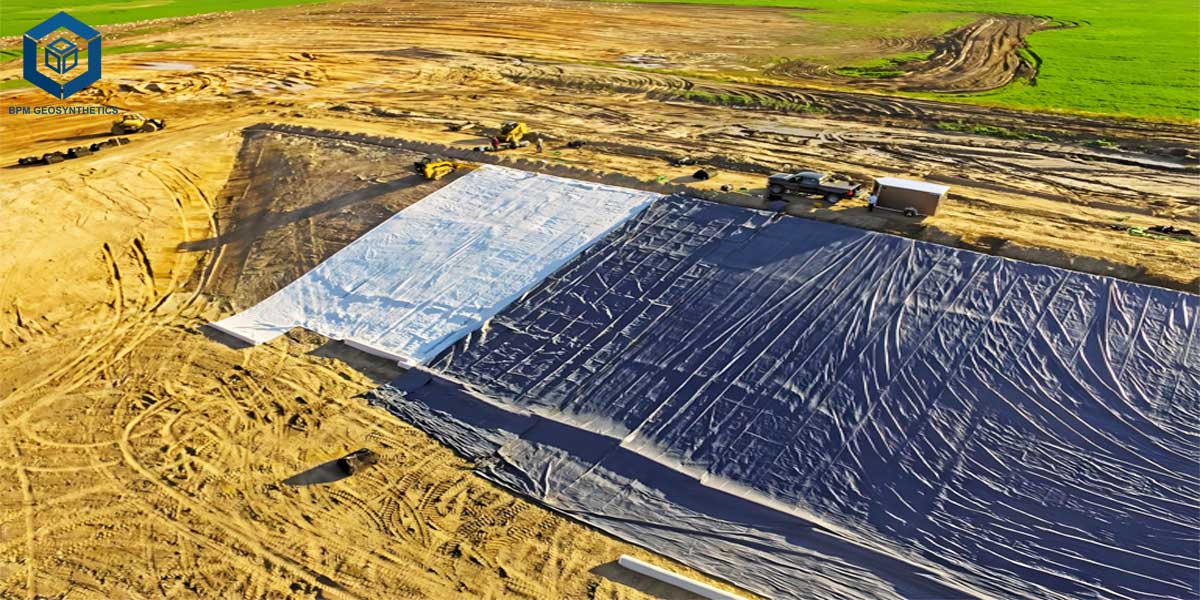
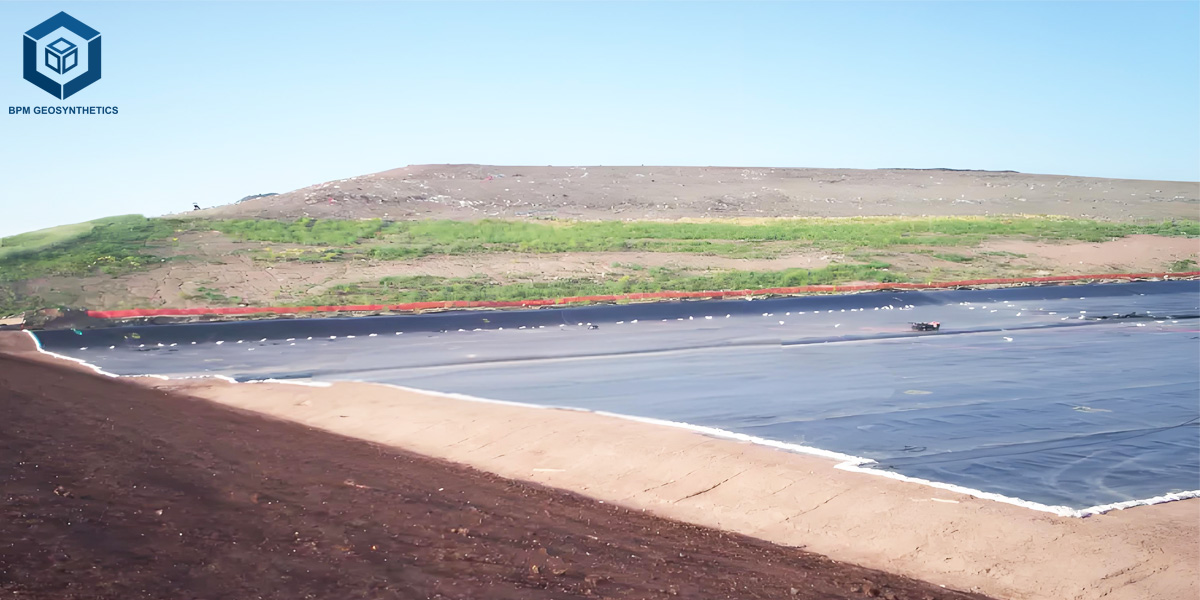
Geomembrane liners are widely used across infrastructure and environmental containment projects where impermeable barriers are required.
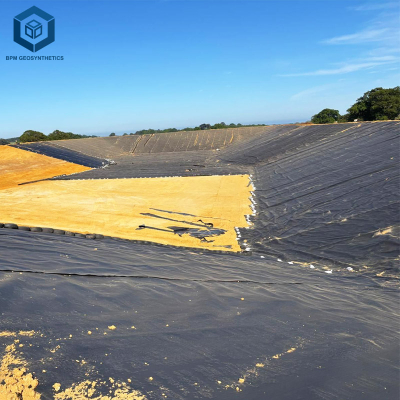
Mining tailings storage facilities
Municipal landfill liners
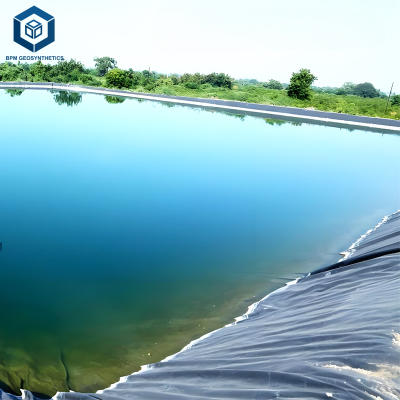
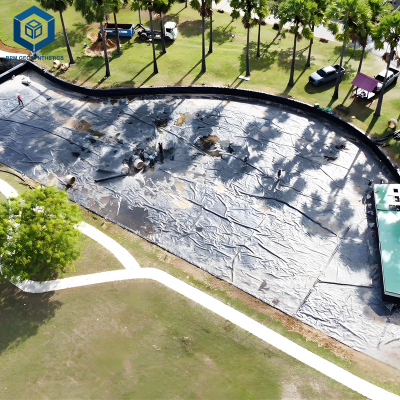
Wastewater treatment lagoons
Aquaculture ponds and shrimp farms
Agricultural irrigation reservoirs
Industrial chemical containment basins
Typical project stakeholders include EPC contractors, civil engineers, environmental consultants, distributors, and international material importers.
Core Problems and Engineering Solutions
Unstable Geomembrane Liner Price Fluctuations
Polyethylene resin market volatility affects liner cost. Long-term supply contracts can reduce procurement risk.Puncture Damage During Installation
Installing a non-woven geotextile protection layer significantly reduces damage risk.Seam Leakage Problems
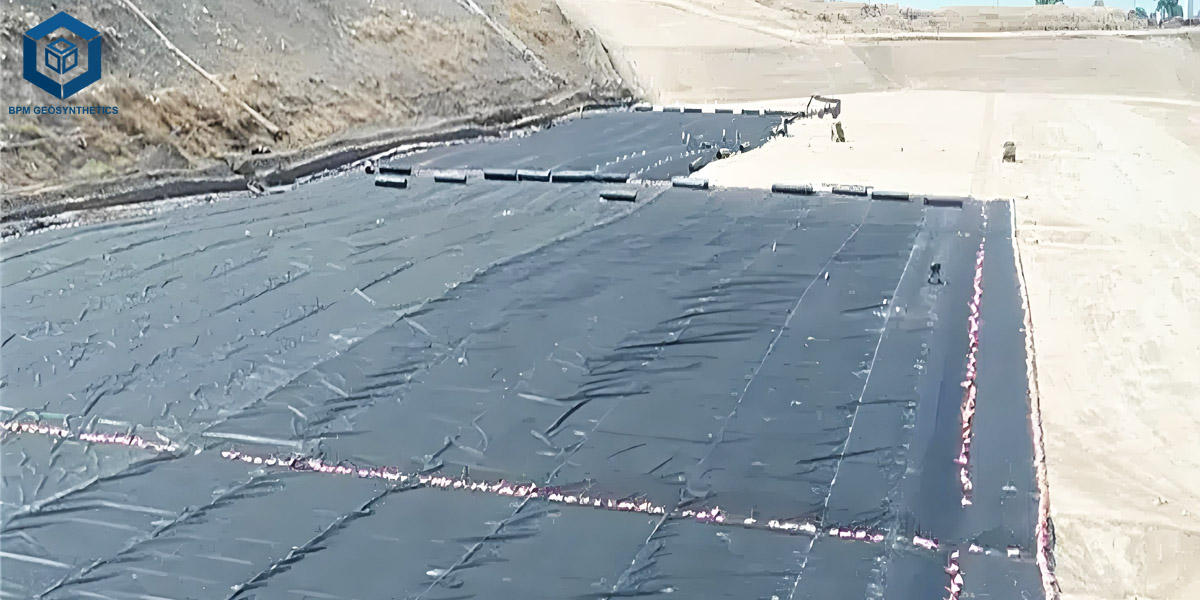
Use certified hot wedge welding equipment and conduct vacuum testing on seams.Slope Instability
Select textured geomembrane liners for higher interface friction.
Risk Warnings and Prevention Recommendations
Incorrect liner selection or poor installation practices can lead to containment failure and environmental compliance issues.
Conduct geotechnical evaluation before selecting liner thickness.
Ensure subgrade surfaces are smooth and free of sharp debris.
Follow standardized welding and seam inspection procedures.
Store geomembrane rolls under shade before installation.
Verify supplier certification and laboratory test reports.
Procurement and Selection Guide
To obtain the most competitive geomembrane liner price while ensuring engineering reliability, buyers should follow a structured procurement process.
Define project application and containment requirements.
Select appropriate liner material (HDPE, LLDPE, PVC).
Determine required thickness based on risk and load conditions.
Review manufacturer certifications and testing standards.
Request detailed technical data sheets and product samples.
Evaluate installation complexity and welding requirements.
Compare quotations from multiple qualified suppliers.
Engineering Case Study
A mining company constructing a 120,000 m² tailings pond required a reliable containment system to prevent environmental contamination.
After engineering analysis, a 1.5 mm HDPE geomembrane liner was selected due to its high chemical resistance and durability.
The project included geotextile protection layers and double-track welded seams. The liner installation was completed within 45 days, providing long-term containment performance while maintaining controlled project cost.
Frequently Asked Questions (FAQ)
1. What determines geomembrane liner price?
Thickness, raw material type, manufacturing quality, and order volume.
2. What is the average geomembrane liner price?
Prices vary depending on thickness, typically ranging from $0.80 to $3.50 per square meter.
3. Is HDPE liner more expensive than PVC?
HDPE generally costs more but provides superior durability.
4. How long do geomembrane liners last?
Typical service life ranges from 20 to 40 years depending on conditions.
5. What thickness should be used for ponds?
Usually between 0.75 mm and 1.5 mm depending on the application.
6. Can geomembrane liners be repaired?
Yes, damaged areas can be repaired using extrusion welding.
7. Do liners require protective layers?
Yes, geotextile layers are often used to protect against puncture.
8. How are seams tested?
Common methods include vacuum box testing and air pressure testing.
9. Are geomembranes environmentally safe?
Yes, they are widely used in environmental protection systems.
10. Can liners be customized?
Yes, manufacturers can produce customized thickness, texture, and roll dimensions.
Request Technical Data or Quotation
For large infrastructure or environmental containment projects, obtaining accurate geomembrane liner price information requires detailed project specifications.
Material technical data sheets
Engineering consultation
Laboratory testing reports
Project-specific quotations
Sample materials for evaluation
Engineering teams and procurement managers can request technical documentation and commercial quotations for bulk geomembrane liner supply.
Author Expertise (E-E-A-T)
This article was prepared by engineers and technical specialists with more than 15 years of experience in geomembrane manufacturing, containment system design, and environmental engineering projects across mining, landfill, and water management industries.