How Much is Geotextile Fabric Per Square Meter?
Wondering how much geotextile fabric per square meter? Check 2026 real market prices, mainstream geotextile types, engineering uses, core advantages, and key price factors for your infrastructure project procurement.
Geotextile fabric is one of the most widely used geosynthetic materials in modern civil engineering, road construction, environmental protection and landscaping projects. Most global project contractors and purchasers focus on two core demands: clarifyinggeotextile types, practical uses and product advantages, and grasping the real market price per square meter. Combined with a real 2026 international infrastructure procurement case, this article systematically sorts out mainstream geotextile categories, application scenarios, core strengths and standardized unit prices, providing accurate reference for project procurement.
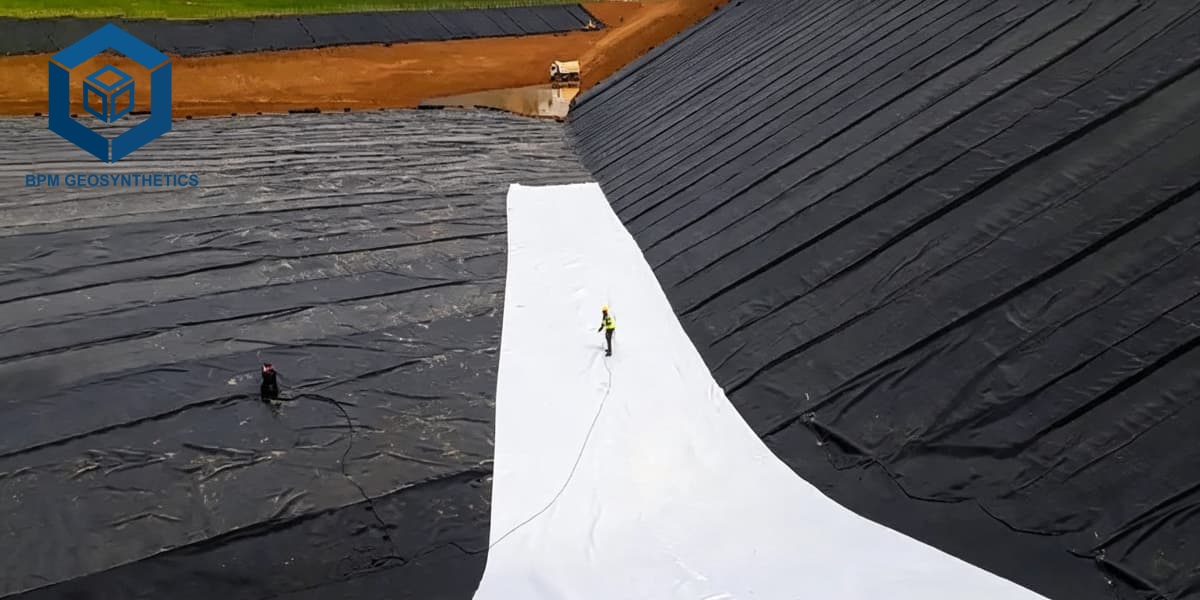
1. Main Types of Geotextile Fabric
According to production technology and structural characteristics, commercial geotextiles are mainly divided into two core categories, with different materials and performance parameters for different engineering scenarios:
1.1 Non-woven Needle Punched Geotextile
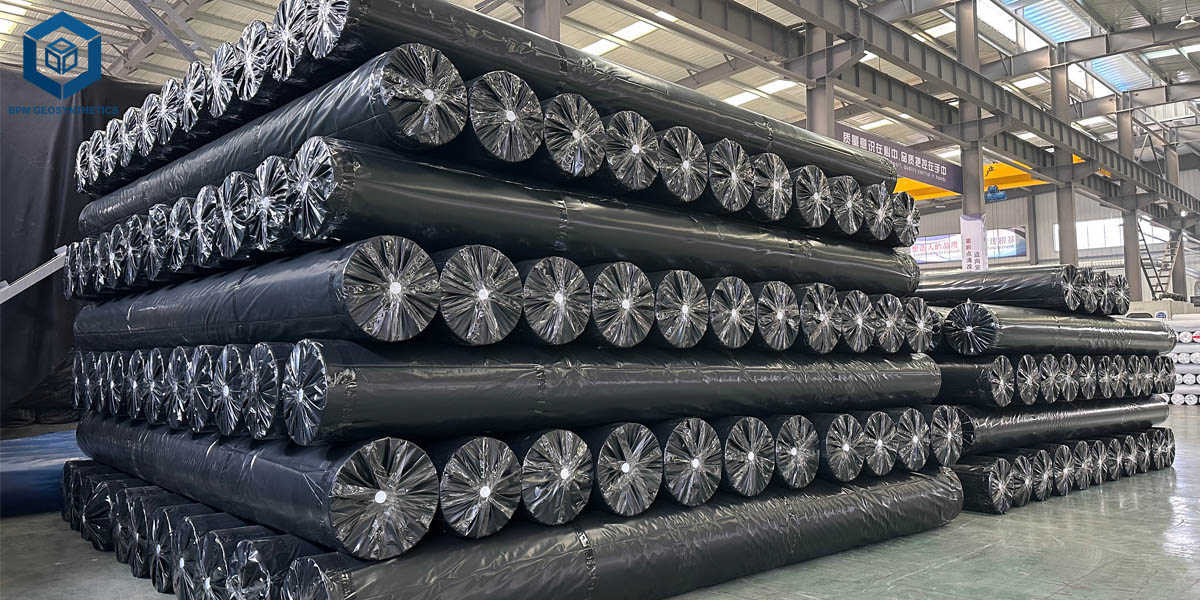
It is the most common and cost-effective geotextile, mainly made of polypropylene (PP) or polyester (PET) raw materials, formed by needle punching and consolidation. It features a loose and porous structure, soft texture and strong adaptability. It accounts for more than 70% of geotextile engineering applications.
1.2 Woven Geotextile
Made of high-strength plastic flat yarn through professional weaving process, with tight structure, high tensile strength and strong bearing capacity. It belongs to high-strength reinforced geotextile, specially used for heavy-load and high-stress engineering scenarios.
1.3 Special Functional Geotextile
Modified on the basis of conventional woven and nonwoven fabric, including anti-UV, anti-aging, acid and alkali resistant geotextile, suitable for extreme outdoor and harsh geological environments.
2. Wide Applications of Different Geotextile Fabric
Each type of geotextile has targeted application scenarios, realizing five core engineering functions: filtration, drainage, isolation, reinforcement and protection:
2.1 Non-woven Geotextile Main Uses
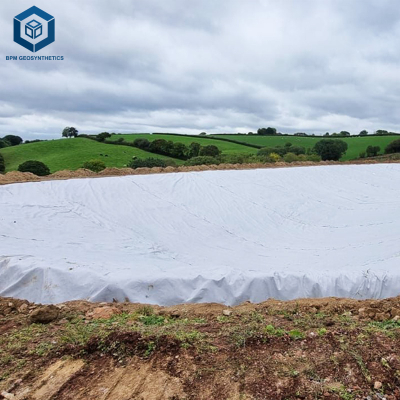
Ideal for conventional civil and environmental protection projects. It is widely used in road and railway subgrade stabilization, artificial lake, reservoir and river slope protection, landfill sewage filtration, garden landscape greening, tunnel drainage and soil erosion control. Fabric geotextile can isolate different soil and gravel layers, drain excess water in the foundation, and prevent foundation settlement and deformation.
2.2 Woven Geotextile Main Uses
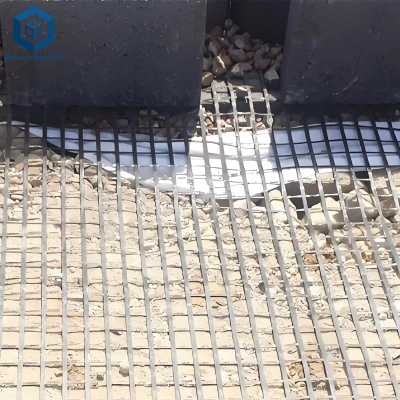
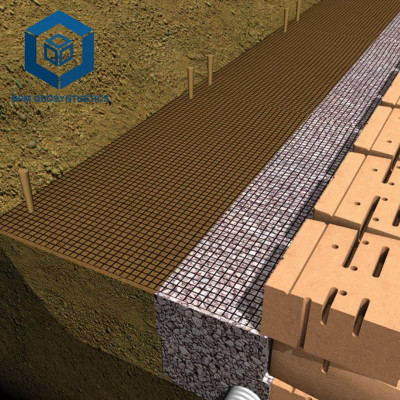
Mainly applied in high-standard heavy-duty projects, such as highway and airport runway foundation reinforcement, dam reinforcement, coastal beach reclamation, slope stabilization of large bridges and retaining walls. It can bear huge tensile force, effectively prevent foundation cracking and ground collapse, and improve the overall stability of engineering structures.
2.3 Functional Modified Geotextile Uses
Suitable for high-temperature, high-humidity, strong acid and alkali corrosion environments, such as coastal engineering, chemical plant foundation protection, long-term outdoor exposed engineering projects, solving the problem of short service life of conventional geo fabric in extreme environments.
3. Core Advantages of Geotextile Fabric
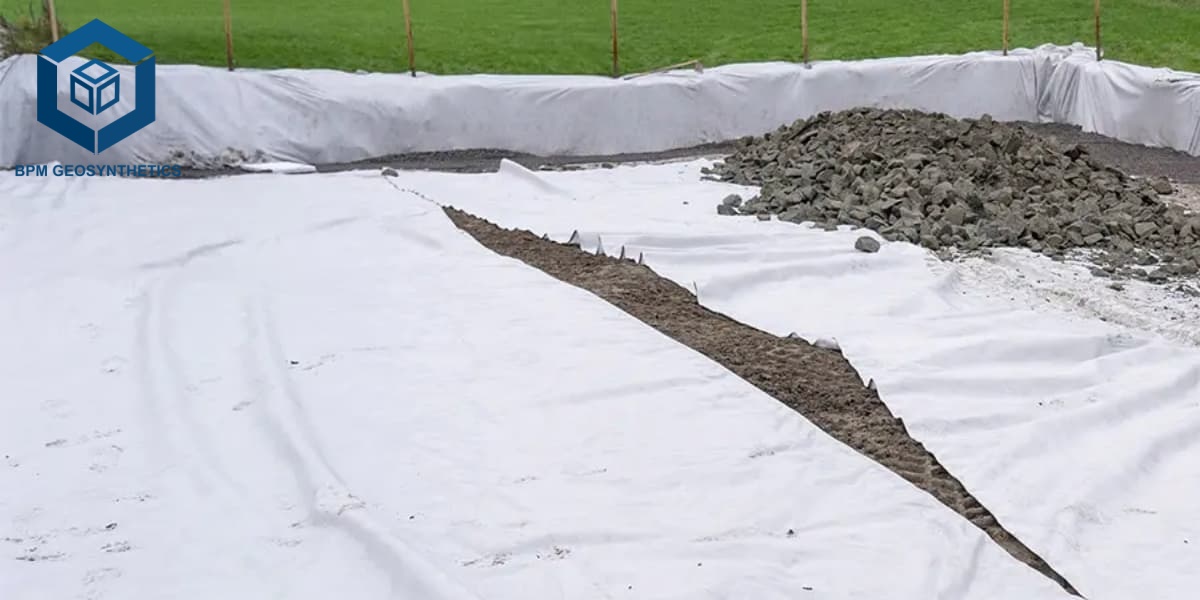
Geotextile has completely replaced traditional stone and sand cushion materials in many engineering fields, with obvious comprehensive advantages:
3.1 Excellent Engineering Performance
It has uniform pore distribution and stable filtration and drainage performance, which will not be blocked by soil particles for a long time. It has good flexibility and can fit the foundation terrain perfectly, avoiding hollowing and deformation. High-strength types can significantly improve the bearing capacity and anti-cracking performance of the foundation.
3.2 Strong Durability
Conventional non woven geotextile fabric have good anti-oxidation and anti-aging properties. Modified functional geotextiles can resist ultraviolet radiation, chemical corrosion and water erosion, with a service life of more than 10–30 years, far exceeding traditional auxiliary materials.
3.3 Cost-Effective & Convenient Construction
Compared with traditional stone and concrete protection, non woven geotextile is light in weight, easy to transport and cut, greatly shortening the construction cycle. It can effectively reduce project material and labor costs, with low later maintenance cost.
3.4 Safe & Eco-Friendly
Made of environmentally friendly polymer materials, non-toxic and harmless, no pollution to soil and water resources. It can improve the ecological environment of the project site and meet international environmental protection engineering standards.
4. 2026 Real Market Geotextile Fabric Per Square Meter
4.1 Non-woven Needle Punched Geotextile Price (Bulk Order FOB Price)
4.1.1 150gsm: USD 0.22–0.45/㎡
Detailed Analysis: This lightweight specification serves primarily for filtration and separation, featuring simple manufacturing processes and low raw material consumption. It is commonly used for landscape greening along rural road shoulders, shallow French drains, and filtration in small drainage ditches. Its primary function is to prevent soil siltation from clogging drainage channels rather than bearing tensile loads, resulting in lower factory unit costs.
4.1.2 200gsm: USD 0.40–0.58/㎡
Detailed Analysis: Positioned as a medium-light general-purpose specification, it delivers balanced water permeability and basic puncture resistance. It is widely applied in side ditch reverse filtration, low slope protection, and surface erosion control for secondary roadbed subgrades. Price variations within this range stem from raw material selection (polyester PET vs. polypropylene PP) and required tensile strength indicators.
4.1.3 300gsm: USD 0.62–0.68/㎡ (Project Procurement Mainstream Specification)
Detailed Analysis: Serving as the standard configuration for subgrade stabilization in rural road reconstruction, this specification strikes the optimal balance among CBR puncture resistance, elongation, and permeability coefficient. Laid between soft subgrade soil and aggregate base courses, it provides superior separation to prevent subgrade mud pumping and aggregate sinking. It represents the most cost-effective option with stable pricing in bulk procurement.
4.1.4 400–500gsm: USD 0.90–1.40/㎡
Detailed Analysis: Classified as a heavy-duty reinforcement and protective material, it features high needle-punching density and substantial thickness. It is engineered for landfill basal protection layers, heavy foundation reinforcement under high embankments, and complex geological conditions. Higher material consumption and slower line production speeds drive up unit manufacturing costs.
4.2 Woven Geotextile Price (Bulk Order FOB Price)
Price Range: USD 0.50–3.50/㎡
Detailed Analysis:
Woven geotextiles are produced by weaving high-strength polyethylene or polypropylene filaments. The production process is significantly more complex than non-woven fabrics, resulting in extremely high tensile strength and low elongation under load.
4.2.1 Lower-End Range (USD 0.50–1.00/㎡):
Typically covers split-film woven fabrics (100gsm–200gsm) intended for basic roadbed separation and temporary soft foundation stabilization.
4.2.2 Mid-to-High-End Range (USD 1.00–3.50/㎡):
Encompasses high-strength filament woven geotextiles (with tensile strength ratings from 50kN/m to over 200kN/m). Tensile strength is the primary driver of unit price; higher strength ratings demand higher-grade raw materials and tighter weaving density, increasing costs linearly for high-standard slope reinforcement, steep retaining walls, and heavy-load highway foundations.
4.3 Functional Modified Geotextile Surcharges
Additional processing and additive costs apply on top of base geotextile FOB prices for projects with demanding environmental conditions:
4.3.1 Anti-UV Treatment: +USD 0.05–0.12/㎡
Detailed Analysis: Involves blending HALS (Hindered Amine Light Stabilizers) or carbon black into the polymer masterbatch to prevent premature photo-oxidation during outdoor installation exposure or uncovered slope applications. Cost variances depend on additive concentration and targeted weathering performance (e.g., 2,000–3,000 hours UV resistance standard).
4.3.2 Acid and Alkali / Anti-Aging Treatment: +USD 0.08–0.18/㎡
Detailed Analysis: Formulated for highly acidic/alkaline soils, saline-alkali roadbeds, or landfill leachate environments. High-purity polypropylene (PP) resins or specialized anti-chemical corrosion agents are required. This modification substantially enhances long-term chemical degradation resistance, yielding a higher premium than standard anti-UV treatments.
5. Geotextile Fabric Per Square Meter: Total Cost of Ownership (TCO) & Hidden Procurement Risks
When calculating the total budget for an international infrastructure project, relying solely on the supplier's FOB factory price can lead to significant cost overruns. Global contractors and buyers must account for the complete Landed Cost—the true total expenditure from the factory floor to the job site—while protecting themselves against common trade and quality traps.
5.1 Landed Cost Formula & Breakdown
To estimate your actual site-delivered cost per square meter, use the following cost structure breakdown:
Total Landed Cost /m² = (FOB Unit Price + Freight & Insurance + Tariffs + Port Handling) × (1 + Overlap Waste %)
- FOB Factory Price: Base price of the geotextile material.
- Ocean Freight & Cargo Insurance (CIF/CIP Difference): Transport costs fluctuate based on shipping routes and container volume optimization.
- Import Tariffs & Taxes: Customs duties, anti-dumping tariffs, or local value-added taxes (VAT) levied by the destination country's customs authority.
- Port Handling & Terminal Charges (THC): Destination port clearing, documentation fees, demurrage risk, and inland trucking to the project site.
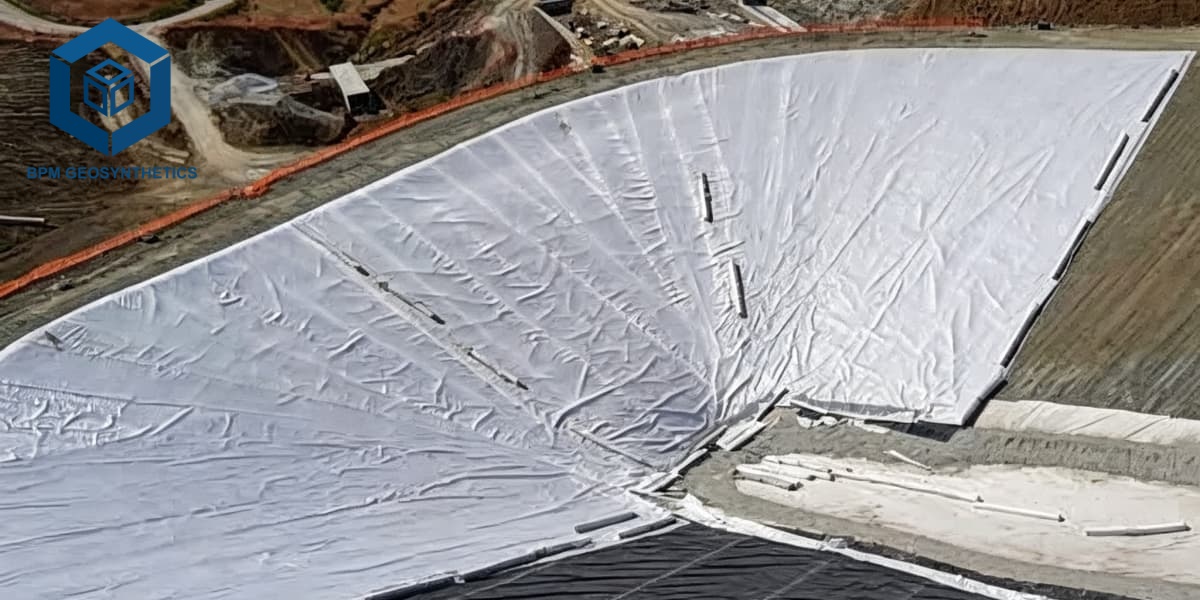
- Installation Overlap Loss (10%–15%): Geotextile filter fabric require edge overlaps (typically 30 cm to 50 cm) or sewn seams during installation to ensure structural continuity. Purchasers must order 10%–15% more fabric than the net site area to cover overlap consumption and site cutting waste.
5.2 Procurement Risk Avoidance & Quality Pitfalls
Lowball quotations in international B2B trade often come with concealed quality compromises that can fail on-site engineering inspections:
5.2.1 Under-Weight Fraud (Negative GSM Tolerance):
Unscrupulous suppliers may offer unrealistically low unit prices by reducing the material weight (e.g., delivering 250 gsm fabric under a 300 gsm contract). Always specify a strict GSM tolerance limit (e.g., ±3%) in your purchase agreement and demand third-party roll weight verification before loading.
5.2.2 Recycled Material Dilution & Strength Degradation:
To cut raw material costs, some manufacturers mix post-industrial scrap or low-grade recycled polymers into virgin Polyester (PET) or Polypropylene (PP) resins. This drastically reduces the tensile strength, CBR puncture resistance, and service life of the fabric, leading to premature roadbed failure.
5.2.3 Omitted Anti-Aging Masterbatch:
For outdoor or slope protection applications requiring anti-UV capabilities, dishonest suppliers may skip or under-dose Hindered Amine Light Stabilizers (HALS). The resulting geofabric will degrade and crumble within weeks of direct sunlight exposure during construction.
- Procurement Advice: Always require the manufacturer to provide ISO-certified batch test reports (MTR) and third-party inspection certificates (such as SGS or Intertek) covering tensile strength, CBR puncture resistance, and actual mass per unit area before releasing final shipment payment.
Conclusion
The Best Project Material Co., Ltd. (BPM Geosynthetics) Geotextile fabric has diverse types and rich application scenarios, with irreplaceable advantages in engineering stability, construction efficiency and economic benefits. The market price per square meter is not fixed. In 2026 international market, the mainstream bulk price of conventional non-woven geotextile is USD 0.22–1.40/㎡, and high-strength woven and functional geotextiles are priced higher. For engineering procurement, selecting suitable geotextile types according to project demands and adopting bulk direct procurement can maximize cost-effectiveness.