How much does a geomembrane liner system cost
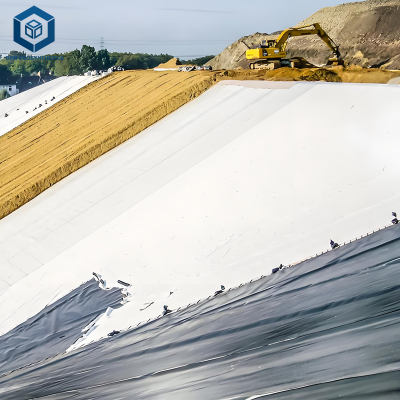
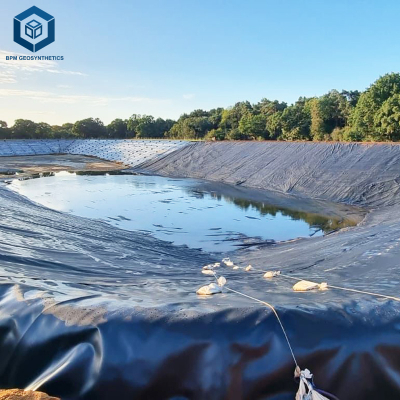
A geomembrane liner system is an engineered impermeable barrier composed of polymeric membrane sheets, welding seams, and auxiliary components designed to prevent liquid or gas migration in containment structures. Understanding how much does a geomembrane liner system cost requires evaluating material grade, thickness, area, installation method, and long-term performance requirements.
Technical Parameters and Specifications
When assessing how much does a geomembrane liner system cost, technical specifications directly influence both material price and installation complexity.
Material Types: HDPE, LLDPE, PVC, EPDM
Thickness Range: 0.5 mm – 3.0 mm (HDPE common: 1.0–2.0 mm)
Density (HDPE): ≥0.94 g/cm³
Tensile Strength: 15–30 kN/m (depending on thickness)
Elongation at Break: ≥600%
Puncture Resistance: 300–1000 N
Carbon Black Content (HDPE): 2–3%
Roll Width: 5–8 meters typical
Service Life: 10–30+ years (buried condition)
Typical total installed cost ranges globally between USD 4–12 per m² depending on thickness, region, labor rates, and project complexity. Therefore, how much does a geomembrane liner system cost must always be evaluated as a full system cost rather than material price alone.
Structure and Material Composition
Primary Geomembrane Layer: Impermeable polymer barrier
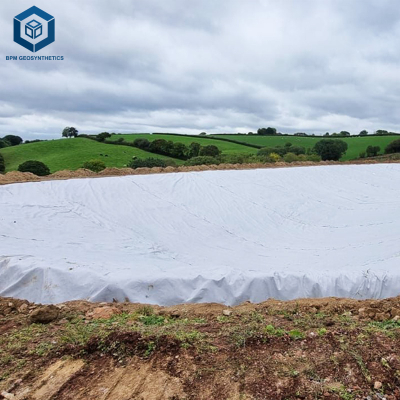
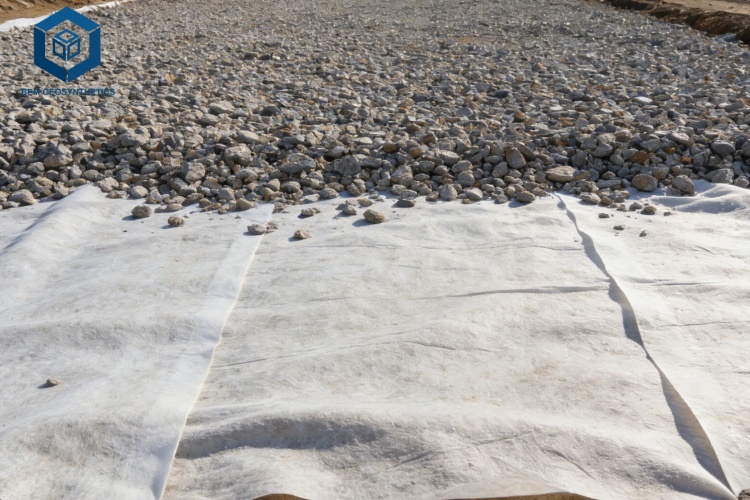
Geotextile Cushion Layer: Protects against subgrade puncture
Drainage Layer (optional): Controls leachate or groundwater
Anchor Trench System: Secures liner perimeter
Welded Seams: Thermal fusion joints ensuring continuity
Manufacturing Process
1. Resin Compounding
Polymer resin blended with stabilizers and antioxidants.
2. Extrusion or Calendaring
Flat-die extrusion (HDPE/LLDPE) or calendaring (PVC) forms continuous sheets.
3. Thickness Calibration
Automated gauge systems maintain uniform thickness tolerance.
4. Surface Treatment
Smooth or textured surface applied depending on slope stability requirements.
5. Quality Control Testing
Includes tensile testing, carbon black dispersion, and dimensional verification.
Industry Comparison
| Containment Method | Impermeability | Durability | Installation Speed | Relative Cost |
|---|---|---|---|---|
| Geomembrane Liner System | Excellent | High | Fast | Moderate |
| Compacted Clay Liner | Moderate | Variable | Slow | Moderate |
| Concrete Basin | High | High | Slow | High |
| Asphalt Lining | Moderate | Moderate | Medium | High |
Application Scenarios
EPC Contractors: Landfills, tailings dams, reservoirs.
Developers: Industrial wastewater containment.
Distributors: Regional supply to infrastructure projects.
Agricultural Engineers: Irrigation ponds and lagoons.
Each project type affects how much does a geomembrane liner system cost due to scale, regulatory standards, and installation environment.
Core Pain Points and Solutions
Unclear Total Budget: Calculate system-level cost including underlayment and welding.
Improper Thickness Selection: Conduct geotechnical assessment before specification.
Seam Failure Risk: Require certified welding and non-destructive testing.
Logistics Oversight: Optimize roll width to reduce field seams.
Lifecycle Cost Misjudgment: Evaluate durability over 20-year horizon.
Risk Warnings and Avoidance
Subgrade not properly compacted increases puncture risk.
Exposure to UV without cover shortens service life.
Using recycled material may compromise mechanical strength.
Insufficient overlap width can weaken seam integrity.
Ignoring drainage design may cause uplift pressure.
Procurement Selection Guide
Define containment purpose and regulatory requirements.
Determine required thickness based on hydraulic load.
Calculate total area including slopes and anchors.
Request certified laboratory test reports.
Compare installation labor rates locally.
Assess supplier production capacity for schedule compliance.
Review warranty and after-sales technical support.
Consider long-term maintenance accessibility.
Engineering Cost Example
Project: 20,000 m² industrial wastewater lagoon. Selected material: 1.5 mm HDPE geomembrane with geotextile cushion. Material cost: USD 3.5–5.5 per m². Geotextile underlayment: USD 0.8–1.5 per m². Installation: USD 1.5–3.0 per m². Total installed system cost: USD 6–10 per m². Estimated total project liner system budget: USD 120,000–200,000.
This example demonstrates that how much does a geomembrane liner system cost depends on material type, thickness, accessories, and installation environment.
FAQ
1. What is the average geomembrane liner system cost per m²?
Typically USD 4–12 installed, depending on specification.
2. Does thickness significantly impact price?
Yes, thicker membranes increase material and transport costs.
3. Is underlayment always required?
Recommended on rocky or uneven subgrades.
4. How long does installation take?
Approximately 1,000–3,000 m² per day per crew.
5. Can geomembranes be repaired?
Yes, via extrusion welding patches.
6. What affects seam strength?
Temperature control, overlap width, and equipment calibration.
7. Are textured liners more expensive?
Yes, typically 10–20% higher than smooth sheets.
8. What determines lifecycle cost?
Material grade, UV exposure, and installation quality.
9. Does project size reduce unit price?
Bulk projects often lower per m² material cost.
10. Is third-party inspection recommended?
Yes, especially for environmental compliance projects.
Request Quotation or Technical Documentation
To accurately evaluate how much does a geomembrane liner system cost for your project, provide area dimensions, slope ratios, soil conditions, required thickness, and project location. Detailed technical datasheets, installation manuals, and engineering samples are available upon formal procurement inquiry.
E-E-A-T Author Credentials
This analysis is prepared by a containment systems engineer with more than 12 years of experience in landfill, mining, agricultural, and industrial water containment projects. Cost evaluations are based on current engineering procurement practices and internationally recognized geomembrane performance standards.