Ultimate Guide To Geotech Fabric for Driveways
Introduction: Why Geotech Fabric for Driveways Is Becoming a Global Standard
As infrastructure development accelerates across both developed and emerging markets, geotech fabric for driveways has become a critical material in road construction, private access roads, residential driveways, and heavy-duty load-bearing surfaces. The need for stable, long-lasting driveways has pushed contractors and distributors to adopt geosynthetics that deliver reliable soil separation, stabilization, and drainage performance.
According to recent geosynthetics industry reports, global demand for driveway stabilization materials is expected to grow at 6.5% CAGR from 2024 to 2030. Non-woven and woven geotextiles are increasingly adopted in rural development projects, industrial parks, resort construction, and private property upgrades, where the combination of load distribution, erosion control, and reduced maintenance costs offers a significant long-term advantage.
Understanding Geotech Fabric for Driveways
What Is Geotech Fabric for Driveways?
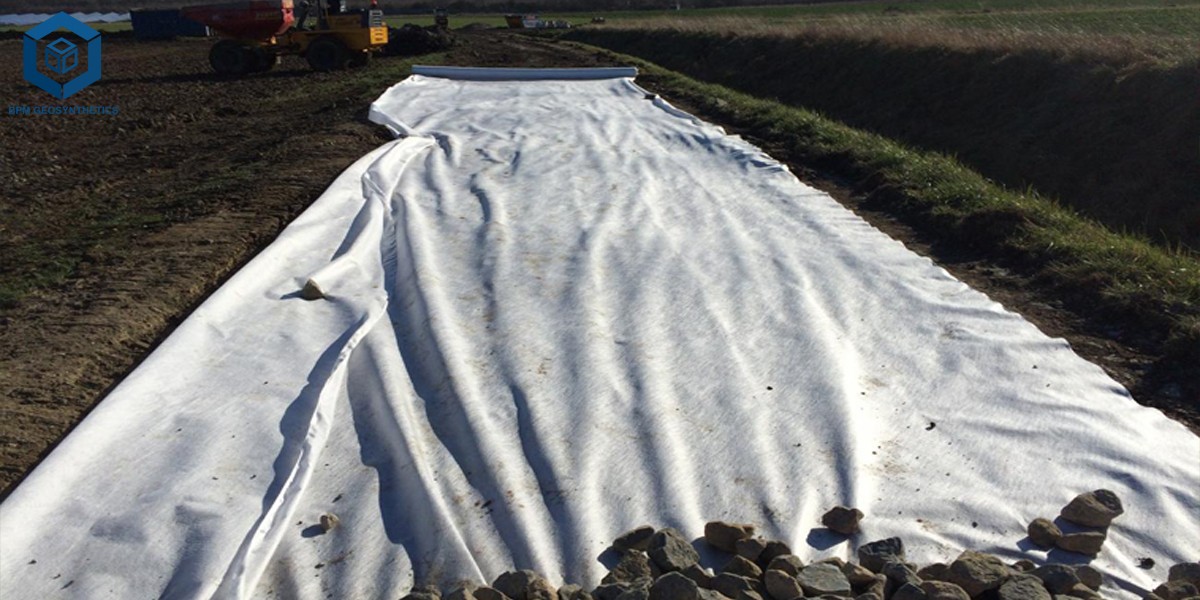
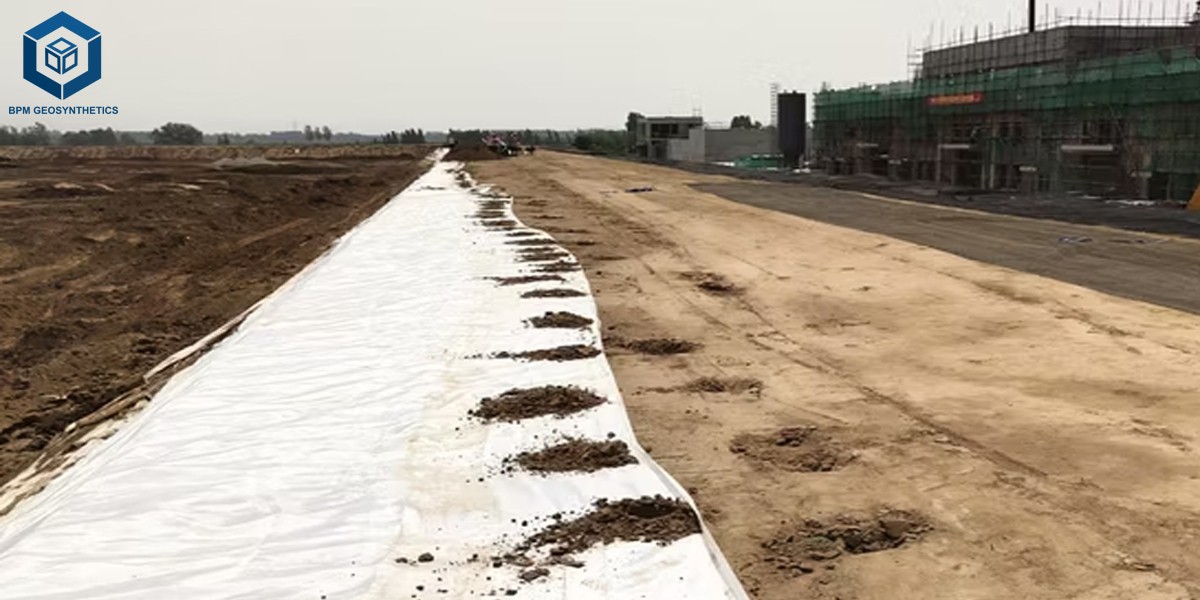
Geotech fabric for driveways is a type of engineered geotextile—woven or non-woven—used beneath gravel, asphalt, or pavers to enhance ground stability. It performs three key functions:
Soil separation to prevent aggregate contamination
Load distribution to support vehicle weight
Enhanced drainage to reduce water accumulation and surface deformation
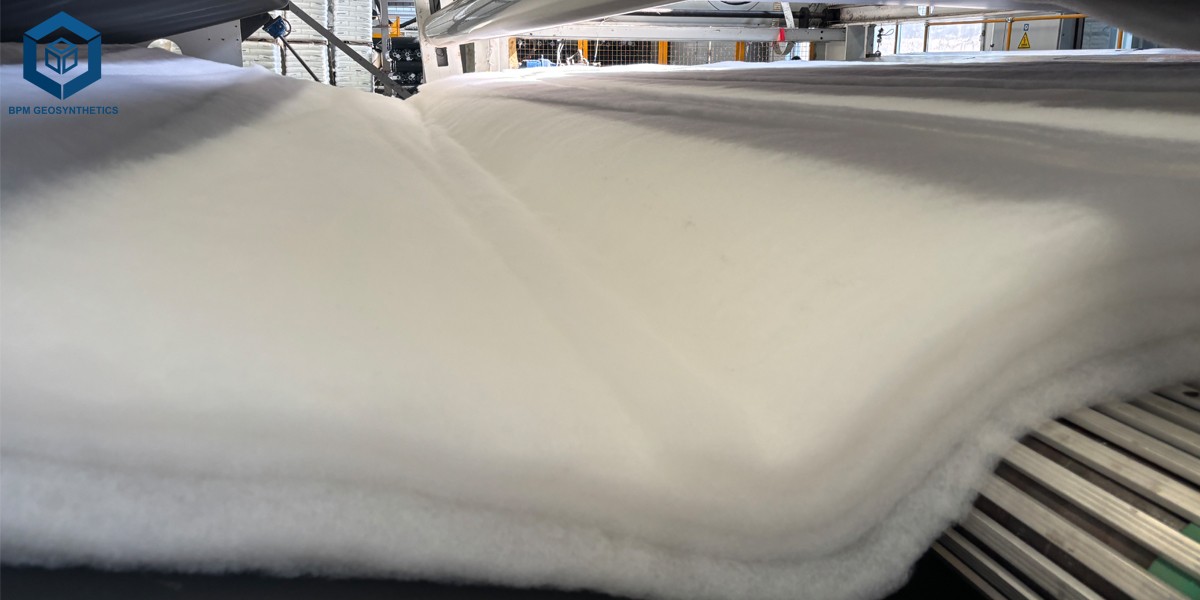
The fabric is typically made from polypropylene (PP) or polyester (PET) fibers processed using advanced manufacturing technologies such as needle punching or high-strength weaving.
Technical Features: What Buyers Look For
1. Material Types
● Non-woven geotech fabric
Produced via needle-punched technology, ideal for drainage and filtration. Frequently used in residential driveways and landscaping projects.
● Woven geotextile for driveways
Manufactured using high-strength weaving, providing superior tensile strength for heavy loads and commercial driveways.
2. Key Specifications
Common parameters requested by international B2B buyers include:
Tensile strength: 8–40 kN/m depending on type
Thickness: 0.8–2.2 mm
Weight: 100–400 gsm
Permeability: High water flow rate for drainage
UV resistance: Ensures durability under long-term exposure
Roll size: 4 m × 50–100 m (custom sizes supported)
These specifications ensure long-term stability and reduce maintenance caused by rutting, sinking, or weed growth.
3. Manufacturing Overview
The production of driveway geotech fabric involves:
Raw material selection (high-grade PP/PET pellets)
Fiber extrusion to create continuous or staple fibers
Weaving or needle punching depending on fabric type
Heat bonding and calendaring to improve dimensional stability
Quality testing including tensile, puncture, permeability, and tear resistance
We maintain strict inspection standards to guarantee consistent performance in all driveway construction scenarios.
Global Market Trends for Driveway Geotech Fabrics
Increasing Adoption in Private and Commercial Sectors
Across North America, Europe, and the Middle East, demand for driveway stabilization fabric is rapidly growing due to higher expectations for pavement longevity and reduced maintenance frequency.
Rising Infrastructure Investments
More than 100 countries have increased budgets for rural development and semi-urban road improvement, directly driving the consumption of geotextile driveway underlayment.
Environmental Benefits Boosting Demand
As sustainability becomes a procurement requirement, geotech fabric’s ability to reduce aggregate use by up to 40% is attracting government and private buyers.
Growth in E-commerce and DIY Landscaping
Online distribution channels now contribute to nearly 30% of global non-woven driveway fabric sales, supported by rising demand from DIY homeowners.
Applications of Geotech Fabric for Driveways
● Residential Driveways
Improves structural stability and prevents gravel sinking.
● Private Roads & Farm Driveways
Provides heavy-duty load support for trucks, tractors, and machinery.
● Parking Lots
Enhances ground reinforcement and extends the pavement life cycle.
● Roadside Drainage Systems
Used to reduce waterlogging, erosion, and soil migration.
● Base Layer Under Pavers
Prevents shifting, rutting, and weed intrusion.
Why Geotech Fabric Is Essential for Modern Driveway Construction
Extended service life of driveway base layers
Reduced repair and maintenance costs
Improved load-bearing capacity
Better drainage, preventing structural failures
Cost-effective replacement for thicker aggregate layers
For B2B buyers, these advantages translate into lower project costs and higher client satisfaction.
Buyer’s Guide: Choosing the Right Geotech Fabric
Consider the following factors:
Required tensile strength based on expected vehicle loads
Soil type (clay, sand, mixed)
Drainage needs (permeability rating)
Expected lifespan and UV exposure
Budget and roll dimensions
We provide technical consultation to help buyers select suitable products for diverse driveway conditions.
FAQs: Common Questions from Global Buyers
1. What is the best type of geotech fabric for driveways?
For light residential use, non-woven fabric is suitable. For heavy-load or commercial applications, woven geotextile offers superior strength.
2. How long does geotech fabric last under a driveway?
Quality geotextiles can last 20–50 years, depending on soil, UV exposure, and installation practices.
3. Can geotech fabric reduce gravel usage?
Yes. By preventing soil contamination and distributing loads, it can reduce gravel consumption by 25–40%.
4. Is installation complicated?
Installation is straightforward: grade the soil, lay the geotextile, overlap edges, anchor the fabric, and add aggregate.
Conclusion: Delivering Long-Term Stability for Modern Driveways
As global demand for durable driveway solutions continues to rise, geotech fabric for driveways plays a vital role in delivering stable, long-lasting, and cost-effective infrastructure. With proven performance in soil stabilization, drainage, and load management, geotextile reinforcement has become a standard in both residential and industrial projects.
We support international distributors, contractors, and engineering companies with high-quality geotextile solutions tailored to diverse driveway conditions.
Professional Call-to-Action
If you are sourcing geotech fabric for driveways or require customized specifications for large-scale road improvement projects, contact our engineering team for technical advice, pricing, and sample support. We deliver consistent quality and competitive lead times for global B2B buyers.