What are Advantages of Impermeable Geomembrane Liner?
Impermeable geomembrane liner have become the gold standard in modern containment and environmental protection engineering. As industries worldwide face increasingly stringent regulations on waste management, water conservation, and pollution control, understanding the distinct advantages of impermeable geomembrane liner is essential for engineers, project managers, and procurement professionals. BPM Geosynthetics, a leading manufacturer and supplier, specializes in producing high-quality HDPE liners with advanced UV resistance, tensile strength, and puncture resistance, ensuring long-term performance in harsh conditions This article explores the comprehensive benefits of impermeable geomembrane liner, from their exceptional material properties to their wide-ranging applications across multiple sectors.
1. What is Impermeable Geomembrane Liner?
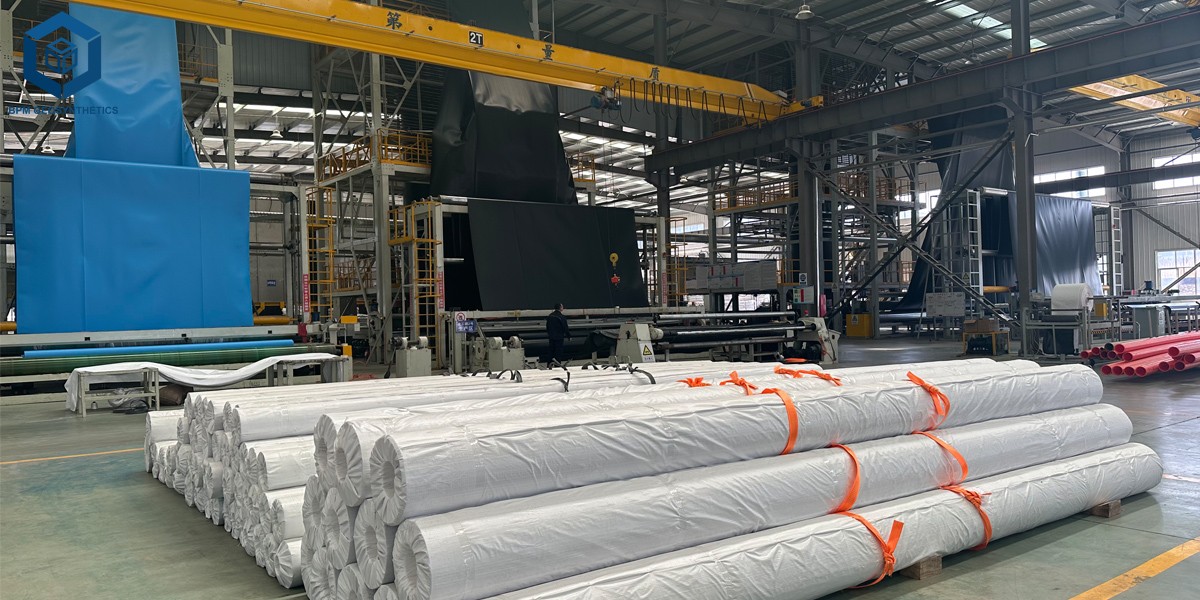
An impermeable geomembrane liner is a synthetic geomembrane manufactured from high-density polyethylene resin, designed specifically to create an impermeable barrier that prevents the migration of liquids, gases, and contaminants. These impermeable liners are engineered to meet rigorous international standards including ASTM D6392 and GRI-GM13, ensuring consistent quality and performance across diverse applications.
2. Impermeable Geomembrane Liner Exceptional Impermeability and Chemical Resistance
2.1 Extremely Low Permeability
Impermeability has always been considered as one of the main advantages of HDPE impermeable liners because of its impermeability to liquid and gas migration that is almost impossible to cross. With permeability coefficients as low as 10⁻¹⁴ to 10⁻¹⁶ m/s, HDPE liner make an extremely tight seal against any kind of liquids and gases, even at the micro-level. The performance of such a barrier is estimated to be up to 10,000 times better than that of compacted clay liners, and hence, the reason why an engineer would prefer HDPE lining in areas where the leakage or the slightest leakage may lead to a major environmental disaster or problem.
2.2 Superior Chemical Resistance
Impervious liner resist a variety of commonly aggressive chemicals - from acids and bases to oils, solvents, and hydrocarbons. This inert behavior is very suitable in hostile and aggressive environments like a landfill leachate (containing various organic acids and heavy metals) and heap leach mining (using cyanide and sulfuric acid), etc. Unlike PVC, HDPE continues to possess excellent mechanical properties even at prolonged exposure to a wide variety of chemicals - including 80+ acids/alkalis and oil, tar, and asphalt.
2.3 Protection Against Environmental Stress Cracking
Modern impermeable geomembrane is resistant to environmental stress cracking (ESC), which is a form of material failure triggered by prolonged stress under aggressive conditions. Premium HDPE liners, made using an improved resin and manufacturing technologies, are able to retain their barrier properties over their whole service life, which is especially important for their buried underground applications where these films will get exposed to both mechanical and chemical stresses permanently.
3. Impermeable Geomembrane Liner Outstanding Mechanical Properties and Durability
3.1 High Tensile Strength and Tear Resistance
The mechanical strength of the impermeable geomembrane liner is quite substantial, with tensile strengths ranging from 15–29 kN/m. The material can withstand failure even when overloaded or stressed for a long time in situations such as ground settlement, thermal expansion, and overlying loads. Further, the tear resistance of 125–249N protects the liner from being pricked by sharp tools, rocks, etc. during the installation period and after.
3.2 Puncture and Abrasion Resistance
The toughness of HDPE is its strength in resisting puncture and abrasion which is particularly required when laying the sheet over rough subgrades, debris, or working with heavy equipment. Proper subgrade preparation and placing geo-textile under protection layers help preserve the integrity of HDPE for a long time. For the most challenging and potentially harmful works like a heap leach pad for mining or a basal liner for a landfill, one can opt for thicker variants (2.0–3.0mm) of hdpe impermeable liner which will give an extra mechanical resistance and security.
3.3 UV and Weather Resistance
The fact that geo membranes have a high content of carbon black (2-3%) due to the production process allows them to reflect the UV radiation efficiently thus preventing the breakdown of the material.
4. Impermeable Geomembrane Liner Long Service Life and Cost-Effectiveness
4.1 Long Life and Durable
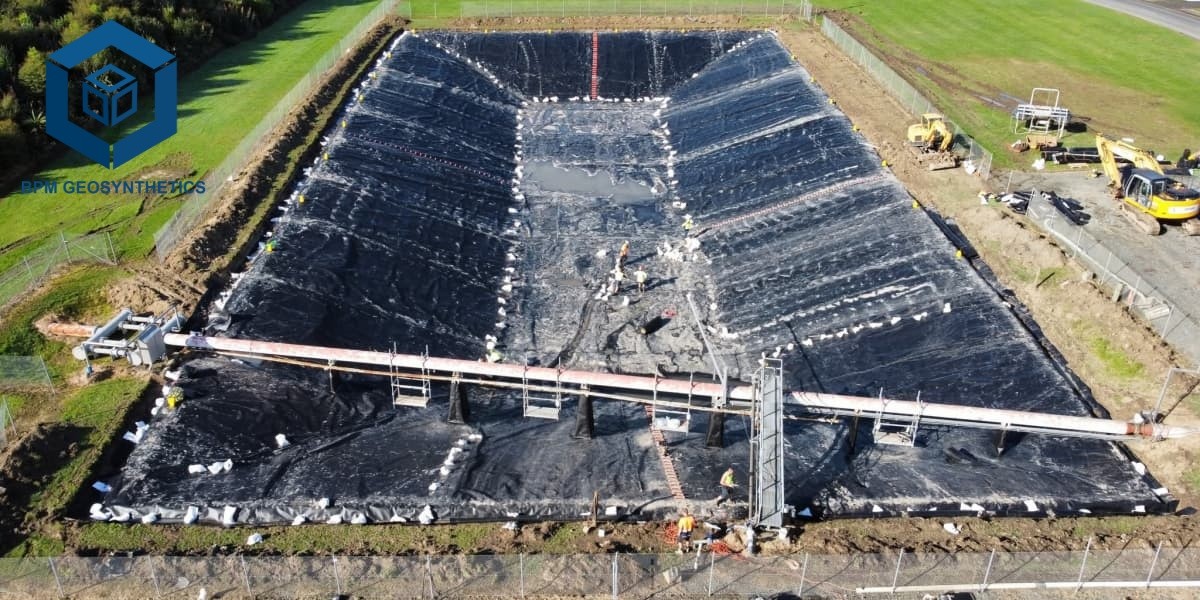
A really good reason for selecting HDPE geomembrane as an impermeable liner is the longevity of such systems. Provided that the material is put in place and maintained correctly, HDPE geomembranes have a life of over a hundred years underground, and for applications where they would be on ground the time period is around 20-30 years. The main factor that affects the HDPE liner's life is the thickness - the thinner 1.0mm liners are expected to be in good condition for 25-40 years at most, whereas, the 1.5mm HDPE should serve its purpose between 30-50 years. If the liners are around 2.0mm thick they last about 50-70 years and for thicknesses larger than 2.5mm one can expect a product lifespan of up to even a century of the usage. The long-term reliability of hdpe membrane makes liner replacements, which require a great deal of effort and cost, happen less frequently.
4.2 Cost-Effective Containment Solution
While the initial material cost of HDPE liners may be higher than some alternatives, their long-term cost-effectiveness is undeniable. The combination of minimal maintenance requirements, extended service life, and reliable performance translates to substantially lower life-cycle costs compared to traditional containment methods such as compacted clay or concrete. Additionally, high density polyethylene geomembrane is lightweight and flexible, facilitating faster installation and reducing labor costs. The material's weldability using hot wedge or extrusion welding techniques creates strong, seamless joints that minimize installation time and ensure system integrity.
4.3 Reduced Environmental Liability
With hdpe geo membrane providing reliable and persistent environmental containment, those who operate sites, especially ones handling hazardous substances or mining operations, can greatly decrease the likelihood of needing costly environmental remediation and fines from regulatory bodies. In fact, HDPE containment systems represent a significant upfront investment, but it's money spent to lower the environmental liability risk and at the same time guarantee strict compliance with laws to not only stop environmental damage but also preserve nature and water resources around the site.
This is an area of risk that cannot be ignored for facilities that are required to comply with regulations and that produce waste which could be hazardous or which could be in the vicinity of a natural habitat. They should definitely be the top priority.
5. Impermeable Geomembrane Liner Versatility and Wide Application Range
5.1 Environmental Protection and Waste Management
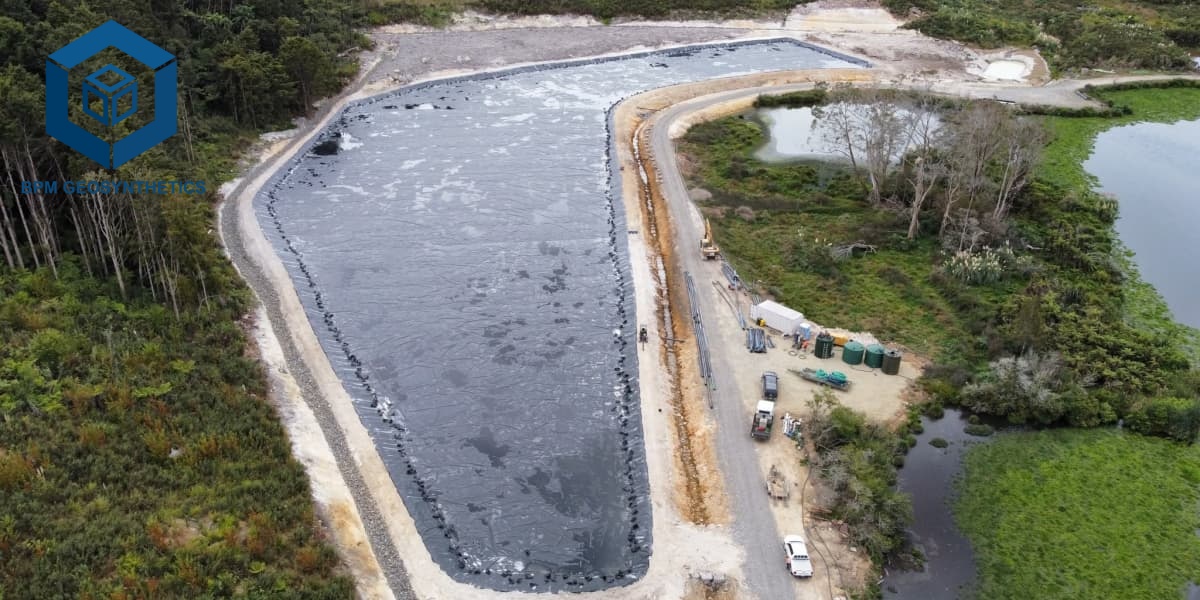
HDPE waterproofing membranes are key instruments in environmental safeguards, for example acting like barriers to stop leaching from contamination of soil and groundwater to municipal and hazardous waste facilities. They are no less vital for industrial pollution prevention, sewage treatment lagoons, and cleaning up of a range of contaminated places. Statistically, about 35% of all geomembrane uses are landfills where geomembrane liner serve as primary environmental contamination safeguards. It is well-known that hdpe geomembrane sheet used in landfills alone can cut down the migration of pollution by over 90% which clearly shows how good HDPE liners are at both protecting the environment and the people around.
5.2 Water Management and Conservation
In terms of controlling water, geomembrane sheet has become standard practice to keep down losses due to leakage from structures such as dams, canals, and pools.
The industry of aquaculture highly values HDPE liner for maintaining good water quality as well as producing controlled environments for fish and shrimp.
Decorative water features also derive aesthetic beauty from the strength and versatility of hdpe liner sheet as they can survive over a long period without the risk of seepage.
With water shortage problem escalating in today’s world HDPE liner is a tool not just for conserving water resources but for also enabling sustainable ways of doing it, and that’s quite a big advantage when talking about the environment.
5.3 Mining and Industrial Applications
Some sources say that geomembrane use for mining operations is about 25%. Here are the different roles of HDPE liner in the mining field:
- Heap leach pads containing the solution
- Tailings storage containing the mine waste.
- Process water containment systems where water used in the processing is collected.
Apart from its major application in landfills oil and gas industry also uses HDPE liner extensively for primary and secondary containment of the tanks and other spill containment purposes.
Many industries use Secondary Containment hdpe membrane sheet to make sure that no leakage happens in case of any accident and thus avoid potential environmental damage.
The HDPE material is resistant against chemicals and the mechanical property is strong. Both these together make it an ideal material for those industries which require heavy duty liner materials.
5.4 Agriculture and Renewable Energy
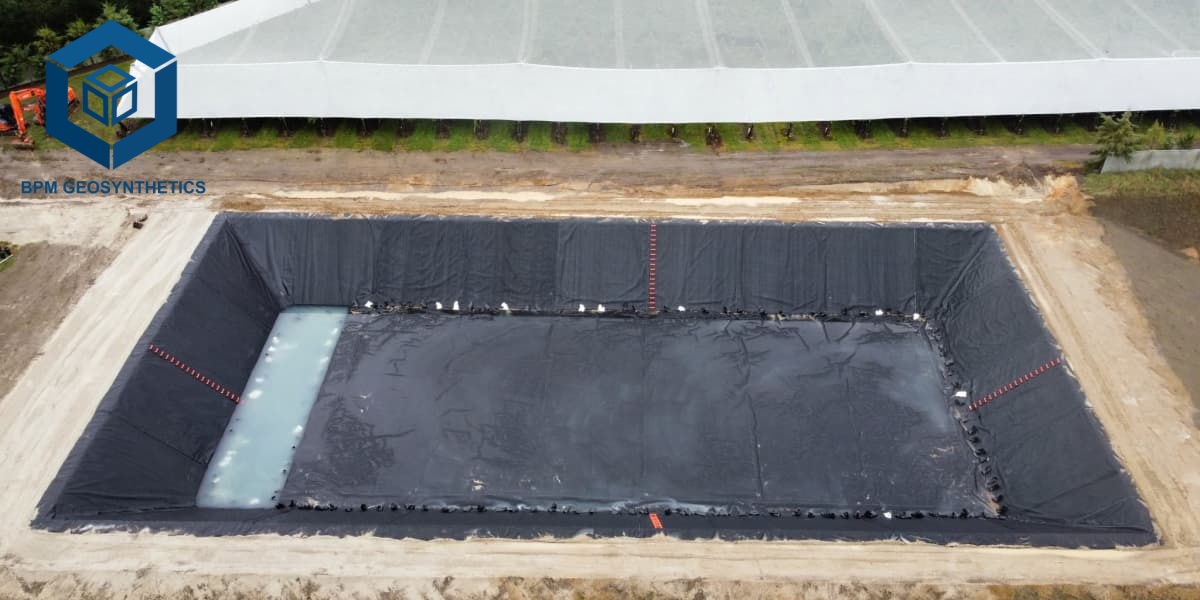
Uses of HDPE liners by agricultural sector encompass containment of livestock waste, construction of water reservoirs as well as biogas digester systems. In the case of biogas production, geo membrane sheet is a very important component for gas-tight digesters because they maximize the amount of methane captured from organic waste. The fact that the material has resistance to ultraviolet light along with flexibility combined with the lifespan that is quite long makes HDPE liner one of the green materials for today's farming and energy production. This is evident in the case of canal lining, golf course ponds and even tunnel waterproofing where the use of liners shows the material can adapt well to a wide range of situations that are engineering in nature.
6. Impermeable Geomembrane Liner Installation Flexibility and Customization
6.1 Adaptability to Various Site Conditions
It is easy to install HDPE impermeable liners even in difficult or diverse site conditions and for various geometrics of constructions. Besides the possibility of getting them factory-fabricated in large sheets minimizing field seams or of getting them installed at the site in the form of smaller sections, customers have also the options of having smooth or textured surfaces, as textured surfaces can create better bonding with the soil for stability on slopes, which means that the membrane liners are less inclined to slip down. Changing widths and lengths of rolls can also help in reducing the waste and in making better use of materials.
6.2 Reliable Welding and Seaming Techniques
Besides being a durable material, HDPE lends itself well to reliable joining methods of the seams via hot wedge or extrusion ones. In fact, it is common that these seams are stronger than the sheet material itself. Correctly done, using certified operators, welding methods can make sure that the whole liner system remains impermeable just like the sheet material. Seams can be tested by both methods of destructive and non-destructive quality assurance so that you know for sure the whole installed system works as it should. The fact that welds can be done is another important plus point when compared to materials that are stuck together by gluing or fastened by screws, which often leave them weak spots in the containment layer.
6.3 Compatibility with Multi-Layer Systems
A single impermeable geomembrane is sufficient to create a good protective layer but it is quite common nowadays at landfill sites, for example, that several layers made of various geosynthetic materials are combined together to provide different functions. Usually, HDPE membranes are used together with geotextile (which is for protection and draining) and synthetic clay liner geosynthetics are secondary containment materials. Multi-layer systems are the perfect way to get protection and safety from the contamination without compromising the environment and without having to use excessive quantity of the materials.
7. Impermeable Geomembrane Liner Environmental Sustainability Considerations
7.1 Recyclability and End-of-Life Management
HDPE, a thermoplastic, can be recycled even after the materials stop to perform their intended function. In this way, the material is diverted from landfills to the recycling facilities and new products can be made, including geomembranes and plastic logs. At the same time, the fact that the materials have a very long life span means that replacement will rarely be needed, and therefore, the amount of raw materials used overall, the manufacturing, and transportation-related environmental impacts are minimized. Cleaning before the material reaches the recycling facility or finding a specialist recycling partner is the best way of getting the most benefit from your HDPE installation in terms of environmentally responsible practice.
7.2 Prevention of Environmental Contamination
Due to the excellent barrier properties of HDPE, the contamination of ground water and soils is prevented from getting out via these liners. Therefore, both ecosystems and human consumption of water are protected by these products together with agricultural areas where farming activities take place. On top of that, the landfill waste which is not harmful itself is being collected and transported for further usage while HDPE is ensuring that it will not leak out the landfill to the surrounding environment.
8. Conclusion
Impermeable geomembrane liner is the technological breakthrough in the field of environmental engineering and offer a combination of properties such as being impermeable, resisting different chemicals, strong enough to survive under stress, and lastly, lasting a lifetime, a combination which none of the conventional materials would be able to match.
As environmental regulations continue to tighten and infrastructure demands grow, the advantages of impermeable geomembrane liner will only become more pronounced. Investing in high-quality HDPE containment systems is not merely a technical decision but a commitment to environmental stewardship, regulatory compliance, and long-term project success. For procurement professionals and engineers seeking containment solutions that balance performance, durability, and cost-effectiveness, HDPE impermeable liners offer an optimal path forward. For more information about impermeable geomembrane liner and customized containment solutions, please contact The Best Project Material Co., Ltd. (BPM Geosynthetics) team.