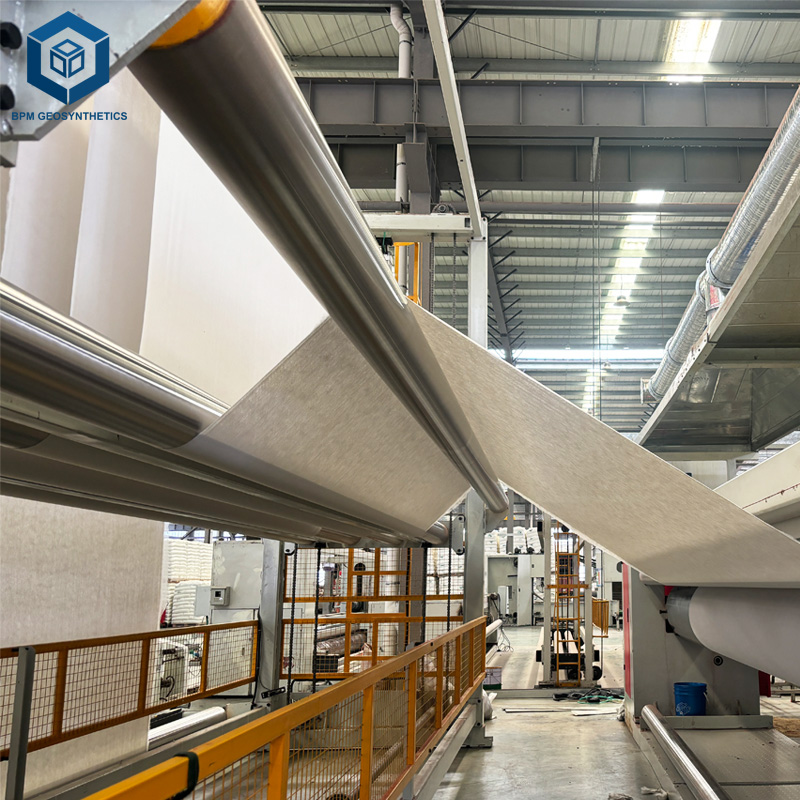
Geotextile Membrane
Geotextile Membrane is a permeable fabric made from BPM geosynthetics, mainly used in civil engineering, construction, and environmental projects. It helps improve soil performance by providing a range of separation, filtration, drainage, and reinforcement functionalities that ensure the soil stays stable over time.
- Separation of different soil layers: It stops the different soils from getting mixed, which helps maintain the structure's strength.
- Filtration & Drainage: The geotextile membrane lets water through but keeps the soil particles from washing away.
- High Strength & Durability: Geotextiles are tough and can handle punctures, tearing, and damage from sunlight and chemicals.
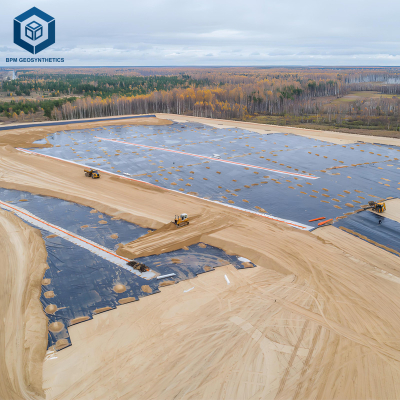
- Extensive usage: The material is fit for making roads, drainage systems, embankments, landfills, landscaping, and controlling erosion.
Geotextile Membrane is a permeable geosynthetic material that is made of high-quality polypropylene (PP) or polyester (PET) fibers and transformed through nonwoven needle-punching or woven methods. The product finds its usage in a broad range of sectors such as civil engineering, environmental conservation, and infrastructure projects where it helps to improve soil performance, drainage, and service life of the constructions.
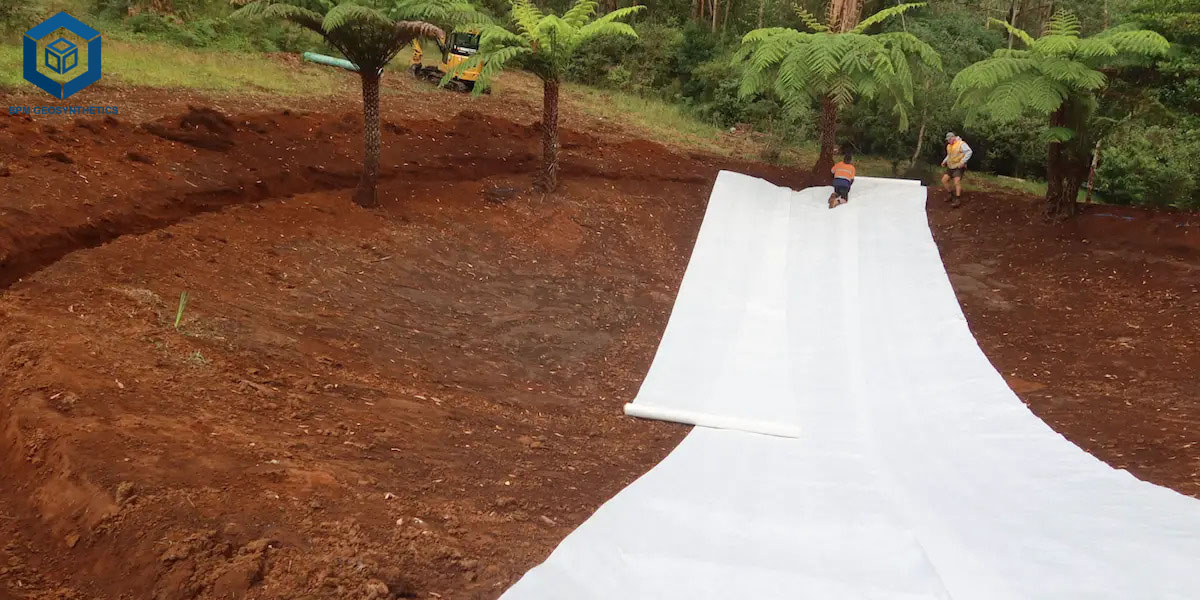
1. Geotextile Membrane Product Functions
Geotextile membranes provide a variety of essential functions when used in soil and aggregate systems. Through their mechanical and hydraulic interactions with the nearby materials, they help the structures to be more efficient and durable over time.
1.1 Separation
The separation capability of non woven geotextile membrane refers to its ability to keep separate and prevent the mixing of dissimilar soil layers, such as the fine-grained subgrade soil and the coarse aggregates.
Continuing to keep different layers separate, the non woven membrane allows the aggregate base to retain its load-bearing capacity and prohibits contamination that could lead to a loss of strength, uneven settlement, and failure of the structure prematurely. Such a feature is necessary for building roads, pavements, and foundations, particularly when the subgrade is soft or weak.
1.2 Filtration
Filtration is about allowing water to pass through a permeable geotextile membrane while the fine particles of the soil are held back.
The geotextile's carefully controlled pore size keeps water flowing while gradually allowing soil particles to be filtered out without the risk of blocking over time. This aids in keeping the soil stable, stopping its erosion, and ensuring drainage that lasts for a long time in cases such as retaining wall, embankment, and subsurface drainage system.
1.3 Drainage
Geotextile membrane drainage support the flow of water both parallel and perpendicular to the soil layers.
Thanks to the efficient drainage that the geotextile drainage membrane gives by removing excess water pressure in the soil, it does not lose its strength, and the risk of instability is minimized. Good drainage will stabilize the slopes, allow foundations to perform better, and keep buildings safe from water-related damages particularly in places that have a high water table or are prone to heavy rainfall.
1.4 Reinforcement
Reinforcement results from tensile strength properties of the ground stabilisation membrane that along with the soil are able to provide better load distribution.
With the geo fabric membrane, part of the force applied is shifted to a greater area and so the single point of stress, deformation, and settlement is lowered. This is the case where the function is necessary in roads, embankments, and structures that carry load as a result of improved soil strength and stable condition for a long time.
2. Geotextile Membrane Material & Manufacturing
The performance and life span of a geotextile membrane are mostly influenced by the quality of the materials used and the manufacturing process. The use of good quality polymers combined with modern manufacturing technologies guarantees that the final product will have a lasting mechanical strength, proper permeability, and reliability over time.
2.1 Raw Materials
Geotextile fabric is made of top-class synthetic fibers that are chosen based on their strength, toughness, and ability to withstand different environmental conditions.
2.1.1 Polypropylene (PP):
Being lightweight, chemically stable, and resistant to acid, alkali, and biological degradation, PP geotextiles, in addition to offering excellent filtration and drainage performance, are extensively utilized in road construction, drainage systems, and landscaping projects.
2.1.2 Polyester (PET):
With significantly higher tensile strength and modulus than PP, PET is perfect for reinforcement applications that require superior load-bearing capacity. In addition, PET geotextiles have a good resistance to creep and long-term deformation.
2.2 Manufacturing Processes
Different manufacturing methods are employed to achieve targeted performance characteristics.
2.2.1 Nonwoven Needle-Punched Process:
Fibers are mechanically locked together by needle punching to form a three-dimensional fabric structure. Non woven geotextile resulting from this process have high permeability, excellent filtration capability, and are highly resistant to puncture.
2.2.2 Woven Process:
Fibers or yarns are woven in a regular pattern to create geofabric with high tensile strength and low elongation, which makes them ideal for soil reinforcement and load distribution applications.
2.3 Surface Structure & Fabric Types
The surface structure of the geotextile membrane dictates its interaction with soil and aggregates.
2.3.1 Smooth Surface:
Offers uniform filtration and drainage, thus geotextile filter fabric is mostly used in separation and drainage applications.
2.3.2 Textured or Rough Surface:
As a result, reinforcement performance and slope stability are increased due to the increased friction and interlock with the surrounding materials.
2.4 Quality Control & Consistency
High quality is ensured by following strict quality control procedures at all stages of the manufacturing process.
- Raw material inspection and batch traceability
- In-process monitoring of weight, thickness, and tensile strength
- Finished product testing for permeability, puncture resistance, and elongation
- Compliance with international standards such as ASTM, ISO, and EN
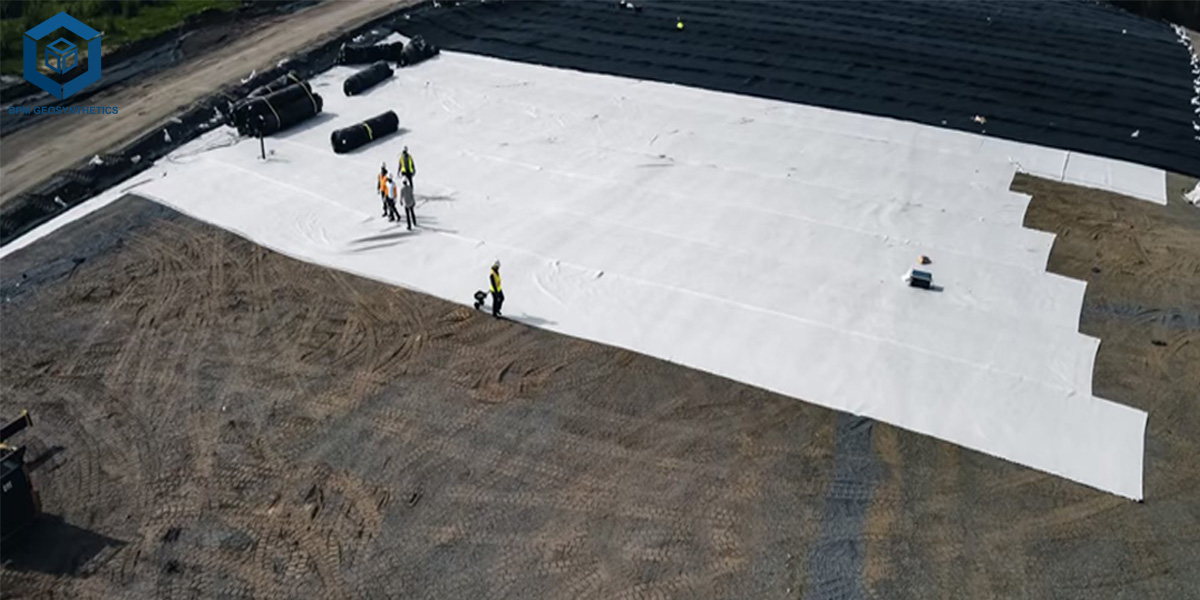
3. Geotextile Membrane Specifications (Customizable)
The specifications of a geotextile membrane can be adapted in a flexible manner to accommodate various engineering requirements, soil conditions, and construction methods. Choosing the right specifications guarantees the most effective performance and longest durability.
3.1 Weight (Mass per Unit Area)
- Standard Range: 80–800 g/m²
A geotextile's weight dictates its mechanical strength, resistance to puncture, and overall lifespan.
Typically, the less heavy geo fabric is used for filtration, separation, and landscaping where a high degree of permeability is a must.
The heavier non woven geotextile fabric offer better tensile strength and durability, thus, are perfect for reinforcement, slope stabilization, and protective layers in harsh conditions.
3.2 Roll Width
- Maximum Width: Up to 6.0 m
Less seams and overlaps during the installation is one of the benefits of wider rolls, thus making the construction more efficient and reducing the risk of weak points.
To match project dimensions, decrease on-site cutting and lower material waste, custom roll widths can be provided.
3.3 Roll Length
- Standard Length: Customized according to project needs
For greater areas rolled out, using longer lengths is more advantageous as it allows for quicker spreading and at the same time, more even performance over the entire site.
By selecting custom roll lengths, not only can the container loading be optimized but also the transportation efficiency.
3.4 Color Options
- Standard Colors: White, Black
- Optional Colors: Orange and other custom-made colors are available on request
Pick a color to thus aid the visibility during the installation, enhance the safety on-site as well as help in the identification of the project or quality control.
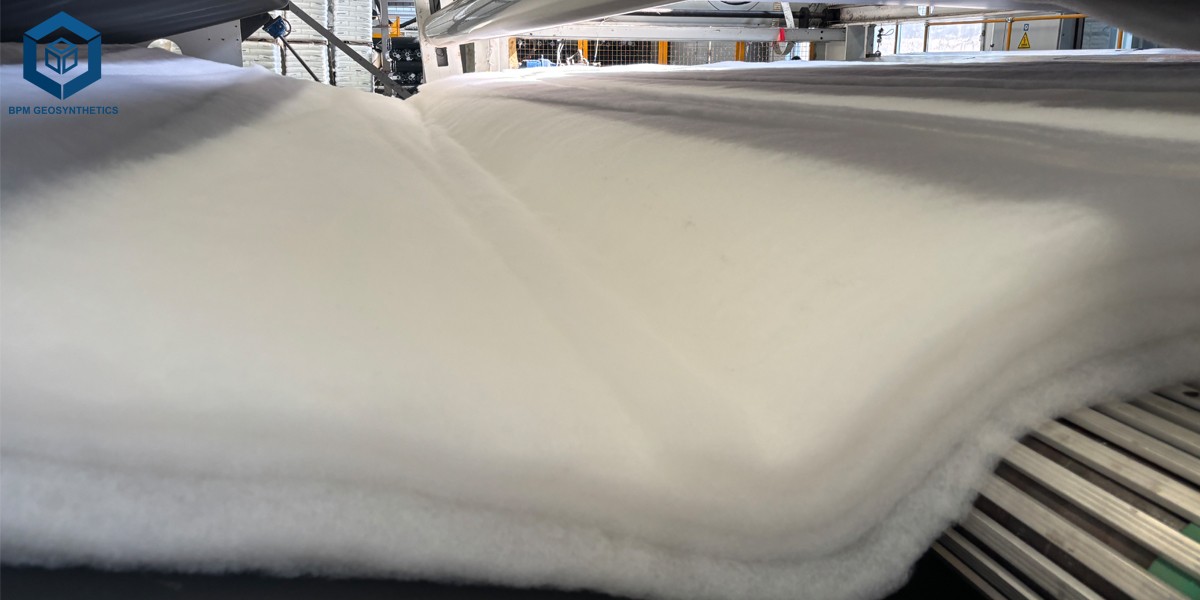
4. Geotextile Membrane Packaging & Delivery
No geotextile materials should be damaged, gotten wet or contaminated in the construction site. Besides, handling, storage, and installation on site should also be made easy by proper packaging and delivery.
4.1 Packaging Materials
- Wrapped with Woven Bags or PE Film.
Typically, high-strength woven polypropylene bags or polyethylene (PE) film are used for standard packaging to keep the geo fabric material intact and safe from contamination in the form of dust, moisture, and even mechanical damage during transportation.
If the shipment involves rough handling and harsh environmental conditions, the packaging may be upgraded from waterproof wrapping to reinforced cartons for long-distance exports, etc.
4.2 Product Labeling
- Labeled Clearly with the Details of the Product.
The label on each roll contains the production batch number, weight (g/m²), the width and length of the roll and the material type (PP or PET).
Each material's first-in-first-out (FIFO) stock flow, better inventory control, and always adhering to the project specifications for material installation are achieved by proper product label.
4.3 Shipment & Delivery
- Capable of Container and Bulk Shipment.
The rolls of geo textile material is packed in a way to either the shipping containers' dimensions or can alternatively be shipped in bulk if the order is large.
Packaging that is appropriately sized and in the form of rolls makes it possible to load and unload quickly thus less exposure that leads to damage.
The delivery methods can be modified according to the needs of projects such as FOB, CIF, or shipping directly to the site.
5. Geotextile Membrane FAQ
Q1: How should one store geotextile membrane?
Keep it in a place protected from moisture and sun, and, if possible, either put it on pallets or stand it against a wall; also, keep it away from chemicals and sharp objects.
Q2: Is it possible to use geotextile membrane in water-related applications?
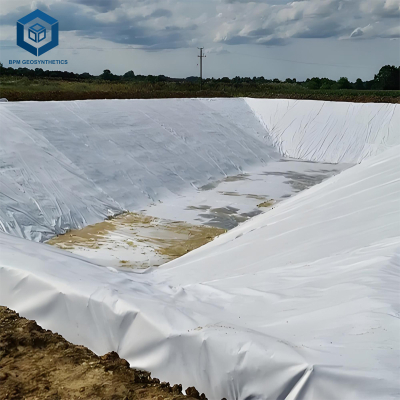
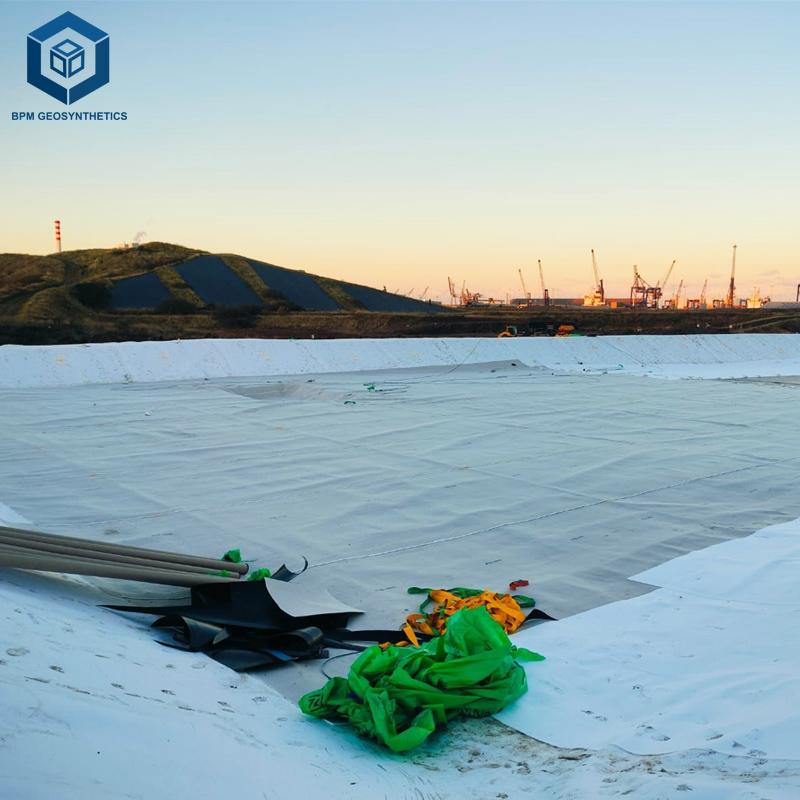
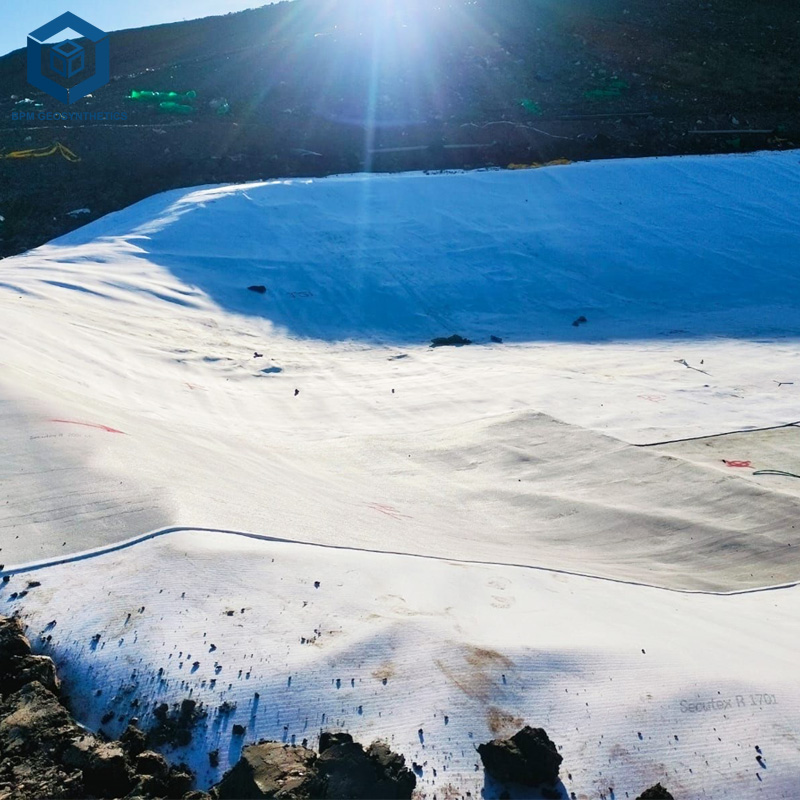
Definitely, it is a good choice for drainage, retaining walls, riverbanks, and landfill liners.
Q3: What is the procedure for installing geotextile membrane?
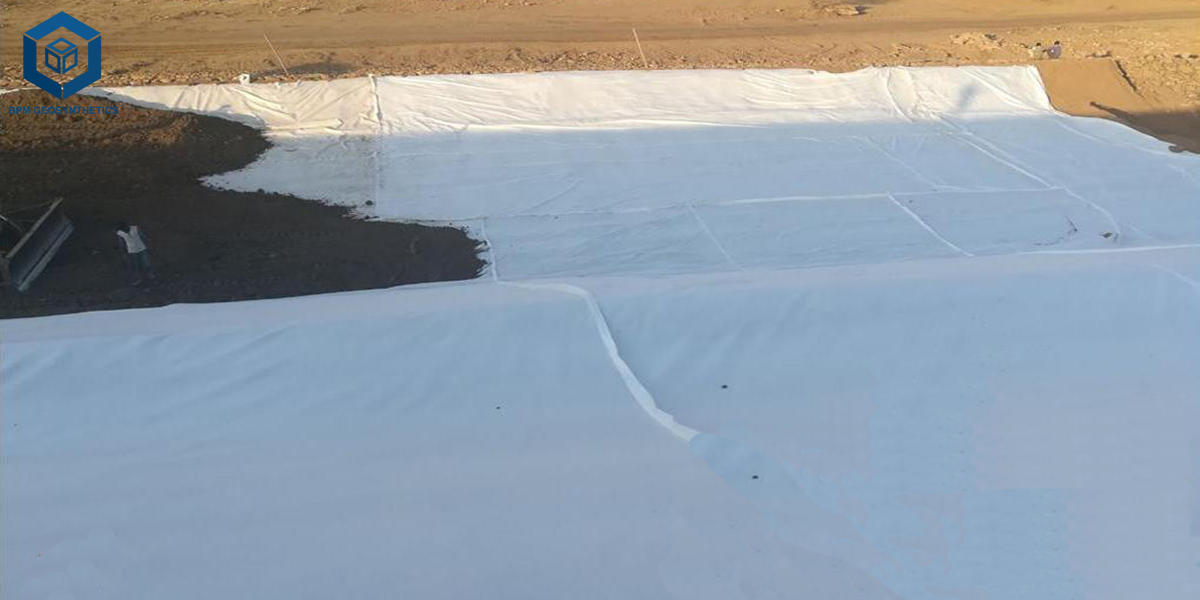
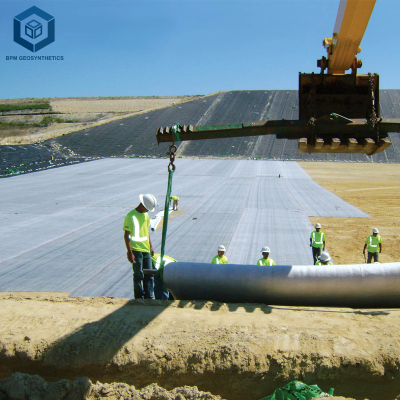
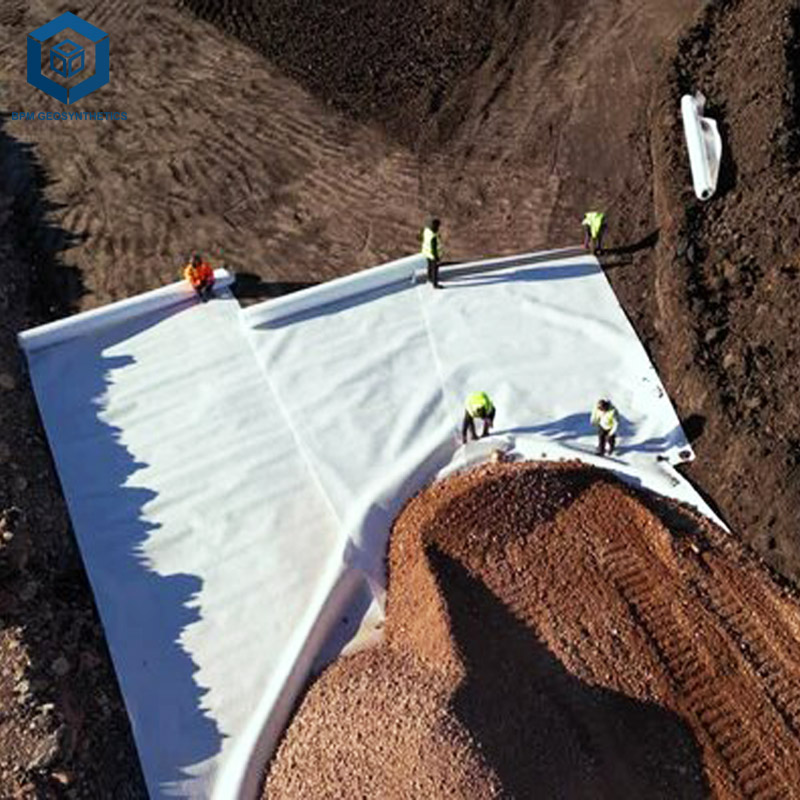
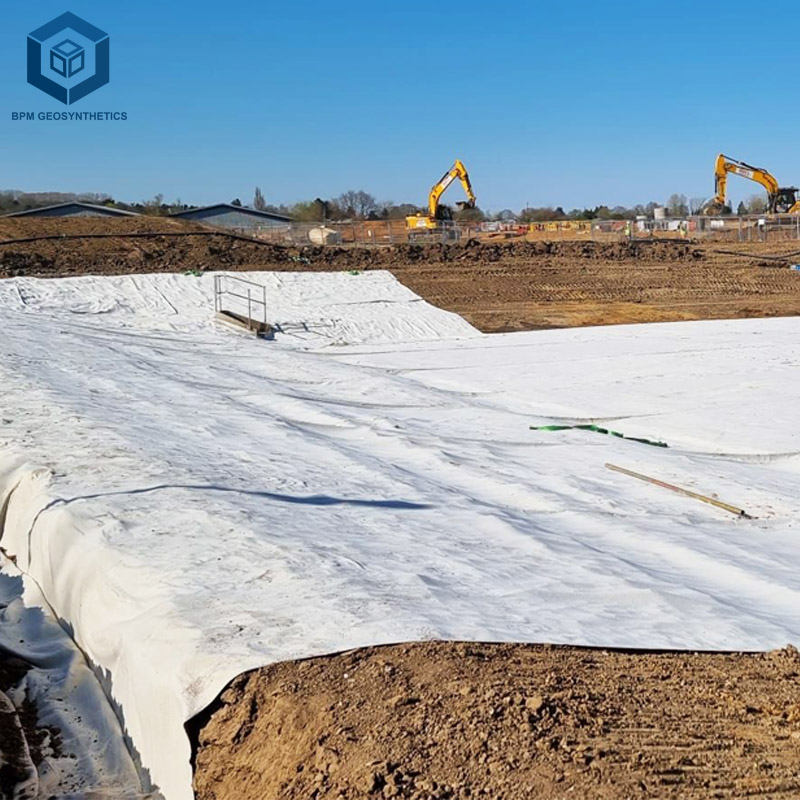
After subgrade is graded, the fabric is laid, with edges overlapped, then fastened with pins or staples, subsequently covered with soil, gravel or aggregate.
Q4: What is the service life?
Generally, about 20 to 50 years based on the type of the material and the situation of the installation.
Q5: Does geotextile membrane harm the environment?
No, it is a permeable product, which can be recycled, and the use of materials can be reduced, runoff and erosion thus minimized.
Summary
The Best Project Material Co., Ltd.(BPM Geosynthetics)Geotextile Membrane combine high-quality material, advanced technology, and successful performance to offer products that meet the needs of separation, filtration, drainage, and reinforcement activities. Thanks to the highly customizable product specifications and extensive product applications, BPM products promote the easy provision of solutions and productivity in a wide range of applications such as civil, environmental, and landscaping projects, where durability, installation convenience, and performance are the key criteria. When you opt for BPM, you are actually partnering with the best quality, the most reliable results, and the most competent team that can support you in any of your projects.