Geotextile for Erosion Control
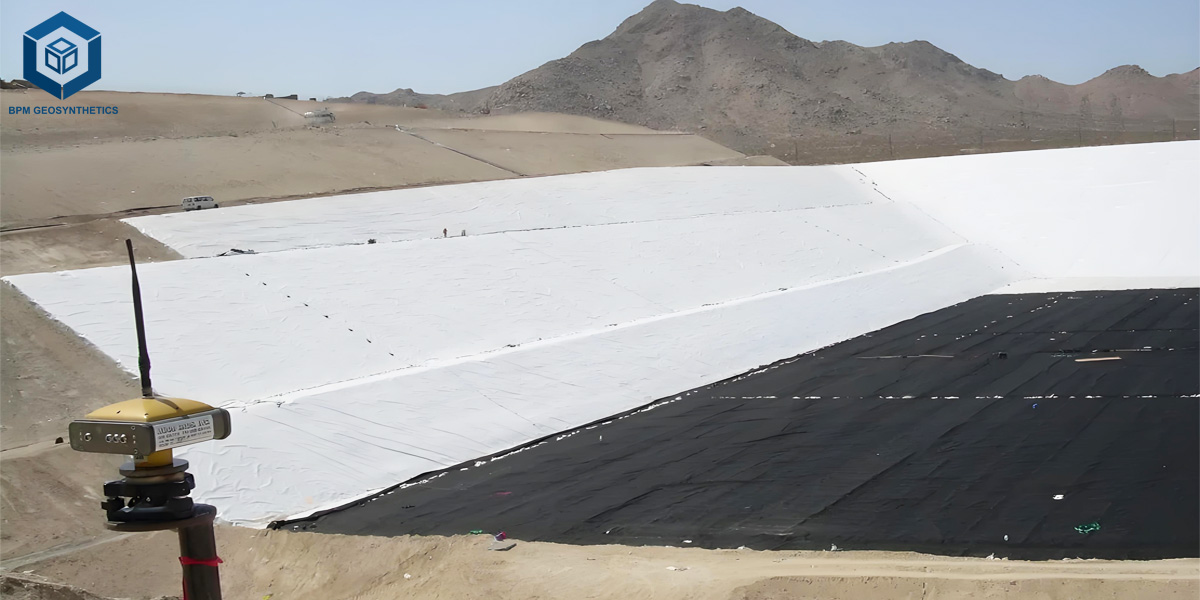
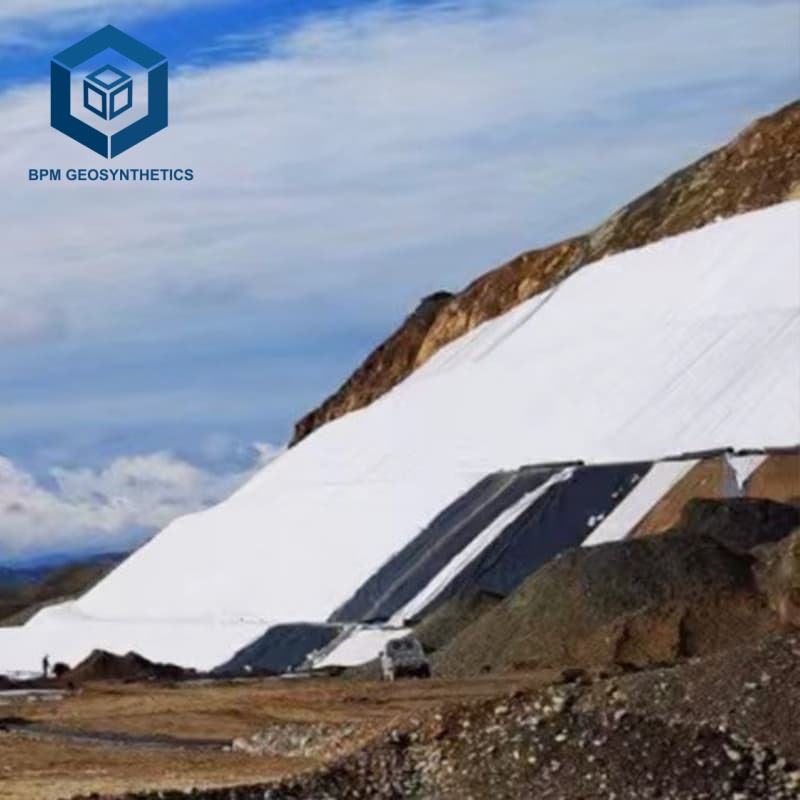
Our geotextile for erosion control provides high-strength ground stabilization and slope protection. It lets groundwater pass through freely while trapping fine soil, effectively preventing soil washout and slope failure.
- High Permeability: Drains water fast to relieve water pressure without losing fine soil.
- Tear & Puncture Proof: Resists heavy rock dumping and site equipment traffic.
- UV & Chemical Durable: Built with UV-stabilized polypropylene to resist sun and harsh soil.
- Fast Installation: Easy-to-unroll format cuts on-site labor and material waste.
- ASTM Compliant: Supplied with certified test reports for quick project approval.
Whether you are stabilizing a muddy slope, reinforcing a retaining wall, or preventing soil washout along a riverbank, off-the-shelf landscaping fabric just won't hold up.
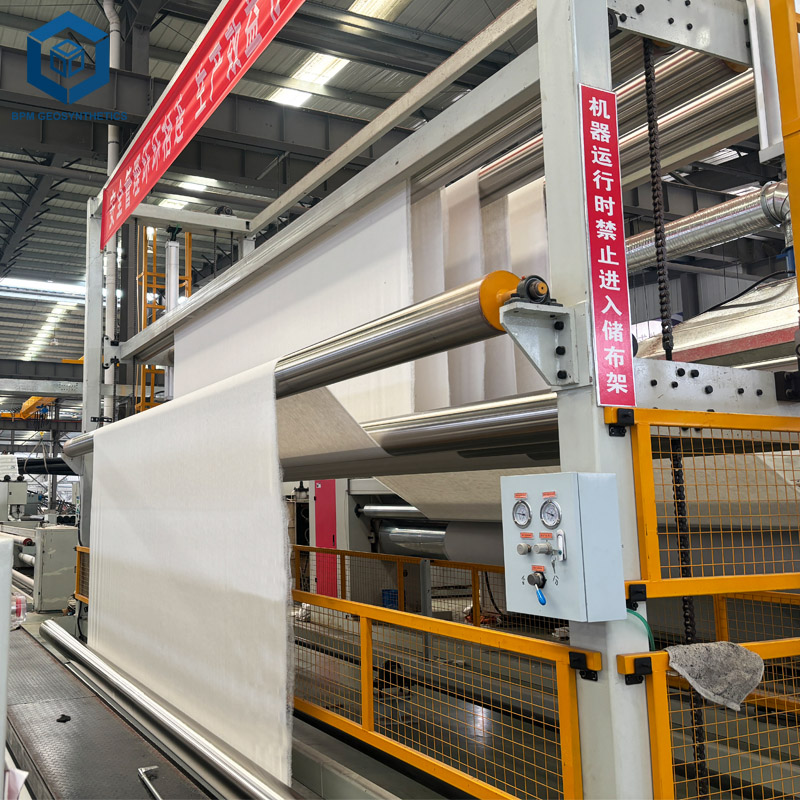
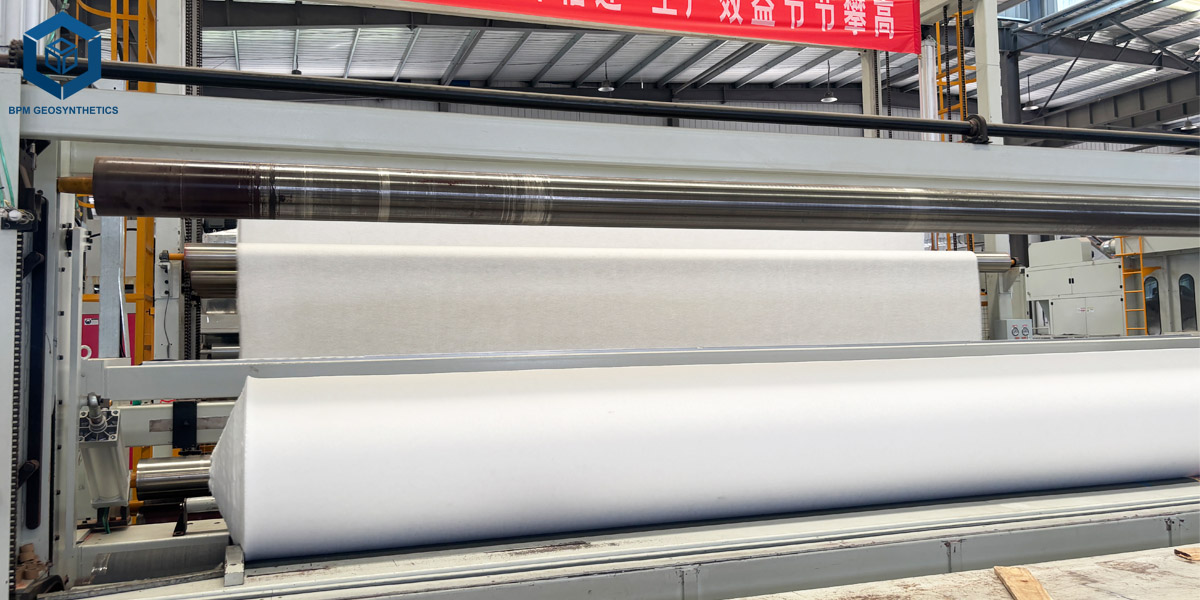
Our geotextile for erosion control is needle-punched from high-tenacity polypropylene fibers. It combines extreme tensile strength with high-flow permeability, giving you maximum soil retention without creating water pressure traps. Stop replacing washed-out soil and start building ground stability that lasts for decades.
Engineered for Tough Terrains. Built to Protect Your Project and Budget.
1. Key Value Drivers of Our Geotextile for Erosion Control
When sourcing ground materials for critical infrastructure, decision-making comes down to compliance, structural reliability, and cost-efficiency. Our geotextile fabric for erosion control is engineered to simplify compliance and minimize lifecycle project costs through superior physical performance.
1.1 High-Volume Water Flow with Precision Soil Retention
Water build-up behind slopes and retaining walls creates hydrostatic pressure—the leading cause of structural failure. Our continuous-filament non-woven design provides exceptional high-flow water permeability while acting as a micro-fine filter. It allows ground moisture to drain naturally while retaining fine soil particles, effectively eliminating soil piping, piping erosion, and internal system clogging.
1.2 Superior Tear, Puncture, and Stress Resistance
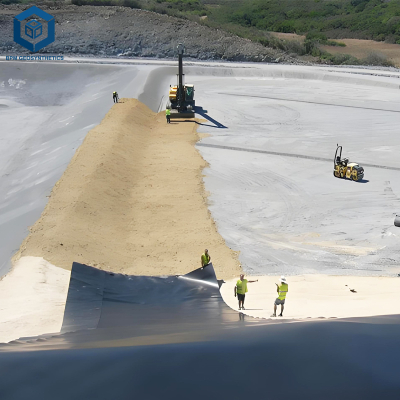
Site installation places extreme physical stress on geotextiles. Engineered with high tensile strength and burst resistance, this geotextiles soil erosion control is built to withstand direct aggregate dumping, heavy riprap placement, and sharp rock bases. It resists tearing under heavy machinery track loads, ensuring uninterrupted coverage without costly patch repairs during construction.
1.3 Long-Term UV and Chemical Degradation Protection
Unprotected synthetic materials degrade rapidly when exposed to sunlight or aggressive soil chemistry. Formulated with advanced UV stabilizers and high-purity polypropylene, our material withstands extended sun exposure before backfilling. Geotextile fabric is chemically inert, resisting degradation from soil acids, alkalis, road salts, biological growth, and chemical runoff for decades underground.
1.4 Optimized Roll Formats for Faster Site Installation
Labor costs and equipment downtime heavily impact profit margins. Our rolls are precision-wound and balanced for uniform weight distribution, allowing work crews to deploy large surface areas smoothly and efficiently. This reduces installation time, lowers manual labor hours, minimizes overlap waste, and keeps your project moving ahead of schedule.
1.5 Full Specification Compliance for Streamlined Inspections
Failing site inspections due to substandard material submittals causes expensive project delays. Our fabric geotextile products strictly meet ASTM and international civil engineering standards. Every shipment includes certified Product Data Sheets (PDS) and lot-tracked testing reports, ensuring seamless submittal approvals by site engineers and local municipal inspectors.
2. Geotextile for Erosion Control Technical Specifications (At a Glance)
Feature | Standard Heavy-Duty Grade | High-Load Civil Grade |
Material | 100% Continuous Filament Polypropylene | 100% Needle-Punched Polypropylene |
Weight Options | 4 oz/sq. yd (135 gsm) / 6 oz/sq. yd (200 gsm) | 8 oz/sq. yd (270 gsm) / 10 oz/sq. yd (340 gsm) |
Water Flow Rate | ~110 gpm/ft² | ~90 gpm/ft² |
UV Resistance | >70% retention after 500 hrs | >70% retention after 500 hrs |
Roll Sizes | 12.5 ft x 360 ft / 15 ft x 300 ft | 12.5 ft x 360 ft / 15 ft x 300 ft |
3. Ideal Applications of Geotextile for Erosion Control
Whether managing harsh environmental runoff or engineering heavy civil works, choosing the right geotextile layer ensures structural integrity and long-term erosion prevention.
3.1 Slope Stabilization & Embankments
Steep hillsides, highway cut slopes, and railway embankments are highly vulnerable to rain scour and sheet erosion. Installing non woven geotextile fabric directly under topsoil or vegetation mats prevents surface runoff from carving out gullies. It locks fine soil particles in place while allowing rainwater to infiltrate naturally, establishing a stable foundation for root growth and long-term hillside retention.
3.2 Retaining Wall Drainage & Soil Filtration
Hydrostatic pressure build-up behind retaining walls is a leading cause of structural cracking and wall failure. Placed as a vertical or horizontal backing layer behind segmental blocks or concrete walls, the geo fabric allows groundwater to pass through to the drainage gravel while holding back fine backfill soil. This stops fine soil from clogging perforated collector pipes and prevents sinkholes from forming behind the wall.
3.3 Riprap Cushioning & Shoreline Protection
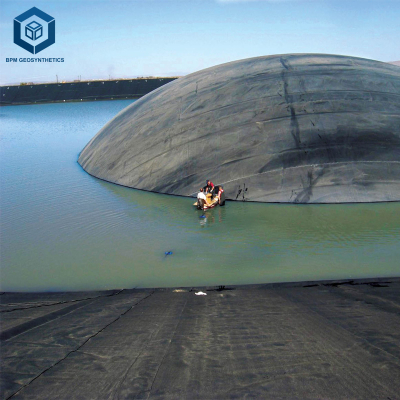
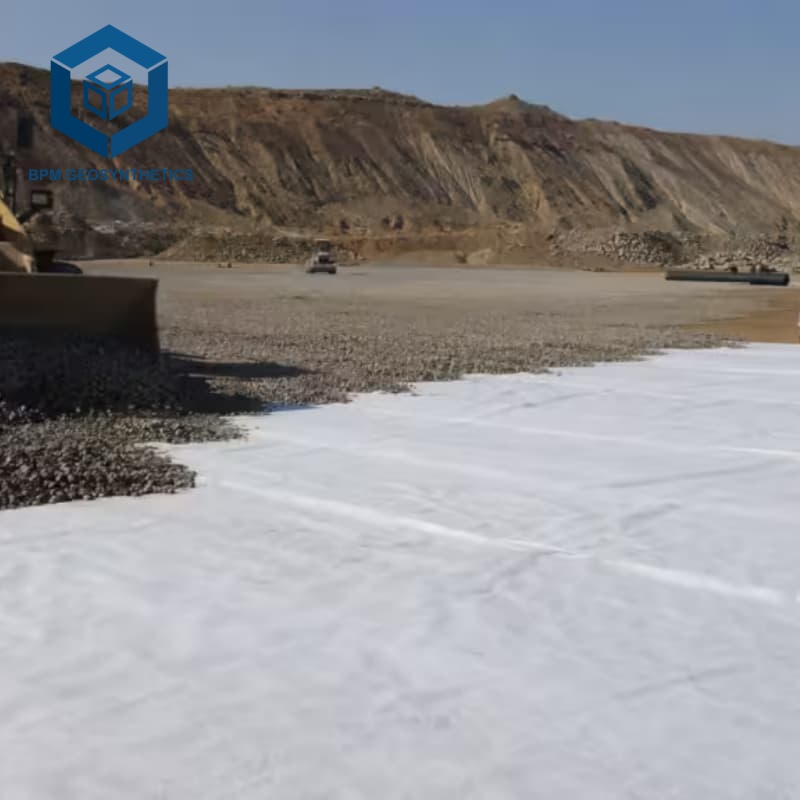
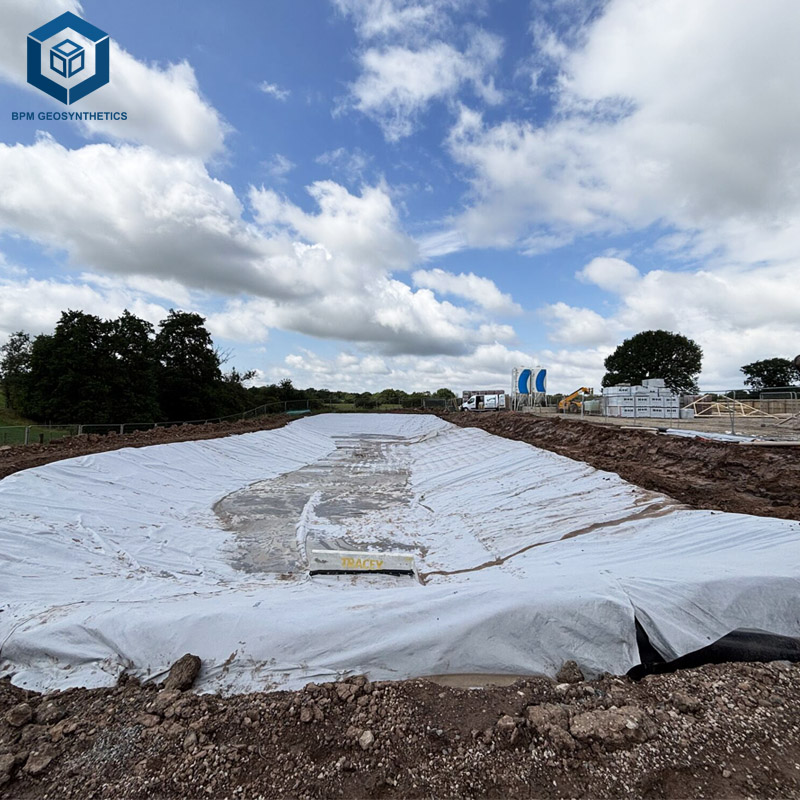
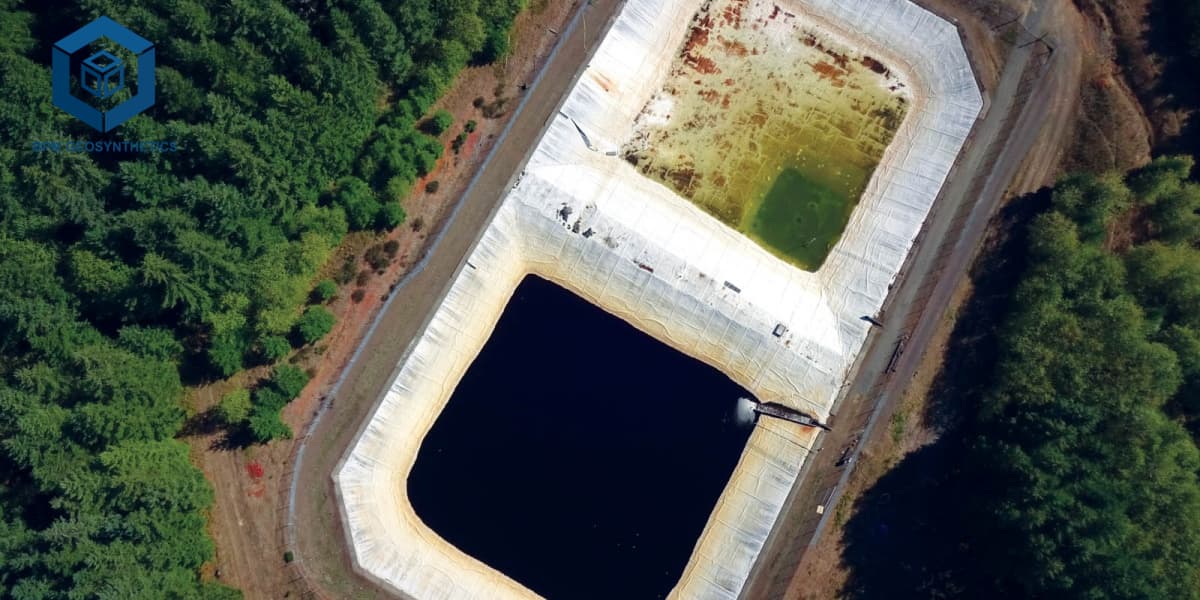
Coastal shorelines, riverbanks, and pond banks face continuous hydraulic impact from wave action, currents, and fluctuating tides. Placed beneath heavy armor stone or riprap, the high-strength non-woven fabric serves a dual purpose: it acts as a puncture-resistant cushion to protect the subgrade from impact damage and prevents underground sand and fine soil from washing out between the rocks.
3.4 French Drains & Subsurface Drainage Systems
Subsurface French drains and trench drains frequently fail when surrounding silt and clay migrate into perforated pipes, causing system blockages. Wrapping trench walls and drain rock with non woven geotextile creates a permanent filtering envelope. It keeps fine sediment and mud out of the gravel bed, maintaining maximum water flow velocity and eliminating expensive drain flushouts or pipe replacements.
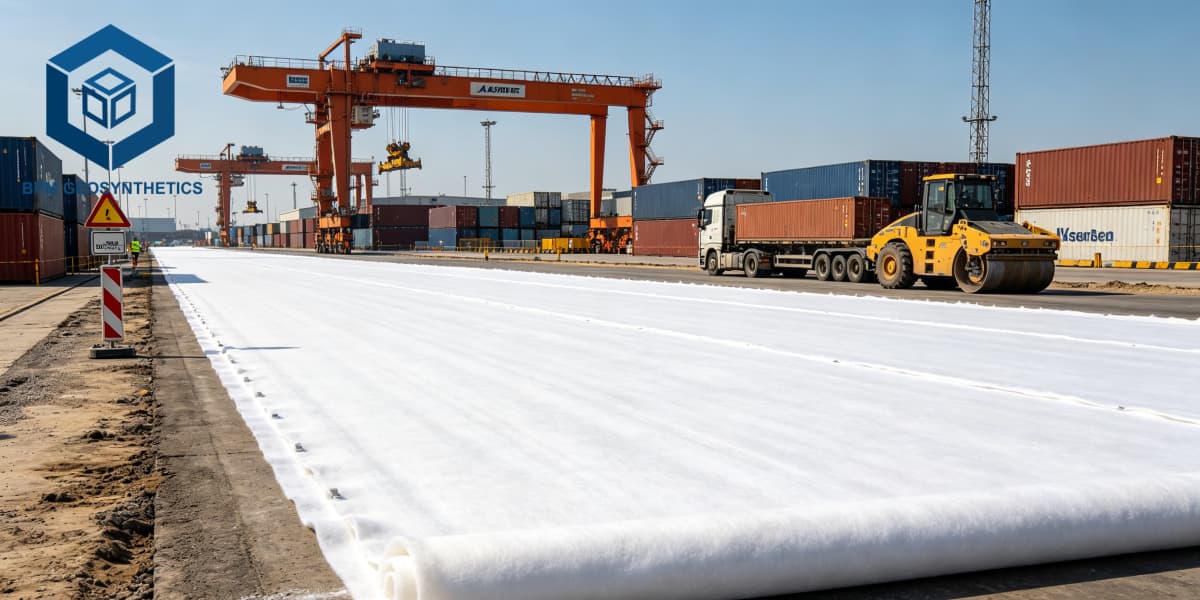
3.5 Driveway, Haul Road & Unpaved Base Separation
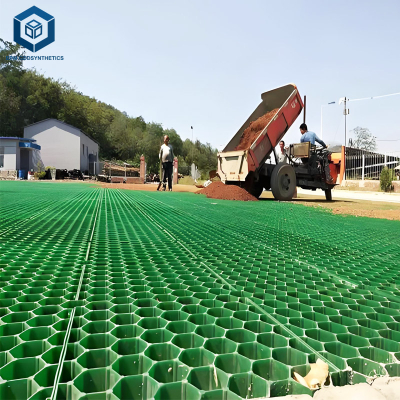
Heavy vehicular loads over unpaved access roads, construction haul routes, and driveways push aggregate gravel down into wet subgrade soil, causing deep ruts, pot holes, and gravel loss. Laying nonwoven geotextile fabric between the native subgrade soil and the crushed aggregate base creates a clean separation barrier. It distributes wheel loads evenly across a wider area, cuts down gravel top-up costs, and keeps the road base firm and stable.
4. How to Install Geotextile for Erosion Control? (Field Guide)
Following proper site installation procedures ensures the fabric maintains continuous intimate contact with the subgrade soil, preventing water from undercutting the material or causing localized slope failure.
4.1 Site Preparation & Subgrade Grading:
Step 1: Surface Clearing.
Clear the target installation area of sharp rocks, large tree roots, vegetation, and loose debris that could puncture the fabric during placement. Grade and compact the subgrade soil to create a smooth, even surface. Fill deep ruts or void spaces to ensure intimate contact between the geotextile and the soil bed.
4.2 Fabric Unrolling & Anchor Trench Alignment:
Step 2: Deployment.
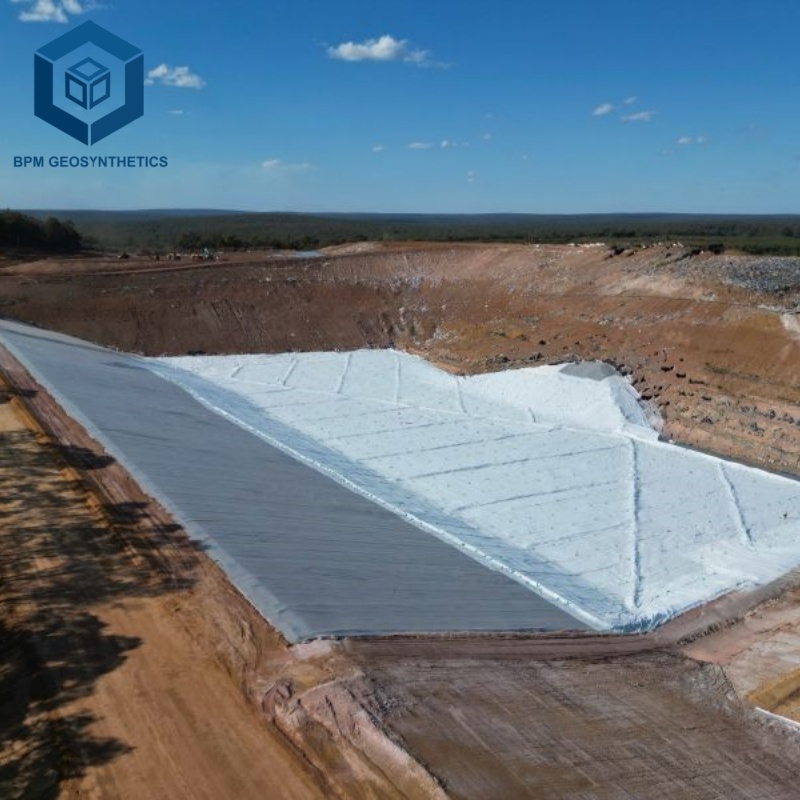
Unroll the geo fabric material parallel to the direction of water flow or downward slope angle. For steep slopes, dig a 6-inch to 12-inch anchor trench at the crest of the hill, lay the top edge of the fabric inside, backfill, and compact to prevent surface water from running underneath. Keep the sheet taut and smooth to eliminate wrinkles and air gaps without over-stretching.
4.3 Seam Overlapping Standards:
Step 3: Overlapping.
Overlap adjacent rolls by at least 12 to 18 inches along side and end seams to guarantee continuous soil filtration. For soft mud, marshy conditions, or underwater riprap applications, increase the overlap to 24 to 36 inches (or employ factory field-sewing/welding) to prevent seam separation under heavy equipment loads.
4.4 Anchoring with Pins & Sod Staples:
Step 4: Securing.
Drive steel anchor pins or U-shaped soil staples along all overlaps and perimeter edges every 3 to 5 feet. On steep embankments or high-wind sites, space pins every 2 to 3 feet in a staggered grid pattern to keep the geotextile locked firmly against the ground before backfilling.
4.5 Backfilling & Cover Placement:
Step 5: Aggregates & Cover.
Cover the installed fabric with aggregate, gravel base, riprap, or topsoil as soon as possible. Avoid driving heavy construction equipment directly over bare, uncovered geofabric—maintain a minimum 6-inch initial lift of aggregate cushion over the fabric before allowing machinery to pass.
5. Geotextile for Erosion Control: Packaging & Logistics
Efficient packaging and container optimization reduce landed freight costs and safeguard materials against environmental damage during long-distance transits. Our export packaging is tailored for harsh maritime shipping conditions and rapid job-site unloading.
5.1 Heavy-Duty Protective Export Packaging
Each geotextile roll is tightly wound onto a high-crush-strength 3-inch (76mm) heavy-duty cardboard core. Rolls are double-wrapped in 100% waterproof, UV-stabilized woven Polyethylene (PE) or Polypropylene (PP) protective sleeves. This dual-layer weather barrier shields the fabric from salt spray, moisture accumulation, dirt contamination, and UV breakdown during prolonged outdoor site storage.
5.2 Standard Roll Dimensions & Unit Weights
To accommodate diverse project specifications and container footprints, standard rolls are manufactured in master widths of 12.5 ft (3.81 m) and 15 ft (4.57 m), with standard roll lengths of 300 ft (91.4 m) or 360 ft (109.7 m). Individual roll gross weights range from 95 lbs (43 kg) for 4 oz fabrics to 240 lbs (109 kg) for 10 oz civil-grade fabrics, allowing flexible manual or mechanical site maneuvering.
5.3 Container Load Optimization & Freight Efficiency
We utilize high-pressure hydraulic roll compression technology to maximize container space utilization without permanently distorting fabric thickness or hydraulic properties. Strategic nested loading patterns yield up to 25% higher cubic yield per container:
5.3.1 20 Feet GP Container:
Accommodates approx. 32 to 38 master rolls (~14,000 to 18,000 sq. yards depending on fabric weight class).
5.3.2 40 Feet HQ Container:
Accommodates approx. 80 to 92 master rolls (~35,000 to 45,000 sq. yards), significantly reducing ocean freight cost per square yard.
5.4 Customized Labeling, Barcoding & Traceability
Every individual roll features dual weather-resistant vinyl identification labels attached on both the outer protective sleeve and inner cardboard core. Barcoded labels display product weight (GSM/oz), roll dimensions, lot/batch number, production date, and ASTM compliance tracking. Custom private-label branding, OEM logos, and project-specific batch tags are available upon request for large municipal tenders.
5.5 Global Shipping, Warehousing & Site Delivery Logistics
We provide comprehensive international shipping solutions under flexible Incoterms including standard FOB, CIF, CFR, and door-to-door DDP to job sites worldwide. Rolls can be shipped as loose-loaded units for maximum container yield or pre-strapped onto heavy-duty wooden pallets / slings equipped with lifting belts for rapid crane or forklift offloading on job sites with minimal equipment.
6. Geotextile for Erosion Control FAQ (Frequently Asked Questions)
Q1: Should I choose Woven or Non-Woven Geotextile for erosion control?
A: For drainage, filtration, and slope erosion control, Non-Woven is almost always the right choice because water flows through it easily while trapping soil particles. Woven fabrics are better suited for heavy load separation (like under paved highways) where drainage is secondary.
Q2: Can we custom-order roll lengths or weights for our specific project spec?
A: Yes. We offer custom roll widths, lengths, and GSM weights to meet specific municipal or engineering tender requirements.
Q3: How does this cut overall project costs?
A: By preventing gravel sinkage and soil washout, you reduce the volume of expensive aggregate base required and eliminate costly rework or repair calls down the road.
7. Ready to Quote Your Next Project?
We offer bulk pricing, custom roll sizing, and fast job-site delivery.
Contact The Best Project Material Co., Ltd. (BPM Geosynthetics) technical sales team today to request a free sample kit, product data sheets (PDS), or a direct factory quote for your upcoming tender.