What is HDPE Membrane Price?
1. What is HDPE Membrane?
It is very important to understand what makes HDPE membrane the preferred material for critical containment applications before discussing its pricing aspects. HDPE geomembranes are synthetic liners made from high-density polyethylene resin. They generally consist of 97.5% of virgin polyethylene, 2–3% of carbon black, and certain additives including UV stabilizers and antioxidants
This very formulation results in the product having outstanding properties: hydraulic conductivity as low as 1 × 10⁻¹² cm/s, tensile strengths from 20 to 53 kN/m, and puncture resistance between 400 and 1,200 Newtons depending on thickness .
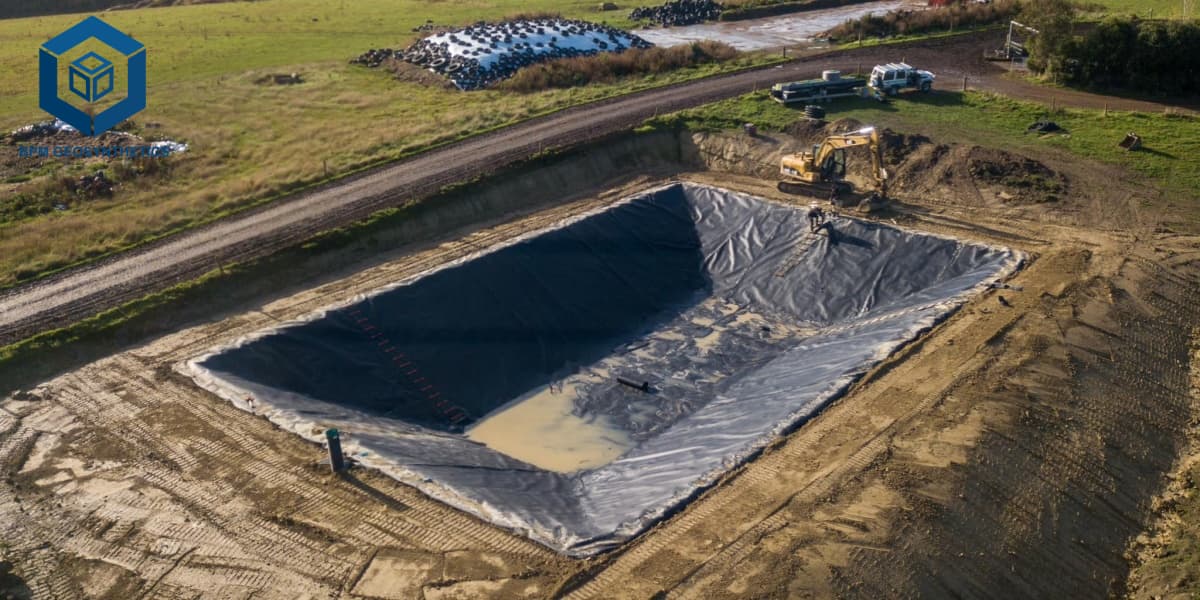
HDPE geomembranes’ popularity is proven by the diversity of the sectors which use them. They serve as the impermeable barriers in waste management that prevent leachate from contaminating the groundwater - a function so critical that it is estimated that 60% of the world's landfills use HDPE liners . In mining, these membranes are used for pad heap leaching, tailings containment, etc., with the mining sector representing about 25% of the demand for geomembranes globally . The aquaculture sector has also adopted HDPE liners extensively and farmers using fish-safe formulations certified to NSF/ANSI 61 report up to 100,000 liters per hectare daily reduction in water loss as well as 20-25% increase in production .
More importantly, HDPE geomembranes are very durable. Correct installation and maintenance of virgin HDPE liners buried applications can offer 40 to 100 years of reliable service and some premium formulations could even be designed for more than 120 years of life . Such outstanding durability together with excellent chemical resistance to a wide pH range of 2 to 12 makes HDPE much cheaper as a solution when considering the total life cycle cost.
2. Current HDPE Membrane Price Ranges in 2026
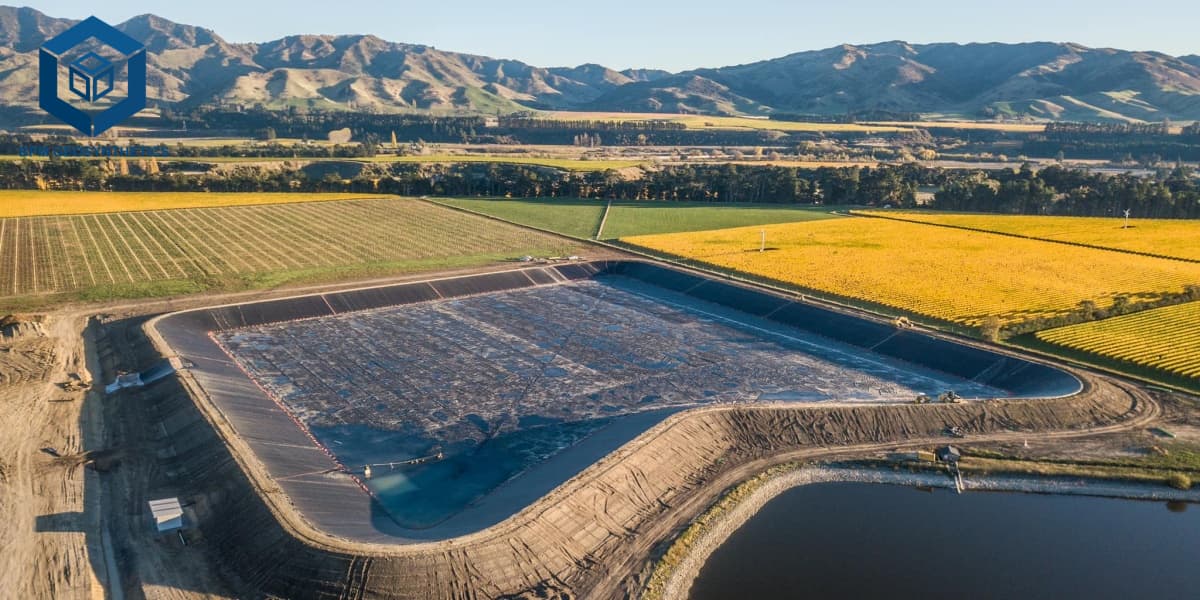
Based on comprehensive market analysis from leading manufacturers including BPM Geosynthetics, Solmax, and GSE, HDPE geomembrane pricing in 2026 exhibits significant variation based on thickness, quality grade, and order volume. The following table synthesizes current ex-works pricing (excluding freight, installation, and taxes) for standard smooth HDPE liners :
Thickness | Price Range (USD/m²) | Typical Applications |
0.5 mm (20 mil) | $0.50–$1.50 | Aquaculture ponds, irrigation canals, temporary covers |
0.75 mm (30 mil) | $0.90–$2.50 | Decorative ponds, secondary containment |
1.0 mm (40 mil) | $1.50–$3.50 | Water reservoirs, stormwater basins |
1.5 mm (60 mil) | $2.00–$5.00 | Landfill base liners, mining tailings, wastewater lagoons |
2.0 mm (80 mil) | $2.50–$7.50 | High-risk landfills, hazardous waste containment |
3.0 mm (120 mil) | $5.00–$20.00 | Extreme chemical containment, critical infrastructure |
It is important to note that these prices represent material costs only. Total installed project costs typically add 20–50% to material expenses, encompassing site preparation, welding labor, quality assurance testing, and geotextile underlayment where specified .
3. Critical Factors Influencing HDPE Membrane Price
3.1 Thickness as the Primary Cost Driver
Thickness represents the single most significant determinant of HDPE geomembrane pricing, directly correlating with material consumption, mechanical properties, and long-term performance. The relationship between thickness and cost is approximately linear for standard ranges, with each 0.5 mm increment typically increasing material costs by 40–100% .
Thicker membranes deliver proportionally enhanced performance characteristics. A 2.0 mm liner offers puncture resistance of 640–960 N compared to approximately 200–300 N for 0.5 mm material, while tensile strength at yield increases from 11 kN/m to 29 kN/m . For high-risk applications such as hazardous waste landfills or mining heap leach pads exposed to sharp rock substrates, this additional robustness justifies the premium pricing by reducing lifecycle failure risks by 30–50% .
3.2 Virgin vs. Recycled Resin: Quality Premiums and Lifecycle Economics
The choice between virgin and recycled HDPE resin represents a fundamental trade-off between upfront cost and long-term reliability. Virgin HDPE, manufactured from first-use polyethylene and meeting strict standards such as GRI-GM13, commands a 20–40% price premium over recycled alternatives . A 1.5 mm virgin HDPE liner typically costs $2.00–$2.50/m², while recycled equivalents may range from $1.20–$1.80/m² .
However, this upfront premium delivers substantial long-term value. Virgin HDPE liners exhibit superior UV resistance, consistent thickness tolerances (typically ±3–5%), and extended service lives of 40–100 years compared to 5–15 years for recycled materials . When evaluated on an annualized cost basis, virgin HDPE at $3.00/m² over 40 years yields $0.075/m²/year, while recycled material at $1.50/m² over 15 years costs $0.10/m²/year—representing a 25% lifecycle cost advantage for virgin material .
3.3 Surface Texture: Smooth vs. Textured Liners
Surface finish significantly influences both material cost and application suitability. Smooth HDPE geomembranes, priced at $0.50–$3.00/m² depending on thickness, are optimal for flat or gently sloping applications such as pond bottoms and reservoir floors. Textured geomembranes—featuring a rough surface on one or both sides—add $0.30–$1.20/m² to base pricing but deliver critical friction coefficients of 0.6–0.8 for slope stability .
The premium for textured surfaces is justified in applications where liner stability on slopes exceeds 3:1. In mining heap leach pads and landfill side slopes, textured geomembranes reduce sliding risk by 30–50% compared to smooth alternatives, preventing catastrophic containment failures that can cost millions in remediation .
3.4 Order Volume and Economies of Scale
Bulk purchasing represents one of the most effective strategies for reducing per-unit HDPE geomembrane costs. Manufacturers typically structure volume discounts across tiered thresholds :
Order Volume | Typical Discount | Price Impact |
Small (<10,000 m²) | 0–5% | Highest per-unit cost |
Medium (10,000–50,000 m²) | 10–20% | Competitive rates |
Large (50,000–100,000 m²) | 20–30% | Significant savings |
Mega (>500,000 m²) | 30–45% | Maximum economies |
For major infrastructure projects, consolidating procurement across multiple sites or partnering with neighboring projects to achieve higher volume thresholds can yield savings of 15–25% on material costs .
3.5 Geographic and Logistics Considerations
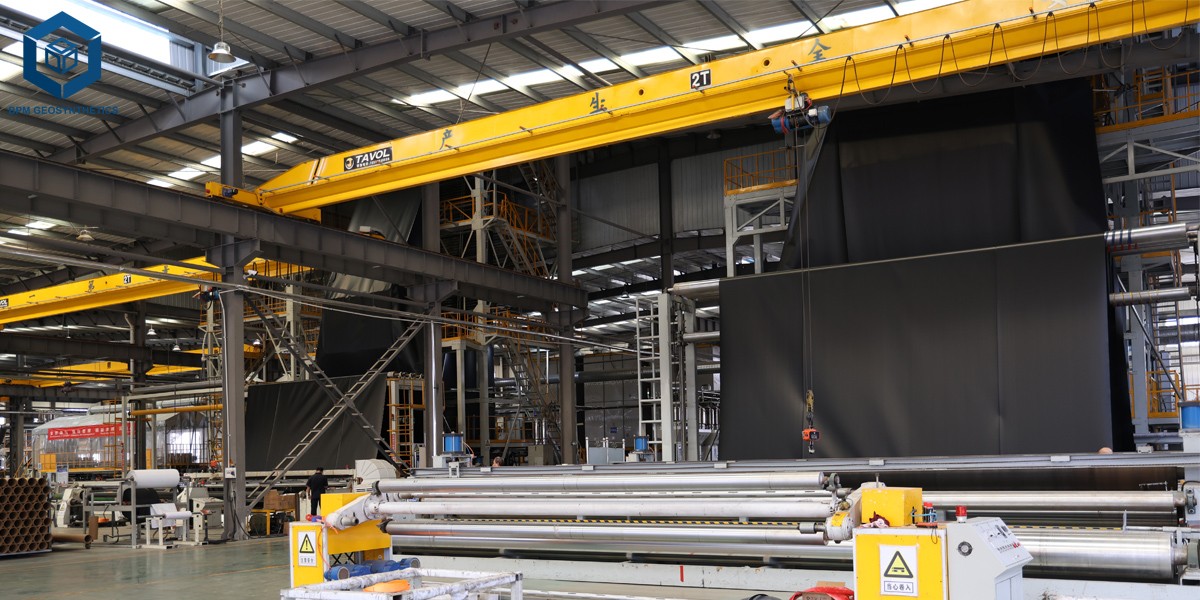
Supplier location exerts profound influence on delivered HDPE geomembrane pricing, with Asian manufacturers—particularly those in China—offering the most competitive ex-works rates. China accounts for approximately 45% of global geomembrane production, with manufacturers benefiting from integrated supply chains, advanced extrusion technology, and strategic proximity to major ports .
BPM Geomembrane exemplifies this competitive advantage, with manufacturing facilities located near Qingdao Port—one of the world’s busiest deep-water ports. This strategic positioning reduces inland freight costs by 30–50% compared to suppliers reliant on distant rail or trucking networks, while weekly vessel departures to key markets ensure faster delivery times . For North American buyers, Chinese-sourced HDPE liners typically range from $0.50–$3.50/m², compared to $5–$20/m² for domestically manufactured alternatives .
4. HDPE Membrane Application-Specific Pricing Analysis
4.1 Landfills and Waste Containment
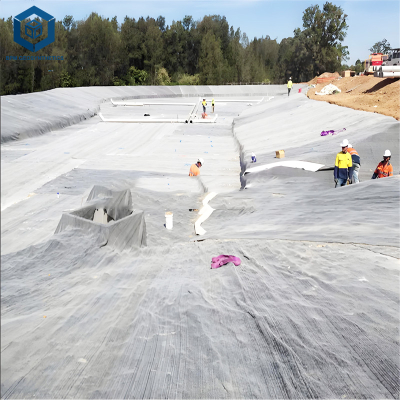
Landfill applications dominate the HDPE geomembrane market, representing approximately 35–40% of global demand . Recommended thicknesses range from 1.5 mm for standard municipal landfills to 2.0 mm for hazardous waste facilities, with textured surfaces specified for slopes exceeding 3:1. Material costs typically fall between $2.00–$7.50/m², with installed costs reaching $8.00–$25.00/m² when including site preparation, welding, and leak detection systems . GRI-GM13 compliance is essential for regulatory acceptance, adding 10–30% to costs but ensuring 30–50-year design lives .
4.2 Mining Operations
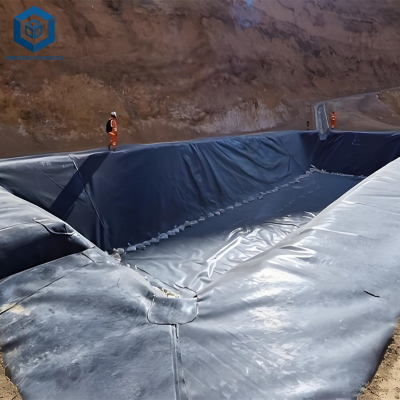
Mining applications—particularly heap leach pads and tailings containment—account for roughly 25% of HDPE geomembrane consumption . The demanding nature of mining environments, characterized by exposure to aggressive chemicals, sharp rock substrates, and heavy equipment traffic, typically necessitates 1.5–2.5 mm thicknesses with textured surfaces for slope stability. Material costs range from $1.50–$10.00/m², while installed costs reach $6.00–$30.00/m² -5. Chemical resistance across pH 2–12 and puncture resistance exceeding 800 N are critical specifications.
4.3 Water Reservoirs and Aquaculture
Water containment applications—including reservoirs, irrigation canals, and aquaculture ponds—represent the fastest-growing segment of the HDPE geomembrane market, driven by increasing water scarcity and the expansion of intensive aquaculture. Thickness requirements are typically lower, with 0.5–1.0 mm liners sufficient for most applications. Material costs range from $0.50–$1.50/m², making HDPE an economically attractive alternative to concrete or compacted clay liners .
For aquaculture applications, NSF/ANSI 61 certification for potable water contact may be required, adding 5–10% to material costs but enabling fish-safe operation and improving yields by 20–25% through optimized water quality management .
5. HDPE Membrane Price Installation Costs and Total Project Economics
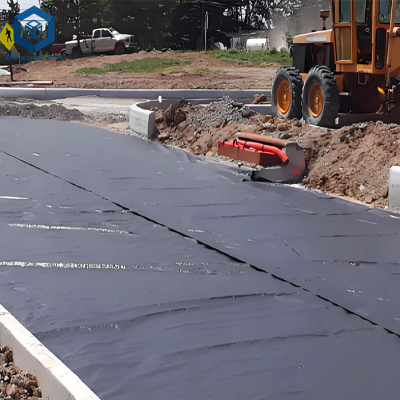
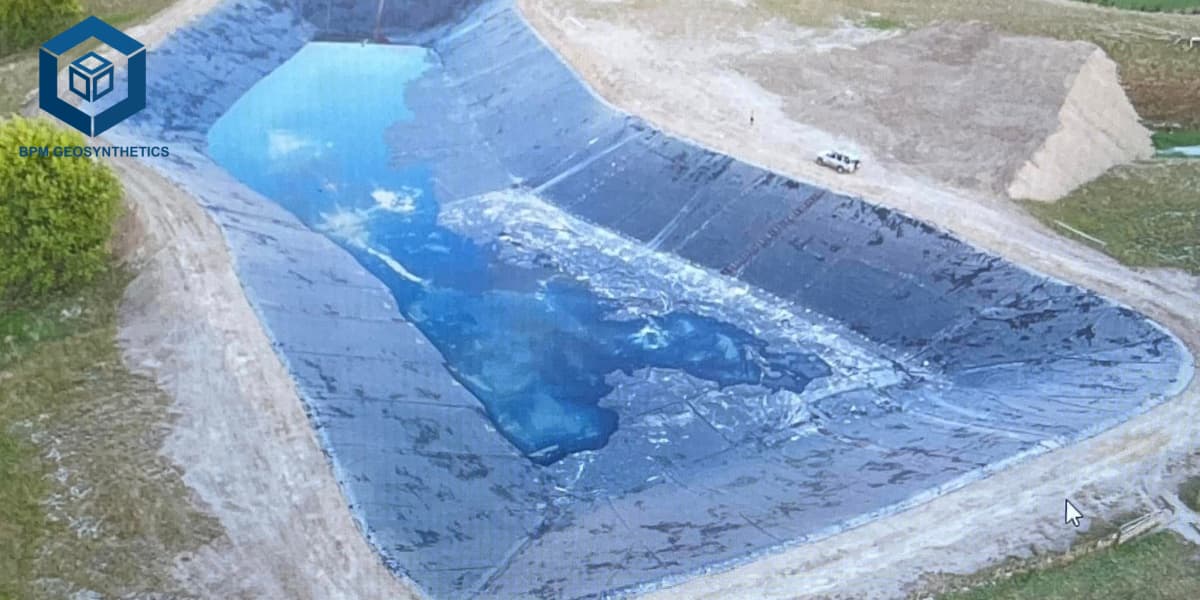
Material costs typically represent 50–70% of total installed HDPE geomembrane project expenses, with installation, testing, and site preparation accounting for the balance . Professional installation by certified welding crews typically ranges from $0.50–$3.00/m², depending on project complexity and terrain conditions .
Hot wedge welding—the preferred method for joining HDPE geomembrane panels—requires specialized equipment ($5,000–$10,000 purchase or $100–$200/day rental) and skilled operators to achieve seam efficiencies of 90–98% of parent material strength . Quality assurance programs, including non-destructive testing (air lance, vacuum, or spark testing) and destructive seam sampling, add $0.10–$0.40/m² but are essential for ensuring long-term containment integrity .
Site preparation costs—including subgrade leveling, compaction, and geotextile underlayment installation—typically range from $0.30–$1.00/m² . For sites with challenging conditions such as rocky subgrades or steep slopes, these costs may increase by 20–50%.
6. HDPE Membrane Price Cost Optimization Strategies
6.1 Lifecycle Cost Analysis
Evaluating HDPE geomembrane investments on a lifecycle cost basis rather than upfront price alone yields more accurate comparisons. The following framework demonstrates why virgin HDPE often represents superior long-term value despite higher initial costs :
- Virgin HDPE: $3.00/m² × 40-year life = $0.075/m²/year
- Recycled HDPE: $1.50/m² × 15-year life = $0.10/m²/year
For critical applications, the 25% lower annualized cost of virgin HDPE is complemented by reduced replacement expenses, lower maintenance requirements, and superior environmental protection ..
6.2 Strategic Procurement
Consolidating purchases across multiple projects to achieve volume thresholds above 50,000 m² can secure 20–30% discounts. For smaller projects, partnering with neighboring developments or joining cooperative purchasing agreements offers similar benefits .
6.3 Optimized Thickness Selection
Avoiding over-specification is essential for cost control. For applications where regulatory requirements do not mandate specific thicknesses, selecting the minimum viable thickness for expected service conditions can reduce material costs by 30–50%. For example, 0.5 mm HDPE liners are entirely adequate for many aquaculture applications where 1.0 mm might be initially specified .
6.4 Seasonal Purchasing
Manufacturers often offer promotional pricing of 5–10% during off-peak construction seasons (typically Q1 and Q4) when order volumes decline . Strategic timing of procurement can capture these savings without compromising delivery schedules.
Conclusion
HDPE membrane price in 2026 reflects a complex interplay of material science, manufacturing economics, and application-specific requirements. With material costs ranging from $0.50 to $20.00 per square meter and total installed projects typically reaching $3.00–$25.00 per square meter, informed decision-making is essential for optimizing project outcomes.
The most cost-effective HDPE geomembrane solutions emerge from careful analysis of thickness requirements, material quality specifications, order volumes, and installation considerations. For the majority of containment applications—from landfills and mining operations to water reservoirs and aquaculture facilities—virgin HDPE geomembranes in the 1.0–2.0 mm range offer optimal balance of performance, durability, and lifecycle cost.
By partnering with established The Best Project Material Co., Ltd.(BPM Geosynthetics) manufacturers offering direct factory pricing, comprehensive technical support, and demonstrated quality certifications, project stakeholders can achieve the 15–25% cost savings while ensuring 95% project reliability and long-term environmental compliance that defines successful containment infrastructure in 2026 and beyond.