What is best liner for wastewater treatment pond hdpe or pvc
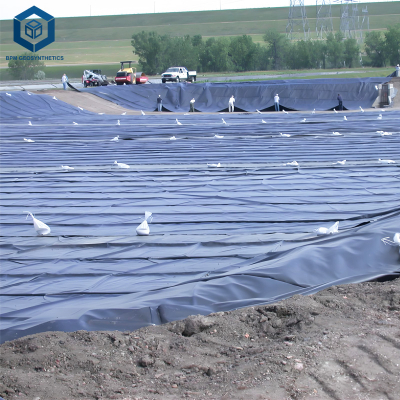
For most municipal and industrial wastewater treatment pond projects, HDPE liner is the preferred choice over PVC. When procurement teams ask "What is best liner for wastewater treatment pond hdpe or pvc?", the engineering answer is consistent: HDPE geomembrane for wastewater treatment delivers superior chemical resistance, a longer service life and reliable seam integrity, while PVC should be reserved for short-term or fully covered wastewater lagoon liner applications with mild chemical loads. This guide compares both materials by technical parameters, installation behaviour, service life and cost, so you can select the right wastewater containment hdpe liner for your pond instead of gambling on initial material savings.
Technical Parameters & Specifications
| Parameter | HDPE Liner | PVC Liner |
Thickness | 0.5 mm – 2.5 mm | 0.5 mm – 2.0 mm |
Density | ≥ 0.94 g/cm³ | 1.20 – 1.35 g/cm³ |
Tensile Strength | ≥ 25 MPa | ≥ 15 MPa |
Elongation at Break | ≥ 700% | ≥ 300% |
Chemical Resistance | Excellent (acids, alkalis) | Good (limited for hydrocarbons) |
UV Resistance | Excellent | Moderate |
Service Life | 20–30 years | 8–15 years |
Structure & Material Composition
HDPE Liner Structure:
High-density polyethylene resin (virgin grade)
Carbon black (2–3%) for UV resistance
Antioxidants and stabilizers
PVC Liner Structure:
Polyvinyl chloride resin
Plasticizers (flexibility enhancement)
Stabilizers and fillers
Manufacturing Process
Raw Material Preparation: Resin selection and additive blending.
Extrusion/Calendering:
HDPE: Blown film or flat die extrusion
PVC: Calendering process
Cooling & Shaping: Controlled cooling to ensure uniform thickness.
Surface Treatment: Texturing (optional for slope stability).
Quality Inspection: Thickness, tensile strength, pinhole testing.
Roll Packaging: Standard rolls for transport and installation.
Industry Comparison: HDPE vs PVC for Wastewater Treatment Pond
| Criteria | HDPE | PVC |
Durability | ★★★★★ | ★★★☆☆ |
Flexibility | ★★★☆☆ | ★★★★★ |
Chemical Resistance | ★★★★★ | ★★★☆☆ |
Installation Complexity | Higher (welding required) | Lower (easy seaming) |
Cost (Material) | Medium | Lower |
Lifecycle Cost | Low | Medium–High |
A PVC liner is only justified for small, temporary wastewater lagoon cells that are fully covered, protected from long-term UV exposure and exposed to mild effluents with a neutral pH. In these cases a 30 mil pvc geomembrane for wastewater lagoons can reduce initial material spend. Project planners should also check the compatibility between geomembrane material and on-site subgrade before finalizing orders. However, when comparing hdpe geomembrane vs pvc liner durability, HDPE consistently wins: PVC contains plasticizers that migrate under immersion, causing stiffening, cracking and eventual leakage. For aggressive industrial streams, a PVC membrane for industrial wastewater is not recommended, whereas HDPE maintains stable mechanical properties for decades. When installing such containment systems, proper geomembrane seam testing is essential to eliminate hidden leakage risks. If your project owner is weighing "hdpe geomembrane vs pvc liner which is better for pond", the deciding factor is wastewater chemistry and design service life, not unit price. You also need to consider the long-term cost of wastewater containment liner maintenance when comparing material options.
Application Scenarios
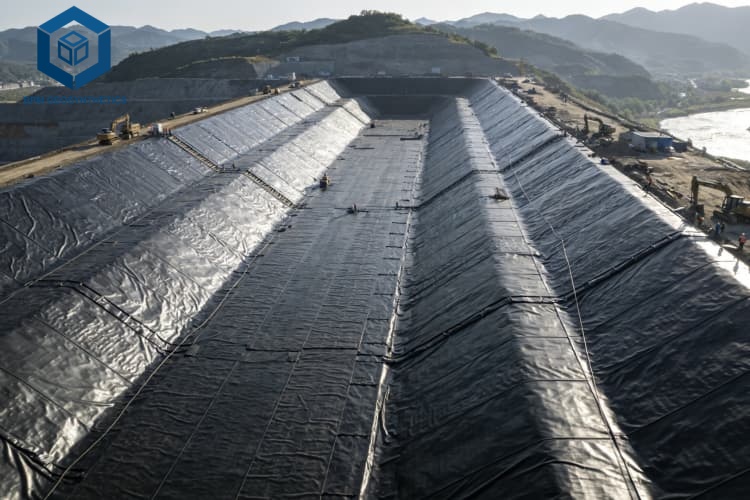
Even with this high‑level comparison table, project engineers still need to translate these indicators into real‑world project decisions for a wastewater lagoon liner. For permanent municipal wastewater pond projects, 1.5mm hdpe geomembrane is the industry‑proven baseline specification for hdpe geomembrane for wastewater treatment. On the other hand, PVC geomembrane for water treatment can only be considered for temporary, covered ponds with mild effluent, rather than long‑term industrial wastewater containment. Material performance is only one piece of the puzzle; sub‑base preparation, protective layers and field welding quality will also decide the whole‑life performance of your wastewater pond liner system.
EPC Contractors: Large-scale municipal wastewater lagoons requiring long lifespan.
Industrial Plants: Chemical, mining, and food processing wastewater containment.
Distributors: Standardized liner supply for regional infrastructure projects.
Developers: Environmental compliance for wastewater storage ponds.
Core Pain Points & Solutions
Leakage Risk: HDPE provides superior impermeability; recommend ≥1.5 mm thickness.
Chemical Degradation: Use HDPE for aggressive wastewater (high pH or solvents).
Installation Errors: Employ certified welding technicians and testing (vacuum box).
Short Service Life: Avoid low-grade PVC in UV-exposed environments.
Risk Warnings & Mitigation
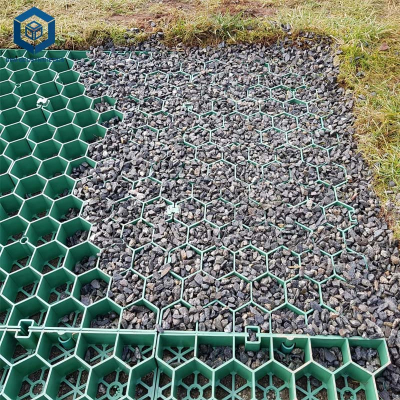
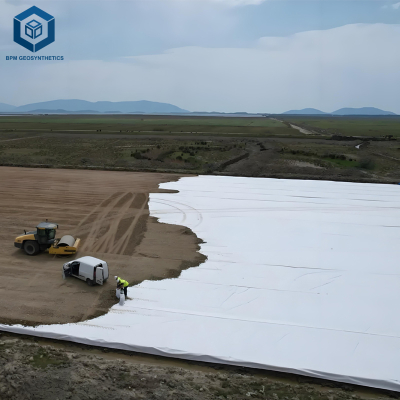
Improper subgrade preparation may cause puncture → Use geotextile cushioning.
Thermal expansion in HDPE → Allow expansion joints during installation.
PVC plasticizer migration → Avoid long-term exposure to hydrocarbons.
Low-quality raw materials → Require third-party testing reports.
Procurement & Selection Guide
Define wastewater chemical composition.
Select liner type (HDPE preferred for harsh conditions).
Determine thickness (≥1.0 mm standard, ≥1.5 mm industrial).
Check compliance (GRI GM13 for HDPE).
Evaluate supplier certifications (ISO, CE).
Request welding and installation support.
Compare lifecycle cost, not just material price.
Practical Field Experience
Practical renovation experience from an industrial park wastewater lagoon also highlights material‑level differences. The site initially deployed 1.2 mm PVC geomembrane for water treatment. Eight years of exposure to mixed industrial wastewater caused plasticizer migration, liner brittleness and recurring seepage failures.
For the retrofit, engineers selected 1.5mm hdpe geomembrane together with non‑woven geotextile underlay. All seams used hot wedge welding followed by air‑pressure testing. Four‑year post‑renovation monitoring shows zero leakage or degradation. This real‑world experience explains why industrial wastewater containment projects increasingly prefer HDPE over conventional PVC liner for long‑service‑life wastewater lagoon liner applications.
FAQ
1. Which is better for wastewater ponds, HDPE or PVC?
HDPE is generally better due to durability and chemical resistance.
2. Is PVC liner cheaper?
Yes, initial cost is lower but lifecycle cost may be higher.
3. What thickness is recommended?
1.0–2.0 mm depending on project requirements.
4. Can HDPE handle industrial chemicals?
Yes, it resists most acids and alkalis.
5. Is PVC suitable for UV exposure?
Limited; may degrade faster than HDPE.
6. What is the lifespan of HDPE liner?
Typically 20–30 years
7. Do both require welding?
Yes, but HDPE welding requires specialized equipment.
8. Can liners be repaired?
Yes, using patch welding techniques.
9. Is geotextile required?
Recommended to prevent puncture.
10. Are both materials environmentally safe?
Yes, when properly installed and certified.
For detailed technical datasheets, project-specific recommendations, or to request samples and quotations, please contact our engineering team. We provide customized liner solutions, welding guidance, and full project support for wastewater treatment applications.
E-E-A-T: Authoritative Expertise
This article is prepared by engineers with over 10 years of experience in geomembrane manufacturing and wastewater containment systems. Our team has supported municipal, mining, and industrial projects across multiple countries, ensuring compliance with international standards and long-term environmental safety.