Geomembrane Sheet Price
When it comes to geomembrane waterproofing solutions, one of the most frequently asked questions by buyers is: What affects the price of geomembrane sheets? Whether you're involved in landfill construction, water storage, or environmental remediation, understanding the pricing structure of geomembrane sheets is critical for budget planning and project success.
This article explores the factors influencing geomembrane sheet prices, the latest market trends, technological innovations, and how to evaluate the cost-effectiveness of different geomembrane materials. Additionally, we will answer common questions from international buyers about purchasing geomembranes, and provide insights to help you make informed purchasing decisions.
Factors Influencing Geomembrane Sheet Prices
1. Material Type
The material used to produce geomembrane sheets is one of the primary determinants of cost. The most commonly used materials include:
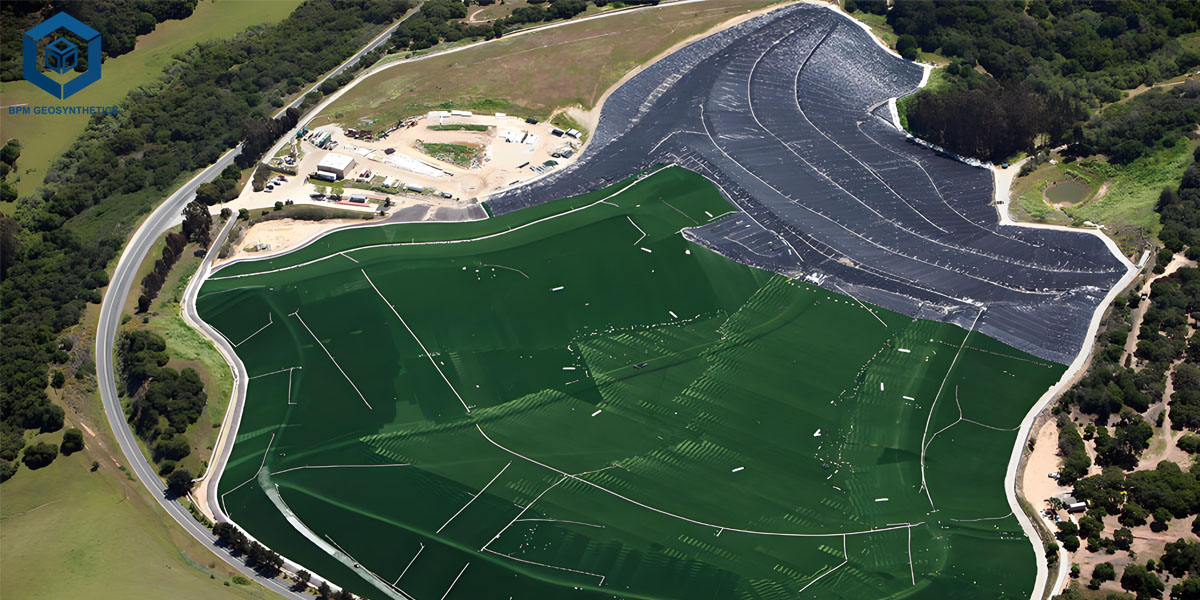
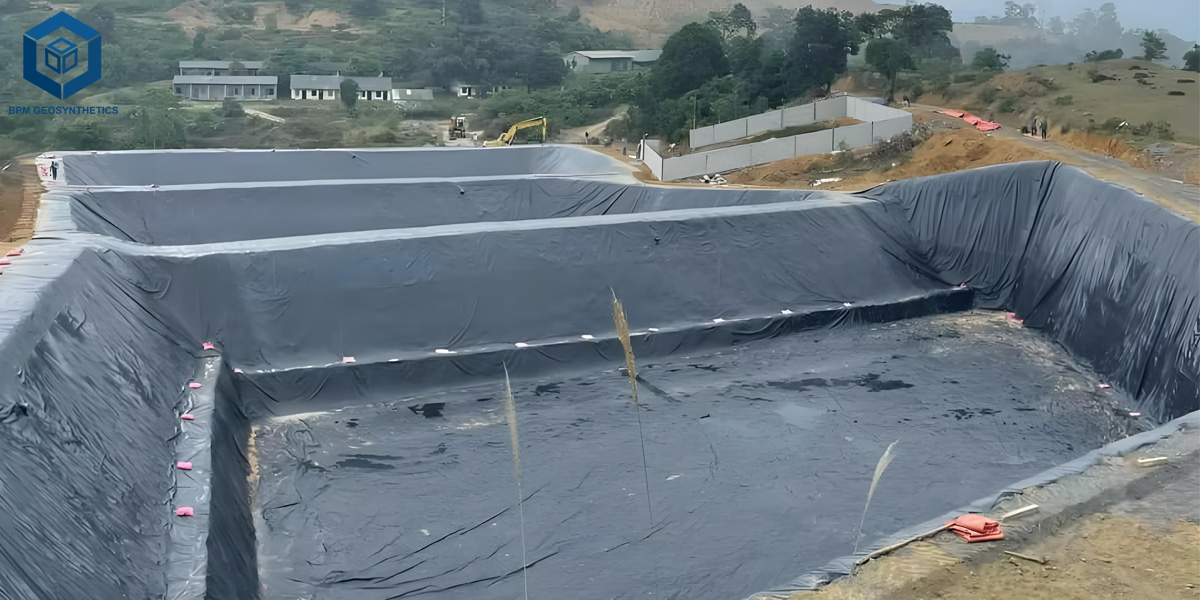
HDPE (High-Density Polyethylene): This is the most popular and cost-effective material for geomembranes, known for its excellent chemical resistance and strength. It is widely used for landfill liners, reservoirs, and ponds.
LLDPE (Linear Low-Density Polyethylene): More flexible than HDPE, LLDPE geomembranes are often chosen for applications requiring greater flexibility, such as irrigation systems or complex landscapes. However, it tends to be more expensive than HDPE.
PVC (Polyvinyl Chloride): PVC geomembranes offer excellent chemical resistance but are typically used in more specific applications, such as in aquaculture or sewage treatment plants. PVC is generally more expensive than HDPE.
EPDM (Ethylene Propylene Diene Monomer): Used primarily for waterproofing in cold climates and in applications such as roofing and ponds. It is also relatively costly due to its specialized characteristics.
Each of these materials has unique properties, and the selection of the right material for your project will greatly impact the final price.
2. Thickness
The thickness of geomembranes directly affects the price. Thicker geomembranes generally provide better durability and protection against punctures or other forms of damage. However, they are more expensive to produce and install. The thickness of geomembranes typically ranges from 0.5 mm to 3.0 mm, with thicker options being used in highly demanding environments, such as waste containment and large-scale water management projects.
3. Roll Size and Coverage
Geomembranes are generally sold in large rolls, with common widths ranging from 4 meters to 7 meters. The length of each roll will also affect pricing. Larger rolls cover more area and are typically priced more efficiently per square meter compared to smaller rolls. Buyers should consider the coverage area needed for their project and determine whether purchasing larger rolls will save costs in the long run.
4. Manufacturing Process
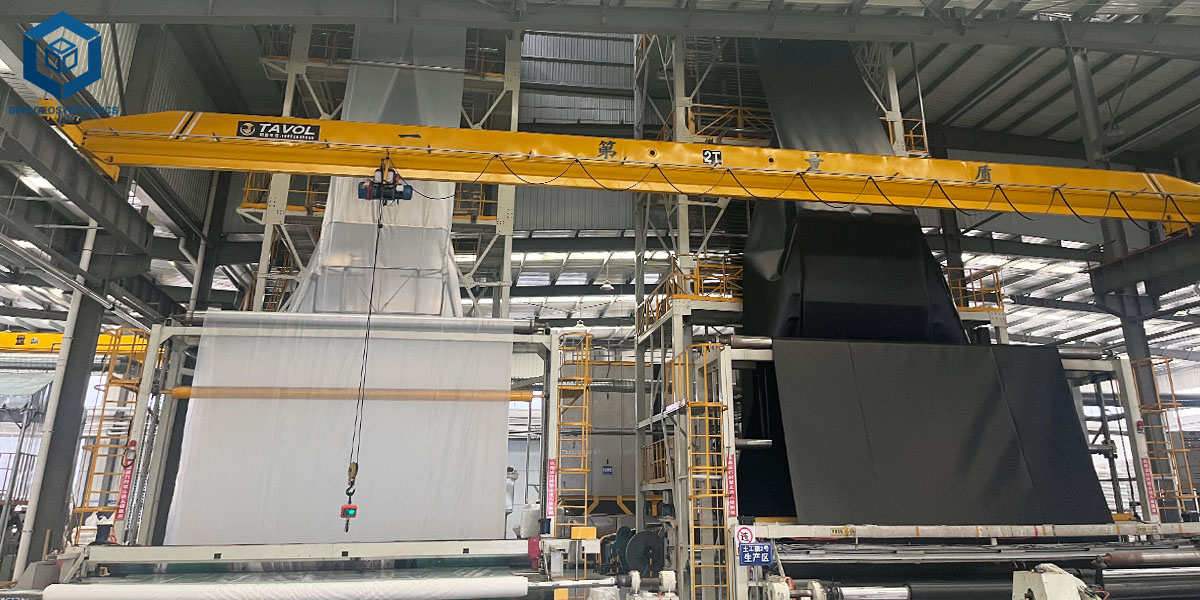
The production method used to create the geomembrane sheet is another significant cost factor. Processes such as extrusion, blown film, or calendering each come with varying levels of production costs. Extrusion tends to be the most cost-effective for manufacturing HDPE geomembranes, while blown film and calendering processes may increase the price due to the higher complexity involved in production.
5. Customization
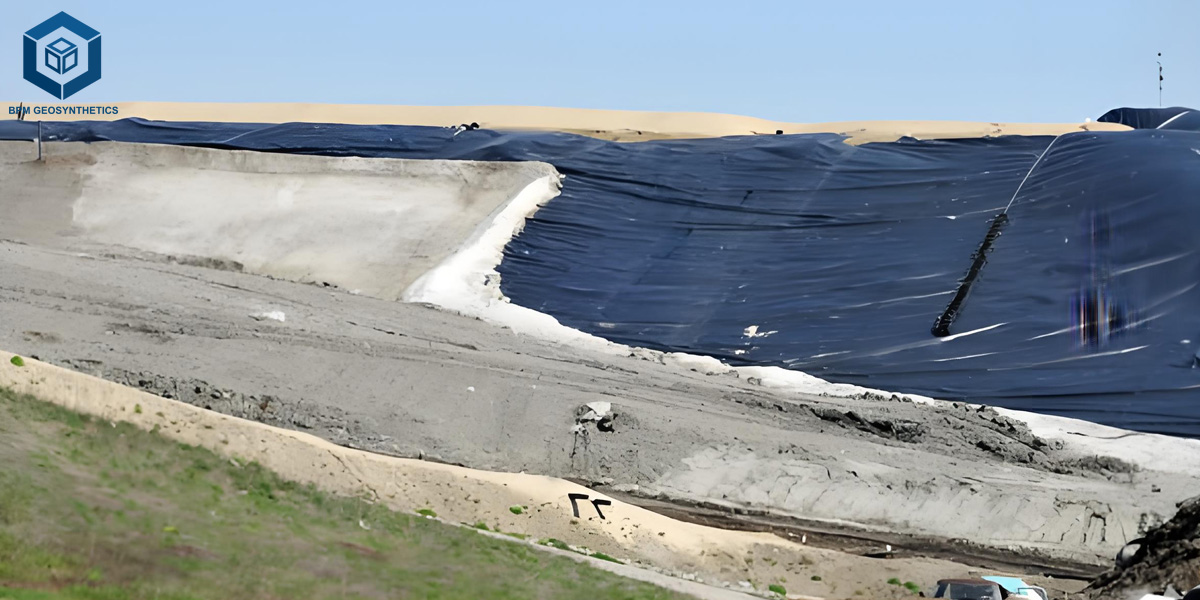
In certain cases, geomembranes are customized to meet specific environmental or project needs. This might include custom sizing, color, or additional features like UV resistance or chemical resistance coatings. Customization can raise the cost, but it may also be necessary to meet the specific requirements of a project. For example, geomembranes used in landfills may need to be UV-stabilized for long-term exposure to sunlight.
6. Geographical Location and Shipping Costs
Finally, the cost of shipping geomembranes from the manufacturer to the site is an important consideration, especially for international buyers. Proximity to the manufacturing facility can influence pricing due to the cost of freight, import duties, and other logistical expenses. Shipping costs can vary widely depending on the distance and the country of origin.
Market Trends and Demand for Geomembrane Sheets
Global Demand for Geomembranes
The global market for geomembranes is steadily growing, with an increasing focus on sustainability and environmental protection. According to recent reports, the geomembrane market is expected to grow at a CAGR of 5.8% between 2024 and 2030. Key industries driving this growth include construction, waste management, agriculture, and environmental protection. Rising awareness of environmental sustainability and increasing government regulations for waste disposal are further fueling the demand for high-quality geomembrane waterproofing solutions.
Technological Advancements
Recent advances in geomembrane technology have led to the development of recyclable geomembranes and bio-based geomembranes, providing more eco-friendly options at slightly higher prices. These materials are becoming increasingly popular due to growing environmental concerns in various sectors, particularly landfill management and water containment projects.
Frequently Asked Questions (FAQ)
1. What is the price range for geomembrane sheets?
The price for geomembrane sheets typically ranges from $0.50 to $3.00 per square meter, depending on factors such as material type, thickness, and customization. HDPE geomembranes tend to be on the lower end, while EPDM and PVC options are generally more expensive.
2. How do I choose the right geomembrane material for my project?
When selecting a geomembrane, consider the environmental conditions (such as exposure to UV, chemicals, and extreme temperatures), the application (e.g., landfill, pond, water reservoir), and the required durability. HDPE is a versatile and cost-effective choice, while LLDPE offers flexibility and better cold-temperature performance.
3. What thickness of geomembrane should I use?
The appropriate thickness depends on the specific application and the risks associated with water or chemical leakage. For general waterproofing, a thickness of 1.0 mm to 1.5 mm is common, but thicker geomembranes may be required for harsher conditions, such as in landfills or large-scale dams.
4. Can I get customized geomembrane sheets for my project?
Yes, most manufacturers offer customized geomembrane sheets tailored to specific sizes, colors, or with additional features like UV stabilization or enhanced chemical resistance. These customizations may come at an additional cost but can be essential for specialized projects.
Conclusion: Make Informed Decisions for Geomembrane Sheet Purchases
Understanding geomembrane sheet prices and the factors that influence them will help you make informed purchasing decisions, ensuring that you select the right material and specifications for your project’s needs. Whether you are managing a landfill project, installing water storage solutions, or designing an environmental protection system, geomembranes provide durable and reliable waterproofing protection.
To maximize value, it is essential to balance quality, cost, and application requirements. We recommend working with trusted suppliers who offer transparent pricing and customizable options to meet your specific project needs.
Contact us today for a detailed quote and expert advice on selecting the right geomembrane sheets for your project. Let us help you find the best waterproofing solutions at competitive prices.