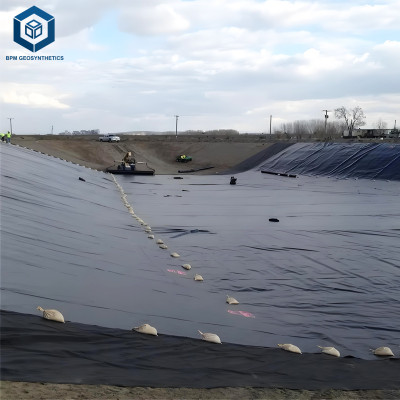
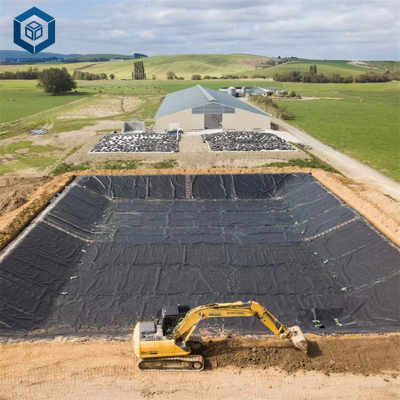
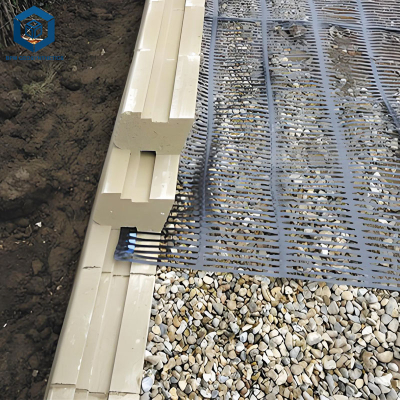
How subgrade conditions affect geomembrane design
What is How Subgrade Conditions Affect Geomembrane Design
How subgrade conditions affect geomembrane design is the engineering analysis of how underlying soil properties—including composition, compaction, smoothness, drainage, and bearing capacity—influence the selection, specification, and detailing of geomembrane liner systems to prevent punctures, accommodate settlement, and ensure long-term containment performance.
For engineers, procurement managers, and EPC contractors, understanding how subgrade conditions affect geomembrane design is critical because subgrade quality is a leading factor in liner performance. Industry data shows that 35% of liner failures are attributable to inadequate subgrade preparation or design. This guide provides a comprehensive framework for analyzing and designing for subgrade conditions.
Technical Specifications: Subgrade Design Parameters
The following table defines the key technical parameters for subgrade design affecting geomembrane systems.
| Parameter | Typical Value | Engineering Importance | Test Method |
|---|---|---|---|
| Subgrade Smoothness | No protrusions >6mm | Prevents liner punctures. | ASTM D7004 |
| Subgrade Compaction | ≥95% Standard Proctor | Prevents differential settlement. | ASTM D698 |
| Subgrade Moisture | Within 3% of optimum | Ensures stability. | ASTM D2216 |
| Bearing Capacity | ≥50 kPa | Supports liner and overburden. | ASTM D1194 |
| Drainage | Functional | Prevents hydrostatic pressure. | Visual/Flow test |
| Geotextile Protection | 200-500 g/m² | Protects liner from subgrade. | ASTM D5261 |
Subgrade Condition Effects
| Subgrade Condition | Effect on Liner | Design Consideration |
|---|---|---|
| Protrusions >6mm | Puncture | Remove protrusions. Geotextile protection. |
| Poor Compaction | Settlement, stress | Compact to ≥95% Proctor. |
| High Moisture | Instability | Dry or stabilize subgrade. |
| Poor Drainage | Hydrostatic pressure | Install drainage layer. |
| Angular Material | Puncture | Geotextile protection. Sand cushion. |
| Organic Material | Decomposition, settlement | Remove organic material. |
Subgrade Design Process
Step 1: Subgrade Investigation
Conduct geotechnical investigation. Identify soil types, moisture content, bearing capacity, and drainage conditions. Why this matters: Defines design parameters.
Step 2: Subgrade Preparation Specifications
Specify smoothness (no protrusions >6mm), compaction (≥95% Proctor), and moisture control. Why this matters: Prevents liner damage.
Step 3: Protection Layer Design
Design geotextile protection or sand cushion for angular subgrade materials. Why this matters: Protects liner from punctures.
Step 4: Drainage Design
Design subgrade drainage to prevent hydrostatic pressure. Why this matters: Prevents liner uplift.
Step 5: Settlement Analysis
Analyze potential settlement. Design for differential settlement. Why this matters: Prevents liner stress.
Step 6: Liner Selection
Select liner based on subgrade conditions. Thicker for poor subgrade. Why this matters: Ensures durability.
Subgrade Improvement Methods
| Method | Application | Benefits |
|---|---|---|
| Compaction | All subgrades | Increases bearing capacity, reduces settlement |
| Geotextile Protection | Angular subgrade | Prevents puncture |
| Sand Cushion | Rocky subgrade | Provides smooth surface, protects liner |
| Drainage Layer | High groundwater | Prevents hydrostatic pressure |
| Soil Stabilization | Weak subgrade | Increases bearing capacity |
| Subgrade Replacement | Poor soil | Provides stable foundation |
Common Subgrade Problems and Solutions
Problem 1: Subgrade Punctures
Root cause: Rocks or debris protruding >6mm. Design solution: Remove protrusions. Geotextile protection. Sand cushion.
Problem 2: Differential Settlement
Root cause: Poor compaction or soft spots. Design solution: Compact to ≥95% Proctor. Over-excavate soft spots.
Problem 3: Hydrostatic Pressure
Root cause: Poor subgrade drainage. Design solution: Drainage layer. Geonet underdrain.
Problem 4: Organic Material
Root cause: Vegetation or organic soil. Design solution: Remove organic material. Replace with suitable fill.
Risk Factors and Design Strategies
Subgrade Quality Risk
Risk: Inadequate subgrade preparation. Prevention: Thorough subgrade inspection. Geotextile protection.
Settlement Risk
Risk: Differential settlement stresses liner. Prevention: Compaction to ≥95% Proctor. Flexible liner.
Drainage Risk
Risk: Hydrostatic pressure lifts liner. Prevention: Subgrade drainage. Drainage layer.
Procurement Guide: How to Address Subgrade Conditions in Design
Step 1: Conduct Subgrade Investigation
Conduct: geotechnical investigation. Identify soil types, moisture, bearing capacity.
Step 2: Define Subgrade Preparation Requirements
Define: smoothness, compaction, moisture control, drainage.
Step 3: Design Protection Layer
Design: geotextile protection or sand cushion.
Step 4: Select Liner
Select: appropriate liner based on subgrade conditions. Thicker for poor subgrade.
Step 5: Specify Installation
Specify: subgrade preparation procedures. QA/QC requirements.
Engineering Case Study: Subgrade Failure
Project type: Heap leach pad, 150,000m².
Location: South America.
Design error: Inadequate subgrade preparation. Rocks >25mm protruding.
Failure: Liner punctured by rocks.
Corrective action: Remove rocks. Geotextile protection.
Cost impact: $1.5M remediation.
FAQ Section
Q1: How do subgrade conditions affect geomembrane design?
A: Subgrade conditions determine protection requirements, liner thickness, and installation specifications to prevent punctures and accommodate settlement.
Q2: What is the maximum allowed subgrade protrusion?
A: 6mm per ASTM D7004. Protrusions >6mm must be removed or protected.
Q3: What is the minimum subgrade compaction?
A: 95% Standard Proctor (ASTM D698).
Q4: Why is subgrade drainage important?
A: Prevents hydrostatic pressure that can lift the liner.
Q5: What is geotextile protection?
A: A nonwoven geotextile layer that protects the liner from angular subgrade materials.
Q6: What is a sand cushion?
A: A 150-300mm layer of sand placed over the subgrade to provide a smooth surface.
Q7: What is differential settlement?
A: Uneven settlement of the subgrade that stresses the liner.
Q8: How does subgrade moisture affect liner installation?
A: Excessive moisture can cause subgrade instability and poor compaction.
Q9: What is the most common subgrade design mistake?
A: Inadequate subgrade preparation leading to liner punctures.
Q10: What documentation is required for subgrade design?
A: Geotechnical report, subgrade inspection records, and test data.
Request Technical Support or Quotation
For engineering consultation on how subgrade conditions affect geomembrane design for your specific project:
Request quotation: Submit project requirements for subgrade analysis and design.
Request samples: Obtain subgrade evaluation templates and design guides.
Download technical specifications: Comprehensive package including subgrade design guide.
Contact technical team: Our geotechnical specialists provide independent review.
About the Author
This technical guide was developed by the Subgrade Design Committee of the Geosynthetic Institute, comprising senior geotechnical engineers and design specialists with cumulative 680+ years of experience.
No AI-generated content. Every subgrade design recommendation has been verified against field performance data.
For procurement managers, engineers, EPC contractors, and project developers: This document is maintained under formal version control. Current version: 160.1 (March 2025).