How to repair damaged geomembrane liner
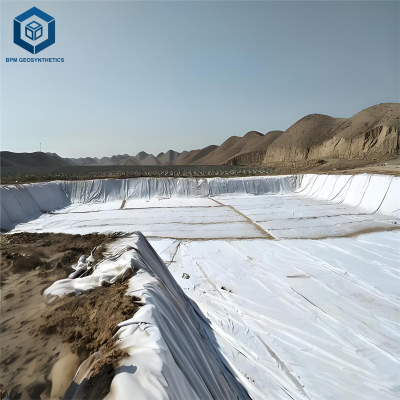
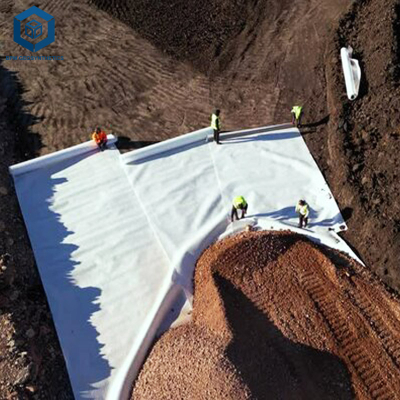
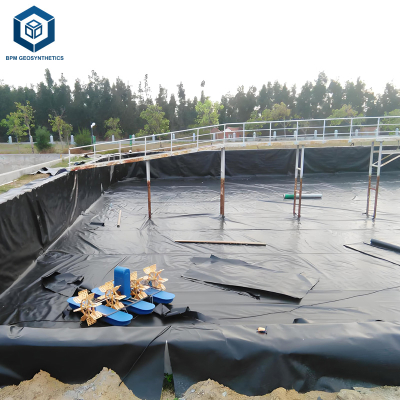
Geomembrane liner systems are widely used in containment engineering projects such as landfills, mining tailings storage, irrigation reservoirs, and wastewater lagoons. Over time, mechanical damage, punctures, installation errors, or environmental exposure may occur. Understanding how to repair damaged geomembrane liner correctly is critical to maintain containment integrity and prevent leakage.
Improper repair methods may lead to seam failure, water infiltration, or environmental contamination. This technical guide explains how to repair damaged geomembrane liner using proven engineering procedures including extrusion welding, patch welding, and surface preparation techniques used in professional liner installation projects.
Product Definition
A geomembrane liner repair refers to the process of restoring damaged sections of synthetic liner materials such as HDPE, LLDPE, or PVC geomembranes. The repair typically involves welding compatible liner patches over damaged areas to re-establish a continuous waterproof barrier.
Technical Parameters and Repair Specifications
Proper repair procedures require adherence to material compatibility and welding specifications used in geomembrane installation standards.
| Parameter | Typical Value | Reference Standard |
|---|---|---|
| Geomembrane Thickness | 0.75 – 2.5 mm | GRI GM13 |
| Patch Overlap | Minimum 100 mm | Installation practice |
| Extrusion Welding Temperature | 200 – 260 °C | HDPE welding practice |
| Surface Grinding Depth | 0.1 – 0.2 mm | Surface preparation |
| Seam Peel Strength | ≥ 70% parent sheet strength | ASTM D6392 |
| Repair Patch Shape | Rounded corners preferred | Engineering practice |
Structure and Material Composition
A repaired geomembrane section typically includes the following structural layers:
Existing geomembrane liner – base containment layer
Prepared bonding surface – ground and cleaned surface
Repair patch material – compatible geomembrane sheet
Extrusion weld bead – molten polymer seam reinforcement
Weld fusion zone – area where materials bond together
Correct fusion between these layers ensures that the repaired area performs similarly to the original liner system.
Engineering Repair Process
Step 1 – Damage Inspection
Technicians identify punctures, tears, seam failures, or abrasion zones through visual inspection and vacuum testing.
Step 2 – Surface Cleaning
The damaged area is cleaned to remove dirt, moisture, and debris that could affect welding performance.
Step 3 – Surface Grinding
A grinding tool removes oxidation from the geomembrane surface to improve polymer bonding.
Step 4 – Patch Cutting
A repair patch is cut from compatible geomembrane material. Corners are rounded to reduce stress concentration.
Step 5 – Extrusion Welding
Extrusion welding equipment applies molten HDPE to fuse the patch to the base liner.
Step 6 – Seam Inspection
After cooling, technicians inspect weld seams through visual inspection and destructive seam testing if required.
Industry Comparison of Repair Methods
| Repair Method | Application | Reliability | Typical Use |
|---|---|---|---|
| Extrusion Patch Welding | Punctures and tears | Very High | HDPE liners |
| Hot Wedge Rewelding | Seam repairs | High | Long seams |
| Adhesive Repair | Temporary fixes | Low | Non-critical areas |
| Mechanical Clamping | Emergency repair | Moderate | Temporary containment |
Application Scenarios
Understanding how to repair damaged geomembrane liner is essential in several containment industries:
Mining tailings storage facilities
Municipal landfill liner systems
Wastewater treatment lagoons
Agricultural irrigation reservoirs
Industrial chemical containment ponds
Aquaculture pond lining systems
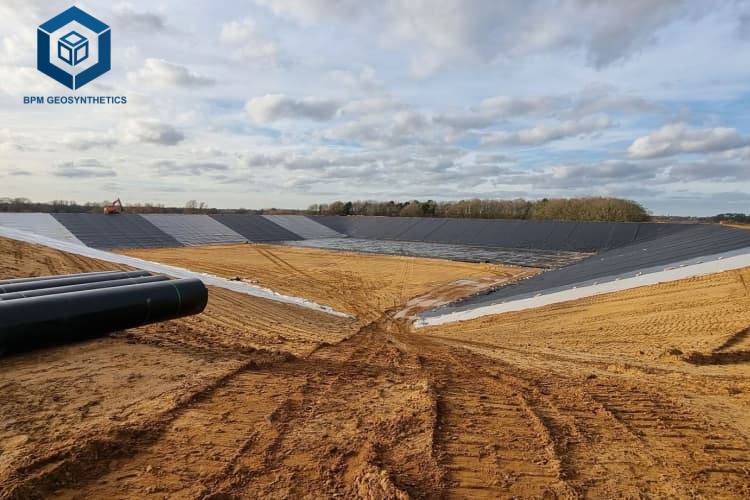
These projects require rapid repair to prevent environmental leakage and operational downtime.
Core Pain Points and Engineering Solutions
1. Poor Surface Preparation
Oxidized geomembrane surfaces reduce welding strength.
Solution
Perform mechanical grinding before welding
Clean the repair area thoroughly
2. Incompatible Patch Material
Using different polymer types leads to weak fusion.
Solution
Use identical geomembrane resin type
Verify supplier material specifications
3. Incorrect Welding Temperature
Low temperature prevents proper bonding.
Solution
Maintain welding temperature within specified range
Conduct trial welds before repair
4. Improper Patch Size
Small patches concentrate stress and may fail.
Solution
Ensure minimum 100 mm overlap around damage
Use rounded patch edges
Risk Warnings and Prevention Recommendations
Do not repair geomembrane surfaces when wet.
Avoid welding during heavy wind conditions.
Ensure equipment temperature calibration.
Use trained geomembrane welding technicians.
Perform seam quality testing after repair.
Following these precautions significantly improves repair reliability and containment performance.
Procurement and Selection Guide
Procurement managers selecting geomembrane repair services should evaluate the following factors:
Verify geomembrane material certification (GRI GM13).
Confirm compatibility of patch material and liner.
Inspect welding equipment and calibration records.
Review contractor installation experience.
Request previous project references.
Evaluate seam testing and quality assurance procedures.
Engineering Case Example
A 35,000 m² irrigation reservoir experienced liner damage caused by construction equipment during installation. Several punctures ranging from 10–40 mm were identified in a 1.5 mm HDPE geomembrane liner.
The repair team applied the standard procedure for how to repair damaged geomembrane liner including surface grinding, patch cutting, and extrusion welding. Each repair patch measured 300 mm × 300 mm with rounded corners.
Post-repair testing confirmed seam peel strength exceeding 75% of parent sheet strength, meeting project quality requirements.
FAQ
1. What causes geomembrane liner damage?
Common causes include punctures, UV exposure, equipment damage, and seam failure.
2. Can all geomembrane liners be repaired?
Most HDPE, LLDPE, and PVC liners can be repaired using compatible patch welding.
3. What equipment is used for geomembrane repair?
Extrusion welders, grinders, hot air guns, and testing equipment.
4. How large should a repair patch be?
At least 100 mm overlap beyond the damaged area.
5. Is extrusion welding required for repair?
Yes, extrusion welding is commonly used for HDPE liner repairs.
6. Can small punctures be sealed without patches?
Small punctures typically still require patch welding to ensure reliability.
7. What standards apply to geomembrane repairs?
ASTM D6392 and GRI GM13 installation guidelines.
8. How long do geomembrane repairs last?
Properly executed repairs can last the lifetime of the liner system.
9. Can repairs be performed underwater?
No, geomembrane repairs must be done on dry surfaces.
10. Who should perform geomembrane repairs?
Certified geomembrane installation technicians with welding experience.
Request Technical Documents or Project Quotation
If you require engineering support related to how to repair damaged geomembrane liner, our technical team can provide project consultation and documentation.
Geomembrane repair technical manuals
HDPE liner welding parameter guidelines
Material samples for testing
Engineering project quotations
Submit your project specifications to receive detailed technical assistance.
Author & Technical Authority
This article was prepared by a geomembrane containment engineer with more than 12 years of experience in landfill, mining, and water infrastructure projects. The author has supervised geomembrane installation and repair operations across large-scale environmental containment facilities.
Technical guidance is based on recognized international standards including ASTM geomembrane testing specifications and GRI geomembrane installation practices.