HDPE geomembrane lifespan in landfill
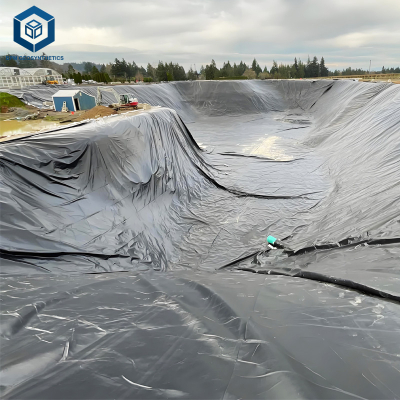
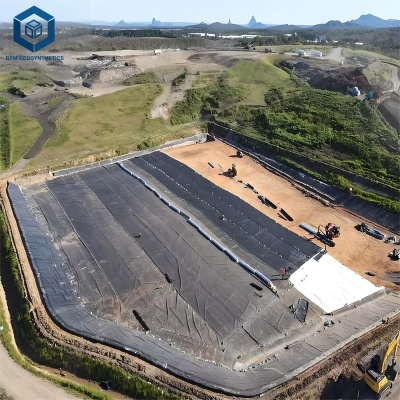
HDPE geomembrane (High-Density Polyethylene) is a synthetic liner material commonly used for containment in landfill applications. It serves as an impermeable barrier designed to prevent the leakage of hazardous materials and leachate into the surrounding environment. The lifespan of HDPE geomembrane is a critical factor in the sustainability and effectiveness of landfill operations, especially in terms of environmental protection.
Technical Parameters and Specifications
| Parameter | Typical Value | Notes |
|---|---|---|
| Thickness | 0.75 mm – 2.5 mm | Thickness varies based on application and site conditions |
| Service Temperature | -30°C to +60°C | Temperature range for long-term performance |
| UV Resistance | Excellent (typically >80% retention after 5 years) | Crucial for outdoor applications, especially in landfill caps |
| Elongation at Break | ≥ 500% | Measures flexibility under stress |
| Oxidative Resistance | Good | Ensures durability over decades in anaerobic conditions |
| Service Life | 30-40 years | Depends on environmental factors and quality of installation |
Structure and Material Composition
HDPE geomembranes are composed of high-density polyethylene resins combined with the following additives:
Carbon Black – Provides UV resistance and enhances long-term durability
Antioxidants – Prevents polymer degradation during extrusion and service life
UV Stabilizers – Protects against degradation from sunlight exposure
Plasticizers – Enhances flexibility, especially in thinner sheets
Resins – The base material that defines overall strength and flexibility
Manufacturing Process
The manufacturing of HDPE geomembrane involves the following steps to ensure product integrity and durability:
Material Selection
High-quality HDPE resin is chosen based on its chemical resistance and strength properties.Mixing and Additive Integration
Carbon black, antioxidants, and other additives are uniformly blended with the HDPE resin.Extrusion Process
The mixture is heated and extruded into thin sheets through a wide-slot die.Cooling and Sizing
The extruded sheets are cooled and cut to the desired thickness and width.Inspection and Quality Control
Each batch undergoes rigorous tests for tensile strength, elongation, and UV resistance.Packaging and Distribution
The sheets are rolled and packaged for shipment to the installation site.
Industry Comparison of HDPE Geomembranes vs Other Materials
| Material | Advantages | Limitations |
|---|---|---|
| HDPE Geomembrane | High chemical resistance, UV stability, long service life (30-40 years) | Requires proper installation, sensitive to punctures |
| LDPE Geomembrane | More flexible, easier to weld | Lower chemical resistance, shorter lifespan (10-20 years) |
| EPDM Geomembrane | Excellent flexibility and cold weather performance | Higher cost, less UV resistance |
| PVC Geomembrane | Lower initial cost, good chemical resistance | Lower durability, poor temperature resistance |
Applications of HDPE Geomembrane in Landfills
HDPE geomembranes are widely used in the following landfill applications:
Landfill liners to prevent leachate contamination
Landfill caps to seal and protect waste from environmental exposure
Leachate collection systems to manage and treat contaminated water
Gas collection systems to capture methane and other gases
Key Pain Points and Solutions
UV Degradation:
Over time, exposure to UV rays can degrade geomembranes. To mitigate this, HDPE geomembranes are manufactured with UV stabilizers and should be covered with soil or other materials in a timely manner.Punctures and Tears:
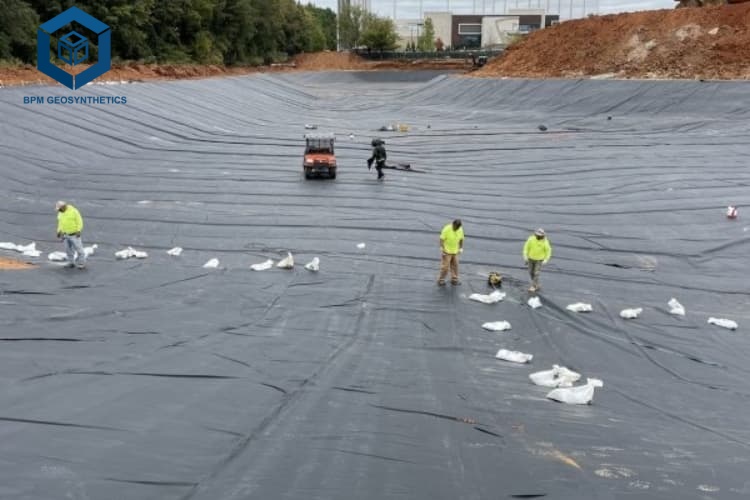
Installation and handling errors can lead to punctures. Ensure proper training for installation teams and use of protective layers during transportation and installation.Seam Failures:
Improper welding of seams can cause leaks. Implementing strict seam inspection protocols and using high-quality welding equipment reduces this risk.Temperature Variability:
Extreme temperature fluctuations can cause contraction and expansion of geomembranes. Proper planning and material selection for temperature-resistant HDPE are essential for longevity.
Risk Warnings and Prevention Measures
Avoid installing geomembranes during extreme weather conditions, as both heat and cold can affect welding and material integrity.
Ensure that installation teams are well-trained in handling, welding, and testing procedures to minimize errors and punctures.
Inspect the geomembrane regularly for any punctures or signs of degradation.
Store geomembranes in a cool, dry place prior to installation to avoid exposure to damaging UV rays.
Procurement and Selection Guide
Assess Site Conditions: Determine the environmental conditions, such as UV exposure, temperature, and chemical exposure, to select the appropriate thickness and grade of HDPE geomembrane.
Choose Reliable Suppliers: Select a supplier with a proven track record and certification in manufacturing high-quality HDPE geomembranes.
Consider Welding and Installation Methods: Ensure that the geomembrane is compatible with the chosen welding techniques (e.g., hot wedge or extrusion welding).
Request Samples and Test Reports: Before procurement, request material samples and test results for UV resistance, tensile strength, and elongation at break.
Evaluate Warranty Terms: Choose a supplier that offers warranties for their products, ensuring long-term support.
Budget for Maintenance: Include ongoing maintenance and monitoring costs in your budget to extend the lifespan of the geomembrane.
Engineering Case Study
In a recent project at a municipal solid waste landfill in North America, an HDPE geomembrane system was installed to line a 250,000 m² waste cell. The geomembrane was designed to last 30 years under typical landfill conditions, with an initial installation cost of $5.5 million. The system included a comprehensive monitoring plan and was tested for long-term UV exposure and leachate resistance.
Frequently Asked Questions (FAQ)
1. What is the lifespan of HDPE geomembrane in landfills?
The typical lifespan of HDPE geomembrane in landfills is 30 to 40 years, depending on environmental factors.
2. How does UV exposure affect HDPE geomembranes?
UV exposure can cause the material to degrade over time, but HDPE geomembranes are manufactured with UV stabilizers to minimize this effect.
3. What is the recommended thickness of HDPE geomembrane for landfills?
For most landfill applications, the thickness ranges from 1.0 mm to 2.5 mm, depending on site conditions and regulatory requirements.
4. How do I ensure proper installation of HDPE geomembrane?
Proper installation requires training, correct welding techniques, and thorough quality control measures, including seam inspections and testing.
5. Can HDPE geomembranes be repaired?
Yes, damaged HDPE geomembranes can be repaired using extrusion welding or patching methods.
6. What is the main benefit of using HDPE in landfills?
HDPE provides excellent chemical resistance, UV stability, and long-term durability, making it ideal for waste containment.
7. How should HDPE geomembrane be stored before installation?
Store geomembrane rolls in a cool, dry place, protected from direct sunlight and extreme temperatures.
8. What are the environmental impacts of HDPE geomembrane?
HDPE is environmentally friendly as it prevents leachate from contaminating soil and water, reducing environmental risk.
9. Can HDPE geomembranes be used in cold climates?
Yes, HDPE geomembranes perform well in cold climates, but installation procedures must be adapted to prevent material brittleness.
10. What testing is required for HDPE geomembrane in landfills?
Standard tests include tensile strength, elongation, UV resistance, and seam integrity through air pressure and destructive testing.
Request a Quote or Technical Documentation
Contact us today to request a detailed quotation, technical datasheets, or samples for your landfill geomembrane project. Our team is ready to assist with material selection, cost estimates, and installation support.
Author Expertise (E-E-A-T)
This article was authored by an environmental engineering specialist with over 15 years of experience in landfill design, construction, and waste containment systems. The author has worked on numerous large-scale projects involving HDPE geomembranes and is recognized for their expertise in geosynthetics and containment technologies.