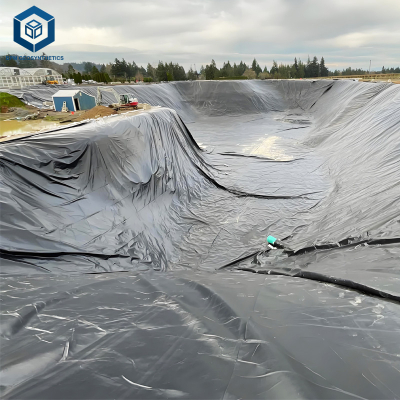
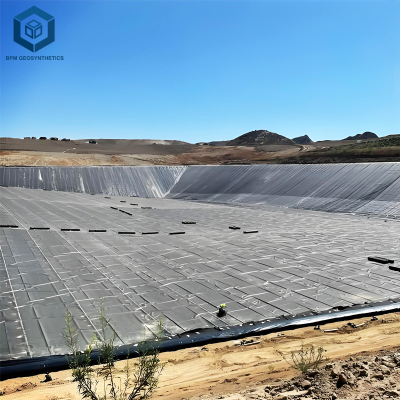
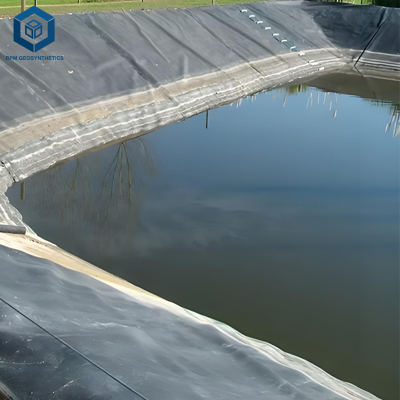
Geomembrane oxidation resistance test result
A geomembrane is a synthetic barrier material commonly used in applications such as landfills, wastewater treatment, and containment systems. The oxidation resistance of geomembranes is a critical factor in determining their long-term durability and performance, especially when exposed to environmental conditions such as UV radiation and heat. Understanding oxidation resistance test results helps engineers and procurement managers assess the suitability of geomembranes for specific applications.
Technical Parameters and Specifications
| Parameter | Typical Value | Notes |
|---|---|---|
| Oxidative Induction Time (OIT) | ≥ 60 minutes | Higher OIT indicates better resistance to oxidation, ensuring longevity in harsh environments. |
| Tensile Strength at Break | ≥ 20 MPa | Measures the material's ability to resist tearing under stress after exposure to oxidative conditions. |
| Elongation at Break | ≥ 500% | Indicates the geomembrane's flexibility, even after oxidation. |
| Oxidative Resistance | Good to Excellent | Critical for geomembranes used in outdoor applications with UV exposure. |
| UV Resistance | ≥ 80% retention after 5 years | Ensures protection against degradation from sunlight over time. |
| Service Life | 30-40 years | Depending on environmental exposure, geomembranes with high oxidation resistance last longer. |
Structure and Material Composition
Geomembranes are typically made from various polymers, with HDPE (High-Density Polyethylene) being the most common. The materials are engineered to provide optimal resistance to chemical degradation, UV exposure, and physical wear. The oxidation resistance of a geomembrane depends on:
Polymer Base: HDPE is chosen for its high strength and stability, offering superior oxidation resistance compared to other polymers.
Additives: Antioxidants and UV stabilizers are added to improve the material's resistance to oxidative degradation, especially under prolonged UV exposure.
Thickness: Thicker geomembranes typically show better resistance to oxidation as they provide an additional layer of protection.
Carbon Black: This additive is used to absorb UV radiation, reducing the likelihood of oxidation caused by sun exposure.
Manufacturing Process
The manufacturing of geomembranes with high oxidation resistance involves several engineering steps:
Material Selection: High-quality HDPE resin, supplemented with antioxidants and UV stabilizers, is selected to ensure the material is durable and resistant to oxidation.
Mixing and Additive Integration: The additives are blended with the resin during the extrusion process to enhance the geomembrane's performance in harsh environmental conditions.
Extrusion and Sheet Formation: The resin mixture is heated and extruded into sheets of varying thickness, typically ranging from 1.0 mm to 2.5 mm, depending on the application.
Curing and Cooling: After extrusion, the sheets are cooled and further treated to ensure uniform thickness and consistency in the material.
Quality Control: Rigorous testing is conducted to check for oxidation resistance, tensile strength, and elongation properties before the geomembrane is shipped to customers.
Industry Comparison: HDPE vs Other Geomembrane Materials
| Material | Oxidation Resistance | Advantages | Limitations |
|---|---|---|---|
| HDPE Geomembrane | Excellent | Superior resistance to oxidation, UV stability, chemical resistance | Requires proper installation; susceptible to punctures if mishandled |
| LDPE Geomembrane | Good | More flexible and easier to handle during installation | Less resistant to oxidation and UV degradation compared to HDPE |
| EPDM Geomembrane | Good | Excellent flexibility, especially in cold weather | Lower UV resistance, higher cost |
| PVC Geomembrane | Fair | Lower cost, good chemical resistance | Not as durable or resistant to oxidation as HDPE |
Applications of Geomembranes with High Oxidation Resistance
Geomembranes with excellent oxidation resistance are used in various applications, including:
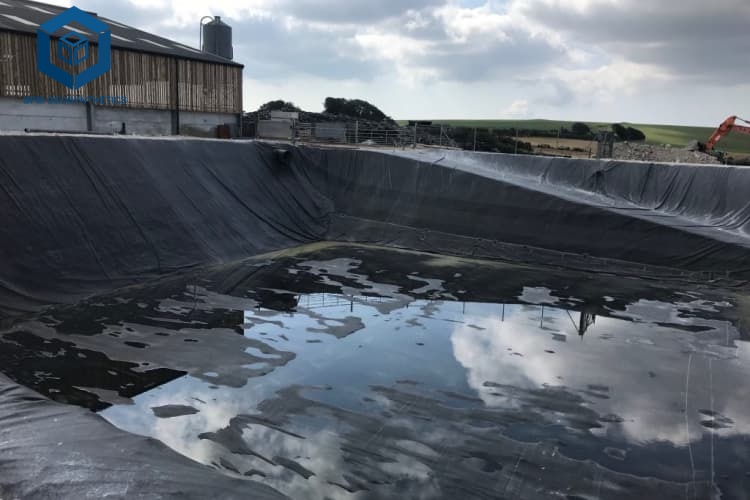
Landfill Liners: To prevent leachate from contaminating the surrounding environment.
Wastewater Treatment: Used in containment systems to manage and treat industrial and municipal waste.
Mining Operations: In tailings ponds to prevent hazardous runoff from mining sites.
Aquaculture: For lining ponds and tanks, offering UV protection and longevity in aquatic environments.
Core Pain Points and Solutions
UV Degradation:
Geomembranes exposed to sunlight can degrade over time. Solution: Use geomembranes with UV stabilizers and carbon black additives to enhance oxidation resistance.Mechanical Wear:
Geomembranes can experience physical damage during installation or from operational stresses. Solution: Choose thicker geomembranes and ensure proper handling during installation.Punctures and Tears:
Improper installation can cause punctures. Solution: Ensure proper site preparation and use protective materials during installation.Temperature Extremes:
Extreme temperatures can affect geomembrane performance. Solution: Select materials that perform well under the expected temperature range and conduct regular inspections.
Risk Warnings and Prevention Measures
Regularly inspect geomembranes for signs of wear, especially after extreme weather events or heavy use.
Follow manufacturer guidelines for installation to avoid damaging the geomembrane during handling or placement.
Ensure that installation teams are trained and certified in proper welding and seam techniques to prevent weaknesses.
Maintain proper storage conditions for geomembranes before installation, protecting them from UV exposure and physical damage.
Procurement Selection Guide
Evaluate Environmental Conditions: Consider UV exposure, temperature ranges, and potential chemical exposure to choose the right geomembrane.
Select Reliable Manufacturers: Choose manufacturers that conduct rigorous testing, including oxidation resistance and other performance metrics.
Request Samples: Always request material samples to conduct onsite tests, including tensile strength, OIT, and UV resistance.
Examine Warranty and Support: Ensure that your supplier provides warranties and technical support for the product.
Consult with Engineers: Work with engineering professionals to verify that the selected geomembrane meets the specific requirements of your project.
Consider Long-Term Maintenance: Plan for regular inspections and maintenance to ensure the geomembrane maintains its oxidation resistance over time.
Engineering Case Study
In a large-scale landfill project in Europe, HDPE geomembranes with superior oxidation resistance were selected to line a 100,000 m² waste cell. The geomembrane was tested for oxidative induction time (OIT) and tensile strength after 5 years of UV exposure. The results showed that the geomembrane maintained more than 85% of its original tensile strength and showed minimal oxidation, demonstrating excellent long-term performance even in harsh environmental conditions.
FAQ: Common Questions About Geomembrane Oxidation Resistance
1. What does OIT stand for?
OIT stands for Oxidative Induction Time, which measures the time it takes for a material to start oxidizing when exposed to heat and oxygen. A higher OIT indicates better oxidation resistance.
2. How do oxidation resistance test results affect geomembrane selection?
Test results help determine if the geomembrane is suitable for long-term outdoor applications. Higher oxidation resistance ensures the material will maintain its integrity over time, reducing maintenance costs.
3. Can HDPE geomembranes be used in hot climates?
Yes, HDPE geomembranes with adequate UV stabilizers and antioxidants are highly effective in hot climates, offering excellent resistance to oxidative degradation.
4. How long do HDPE geomembranes last in landfills?
Typically, HDPE geomembranes last 30-40 years in landfills, depending on environmental factors such as UV exposure, temperature, and the chemical makeup of the waste.
5. How often should geomembranes be inspected?
Geomembranes should be inspected at least once a year and after any significant weather events to ensure that there are no tears, punctures, or other signs of damage.
Request a Quote or Technical Documentation
If you need more information or would like a custom quote for your project, feel free to contact us. Our team is ready to provide technical datasheets, detailed quotations, or samples for your upcoming projects.
Author Expertise (E-E-A-T)
This article was authored by an environmental engineering specialist with over 20 years of experience in geosynthetics, including geomembranes used for waste containment, mining operations, and environmental protection. The author has worked on multiple large-scale projects and is recognized for their expertise in material science and construction technologies.