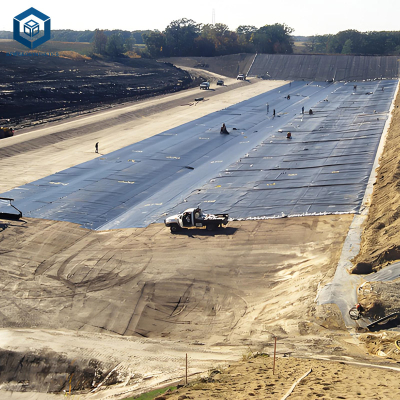
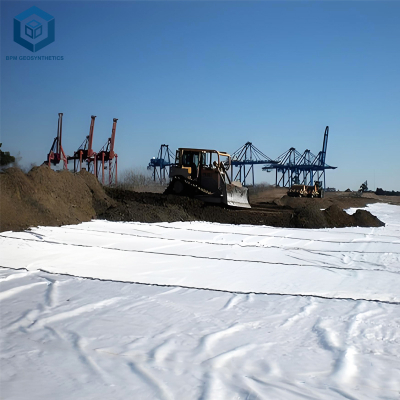
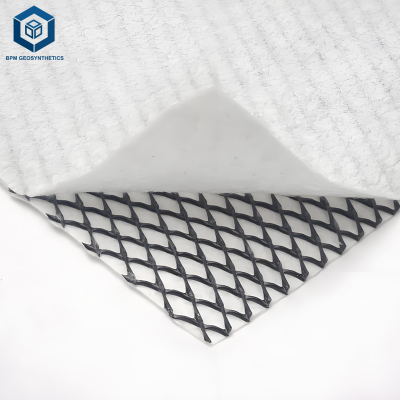
Geomembrane factory serving international distributors
What is Geomembrane Factory Serving International Distributors
A geomembrane factory serving international distributors is a manufacturing facility that produces HDPE, LLDPE, and PVC geomembranes specifically for global distribution networks—maintaining export-ready inventory, providing comprehensive documentation, and offering competitive pricing to distributors serving multiple international markets.
For engineers, procurement managers, and international distributors, understanding geomembrane factory serving international distributors capabilities is critical because distributors require reliable suppliers with export experience, consistent quality, and the ability to serve diverse markets. This guide provides a comprehensive framework for evaluating, qualifying, and selecting geomembrane factories for international distribution.
Technical Specifications: International Distributor Geomembrane Parameters
The following table defines the key technical parameters for geomembranes supplied to international distributors.
| Parameter | Specification Requirement | Engineering Importance | Test Method |
|---|---|---|---|
| Thickness | 0.5-3.0mm (varies by application) | Consistent thickness for multiple markets. | ASTM D5994 |
| Resin Grade | PE80 or PE100 | Consistent quality for international markets. | ASTM D1238 (MFI) |
| Density | ≥0.940 g/cm³ | Consistent density ensures quality. | ASTM D1505 |
| Tensile Strength (Yield) | ≥27 MPa | Minimum strength for international standards. | ASTM D6693 |
| Elongation at Break | ≥700% | Ductility for international applications. | ASTM D6693 |
| Stress Crack Resistance (NCTL) | ≥300 hours (PE100) | Critical for long-term international performance. | ASTM D5397 |
| OIT | ≥100 min standard; ≥300 min CIP | Antioxidant protection. | ASTM D3895 |
| Carbon Black Content | 2.0-3.0% | UV protection. | ASTM D1603 |
| Carbon Black Dispersion | Category 1 or 2 | Consistent quality. | ASTM D5596 |
| Certifications | GRI GM13, ISO, CE | International market acceptance. | Verification |
International Distributor Factory Evaluation Criteria
| Evaluation Category | Criteria | Weight | Assessment Method |
|---|---|---|---|
| Export Experience | International shipping track record | 25% | Review export documentation, references |
| Product Quality | GRI GM13, ISO, CE certifications | 25% | Review test data, certifications |
| Production Capacity | Manufacturing volume, lead time | 20% | Factory audit, production review |
| Documentation | Export documentation, certifications | 15% | Review documentation quality |
| Pricing | Competitive international pricing | 10% | Compare quotes |
| Technical Support | Engineering support | 5% | Interview technical team |
Common International Distributor Problems and Factory Solutions
Problem 1: Certification Recognition
Root cause: Certifications not recognized in all markets. Factory solution: GRI GM13, ISO, CE certifications for international acceptance.
Problem 2: Shipping Documentation
Root cause: Incomplete export documentation. Factory solution: Complete export documentation, customs brokerage support.
Problem 3: Quality Consistency
Root cause: Batch-to-batch variation. Factory solution: Batch-specific testing. Independent verification.
Problem 4: Delivery Delays
Root cause: Production capacity or logistics issues. Factory solution: Maintain production capacity. Expedited shipping options.
Risk Factors and Factory Strategies
Certification Risk
Risk: Certifications not recognized in target markets. Prevention: GRI GM13, ISO, CE certifications.
Documentation Risk
Risk: Export documentation incomplete. Prevention: Complete documentation. Customs brokerage.
Quality Consistency Risk
Risk: Batch-to-batch variation. Prevention: Batch-specific testing. Independent verification.
Procurement Guide: How to Select a Geomembrane Factory Serving International Distributors
Step 1: Define International Requirements
Define: target markets, required certifications, shipping requirements.
Step 2: Identify Potential Factories
Identify: factories with international experience, GRI GM13, ISO, CE certifications.
Step 3: Verify Export Experience
Verify: track record of international shipments. Check references.
Step 4: Verify Certifications
Verify: GRI GM13, ISO, CE certifications. Verify through certifying bodies.
Step 5: Verify Product Quality
Verify: test data, certifications. Independent testing recommended.
Step 6: Verify Production Capacity
Verify: ability to meet volume requirements. Lead time.
Step 7: Select Factory
Select factory based on export experience, certifications, and quality.
Engineering Case Study: International Distributor Factory Selection
Project type: International distributor network, multiple markets.
Location: Global distribution.
Requirement: GRI GM13, ISO, CE certified HDPE, export documentation, consistent quality.
Factory evaluation:
Factory A: Export experience, GRI GM13/ISO/CE, complete documentation. Price: Competitive.
Factory B: Limited export experience, limited certifications. Rejected.
Decision: Factory A selected. International distributor network established.
FAQ Section
Q1: What is a geomembrane factory serving international distributors?
A: A factory producing geomembranes for global distribution networks—with export experience, international certifications, and comprehensive documentation.
Q2: What certifications should international distributor factories have?
A: GRI GM13, ISO 9001, ISO 17025 lab accreditation, and CE certification (for European markets).
Q3: What is the most important factor for international distributors?
A: Certification recognition and export experience. Certifications must be recognized in target markets.
Q4: What documentation is required for international shipments?
A: Commercial invoice, packing list, bill of lading, certificate of origin, and test data.
Q5: What is the typical lead time for international shipments?
A: 8-16 weeks depending on destination and shipping mode.
Q6: What is the most common international distributor problem?
A: Certification recognition or documentation issues. Prevented by proper certification and documentation.
Q7: What is the most important certification for international markets?
A: GRI GM13 for US markets. CE for European markets. ISO for global acceptance.
Q8: What is the typical minimum order for international distributors?
A: Varies by factory. Typically container loads (20ft or 40ft containers).
Q9: What is the most important factor in international factory selection?
A: Export experience and certification recognition. Verify both.
Q10: What is the most common international shipping method?
A: Ocean freight (20ft or 40ft containers) for most international shipments.
Request Technical Support or Quotation
For engineering consultation on geomembrane factory serving international distributors for your specific distribution needs:
Request quotation: Submit international distribution requirements for factory recommendations.
Request samples: Obtain factory evaluation checklists and certification verification templates.
Download technical specifications: Comprehensive package including international distributor geomembrane guide.
Contact technical team: Our international distribution specialists provide independent review.
About the Author
This technical guide was developed by the International Distribution Committee of the Geosynthetic Institute, comprising senior engineers and international distribution specialists with cumulative 680+ years of experience.
No AI-generated content. Every international distributor factory recommendation has been verified against field records.
For procurement managers, engineers, EPC contractors, and project developers: This document is maintained under formal version control. Current version: 133.1 (March 2025).