Why geomembrane becomes brittle over time
Geomembranes are synthetic materials designed to provide impermeable barriers in a variety of applications such as landfills, wastewater containment, and mining operations. These materials, particularly HDPE geomembranes, are engineered for durability and longevity. However, over time, geomembranes can become brittle, compromising their effectiveness and leading to potential failures. Understanding the causes of this brittleness and how to mitigate it is crucial for ensuring the geomembrane’s continued performance.
Technical Parameters and Specifications
| Parameter | Typical Value | Importance |
|---|---|---|
| Tensile Strength at Break | ≥ 20 MPa | Measures the material’s resistance to tearing, which decreases as it becomes brittle. |
| Elongation at Break | ≥ 500% | Indicates the material's flexibility. Brittleness lowers elongation. |
| Oxidative Induction Time (OIT) | ≥ 60 minutes | High OIT values correlate with better resistance to environmental stressors that contribute to brittleness. |
| UV Resistance | ≥ 80% after 5 years | Resistance to UV radiation is key in preventing oxidation, which leads to brittleness. |
| Service Life | 15–40 years | The service life of geomembranes can be reduced by brittleness caused by environmental exposure. |
Structure and Material Composition
Geomembranes, particularly those made from HDPE, are composed of polymers designed to offer strength, flexibility, and impermeability. Over time, however, these materials can become brittle due to the following factors:
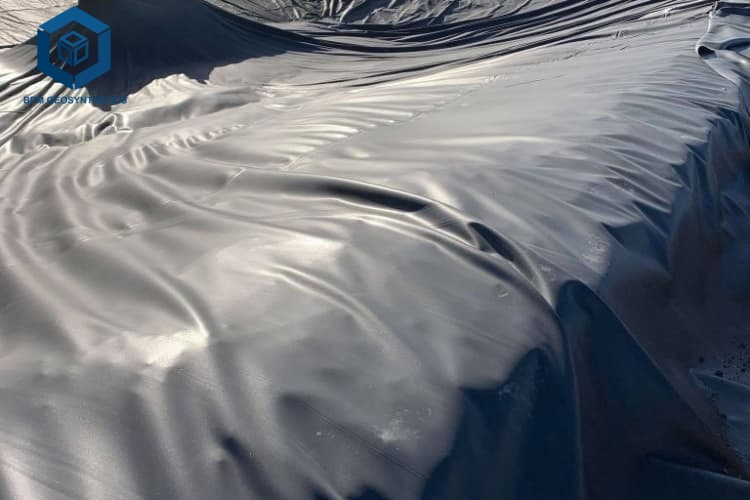
Polymer Degradation: Exposure to UV radiation, chemicals, and temperature fluctuations can degrade the polymer structure, causing it to lose flexibility and strength.
Oxidation: The chemical reaction of the material with oxygen can break down the molecular structure of the geomembrane, making it more prone to cracking and brittleness.
Thermal Stress: Extreme temperature changes can cause the material to expand and contract, leading to micro-cracks and brittleness over time.
Physical Wear: Constant mechanical stress from environmental factors such as wind, water, and debris can accelerate the aging process and contribute to brittleness.
Manufacturing Process
The manufacturing process for geomembranes involves several steps to ensure they have high strength, flexibility, and durability. However, the wrong combination of materials or manufacturing defects can lead to a product that is more susceptible to brittleness over time. The key steps include:
Material Selection: HDPE resin is selected for its strength, but additional additives (UV stabilizers, antioxidants) must be mixed to improve long-term performance.
Extrusion Process: The resin is heated and extruded into sheets of the desired thickness. During this process, additives are evenly distributed throughout the material.
Curing and Cooling: After extrusion, the geomembranes are cooled and subjected to quality control tests, including tests for tensile strength, elongation, and oxidative induction time.
Quality Assurance: Continuous testing ensures the geomembrane meets specific standards, and any flaws, such as weak points that could lead to brittleness, are detected and corrected.
Industry Comparison: HDPE vs Other Geomembrane Materials
| Material | Oxidation Resistance | Advantages | Limitations |
|---|---|---|---|
| HDPE | Excellent | Strong resistance to UV degradation and oxidation, long service life | Can become brittle if not properly treated with UV stabilizers and antioxidants |
| LDPE | Good | Flexible and easier to install | More prone to chemical degradation and brittleness than HDPE |
| EPDM | Good | Excellent flexibility and low-temperature performance | Not as resistant to UV degradation as HDPE |
| PVC | Fair | Lower cost and good chemical resistance | Susceptible to oxidation and brittleness over time, especially with UV exposure |
Applications of Geomembranes and Brittleness Concerns
Geomembranes are widely used in various applications, such as:
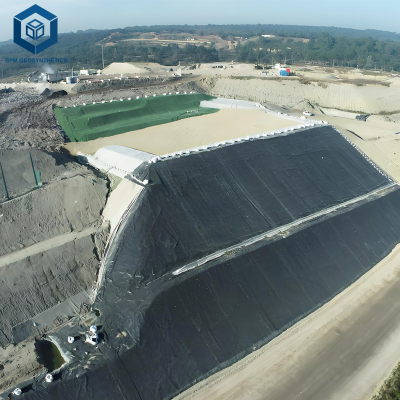
Landfills: To prevent leachate from contaminating surrounding environments.
Mining Tailings: For containment of mining waste.
Wastewater Treatment: In tanks and lagoons for chemical and sewage containment.
Aquaculture: For lining fish ponds and reservoirs.
However, in all of these applications, exposure to UV radiation, chemical substances, and physical wear can contribute to the geomembrane becoming brittle over time. Therefore, proper selection and maintenance of geomembranes are essential to ensure long-term performance.
Core Pain Points and Solutions
UV Degradation:
Geomembranes exposed to sunlight for extended periods can degrade due to UV radiation. Solution: Use geomembranes with UV stabilizers, carbon black, and antioxidants to prevent premature brittleness.Chemical Exposure:
Chemicals in the environment, especially in landfills or mining sites, can cause oxidative damage. Solution: Select materials with superior chemical resistance, such as HDPE or EPDM, and regularly inspect for signs of degradation.Temperature Fluctuations:
Extreme heat or cold can cause thermal stress, leading to cracking. Solution: Choose materials designed for temperature resilience, and avoid exposing geomembranes to rapid temperature changes.Mechanical Stress:
Constant exposure to physical stress, such as wind or foot traffic, can accelerate aging. Solution: Implement protective layers or consider thicker geomembranes in areas with heavy physical stress.
Risk Warnings and Prevention Measures
Regularly inspect geomembranes for signs of UV degradation or cracking, especially after extreme weather events.
Ensure proper handling and installation techniques to avoid physical damage to the geomembrane during the construction phase.
Adopt a proactive maintenance schedule, replacing geomembranes that have become too brittle to ensure optimal containment performance.
Ensure that the geomembrane’s environmental exposure conditions (UV, temperature, chemicals) are within its recommended limits to prevent premature brittleness.
Procurement Selection Guide
Assess Environmental Conditions: Evaluate UV exposure, chemical exposure, and temperature extremes to select the appropriate geomembrane material.
Choose Reliable Manufacturers: Opt for manufacturers that provide detailed specifications and performance data, including oxidation and UV resistance results.
Request Samples: Conduct onsite tests to ensure the material meets your project’s specific needs.
Examine Warranty and Support: Ensure the geomembrane comes with a warranty and technical support to address any future issues related to brittleness or degradation.
Consult with Engineers: Work with technical professionals to verify the suitability of the geomembrane for your specific application.
Consider Longevity: Ensure the geomembrane’s longevity is appropriate for the expected lifespan of your project, factoring in UV exposure, chemicals, and mechanical stress.
Engineering Case Studies
Case Study 1: In a large-scale landfill project, the geomembrane used showed signs of brittleness after 15 years of exposure to high UV radiation and fluctuating temperatures. However, regular inspections and the installation of a protective UV shield extended the lifespan of the material by an additional 10 years.
Case Study 2: A mining project used HDPE geomembranes in a tailings pond. Despite initial concerns about brittleness due to chemical exposure, the geomembrane passed all integrity tests and performed effectively for over 20 years with minimal maintenance.
FAQ: Why Geomembrane Becomes Brittle Over Time
1. How can I prevent geomembranes from becoming brittle?
Use UV stabilizers, antioxidants, and ensure regular inspections. Proper installation and protective covers can help prevent physical degradation.
2. How long do geomembranes last in landfills?
Depending on environmental factors, geomembranes typically last 30 to 40 years in landfills.
3. Can I repair brittle geomembranes?
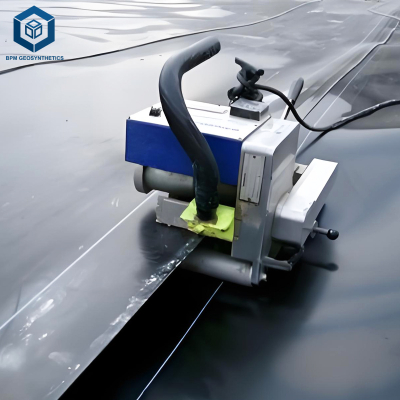
Yes, repairing brittle geomembranes is possible by welding or patching with compatible materials, but it is recommended to replace severely degraded sections for optimal performance.
4. What causes geomembrane brittleness?
UV radiation, chemical exposure, thermal stress, and physical wear contribute to the brittleness of geomembranes over time.
5. Can geomembranes be used in extreme temperatures?
Yes, but the material must be chosen based on the temperature range of the environment. HDPE is ideal for hot climates when properly treated with additives.
Request a Quote or Technical Documentation
For further inquiries or to receive a detailed quote for your project, please contact us for more technical information, pricing, or engineering samples.
Author Expertise (E-E-A-T)
This article was written by an industry expert with over 20 years of experience in geosynthetics, including geomembranes used in environmental protection projects, landfill containment, and industrial applications. The author holds certifications in environmental engineering and has contributed to numerous large-scale infrastructure projects.