How to Choose the Right Geomembrana HDPE 30 mils
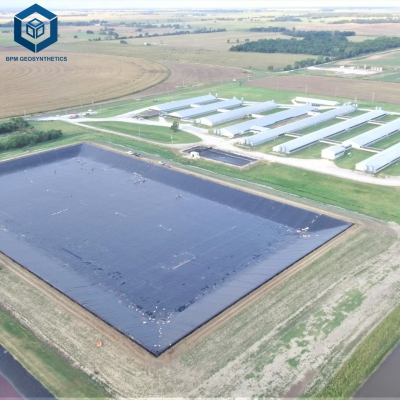
Geomembrana HDPE 30 mils is a high-density polyethylene geomembrane with a nominal thickness of 0.75 mm, designed as an impermeable barrier for environmental containment systems such as ponds, landfills, wastewater lagoons, and mining facilities.
Technical Parameters and Specifications
Selecting the correct geomembrana HDPE 30 mils requires understanding its engineering properties and compliance with industry standards used in containment infrastructure projects.
| Parameter | Typical Value | Engineering Significance |
|---|---|---|
| Thickness | 30 mil (0.75 mm) | Defines puncture resistance and durability |
| Density | ≥0.940 g/cm³ | Ensures HDPE classification and chemical stability |
| Tensile Strength | ≥27 kN/m | Resistance to mechanical stress and deformation |
| Elongation at Break | ≥700% | Allows flexibility under ground settlement |
| Carbon Black Content | 2–3% | Provides UV protection for outdoor applications |
| Puncture Resistance | ≥320 N | Prevents damage from sharp subgrade materials |
| Operating Temperature | -60°C to 60°C | Suitable for most climate zones |
Structure and Material Composition
The performance of geomembrana HDPE 30 mils is determined by its polymer formulation and structural composition.
HDPE Base Resin – Provides the core impermeable structure and chemical resistance.
Carbon Black Additives – Protect the membrane against ultraviolet radiation.
Antioxidants – Prevent thermal oxidation during manufacturing and long-term service.
Processing Stabilizers – Maintain material consistency during extrusion.
Optional Textured Surface – Improves friction performance on slopes and embankments.
These components ensure long-term containment performance in demanding environmental conditions.
Manufacturing Process
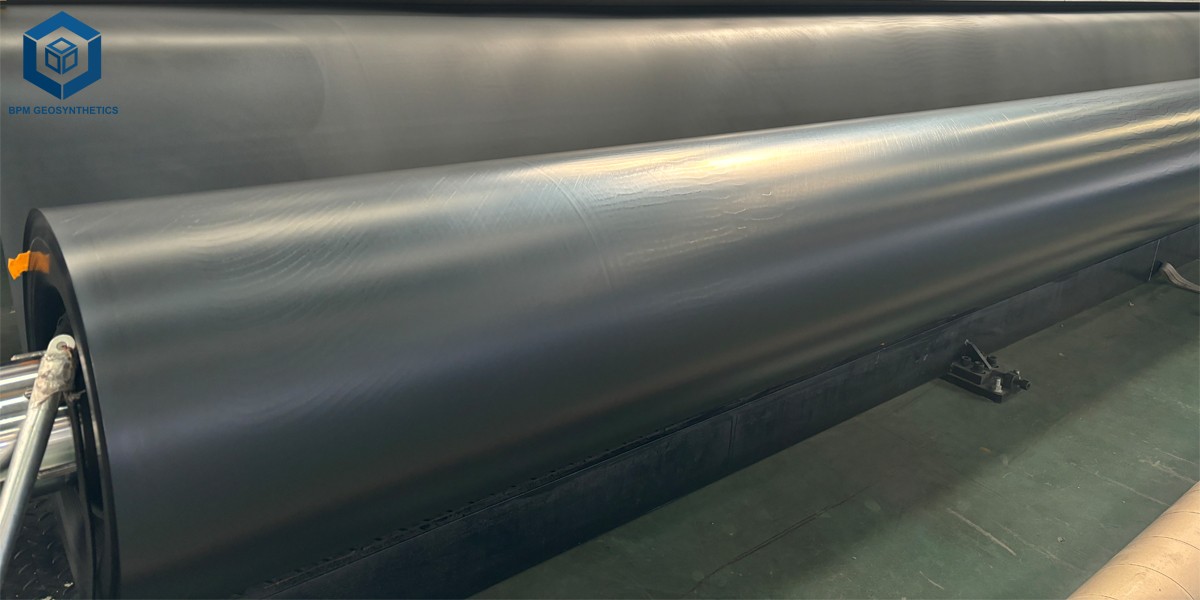
Geomembrana HDPE 30 mils is produced through a controlled extrusion manufacturing process designed to maintain consistent thickness and mechanical strength.
Step 1: Raw Material Blending
HDPE resin pellets are blended with carbon black and stabilizing additives using automated mixing systems.
Step 2: Polymer Melting
The blended material is fed into a high-temperature extrusion system where it is melted and homogenized.
Step 3: Sheet Extrusion
Molten polymer is forced through a flat die to form a continuous geomembrane sheet.
Step 4: Thickness Calibration
Cooling rollers stabilize sheet thickness to maintain consistent 30 mil specifications.
Step 5: Surface Texturing (Optional)
Embossing rollers create textured surfaces when higher friction is required for slope stability.
Step 6: Quality Inspection
Finished rolls are tested for tensile strength, carbon black dispersion, and thickness tolerance before shipment.
Industry Comparison
| Material | Durability | Chemical Resistance | Cost Level | Typical Applications |
|---|---|---|---|---|
| HDPE 30 mil | High | Excellent | Moderate | Ponds, wastewater lagoons |
| PVC Liner | Medium | Moderate | Lower | Irrigation reservoirs |
| EPDM Rubber | High | Good | Higher | Decorative ponds |
| Concrete Lining | Medium | Low | High installation cost | Canals and reservoirs |
Application Scenarios
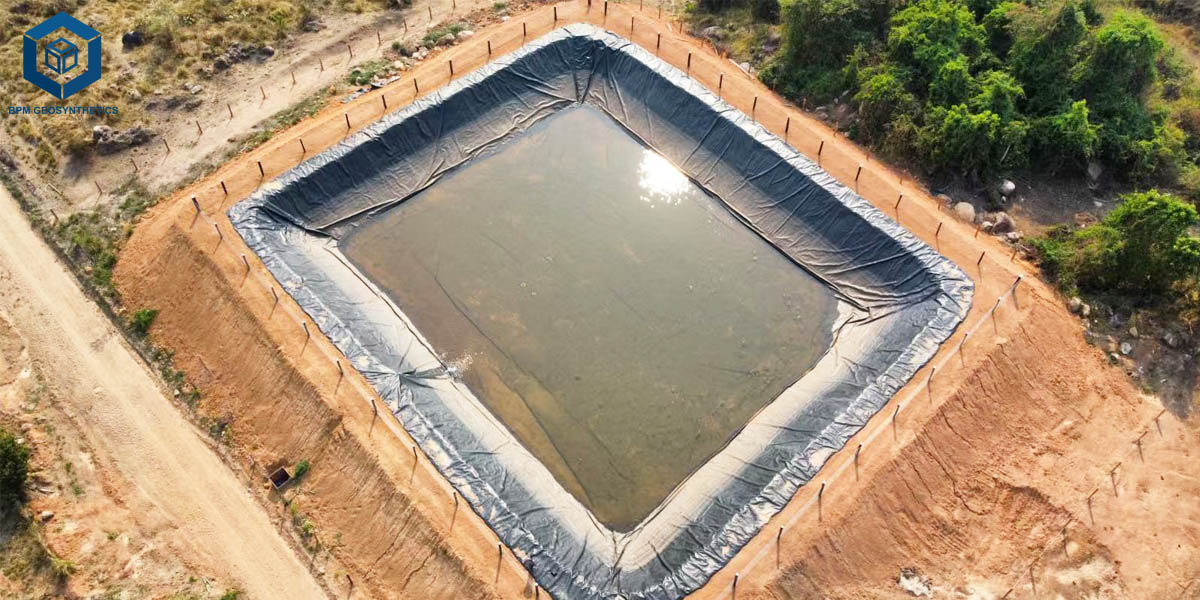
Geomembrana HDPE 30 mils is widely used across multiple containment and environmental protection projects.
Agricultural irrigation ponds
Wastewater treatment lagoons
Industrial evaporation ponds
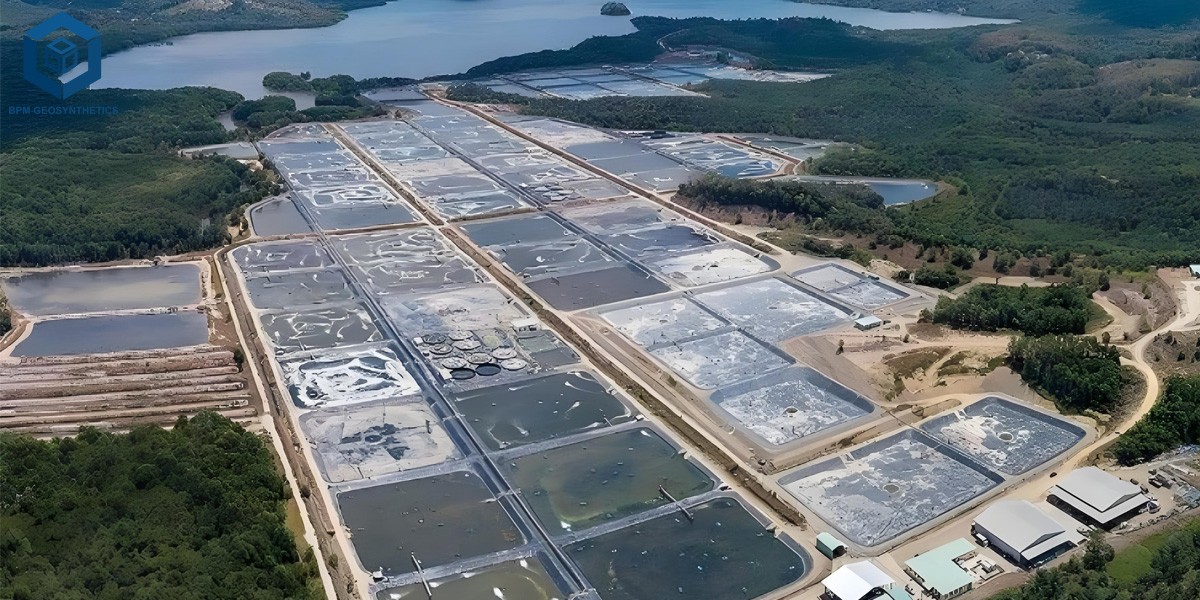
Aquaculture and fish farming ponds
Secondary containment for chemical storage
Stormwater retention reservoirs
Typical project stakeholders include EPC contractors, environmental engineers, infrastructure developers, and geomembrane distributors.
Core Problems and Engineering Solutions
Puncture Damage During Installation
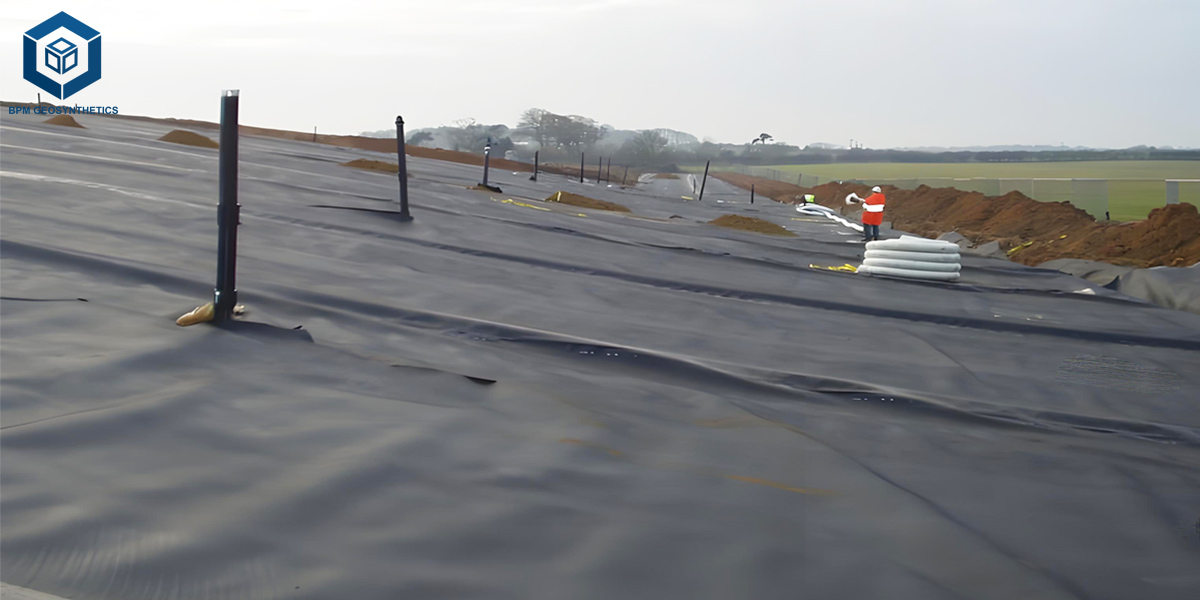
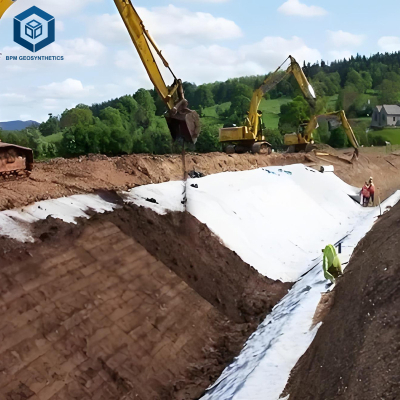
Install non-woven geotextile protection layers beneath the liner.UV Degradation Over Time
Ensure the geomembrane contains certified carbon black additives.Seam Leakage
Use hot wedge welding combined with vacuum testing to ensure seam integrity.Slope Sliding Issues
Select textured geomembrana HDPE 30 mils for improved friction performance.
Risk Warnings and Prevention Recommendations
Improper installation or incorrect liner selection can lead to containment failure and environmental risk.
Always conduct a subgrade inspection before installation.
Avoid installing liners on surfaces with sharp rocks or debris.
Follow standardized geomembrane welding procedures.
Perform seam testing during installation.
Store liner rolls away from direct sunlight before installation.
Procurement and Selection Guide
Choosing the right geomembrana HDPE 30 mils requires systematic evaluation from an engineering and procurement perspective.
Identify the containment application and liquid characteristics.
Confirm whether 30 mil thickness is sufficient for puncture resistance.
Evaluate compliance with international geomembrane standards.
Review manufacturer testing reports and quality certifications.
Consider installation conditions such as slopes and subgrade roughness.
Request product samples and laboratory testing documentation.
Verify supplier capability for large-scale project delivery.
Engineering Case Study
A municipal wastewater treatment facility required a containment liner for a 60,000 m² lagoon system designed to store treated effluent before discharge.
Engineers selected geomembrana HDPE 30 mils due to its cost-effective balance between durability and installation efficiency.
The liner system included a non-woven geotextile protective layer and double-track welding for seam construction. After five years of operation, the lagoon continues to operate without leakage or structural issues.
Frequently Asked Questions (FAQ)
1. What does 30 mil thickness mean?
It represents a thickness of approximately 0.75 mm.
2. Is 30 mil geomembrane suitable for ponds?
Yes, it is commonly used for irrigation and aquaculture ponds.
3. How long can HDPE 30 mil liners last?
Typical service life ranges from 20 to 30 years.
4. Is HDPE resistant to chemicals?
Yes, HDPE has excellent resistance to most industrial chemicals.
5. Can geomembrane liners be repaired?
Yes, damaged areas can be repaired using extrusion welding techniques.
6. Are textured liners necessary?
They are recommended when installing on slopes.
7. What welding method is used?
Hot wedge welding and extrusion welding are commonly used.
8. Do liners require protective layers?
Yes, geotextile layers help prevent puncture damage.
9. What roll sizes are typical?
Standard rolls are often 6–8 meters wide depending on manufacturer.
10. Is HDPE liner environmentally safe?
Yes, it is widely used in environmental containment systems.
Request Technical Data or Quotation
If you are evaluating geomembrana HDPE 30 mils for an engineering project, technical documentation and material testing are critical for procurement decisions.
Technical specification sheets
Laboratory testing reports
Material samples for evaluation
Project-specific pricing quotations
Contact our engineering team to request detailed technical information, project consultation, or commercial quotations for large-scale geomembrane supply.
Author Expertise (E-E-A-T)
This article was prepared by engineers specializing in geomembrane manufacturing and containment system design with more than 15 years of industry experience across landfill, mining, wastewater, and environmental protection infrastructure projects.