Geomembrane seam peel strength test failure
In geomembrane containment systems, seam integrity is the most critical factor determining long-term liner performance. When a geomembrane seam peel strength test failure occurs, it indicates that the welded seam cannot sustain the mechanical load required by engineering standards. Such failures may lead to leakage risks, regulatory non-compliance, or expensive remediation work.
This technical guide explains the engineering reasons behind geomembrane seam peel strength test failure, including welding parameters, material compatibility, inspection methods, and procurement considerations. The information is intended for procurement managers, EPC contractors, engineers, and geomembrane distributors involved in containment system construction.
Definition of Geomembrane Seam Peel Strength Test Failure
A geomembrane seam peel strength test failure occurs when a welded geomembrane seam does not meet the minimum peel strength requirements during destructive testing. The test evaluates the bonding quality between overlapping sheets to ensure the welded joint performs as a continuous impermeable barrier.
Technical Parameters and Testing Specifications
Peel strength testing for geomembrane seams is generally conducted according to ASTM or GRI standards. Key parameters include material thickness, welding temperature, and minimum seam strength requirements.
| Parameter | Typical Range | Standard Reference |
|---|---|---|
| Geomembrane Thickness | 0.75 mm – 2.5 mm | GRI GM13 / ASTM D5199 |
| Peel Strength Requirement | ≥ 70% of sheet tensile strength | ASTM D6392 |
| Welding Temperature | 220 – 450 °C | Equipment dependent |
| Overlap Width | 100 – 150 mm | Industry practice |
| Welding Speed | 1.5 – 3.5 m/min | Field calibration |
Structure and Material Composition of Geomembrane Seams
A properly welded geomembrane seam typically includes the following structural components:
Base geomembrane sheet – HDPE, LLDPE, or PVC liner
Overlap zone – standard overlap of 100–150 mm
Dual-track weld – two fusion welds with air channel
Air pressure test channel – enables nondestructive leak testing
Extrusion weld (repair zones) – used for patches and detailing
Improper bonding between these layers is the main cause of geomembrane seam peel strength test failure.
Manufacturing and Welding Process
Step 1 – Surface Preparation
Geomembrane sheets must be clean, dry, and free of dust, moisture, and oxidation before welding begins.
Step 2 – Equipment Calibration
Automatic hot wedge welders are calibrated for temperature, speed, and pressure based on liner thickness.
Step 3 – Trial Weld Testing
Field technicians conduct trial seams and perform peel and shear tests before production welding begins.
Step 4 – Production Welding
Continuous welding is performed using dual-track hot wedge welding machines.
Step 5 – Non-Destructive Testing
Air pressure testing or vacuum testing verifies seam integrity before destructive sampling.
Step 6 – Destructive Peel Strength Testing
Samples are cut from completed seams and tested using tensile testing equipment to verify compliance.
Industry Comparison of Liner Seaming Methods
| Seaming Method | Typical Use | Peel Strength Reliability | Cost Impact |
|---|---|---|---|
| Hot Wedge Welding | HDPE geomembranes | Very High | Moderate |
| Extrusion Welding | Repairs / patches | High | Higher labor cost |
| Solvent Welding | PVC liners | Moderate | Low |
| Adhesive Bonding | Temporary seams | Low | Low |
Application Scenarios
Understanding geomembrane seam peel strength test failure is essential in large containment systems where seam integrity directly affects environmental safety.
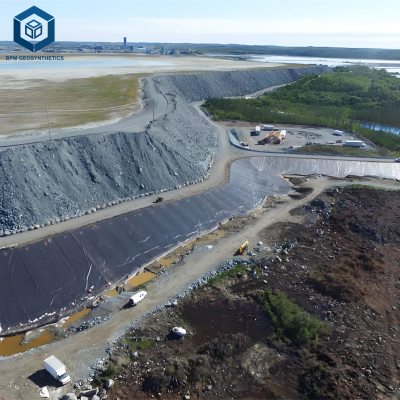
Mining tailings storage facilities
Waste landfill liner systems
Agricultural irrigation ponds
Wastewater treatment lagoons
Industrial chemical containment
Aquaculture pond liners
In these projects, EPC contractors and engineering consultants must verify seam quality through rigorous testing procedures.
Core Pain Points and Engineering Solutions
1. Incorrect Welding Temperature
Improper temperature settings may cause weak fusion between sheets.
Solution:
Perform trial welding daily
Adjust parameters based on ambient conditions
2. Contaminated Seam Surfaces
Dust, moisture, or oxidation can prevent proper bonding.
Solution:
Clean seam area before welding
Use grinding tools for oxidation removal
3. Inconsistent Welding Speed
Excessively fast welding reduces heat transfer.
Solution:
Maintain controlled welding speeds
Use automated welding equipment
4. Poor Operator Training
Untrained installers frequently produce inconsistent seams.
Solution:
Use certified geomembrane welding technicians
Follow approved installation procedures
Risk Warnings and Prevention Recommendations
Never rely solely on visual seam inspection.
Perform both destructive and nondestructive seam tests.
Avoid welding during extreme weather conditions.
Ensure welding equipment is regularly calibrated.
Use certified geomembrane materials that meet GRI standards.
Ignoring these precautions increases the probability of geomembrane seam peel strength test failure and long-term containment risks.
Procurement and Selection Guide
Engineering teams should follow these steps when selecting geomembrane liner systems and welding contractors:
Confirm geomembrane material complies with GRI GM13 or equivalent standards.
Verify installer certifications and welding qualifications.
Review welding equipment specifications.
Request sample seam test reports.
Evaluate previous project references.
Ensure quality control procedures are documented.
Engineering Case Example
A mining tailings containment project in South America installed a 1.5 mm HDPE geomembrane liner over a 120,000 m² area. During quality control testing, several seam samples showed geomembrane seam peel strength test failure due to excessive welding speed and low wedge temperature.
After recalibrating welding equipment and retraining installation crews, the project achieved compliant peel strength values exceeding 85% of the sheet tensile strength. The corrective measures prevented potential leakage and ensured regulatory compliance.
FAQ – Geomembrane Seam Peel Strength Test Failure
1. What causes geomembrane seam peel strength test failure?
Common causes include incorrect welding temperature, contamination, and poor welding speed control.
2. What test standard is used for seam peel testing?
ASTM D6392 is the most widely used standard.
3. What is the typical peel strength requirement?
Most specifications require seam strength to reach at least 70% of the parent sheet strength.
4. How often should destructive seam tests be performed?
Typically every 150–200 meters of welded seam.
5. Can failed seams be repaired?
Yes, using extrusion welding after removing defective sections.
6. Does geomembrane thickness affect seam strength?
Yes, thicker liners require adjusted welding temperature and pressure.
7. What equipment is used for seam testing?
Tensile testing machines capable of controlled peel testing.
8. Are nondestructive tests sufficient?
No. They must be combined with destructive seam tests.
9. How does weather affect welding quality?
Cold or windy conditions reduce heat transfer efficiency.
10. Who should perform seam testing?
Qualified quality control technicians or third-party inspectors.
Request Technical Data or Project Quotation
For engineering specifications, installation guidelines, or pricing information for geomembrane liner systems, contact our technical team.
We provide:
Geomembrane technical datasheets
Engineering design support
Sample materials for testing
Project cost estimation
Submit your project requirements to receive a detailed quotation and technical documentation.
Author & Technical Authority
This article was prepared by a geomembrane engineering specialist with over 12 years of experience in containment system design and liner installation consulting. The author has participated in landfill, mining, wastewater, and irrigation reservoir projects across Asia, Africa, and South America.
Technical guidance follows international geomembrane standards including ASTM, GRI, and ISO testing protocols commonly used in large-scale environmental containment projects.