Geomembrane for biogas pond which type is better
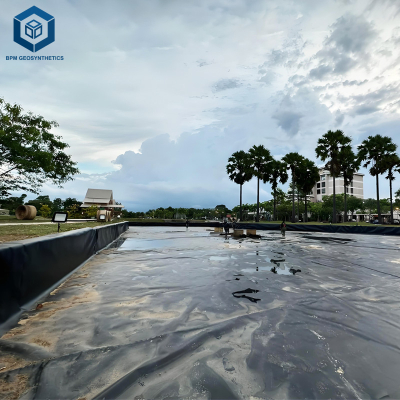
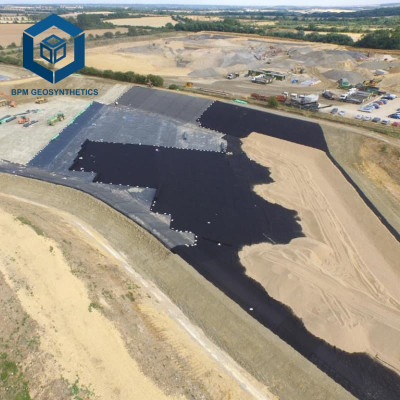
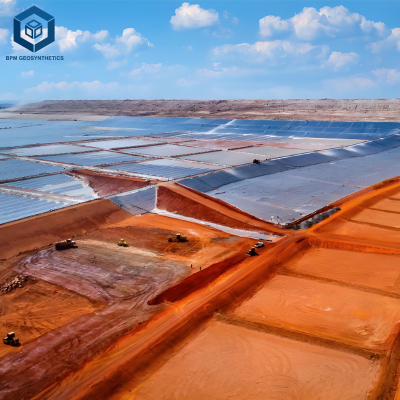
Geomembrane for biogas pond which type is better refers to the selection of suitable liner materials used in anaerobic digestion ponds for biogas production. These geomembranes must provide gas-tight sealing, chemical resistance, and long-term durability to ensure stable methane generation and environmental protection in industrial and agricultural biogas systems.
Technical Parameters & Specifications
| Parameter | Recommended Specification |
|---|---|
| Material Type | HDPE / LLDPE / PVC Geomembrane |
| Thickness | 1.0 – 2.0 mm |
| Density (HDPE) | ≥ 0.94 g/cm³ |
| Tensile Strength | ≥ 20 – 27 kN/m |
| Elongation at Break | ≥ 600% |
| Gas Permeability | Very Low (HDPE best performance) |
| Chemical Resistance | High (resistant to organic acids and slurry) |
| Service Life | 10 – 20 years |
Structure & Material Composition
HDPE/LLDPE Base Layer: Provides impermeability and structural strength
Carbon Black (2–3%): UV resistance and anti-aging
Plasticizers (PVC only): Improve flexibility
Antioxidants: Enhance long-term durability
Optional Reinforcement: Scrim layers for gas-tight covers
Manufacturing Process
Raw Material Blending: Resin, stabilizers, and additives mixing.
Extrusion/Calendaring: Sheet formation depending on material type.
Thickness Calibration: Ensures uniform membrane properties.
Cooling & Stabilization: Maintains mechanical integrity.
Surface Treatment: Smooth or textured depending on application.
Quality Testing: Gas permeability, tensile strength, chemical resistance.
Industry Comparison: Which Type Is Better?
| Material | Gas Tightness | Flexibility | Durability | Best Use |
|---|---|---|---|---|
| HDPE Geomembrane | Excellent | Low | Very High | Bottom liner, long-term containment |
| LLDPE Geomembrane | High | High | High | Flexible base and slopes |
| PVC Membrane | Medium | Very High | Medium | Gas cover applications |
Conclusion: Which Type Is Better?
For most biogas pond projects, HDPE geomembrane is the best choice for bottom liners due to its chemical resistance and durability, while LLDPE or reinforced PVC may be used for flexible covers requiring gas-tight sealing and adaptability.
Application Scenarios
Agricultural Biogas Plants: Livestock waste treatment ponds
Industrial Biogas Projects: Food processing and wastewater digestion
EPC Contractors: Design and installation of anaerobic systems
Environmental Engineers: Waste-to-energy projects
Core Pain Points & Solutions
Gas Leakage:
Solution: Use low-permeability HDPE liner and sealed welding system.Chemical Degradation from Slurry:
Solution: Select HDPE with high chemical resistance.Cover Flexibility Issues:
Solution: Use LLDPE or PVC for gas collection covers.Installation Challenges:
Solution: Ensure proper welding equipment and trained technicians.Short Service Life:
Solution: Use UV-stabilized materials with verified additives.
Risk Warnings & Mitigation
Improper material selection → gas leakage and efficiency loss.
Poor welding → methane escape and safety hazards.
Inadequate thickness → puncture from debris.
UV degradation → reduced lifespan of exposed liners.
Procurement & Selection Guide
Define biogas pond design (capacity, gas production).
Select geomembrane type (HDPE for base, flexible for cover).
Specify thickness (≥1.5 mm for base liner).
Request chemical resistance and gas permeability data.
Verify supplier production standards and certifications.
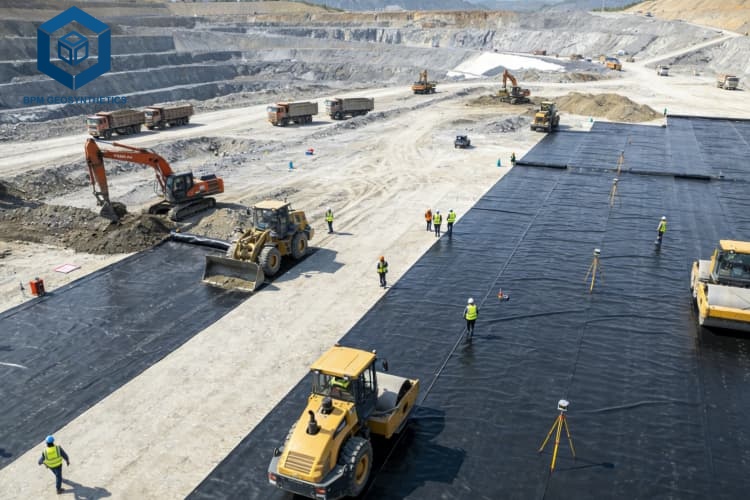
Evaluate installation support and welding expertise.
Consider long-term maintenance and replacement cost.
Engineering Case Study
A livestock biogas project installed a 1.5 mm HDPE geomembrane base liner combined with a flexible PVC cover for gas collection. The system achieved stable methane production with minimal leakage over 6 years, demonstrating the effectiveness of combining rigid and flexible geomembrane types.
FAQ (Frequently Asked Questions)
1. Which geomembrane is best for biogas pond?
HDPE for base liner, PVC/LLDPE for cover.2. Why is HDPE preferred?
High chemical resistance and durability.3. What thickness is recommended?
1.0–2.0 mm depending on design.4. Is gas tightness important?
Yes, critical for methane capture efficiency.5. Can PVC be used?
Yes, mainly for flexible covers.6. What is service life?
10–20 years depending on conditions.7. Is installation complex?
Requires professional welding and sealing.8. What is main failure risk?
Leakage due to poor welding or material selection.9. Is UV resistance necessary?
Yes, especially for exposed covers.10. Can LLDPE replace HDPE?
Only in flexible applications, not for base liner.11. What affects cost?
Material type, thickness, and project size.
Call to Action (CTA)
For expert guidance on geomembrane for biogas pond which type is better, including material selection, technical specifications, and project-based quotations, contact our engineering team. We support EPC contractors and developers with complete biogas containment solutions.
E-E-A-T: Authoritative Expertise
This article is prepared by geosynthetics engineers with over 10 years of experience in environmental and biogas engineering projects. Our team has delivered geomembrane solutions for anaerobic digestion systems worldwide, ensuring performance, durability, and compliance with industrial standards.