Ultimate Guide to Choosing Right Stock Tank Liner
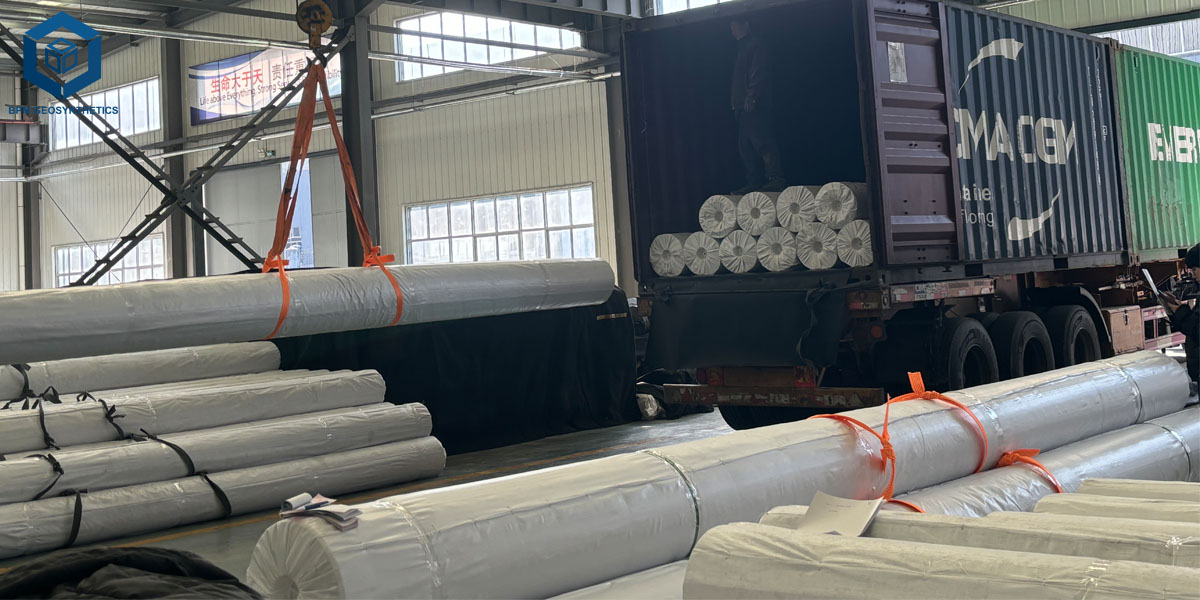
In modern society, whether it is a public swimming pool or reservoir, or an irrigation pond in the agricultural field, or even a small reservoir for home use, the requirements for water quality and waterproof performance are getting higher and higher. In this context, HDPE (high-density polyethylene) anti-seepage membrane has become an ideal choice in pool construction due to its excellent performance and wide application prospects. The following article aims to discuss how to choose the appropriate stock tank liner.
1. Basic Characteristics of Stock Tank Liner
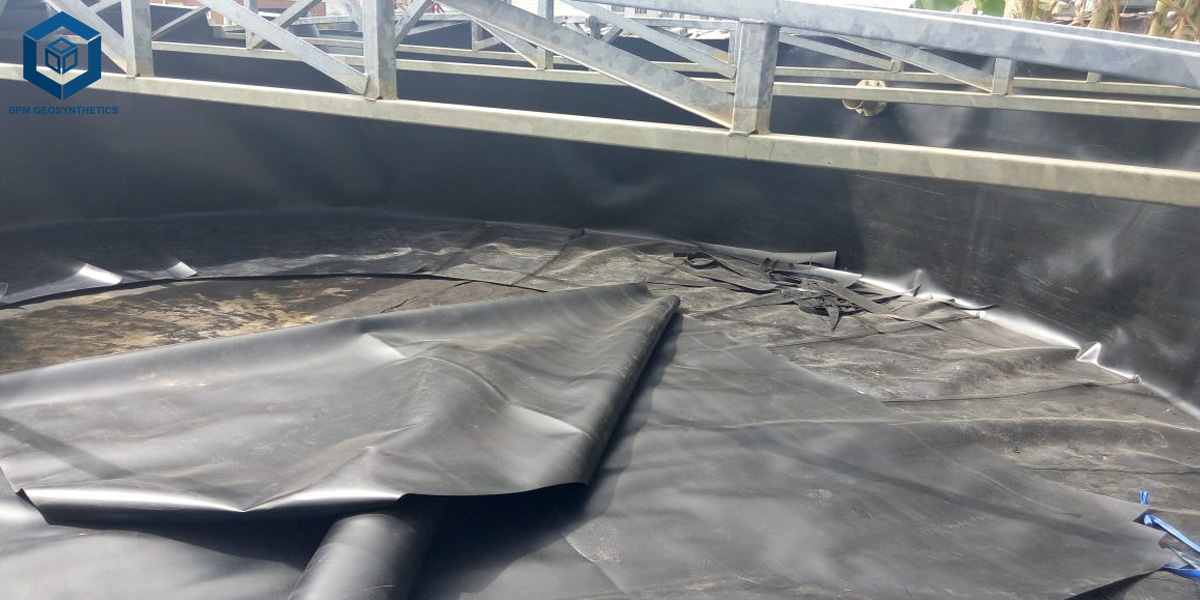
HDPE Geomembrane as Stock Tank Liner is a film made of high-density polyethylene material with excellent waterproof and anti-seepage properties. Its molecular structure is tight and can effectively prevent the penetration of water molecules, ensuring that the water in the pool remains clean and stable. In addition, stock pond liner also has good corrosion resistance, aging resistance and UV resistance, and can operate stably for a long time in various harsh environments.
2. Application of Stock Tank Liner
2.1 Waterproof and Anti-seepage
The main function of lining a pond is waterproof and anti-seepage. In the construction of pond, laying pond liner pond on the bottom and wall of the pond can effectively prevent water leakage and keep the pond dry and clean. This is especially important for facilities such as water pond and reservoirs that need to keep the water clean.
2.2 Environmental Protection and Energy Saving
Preformed pond liner has good environmental protection performance. It is non-toxic and odorless and will not pollute the environment. At the same time, due to its excellent waterproof performance, it can reduce the waste of water resources and achieve energy conservation and emission reduction.
2.3 Simple Construction
HDPE pond liner has high flexibility and plasticity, and can be customized according to the shape and size of the pond. During the construction process, you only need to lay the plastic pond liner on the bottom and wall of the pool, and then weld or bond it. This construction method is simple and fast, which can greatly shorten the construction period.
3. Advantages of Stock Tank Liner
3.1 High Efficiency and Waterproofing
HDPE dam liner has excellent waterproof performance, which can effectively prevent the penetration of water molecules and ensure that the water in the pool remains clean and stable.
3.2 Strong Durability
High density polyethylene pond liner has good corrosion resistance, aging resistance and UV resistance, and can operate stably for a long time in various harsh environments, reducing the cost of maintenance and replacement.
3.3 Environmental Protection and Safety
Pond hdpe liner is non-toxic and odorless, and will not pollute the environment. At the same time, its good waterproof performance can reduce the waste of water resources and achieve environmental protection and energy saving.
4. How to Choose a Suitable Stock Tank Liner?
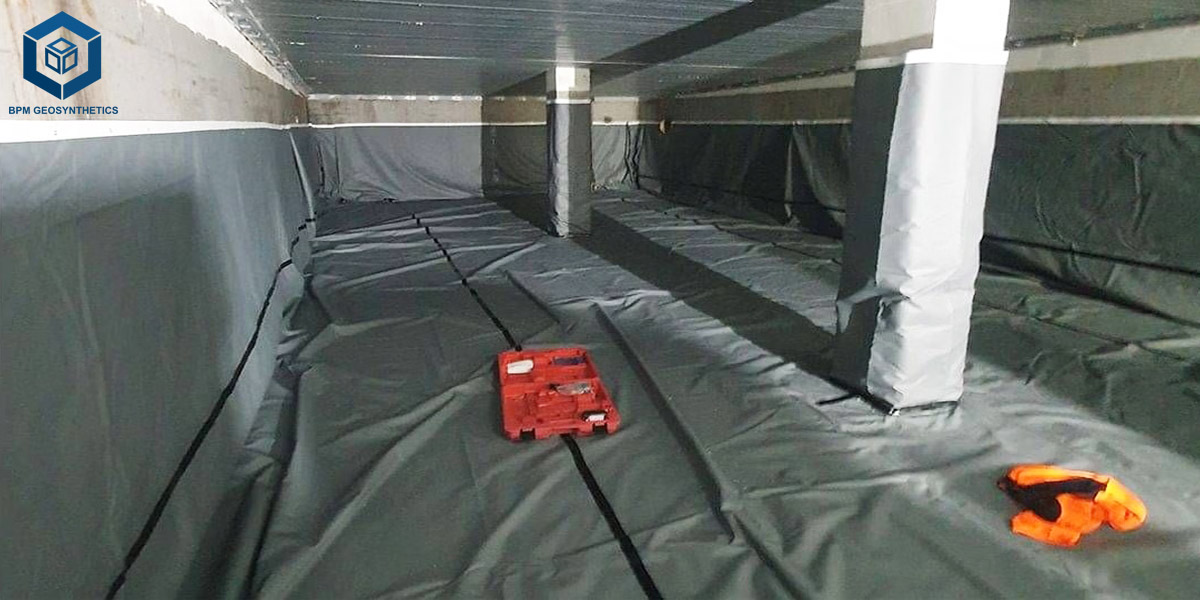
When choosing stock Tank Liner, the following factors need to be considered:
4.1 Stock Tank Liner Thickness
Pond with different uses have different requirements for the thickness of the custom pond liners. Generally speaking, facilities such as wanter pond and reservoirs that need to keep the water clean should choose thicker anti-seepage membranes.
4.2 Stock Tank Liner Material
The material of the hdpe tank liner directly affects its waterproof performance and durability. An impermeable hdpe liner made of high-quality high-density polyethylene material should be selected.
4.3 Stock Tank Liner Brand and Quality
Choosing a well-known brand and a hdpe pond liner geomembrane with guaranteed quality can ensure the performance and stability of the product.
4.4 Conclusion
As an efficient and environmentally friendly waterproof material, geomembrane hdpe plays an increasingly important role in pond construction. It can not only effectively prevent water leakage and keep the pool dry and clean, but also has good corrosion resistance, aging resistance and UV resistance, and can operate stably for a long time in various harsh environments. Therefore, when constructing a pond, it is a wise choice to choose a HDPE membrane.
5. Stock Tank Liner Installation Guide
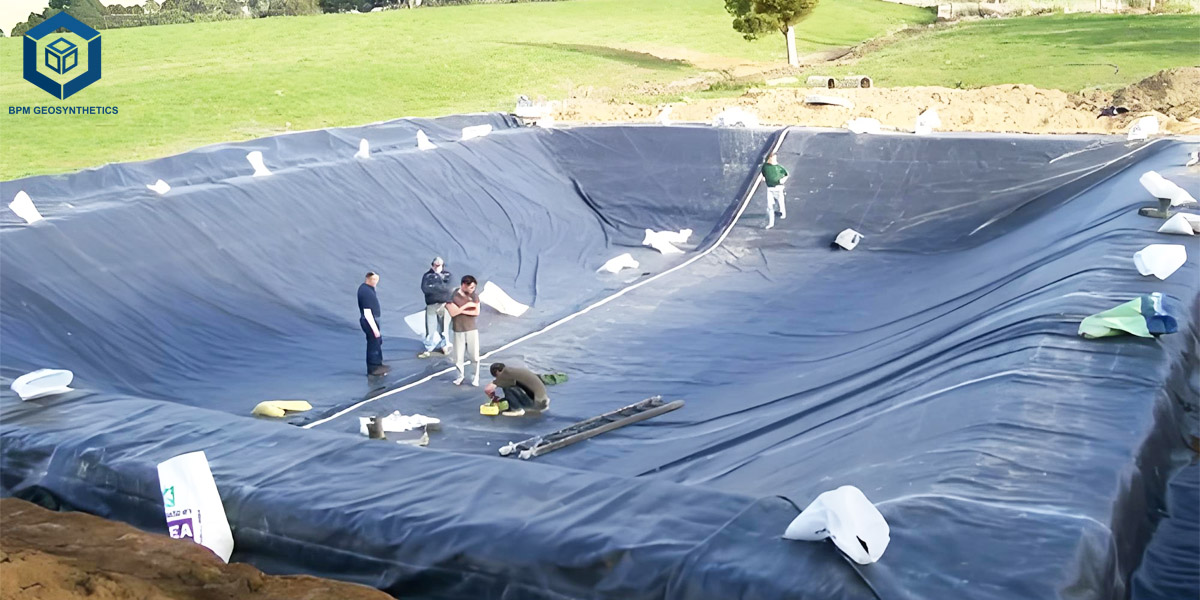
Proper set up is quintessential to make sure the long-term performance, durability, and waterproofing effectiveness of the hdpe geomembrane sheet. The following step-by-step information small print all imperative tiers — from website online practise to post-installation preservation — to warranty a high-quality, leak-free lining system.
5.1 Preparation Before Construction
5.1.1 Site Foundation Treatment
Remove all particles and sharp objects from the base surface, which includes tree roots, rubble, stones, and building waste. These objects may also puncture or injury the high density polyethylene pond liner in the course of set up or use.
Compact the subgrade layer the usage of a mechanical compactor to make certain a smooth, firm, and steady foundation. Uneven or tender areas need to be leveled and strengthened to forestall contract or deformation after water filling.
Ensure a dry and smooth foundation—the base ought to be free of seepage, standing water, or silt. If groundwater is present, deploy a acceptable drainage layer earlier than liner placement.
5.1.2 Material Preparation
Select the fantastic hdpe liner sheet material, normally High-Density Polyethylene (HDPE) Geomembrane, in accordance to the tank’s size, liquid type, and environmental conditions.
Inspect all rolls of hdpe impermeable liner for seen defects such as holes, cuts, abrasions, or manufacturing imperfections. Any mechanical or manufacturing harm ought to be repaired earlier than use.
Store the liner rolls in a shaded, dry, and easy region to stop publicity to UV light, heat, or moisture earlier than installation.
5.1.3 Construction Equipment
Ensure that all set up tools — such as computerized warm wedge welding machines, extrusion welders, generators, slicing tools, and trying out gadgets — are in true working condition.
Calibrate the welding gear in accordance to producer specs to assurance regular temperature and pace at some stage in seam joining.
5.2 Stock Tank Liner Laying
5.2.1 Laying Method
Begin laying the liner from the backside of the tank and work upward alongside the slopes to decrease anxiety and make sure acceptable alignment.
Overlap adjoining sheets in accordance to the particular welding width (usually 100–150 mm) to permit for invulnerable seam welding.
During placement, keep away from dragging or stretching the hdpe membrane sheet throughout hard surfaces and make sure it matches snugly with the subgrade besides wrinkles or air pockets.
When putting in on slopes, enable enough slack at the pinnacle to accommodate attainable agreement or thermal expansion.
5.2.2 Fixing and Protection
Use transient fixing methods, such as sandbags, clamps, or weights, to forestall liner displacement precipitated by means of wind or water waft at some stage in installation.
Once in place, cowl the uncovered liner floor with a protecting layer — generally quality sand (5–10 cm), gravel, or soil — to defend it from UV radiation, puncture, and mechanical damage.
In tanks with cattle or equipment contact, reflect onconsideration on including a secondary safety layer (e.g., concrete slabs or geotextile underlayment) for more desirable durability.
5.3 Welding Construction
5.3.1 Welding Method
Employ thermal fusion welding methods such as warm wedge welding or extrusion welding for all polyethylene pond liners seams. These techniques furnish a continuous, watertight bond that is greater than the base fabric itself.
Control welding parameters — temperature (typically 320–450°C), pressure, and pace — in accordance to web page stipulations and hdpe geomembrane pond liner thickness. Excessive warmness may additionally purpose burn-through, whilst inadequate warmth may also lead to vulnerable seams.
Perform trial welds on check strips earlier than every shift or temperature alternate to affirm welding settings and operator skill.
5.3.2 Weld Quality Control
After welding, habits a thorough visible inspection to affirm that seams are smooth, wrinkle-free, and uniform in colour and texture.
Perform non-destructive checking out (NDT) strategies such as:
Air stress checking out for double-seam welds (maintain 200–300 kPa for 5 minutes except strain loss).
Spark checking out or vacuum container trying out for single-seam welds to make certain no leakage or pinholes.
All check effects have to be recorded for remaining great documentation.
5.4 Acceptance and Maintenance
5.4.1 Construction Quality Acceptance
Upon completion, raise out complete high-quality exams on the complete lining system, including:
Visual inspection for defects or damage.
Water strain checking out to make certain whole impermeability.
Spark or vacuum trying out to confirm seam integrity.
Document all inspection results, and solely proceed with backfilling or water filling after legit acceptance.
5.4.2 Post-Maintenance and Management
Conduct ordinary inspections of the high density polyethylene liner floor for symptoms of aging, cracking, or mechanical wear, particularly after intense climate or cleansing operations.
Remove debris, sediment, and sharp objects from the tank periodically to stop harm or abrasion.
In case of small tears or punctures, function on-site repairs the use of like minded HDPE patches and warm air welding to fix water-proof performance.
Maintain a document of renovation and inspection things to do to make sure long-term overall performance tracking.
6. Summary
Selecting stock tank liner is a systematic project that requires comprehensive consideration of multiple dimensions, including material, performance, application scenarios, manufacturer reputation, price, etc. Scientific selection can not only ensure the smooth progress of the project, but also effectively extend the service life of the project and improve the overall quality and safety of the project. In this process, maintaining good communication with suppliers and obtaining professional advice are also the key to ensuring the correctness of decision-making.
Proper preparation, cautious installation, and normal upkeep are key to maximizing the provider lifestyles and overall performance of a Stock Tank Liner. Using The Best Project Material Co., Ltd.(BPM Geosynthetics)stock tank liner ensures you acquire a durable, leak-proof, and economical answer backed via expert support, strict high-quality control, and over 20 years of manufacturing expertise.