The 7 Best HDPE Liner Sheet Review
Within the sphere of water control, environmental conservation, and industrial containment, HDPE liner sheets have established themselves as a key material for preventing leakage, controlling seepage, and separating soil from groundwater contamination. Whether it is a decorative pond or an irrigation canal or a landfill or mining tailings, the right choice of HDPE geomembrane can be the determining factor for a durable, trouble-free installation or an installation that will be a source of costly maintenance problems. Since there are many brands, thicknesses, and surface finishes available on the market, it is very important that one gets to know each liner's capabilities, uses, and specifications. In this article, we discuss the 7 best HDPE liner sheet that are currently available in the market. We also present their performance, the best situations in which they could be used, and their main characteristics so that engineers, project managers, and DIY enthusiasts can be in a position to make well-informed decisions.
1. What is HDPE Liner Sheet?
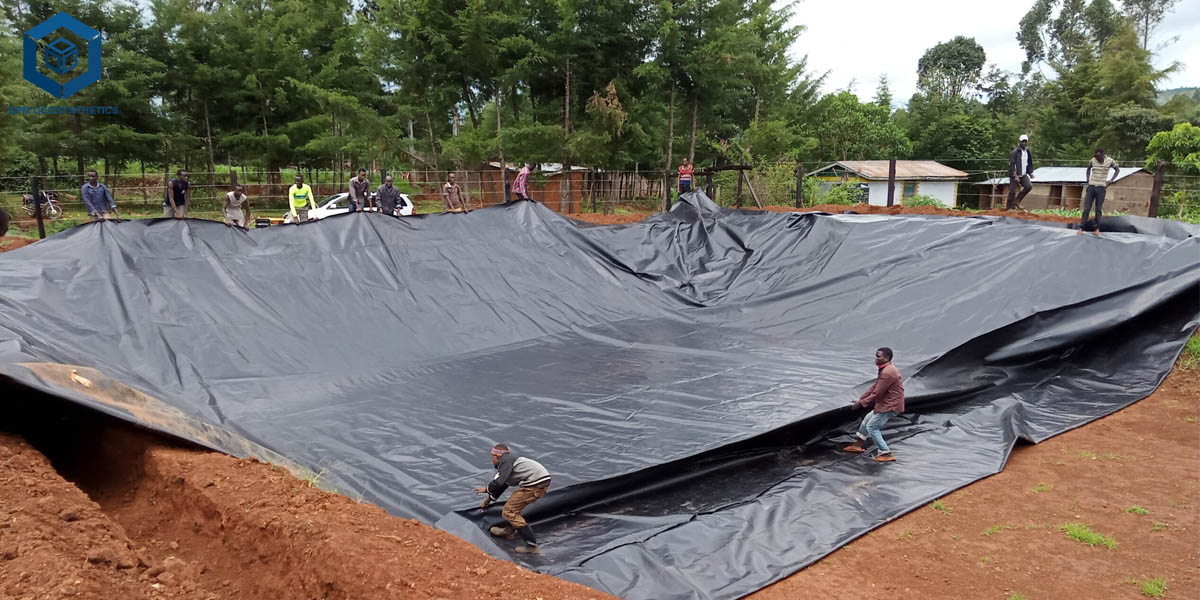
HDPE (High-Density Polyethylene) Liner Sheet is a top-quality geomembrane that is designed and manufactured as a flexible and impermeable barrier for outdoor applications. Made from a specially formulated polyethylene resin, it is primarily used for the isolation of and the containment of liquids, gases, and solids in very challenging environmental and industrial situations.
With regard to the product's specifications, the most frequent color in which it is produced is black. This is not only for aesthetic reasons; the black coloring is due to carbon black additives that are present in the material, and they give it the much-needed long-term resistance against degradation from ultraviolet (UV) light, thus significantly increasing the lifespan of the liner when it is exposed to sunlight. The thickness of HDPE liners varies over a broad spectrum. Some of them are as thin as 20 mil (0.5 mm) and are mainly meant for light-duty applications whereas others may go up to 100 mil (2.5 mm) or even more and such are used in severe applications like landfills; the commonly used thickness for pond linings is 30-40 mil.
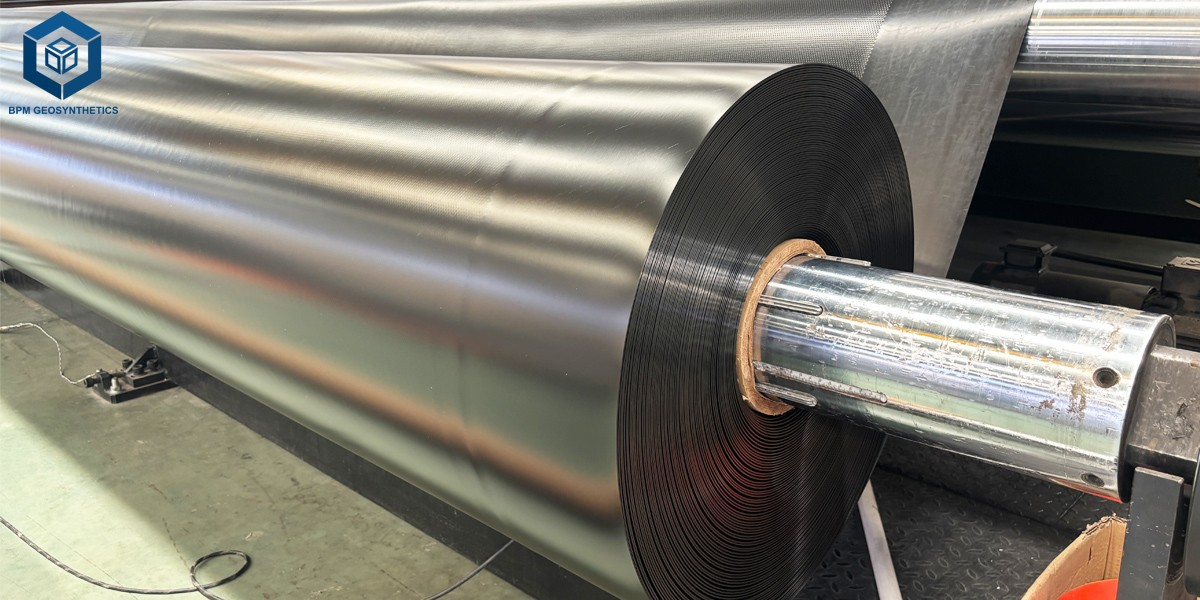
Geomembrane sheet is in large rolls that the liner is delivered so as to be able to complete large projects, and the quantity of field seams to be made is also minimized. Thus, a standard roll width may be made 15 feet (4.5m) or 20 feet (6m), and the length of a roll can be more than 200 feet (60m). Therefore, it is feasible to cover huge areas by using only one sheet of the liner. Apart from its excellent chemical and weather resistance properties that make it stand out, the product is also very durable. The applications mentioned below are some of the cases where the product's features have been exploited to the maximum: water containment (e.g. decorative ponds, irrigation reservoirs, canals); environmental protection (such as landfill base liners and covers, wastewater treatment lagoons); and industrial secondary containment for chemicals, fuel, and other potentially hazardous liquids.
2. HDPE Liner Sheet Guide
2.1 Thickness (Mil)
Thicknesses of hdpe geomembrane sheet come in a wide range to meet diverse application needs. 20 mil (0.5 mm) is the minimum thickness of light-duty liners that are generally intended for small ponds or temporary containment facilities. The use of 30-40 mil (0.75–1.0 mm) is very common for ponds and it provides people with an effective product in terms of flexibility as well as resistance to puncturing. Very tough industrial liners that are made for landfills, heap leach pads, and chemical containment, among other things, can be more than 100 mil (2.5 mm). It is very necessary to make the right decision when it comes to thickness: if the liners are thin, then they can be handled more easily and also the cost will be lower; however, if the hdpe membrane sheet is thick, then their durability, puncture resistance, and overall service life will be significantly improved.
2.2 Strength
Tensile strength, puncture resistance, and tear resistance are the main properties that collectively measure the strength of an HDPE liner. They represent the capacity of the liner to hold heavy loads, endure rough subgrades, and stay undamaged during the installation process. One of the standards defining the testing methods of these properties is the ASTM D6693. High-strength hdpe pond liner sheet liners become very necessary in such applications as landfill bases, tailings storage, and industrial wastewater ponds which are subjected to high mechanical stress and chemical attack. One type of reinforced liner, scrim-reinforced HDPE, is able to offer higher puncture resistance without a major increase in the thickness of the material.
2.3 UV Resistance
Exposure to the sun as a part of the installation of the high density polyethylene sheets means the UV protection must be especially efficient to guarantee the product's durability for years to come. Carbon black is added to high-quality high density polyethylene sheets in the amount of 2-3%, and it is this blackening that effectively acts as a sunscreen to protect the material against UV rays. As a result of this, the material will not only be able to stay impermeable but also hold the structure and strength well in case of prolonged sun exposure. In the absence of sufficient protective measures the service life of the materials will be forced to shorten and the customers will have to spend on maintenance more frequently.
2.4 Chemical Resistance
By its chemical nature, HDPE is quite resistant to chemicals and therefore it can be applied in situations involving wastewater, hydrocarbon, leachate, and industrial effluent containment. Nevertheless, one should always check the compatibility between the chemicals and the liner. The performance of the geomembrane sheet is quite dependent on the chemical concentration, temperature, and the period of the chemical attack. The material chosen properly will be able to keep its shape and morphologically intact by resisting corrosion, swelling, or degradation and will therefore be able to continue providing effective containment and thus prevent contamination of soil and groundwater.
2.5 Panel Size & Seaming
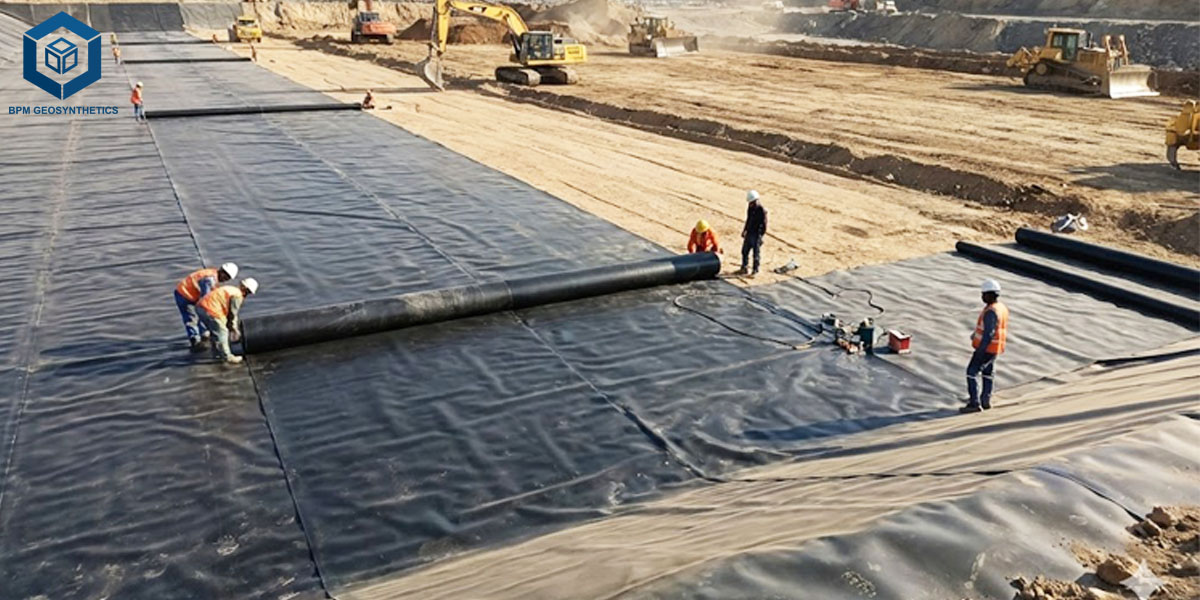
In order to reduce project seams, liners are generally rolled onto large spools. Normal widths of rolls vary from 15 feet (4.5 m) to 20 feet (6 m), with lengths over 200 feet (60 m). More seams mean more leak points hence the work is complicated. Typically seaming is done by the professional thermal fusion (hot wedge or extrusion welding) techniques which yield a strong, monolithic bond between the panels. To guarantee the long-term efficacy of the hdpe geomembrane sheet seams in blocking moisture, as well as the total performances, one must carry out good seam preparation, welding, and inspection.
3. The 7 Best HDPE Liner Sheet Review
3.1 HDPE Liner Sheet Best Overall
- GSE Ideal For: Large-scale water reservoirs, aquaculture, and industrial secondary containment.
- Review: GSE is a world leader by its standards, and their reinforced HD series is the premier product on the market. The scrim reinforcement grid provides a notable increase in tensile and puncture strength without a big increase in the thickness of the material. Therefore, the hdpe polyethylene sheet material is very hard and stable against the combined effect of heavy overlying loads and stress from subgrade. The use of a homogeneous carbon black throughout the material ensures that it can resist UV rays for 20 years or more when subjected to them. Although it is priced as a premium product, its performance and dependability in critical projects cannot be surpassed.
- Key Specs: Available 30-80 mil, exceptionally high tensile strength, excellent oxidative resistance.
3.2 HDPE Liner Sheet Best Value for Ponds: Firestone PondGard 30 HDPE
- Ideal For:Decorative and recreational ponds, water features, and stormwater management.
- Review:Firestone’s PondGard is a pond liner that has been specially designed to work seamlessly with a water feature in a very natural way. At 30 mil, it is a great compromise between an affordable price and a highly functional product. In addition, it being NSF 61 certified for potable water contact means that it’s completely safe for fish and plants. Moreover, its textured surface not only provides good grip but also helps the hdpe liner sheet to blend in with its surroundings. It keeps being flexible in cold weather and has included strong UV stabilizers. If you are a regular pond owner, this pond liner will give you the trust and quality of a brand-name product with a price that is within your reach.
- Key Specs: 30 mil thickness, textured surface, NSF 61 certified, excellent fish/plant safety.
3.3 Best for Landfill & Severe Service: Agru America Smooth/Textured HDPE Liner Sheet
- Ideal For: Landfill caps and liners, heap leach pads, chemical containment.
- Review:Agru’s ultra-high-performance HDPE liners are really top-notch products, especially if you want to make the most demanding applications. Besides, they are frequently produced in double-sided textured (micro-rough) finishes, which considerably augment the interface shear strength on slopes, thus preventing dangerous sliding. They come in very thick gauges (up to 120+ mil) and offer the highest puncture resistance and long-term durability against aggressive leachates. This is a professional-grade product where failure is not an option, as demonstrated by the technical specifications and price.
- Key Specs: Very thick gauges (60-120+ mil), textured geomembrane surfaces for slope stability, supreme chemical resistance.
3.4 HDPE Liner Sheet Best for DIY & Small Projects: Reef Industries Dura Skrim R-HDPE
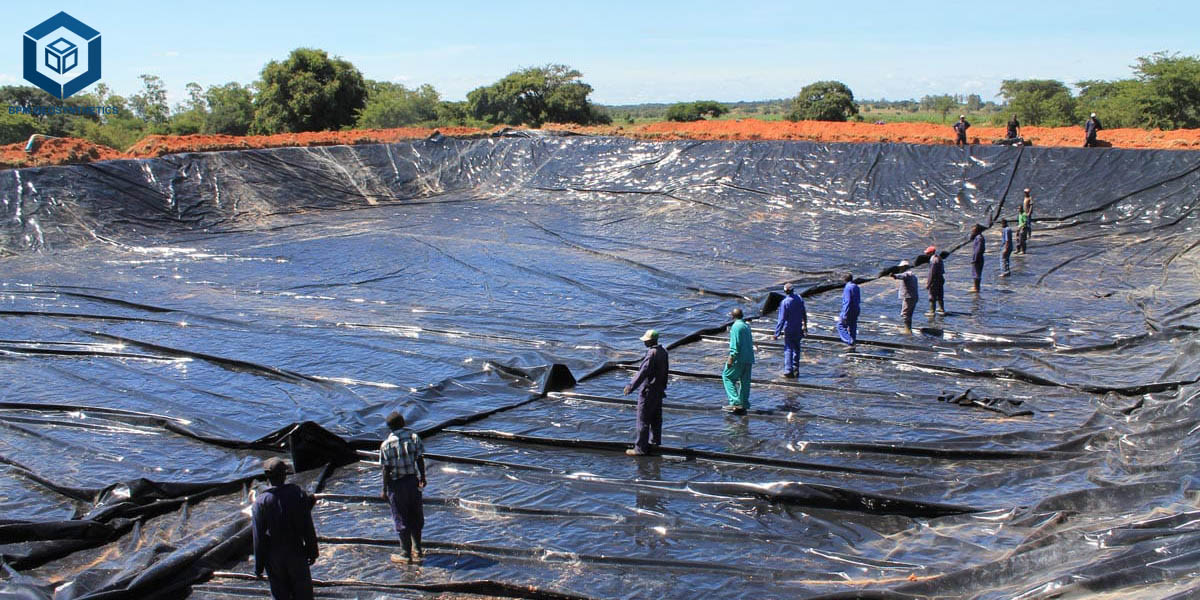
- Ideal For:DIY pond liners, temporary containment, erosion control, small garden ponds.
- Review:DuraSkrim is considered by many to be the ultimate choice for the lighter-duty, more DIY-friendly range. As a reinforced polyethylene (usually a mixture), it is more flexible and less difficult to handle than pure rigid HDPE. Besides, hdpe geomembrane liner comes in manageable roll sizes and, if necessary, you can seam it with tape or adhesive although welding is still the standard method. In addition, it delivers a reasonable level of puncture resistance relative to its weight and offers moderate UV protection. In short, geomembrane sheet is an economically viable alternative to a chemical containment system, but it is not suitable for permanently holding chemicals.
- Key Specs: Flexible, reinforced scrim, easier to seam DIY, good for non-critical applications.
3.5 Best HDPE Liner Sheet UV Resistance for Exposed Applications: PLASTIKA UVR HDPE
- Ideal For: Exposed canal linings, floating covers, and applications with prolonged, direct sunlight.
- Review: Although all good quality HDPE have UV inhibitors, the UVR series from PLASTIKA has been specially designed to provide maximum resistance to solar rays. To this end, hdpe geomembrane sheet employs a premium, homogenized carbon black master batch which offers more efficient protection against UV degradation than surface-treated competing products. As a result, the effective service life of exposed liners is measured in years. Even though it is continually exposed to the sun, high density polyethylene pond liner does not lose its flexibility or strength and, consequently, it is a clever decision to make use of a liner for any project where the liner will not be buried.
- Key Specs: Superior homogenized UV protection, high oxidative induction time (OIT), excellent for exposed installs.
3.6 Best Flexible & Cold-Weather HDPE: XR-5 HDPE Liner Sheet (By Seaman Corporation)
- Ideal For: Projects in volatile climates, high-altitude reservoirs, applications requiring extreme flexibility.
- Review: While technically a reinforced polymeric liner (not pure HDPE), XR-5 deserves an honorary mention. HDPE liner sheet combines the chemical resistance of HDPE with the flexibility of PVC. It can be installed in freezing temperatures without becoming brittle, and its multi-axial reinforcement gives it incredible tear strength. It’s seamed with a solvent adhesive, which can be easier than thermal welding in field conditions. For challenging installs where temperature and flexibility are major concerns, XR-5 is a top contender.
- Key Specs: Extremely flexible at low temps, high tear strength, adhesive seaming, premium price.
3.7 BPM Geosynthetics Geosynthetics HDPE Liner Sheet
- Ideal For: Vapor barriers, temporary construction liners, short-term containment, under-slabs.
- Review: For basic, non-critical barrier applications, BPM Geosynthetics’s 20 mil sheeting is a functional and economical choice. Polyethylene pond liners provides the fundamental impermeability of HDPE at a very low cost. HDPE geomembrane pond liner is suitable for vapor retarders under concrete slabs or as a temporary cover. However, it has lower puncture resistance, minimal UV stabilization, and is not recommended for permanent liquid containment or exposed outdoor use. It fills the need for a simple, affordable polyethylene barrier.
- Key Specs: 20 mil thickness, very low cost, basic barrier properties, not for permanent liquid containment.
Conclusion
The Best Project Material Co., Ltd.(BPM Geosynthetics)HDPE liner sheet offer superior puncture resistance, excellent chemical compatibility, and long-term UV stability. Manufactured with strict quality control, they ensure consistent thickness and reliable performance in demanding applications such as landfill lining, mining, and water containment. Their flexibility and durable seam strength guarantee a secure, impermeable barrier for long-term environmental protection.