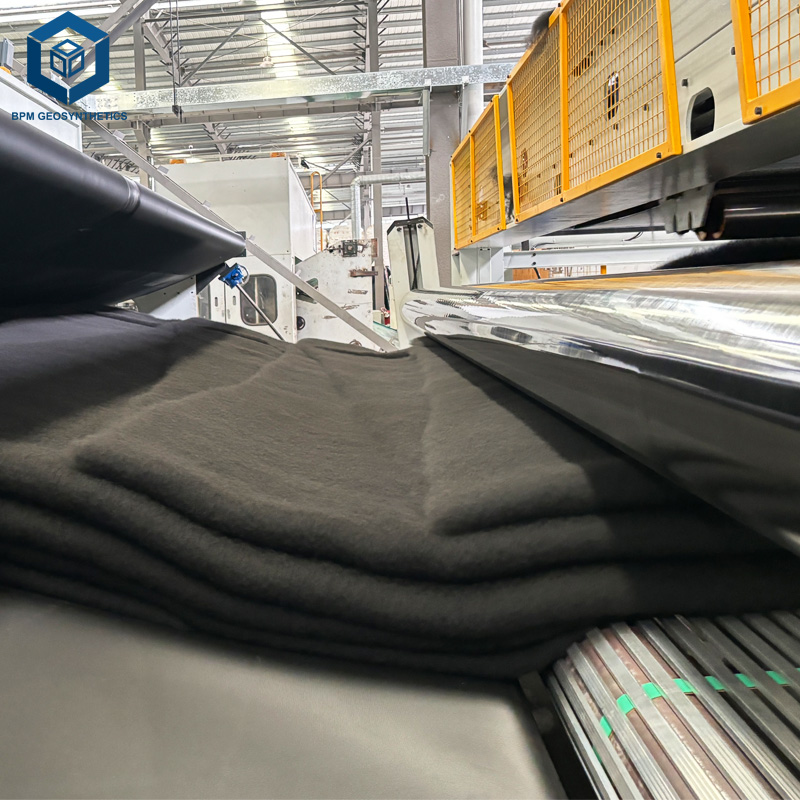
8 oz Geotextile Fabric
8 oz geotextile fabric provides exceptional strength, permeability, and durability. Its heavy-duty polypropylene structure withstands high loads and resists puncture, UV exposure, and chemical degradation. The material efficiently separates soil layers, prevents erosion, and facilitates long-term drainage, minimizing maintenance costs. Its compliance with ASTM and AASHTO standards ensures consistent performance in roadways, retaining walls, and drainage systems. Environmentally safe and easy to install, 8 oz geotextile fabric offers an optimal balance between performance and cost-effectiveness, making it the preferred choice for critical civil and geotechnical projects worldwide.
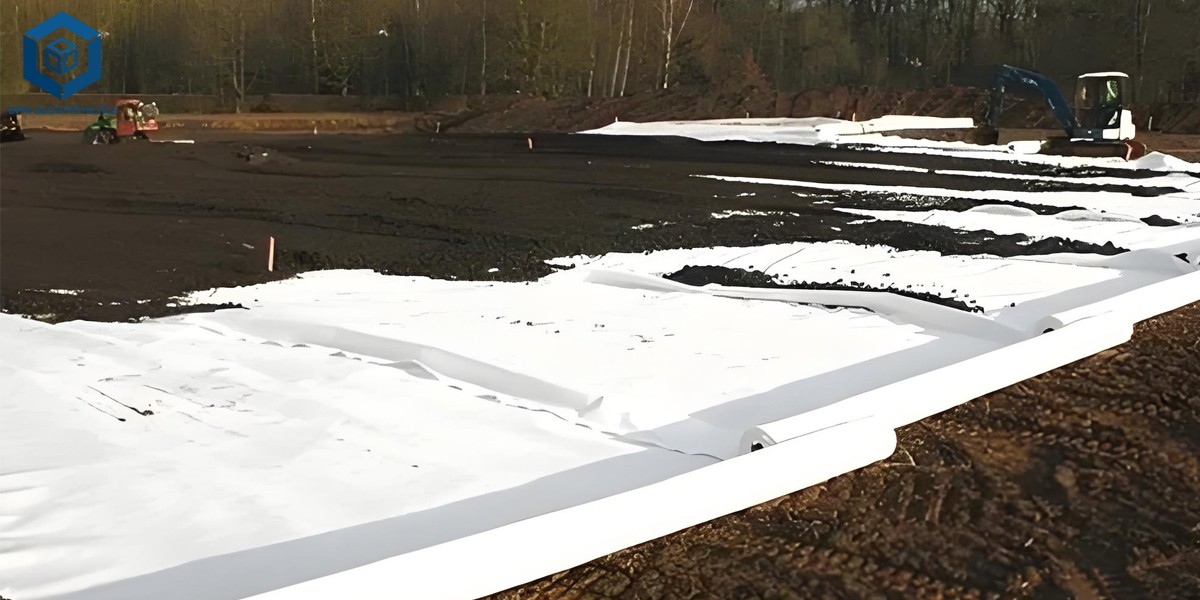
The 8 oz geotextile fabric is a high-strength nonwoven material commonly used in civil, environmental, and geotechnical engineering. Designed for separation, filtration, drainage, and reinforcement, it is widely applied in road construction, retaining walls, erosion control, and landfill projects. This article provides a detailed, SEO-optimized overview of 8 oz geotextile fabric—its properties, applications, installation principles, regulatory standards, and advantages.
What Is 8 oz Geotextile Fabric?
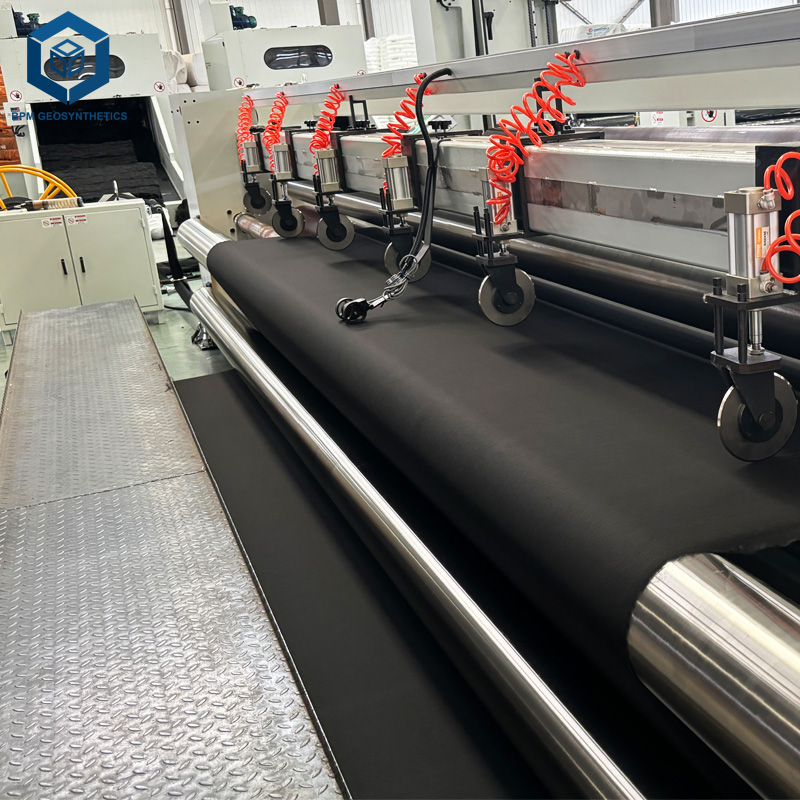
An 8 oz geotextile fabric typically weighs 8 ounces per square yard and is composed of polypropylene fibers bonded through needle-punching. It combines durability and permeability, making it suitable for both filtration and reinforcement in demanding environments. The balance between weight, tensile strength, and water flow rate defines its engineering performance.
Key Specifications and Physical Properties
Material: 100% UV-stabilized polypropylene
Weight: 8 oz/yd² (≈ 270 g/m²)
Tensile Strength: 205–300 lbs (ASTM D4632)
Elongation: 40–60%
Permittivity: 1.0 sec⁻¹ (ASTM D4491)
AOS (Apparent Opening Size): 0.15–0.21 mm (ASTM D4751)
Puncture Strength: 130–150 lbs (ASTM D6241)
These properties make it ideal for projects requiring both mechanical resistance and consistent filtration efficiency.
Engineering Principles and Applications
1. Separation
Prevents intermixing of soil layers, preserving structural integrity in roads and railways.
Example: Between subgrade clay and gravel base in highway construction.
2. Filtration
Allows water to pass through while retaining soil particles.
Example: Around drainage pipes and retaining wall backfills.
3. Reinforcement
Enhances load-bearing capacity by distributing stress across the soil surface.
Example: In embankment stabilization and slope protection.
4. Erosion Control
Provides surface stability against wind and water erosion.
Example: Used under riprap along riverbanks or shorelines.
Regulatory Standards and Compliance
When selecting or specifying 8 oz geotextile fabric, engineers should ensure compliance with international and local standards, including:
ASTM D4595 / D4632: Tensile properties
ASTM D4751: Apparent opening size
ASTM D4491: Water permeability
AASHTO M288: Geotextile classification for transportation projects
ISO 10318-1: Definitions and identification
Compliance guarantees long-term performance, environmental compatibility, and safety in infrastructure projects.
Installation and Operational Considerations
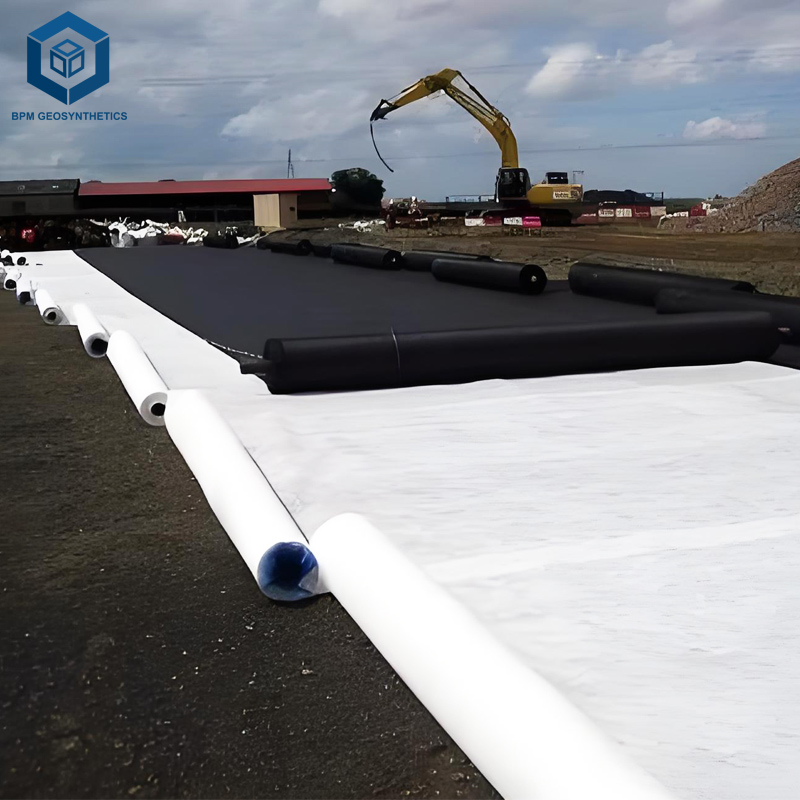
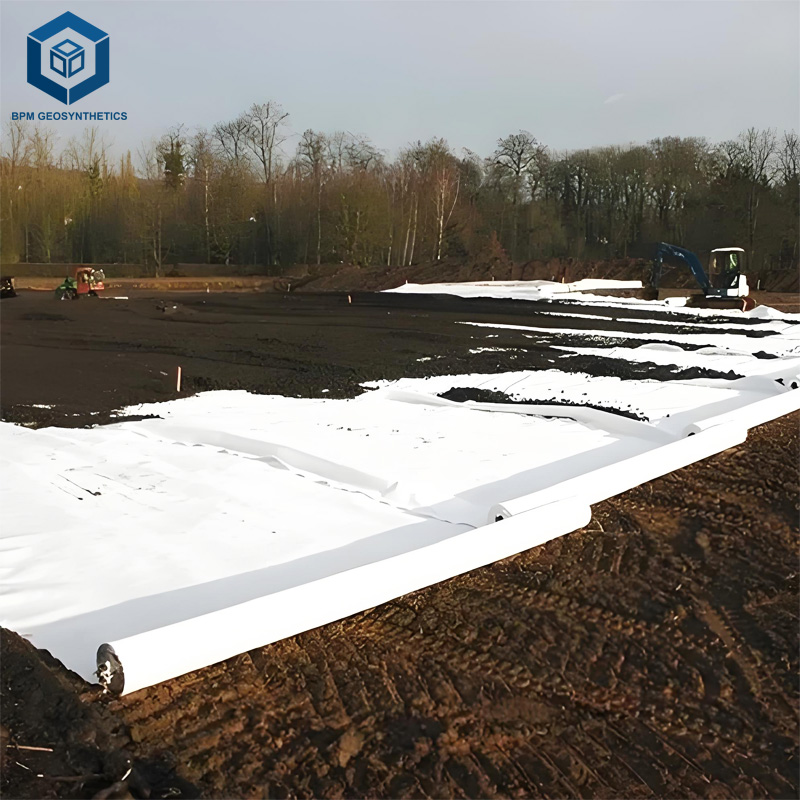
Surface Preparation: Remove debris and sharp materials.
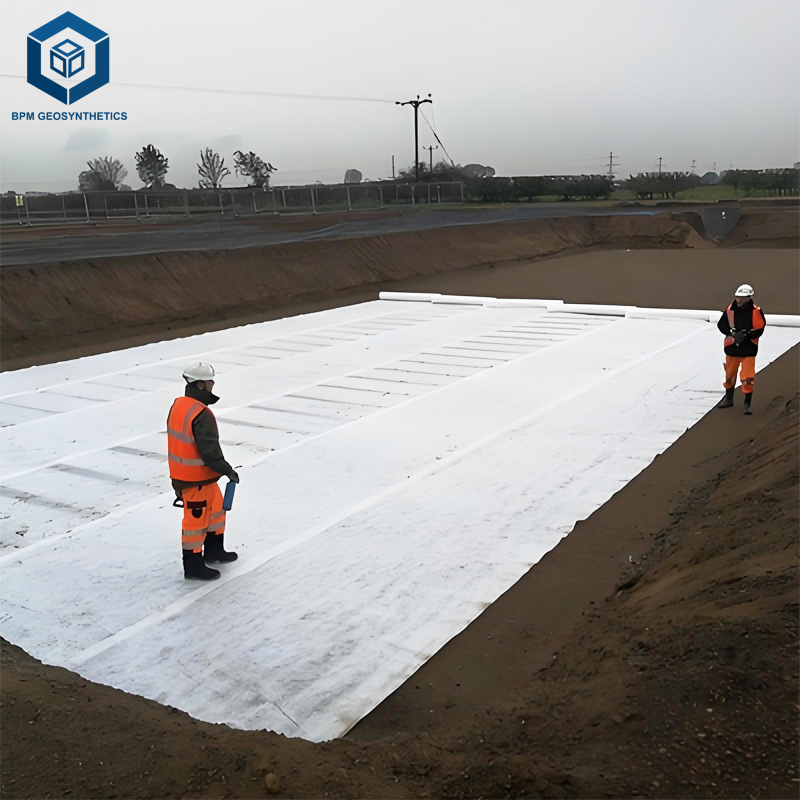
Overlap: Minimum 12–18 inches to prevent soil migration.
Anchoring: Secure using pins or aggregate cover.
Avoid UV Exposure: Cover promptly to prevent degradation.
Inspection: Check for tears, folds, or tension before backfilling.
Proper installation ensures optimal filtration and mechanical performance throughout the project’s lifespan.
Advantages of 8 oz Geotextile Fabric
8 oz geotextile fabric provides exceptional strength, permeability, and durability. Its heavy-duty polypropylene structure withstands high loads and resists puncture, UV exposure, and chemical degradation. The material efficiently separates soil layers, prevents erosion, and facilitates long-term drainage, minimizing maintenance costs. Its compliance with ASTM and AASHTO standards ensures consistent performance in roadways, retaining walls, and drainage systems. Environmentally safe and easy to install, 8 oz geotextile fabric offers an optimal balance between performance and cost-effectiveness, making it the preferred choice for critical civil and geotechnical projects worldwide.
Frequently Asked Questions (FAQ)
Q1: What is the difference between 8 oz and lighter geotextiles (e.g., 4 oz or 6 oz)?
8 oz fabric offers higher tensile and puncture strength, suitable for heavy-duty applications such as road stabilization and erosion control.
Q2: Can 8 oz geotextile be used for drainage?
Yes, it provides excellent water permeability while retaining fine soil particles, ideal for subsurface and slope drainage.
Q3: How long does 8 oz geotextile last?
When properly installed and covered, it can last over 25 years in typical soil conditions.
Q4: Is it environmentally safe?
Yes, it is inert, non-toxic, and resistant to biological degradation.
Conclusion and Call to Action
The 8 oz geotextile fabric is a critical engineering component for soil stabilization, erosion prevention, and filtration. Meeting ASTM and AASHTO standards, it ensures long-term structural reliability and cost-effective performance. For engineers and project planners, choosing the right weight and installation method is essential for achieving maximum project efficiency.
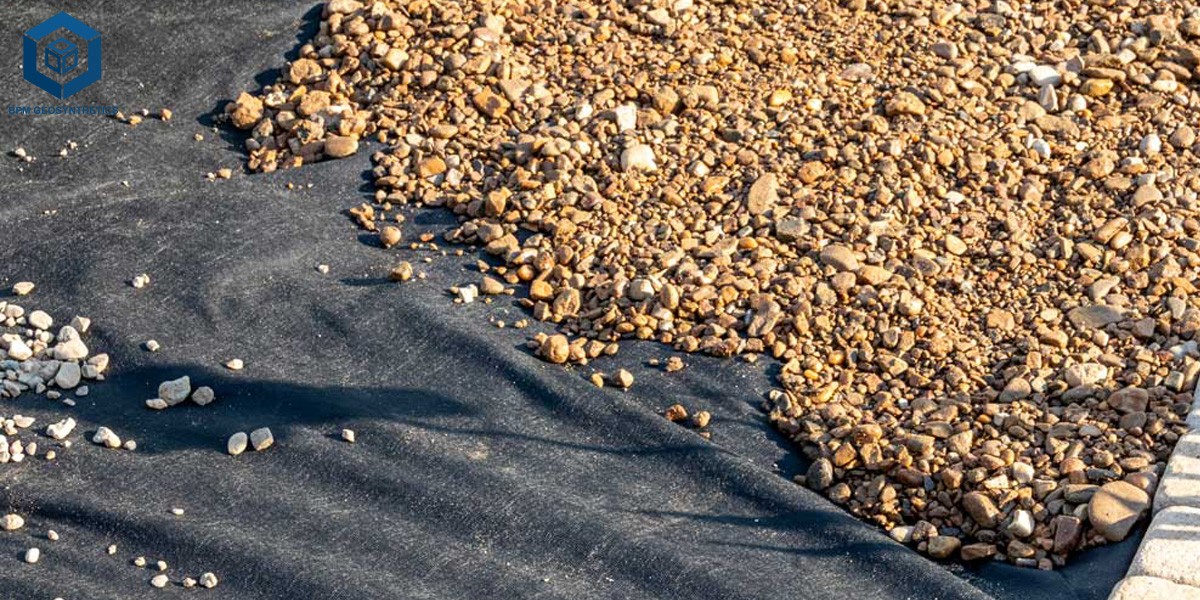
8 oz Geotextile Fabric Features