Geotextile for Driveway
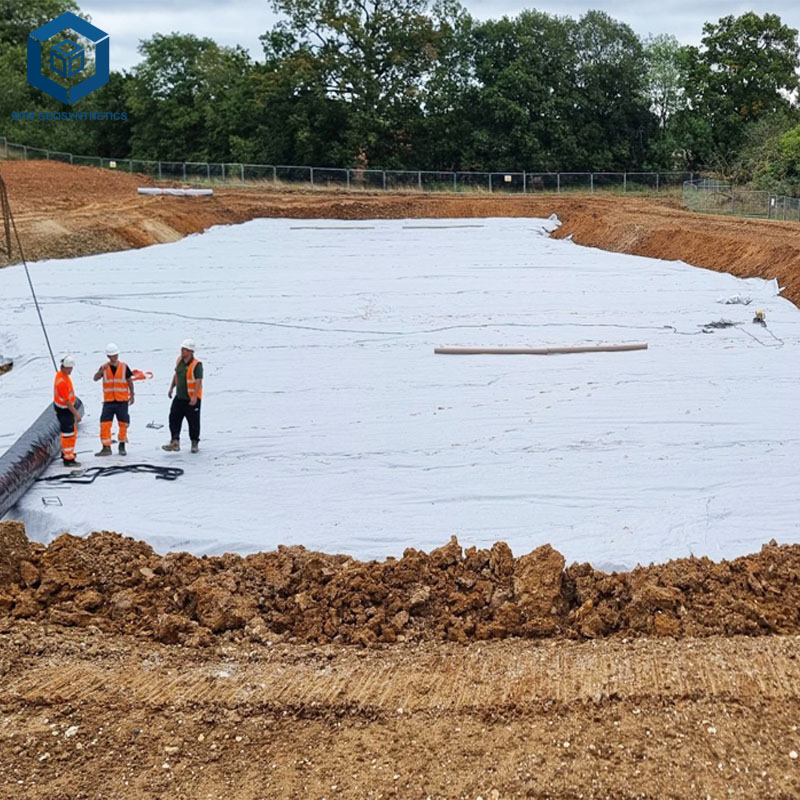
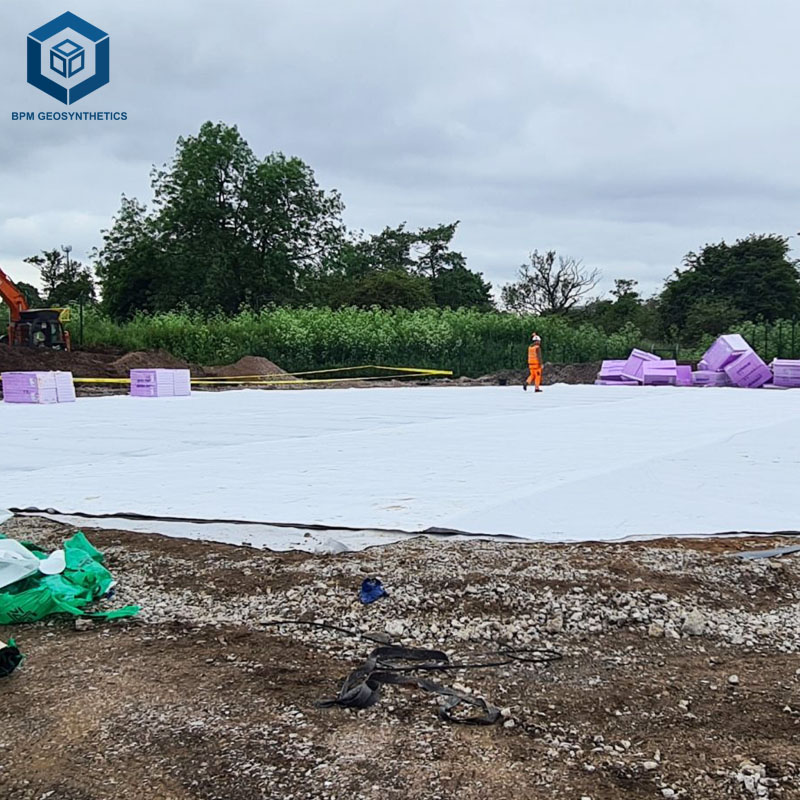
Geotextile for Driveway is an advanced permeable fabric that is aimed at providing stability and durability to the driveway of a house or building. Geotextile is a layer put between the subgrade of soil and the aggregate base that separates, reinforces, and stabilizes the structure, and at the same time, lets the water drain off. Geotextile fabric not only strengthens the driveway but also lowers the maintenance process by preventing the mixing of soil and aggregate and consequently, the formation of ruts and settlement.
- Separation is improved as the mixing of soil and aggregate is prevented
- Better load distribution and driveway stability due to the use of subgrade geotextile
- Drainage is enhanced which also helps to keep the water-related damage at a minimum
- The surface stays smooth with a reduction of rutting, potholes, and deformation
- Coming with a straightforward installation process, the fabric is suitable for both residential and commercial projects
Geotextile for driveway is a permeable fabric of very high performance that is intended to tackle the issue of the structural stability as well as the postures of the driveways of residential, commercial, and industrial places over a long period of time. The geotextile fabric is made of top-quality polypropylene or polyester fibers, either needle-punched or woven, providing the necessary separation, reinforcement, filtration, and drainage features. The application of the fabric under the gravel, crushed stone, and aggregate layers is to keep the soil and aggregates from mixing, to eliminate rutting and to extend the lifetime of the driveway.
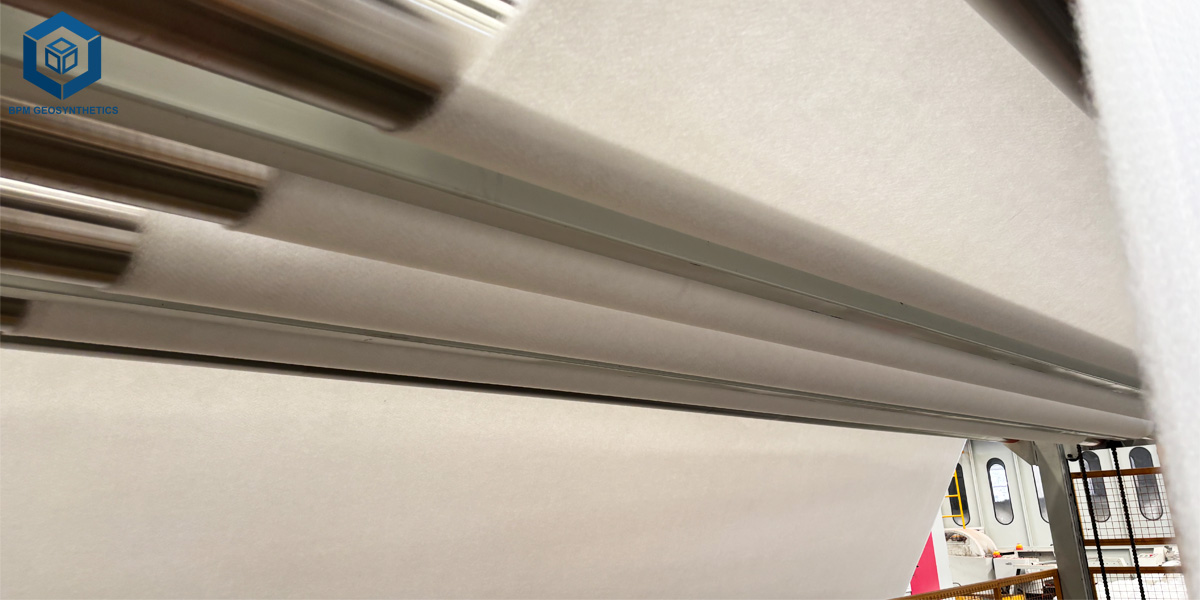
1. Geotextile for Driveway Material and Manufacturing
1.1 Synthetic Fibers Treated with UV-Protection
The main fibers used for the production of geo fabric for the driveway include high-grade polypropylene and polyester fibers that undergo UV stabilization. This process guarantees that the non woven geotextile material will last for a long time and will not break down even after being exposed to sunlight for a long period making it a perfect outdoor material regardless of the weather conditions.
1.2 High-Strength to Resist Tensile
Such geotextile fabric for driveway material is created to be able to endure heavy pulling forces, thus it is very hard to be stretched or torn during the traffic of the cars. Again, geotextile fabric under gravel assures the stability and durability of the driveway base when it is subjected to heavy vehicular movements.
1.3 Chemically, Moisture, and Biologically Resistant
Geotextile fabric for gravel driveway is designed to work well in conditions where there is chemical and biological content in the soil as well as different moisture conditions. They are made to sustain the killing effects of bacteria and fungi. Basically, these geo fabric for driveway is the least likely candidates for soil conditions that may cause early wear and tear.
1.4 Non Woven Geotextile: Felt-Like Structure and Permeability
Non woven geotextiles are made by needle-punching the fibers to create a structure similar to felt, which lets the water flow through while trapping fine soil particles. This filter characteristic keeps the soil from getting into the aggregate base and allows the water to drain, which in turn reduces the chances of ruts and erosion.
1.5 Woven Geotextile: Load-Bearing and Dimensional Stability
Woven geotextiles are made up of the fibers that have been interlaced together, which in turn provide not only greater tensile strength but also dimensional stability. Woven geotextile fabric for driveway is for this reason that they are suitable for driveways that require higher load-bearing capabilities like the roads for commercial or industrial vehicles.
1.6 Engineered for Long-Term Performance
Both types, woven and non-woven, underwent strict designing processes to be able to support traffic loads on a consistent and changing ground condition basis. Moreover, Best geotextile fabric for gravel driveway hold up their architectural aspects which in turn means that the driveway will continue to be firm and long-lasting.
1.7 Compatibility For Different Soil Types and Conditions
Driveway fabric stabilization geotextile fabric can help in resolving the problem of the load when they are laid on the top of the soft, weak or uneven grounds as well as in the prevention of the soil going back to its original form after it has been deformed. The usage of them embraces the projects of the driveways not only at the level of the residential and commercial but also at the level of heavy-duty.
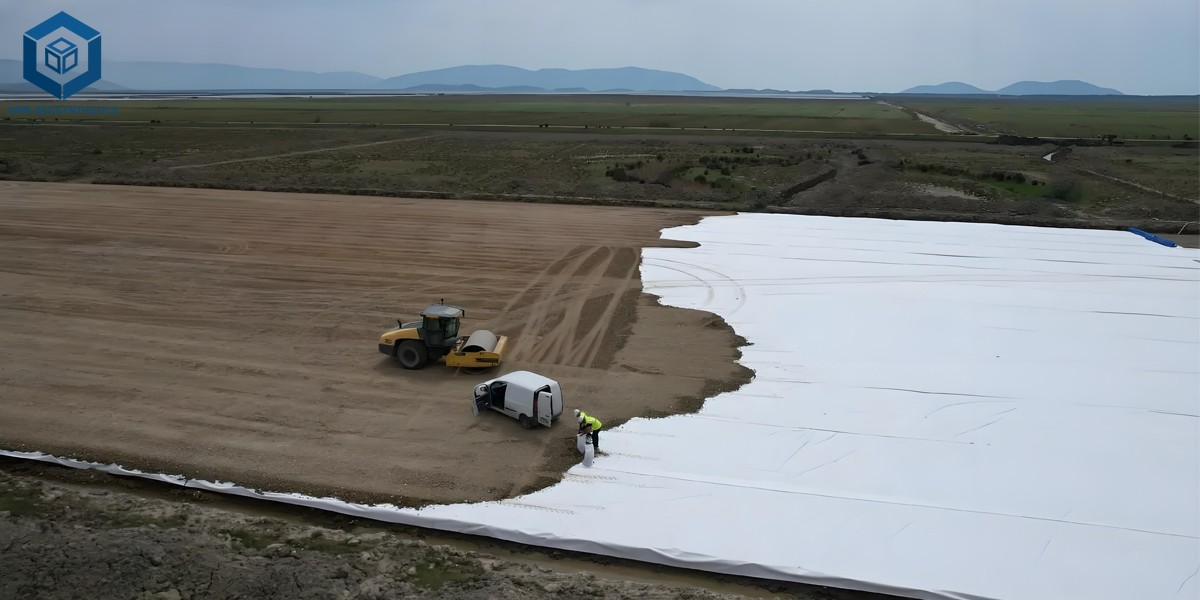
2. Geotextile for Driveway Key Functions and Performance
2.1 Separation
The driveway underlayment fabric separates the soft subgrade soil from the aggregate base layer thus acting as a separation layer. Driveway stabilization fabric stops soil and gravel from mixing which keeps the driveway base intact and prevents it from becoming thinner over time.
2.2 Reinforcement and Stabilization
With the help of the geofabric for driveway , loads are redistributed and this improves the bearing capacity of the subgrade soil that is weak or even wet. It also, therefore, limits surface deformation such as ruts and potholes.
2.3 Filtration and Drainage
The porous material structure allows water to go through but at the same time keeps the soil particles trapped. So, geotextile membrane for driveways regulates water accumulation, enhances drainage efficiency, and reduces the risk of frost heave and erosion under the driveway.
3. Geotextile for Driveway Applications
3.1 Residential Gravel Driveways
Geotextile creates a firm base for gravel driveways and it also keeps the gravel from getting mixed with soil or sinking into it. As a result, you get a smooth, flat driveway surface that requires less upkeep in the long run.
3.2 Commercial and Industrial Access Roads
Driveways at commercial and industrial areas normally have to constantly accommodate heavy traffic by vehicles. The use of geo fabric under gravel as a reinforcement thus helps to distribute the loads uniformly over the surface, keeps rutting to a minimum, and plays a part in extending the service life of the road even under constant usage.
3.3 Parking Lots and Temporary Roads
Using geotextile for gravel driveway as a temporary or semi-permanent road surface likewise provides a separation and stabilization function preventing the mixing of the soil and aggregate. It thus provides a quick setup while keeping the road sturdy and capable of carrying the designated loads.
3.4 Farm Roads and Rural Driveways
Typically, rural and farm roads are located in places that are either soft or uneven. Geotextile fabric for muddy roads reinforcement here helps in improving the spreading of loads and at the same time prevents the soil from getting deformed. Farmers and agricultural vehicles thus get safer and more durable roads to travel on.
3.5 Heavy-Duty Driveways for Trucks and Construction Vehicles
If a driveway needs to be used by heavy trucks or construction equipment, then the use of driveway filter fabric here will give it more reinforcement and dimensional stability than any other. Using geotextile fabric for driveway can effectively prevent surface rutting, keep the integrity of the aggregate base, and improve traffic performance at the same time under heavy loads.
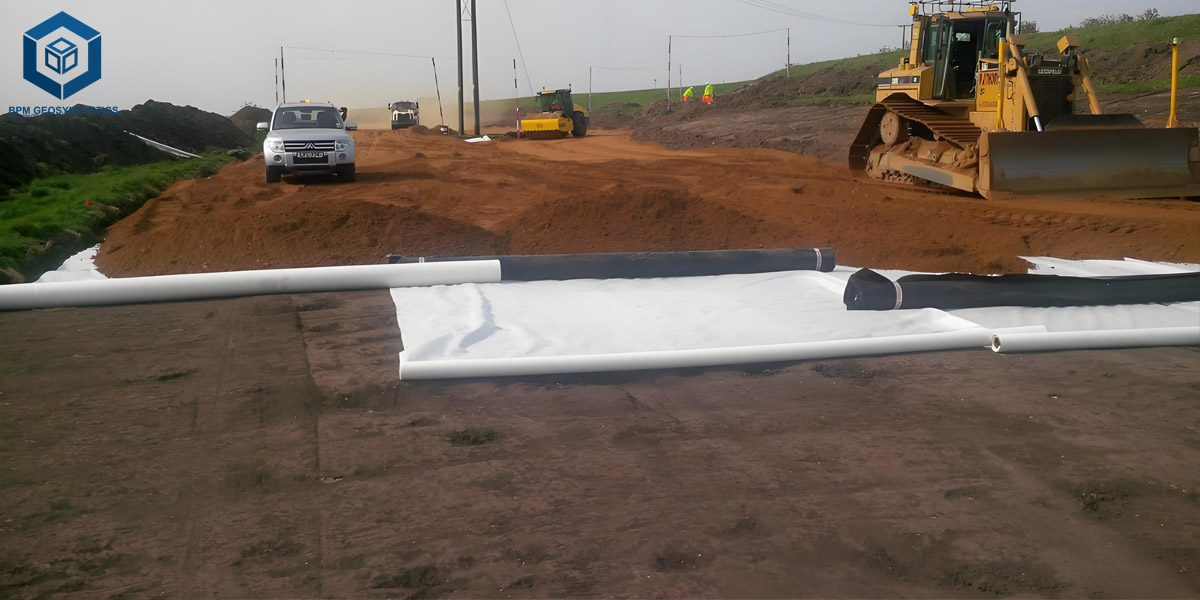
4. Geotextile for Driveway Installation Advantages and Maintenance
4.1 Lightweight and Flexible
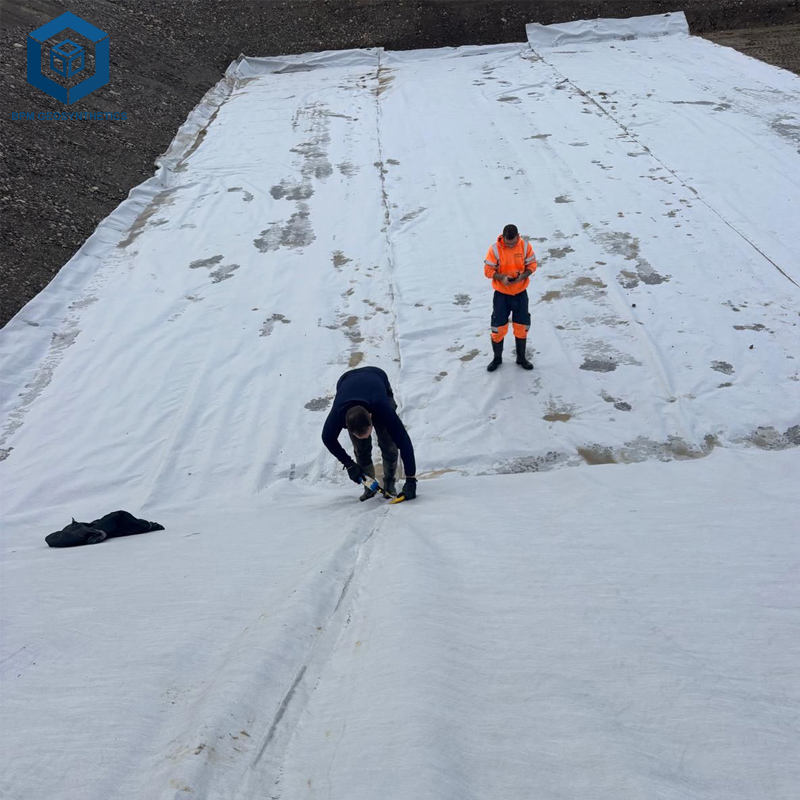
Non woven geotextile fabric is very light and flexible; therefore, they can be easily moved around and handled even at the site. This also means that installers can quickly roll out and place the fabric over the driveway subgrade without resorting to heavy machinery.
4.2 Easy to Cut and Shape
One can easily cut the geotextile material using normal tools and make it fit into any shape, be it a curve or an incline/ramp. Such flexibility allows one to easily and neatly wrap around edges, cut corners, and work around obstacles.
4.3 Direct Installation over Prepared Subgrade
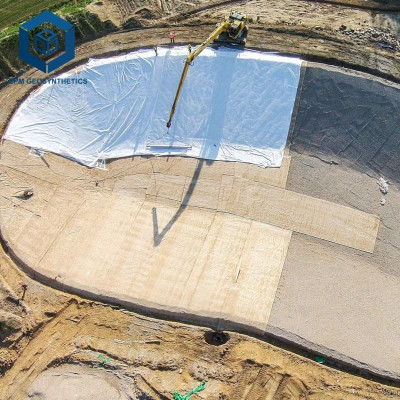
Geotextile under gravel used to be placed over a properly prepared, levelled, and compacted subgrade without the need for any additional layers. This also made the whole process of installation easier and caused less need for specialized labor.
4.4 Reduced Labor and Equipment Costs
The construction costs are much lower due to the minimum amount of equipment and personnel that is necessary. The project's speedy completion is guaranteed by the easy installation, which duly results in high-quality outcomes.
4.5 Low Maintenance Requirement
Geotextile driveway cloth after installation needs to be touched up little, if at all. Its strength and capability to resist soil, water and environmental factors lead to less repair and reinstallation thus ensuring long-lasting performance.
5. BPM Geotextile for Driveway Geosynthetics – Product Benefits
5.1 High-Quality Manufacturing Standards
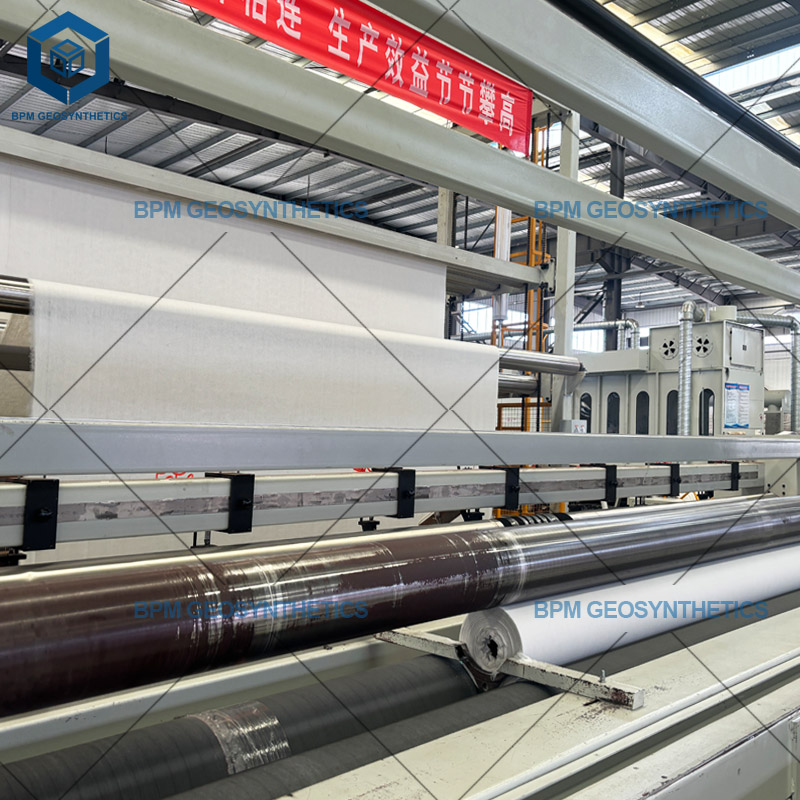
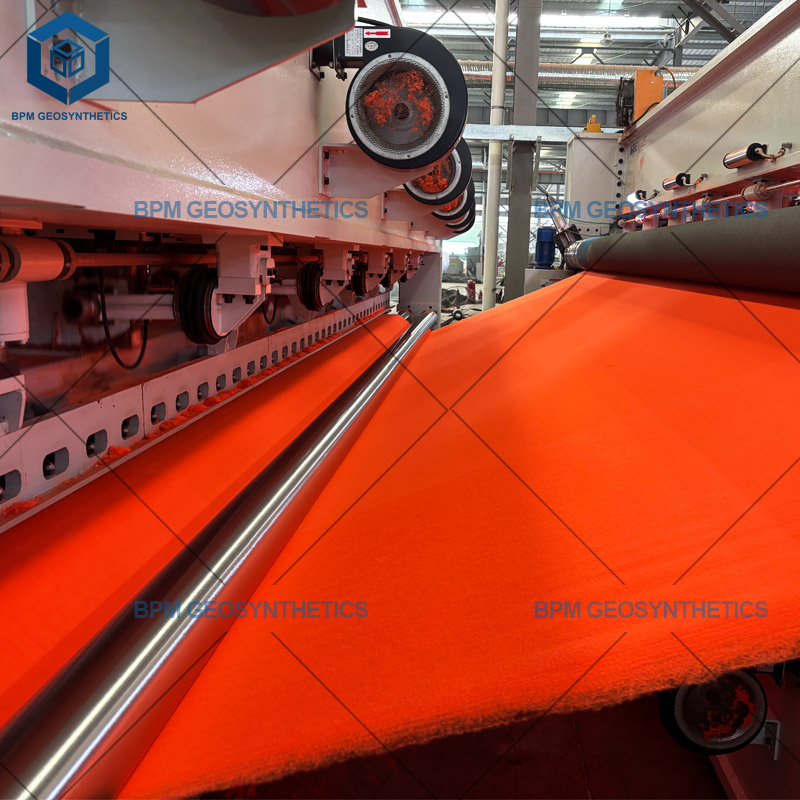
Strict quality control measures are implemented in the production of BPM geotextiles at their advanced manufacturing facilities. Precision in thickness, tensile strength, and durability of the products were consistently maintained under various driveway applications.
5.2 Exceptional Load-Bearing Capacity
Our geotextile fabric under gravel driveway materials are designed to withstand the heaviest traffic and duplicative loads, thus offering enduring backing to the residential, commercial, and industrial driveways.
5.3 Advanced UV and Chemical Resistance
BPM gravel driveway geotextile fabric is specially designed to be highly resistant to UV rays, solvents, and biological degradation, so they not only survive but also provide dependable performance in the toughest outdoor conditions.
5.4 Versatile Product Range
Our product line although broadly categorized into woven and non-woven geotextiles, actually includes variations in weights and sizes to cater to various projects like light residential driveways or heavy-duty industrial roads.
5.5 Easy Installation and Cost Efficiency
Because BPM best geotextile fabric for driveway is featherweight, pliable, and can be cut easily, the time for installation, amount of labor, and total project expenses are lowered while the high level of performance is kept intact.
5.6 Enhanced Soil Stabilization and Drainage
The application of our geo fabric for under driveway results in efficient load distribution, halts soil mixing, and facilitates optimal water drainage, thus resulting in the construction of driveway surfaces that are not only strong but also have a long lifespan.
5.7 Trusted Brand Reputation
BPM is a globally recognized brand that embodies innovation, reliability, and sustainable commitment to geosynthetic products. Customers get product performance assurance as well as service support.
6. Geotextile for Driveway – Additional FAQ
Q1: How long does geotextile for driveway last?
A: High-grade nonwoven geotextile fabric if properly installed, may serve more than 10-30 years. The durability mainly depends on traffic, weather, and subgrade. The geotextile's physical properties guarantee the longevity of the driveway with low maintenance.
Q2: Can geotextile fabric be used over clay or sandy soils?
A; Definitely. Geotextile filter fabric works with almost all soil types. Clay soil will not compact or develop ruts due to the presence of geotextile while loose sand aggregates will be stabilized and the extraction of sand from the layer below will be prevented by geotextile.
Q3: Can geotextile be reused if a driveway is reconstructed?
A; Sometimes, if the geotextile is not damaged after removal, it can be reused. However, it is better to put a fresh layer when reconstructing for ensuring performance over a long period of time.
Q4: Does geotextile improve drainage in driveways?
A; Yes, non-woven geotextiles help facilitate water flow through them and at the same time, prevent the movement of fine soil particles by trapping them. So, drainage gets improved, waterlogging is prevented and erosion under the driveway surface is limited.
Q5: How do I choose the right weight or thickness for my driveway project?
A: It is a matter of what the traffic load and soil conditions are. Residential driveways can be taken care of using lighter-weight fabrics (e.g., 100-400 g/m2), whereas heavier-weight fabrics (e.g., 500-1000 g/m2) should be used for commercial, industrial, or heavy-duty driveways.
Q6: Is geotextile environmentally friendly?
A; Sure, geotextile drainage fabric is generated from recyclable synthetic fibers and at the same time, they make it possible to cut the soil erosion, extend the life of the road, and reduce the use of aggregates. So, they fit well into eco-friendly construction practices.
Q7: Can geotextile be installed on slopes or uneven terrain?
A: Absolutely. Thanks to the geotextile's flexibility, it can adapt to an uneven area or a gently sloping one. If the installation is done correctly, the soil will be stabilized and the aggregate will not be able to move even if the driveway is on a slope.
Q8: How should geotextile for driveway be stored before installation?
A; The rolls should be kept in a place that is dry and partially shaded, away from direct sun and sharp objects. Make sure that they are not touching the ground to avoid getting dirty or damaged before installation.
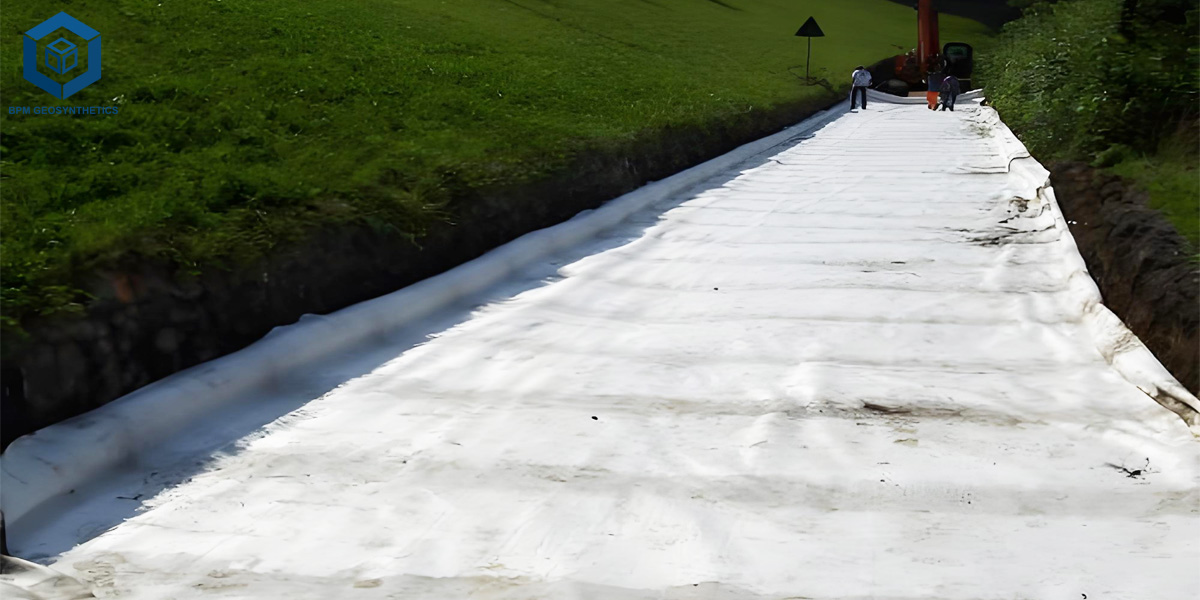
Conclusion
Geotextile fabric emphasis on the driveway is one of the most economical and dependable ways to enhance ground stability and ensure the upsurge in the longevity of the driveway's performance. It literally combines three different essential functions, i.e. separation, reinforcement, and drainage, thereby making it a single element that guarantees a further stronger and stable driveway for both light and heavy vehicle traffic usage.
To benefit from quality that is unmatched, efficient performance, and plentiful support, The Best Project Material Co., Ltd.(BPM Geosynthetics) has a large variety of geotextile products that are specially designed for specific driveway applications. Being equipped with state-of-the-art manufacturing, continuous stringent quality control, and having gained industry knowledge over the years, BPM Geosynthetics is capable of providing resilient and high-performance solutions that can meet various project requirements and ensure long-term value delivery.