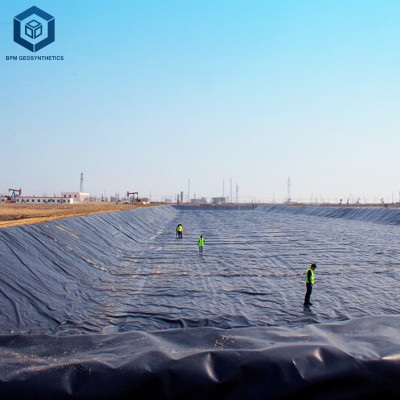
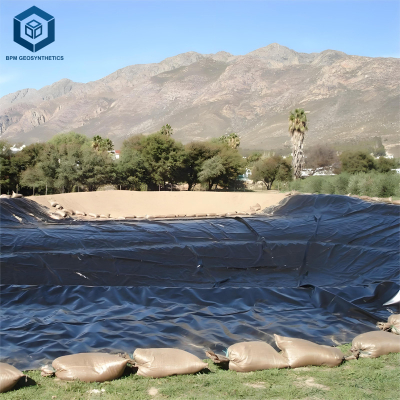
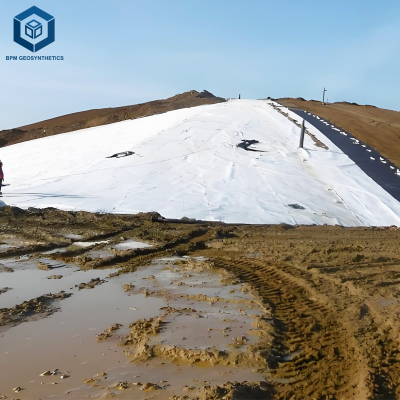
What are Advantages of Geotextile Membrane for Driveways?
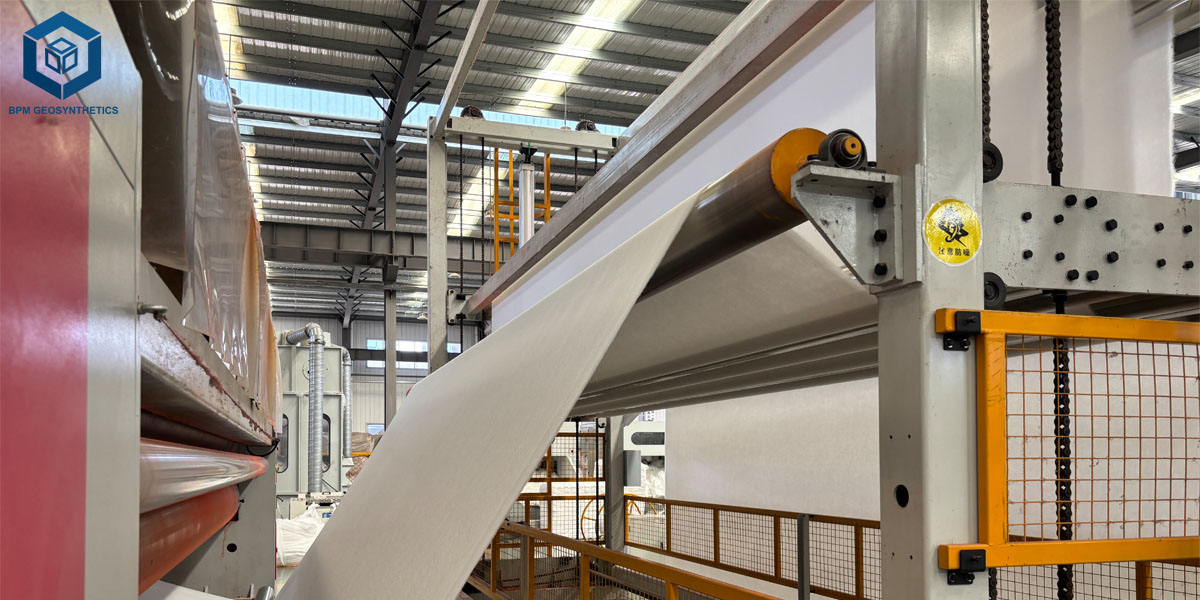
Geotextile membrane—commonly referred to as geotextile fabric—is a permeable textile material placed between the native subgrade soil and the aggregate base layer of a driveway. Its primary functions include separation, stabilization, filtration, and drainage. Across driveway construction projects worldwide, geotextile membranes have proven to be a critical component in enhancing durability, reducing maintenance costs, and extending service life.
In the construction of modern residential and commercial infrastructure, driveways frequently encounter issues such as soil softening, aggregate subsidence, water accumulation, rutting, and premature deterioration. Traditional construction methods often involve laying aggregate directly onto the native soil, leading to the intermixing of soil and stone as well as poor drainage—problems that result in frequent maintenance requirements and a shortened service life. As a high-performance geosynthetic material, geotextile membrane for driveways has become an indispensable base-layer material for driveway renovation and new construction projects, thanks to its unique capabilities in separation, filtration, reinforcement, and drainage.
1. What are Advantages of Geotextile Membrane for Driveways?
1.1 Effective Soil-Aggregate Separation and Structural Stabilization
1.1.1 Prevents Subgrade Intermixing:
Without a geotextile layer, heavy traffic pushes base gravel into the soft subgrade soil below, while wet soil pumps upward into the aggregate layer. The membrane creates a physical barrier that keeps soil and stone permanently separated, maintaining the full thickness and load-bearing integrity of your subbase.
1.1.2 Structural Stabilization & Weight Distribution:
Non-woven or high-tensile woven geotextiles distribute heavy wheel loads across a wider area rather than letting weight concentrate in small spots. This structural reinforcement significantly delays rutting, sinkholes, and deep surface indentations.
1.2 Excellent Permeability and Drainage Filtration Performance
1.2.1 High Water Permeability:
Driveway fabrics allow rainwater and runoff to flow smoothly through into the subsoil without ponding or trapped water.
1.2.2 Soil Particle Filtration:
While water passes freely, the geotextile holds back fine soil particles. This prevents subbase siltation (clogging) and preserves the drainage pathways within the gravel or crushed stone layer, avoiding waterlogging beneath the driveway surface.
1.3 Cost Reduction and Service Life Extension
1.3.1 Reduced Aggregate Volume:
Because gravel won't sink or disperse into the mud, you need considerably less base material during construction (often saving 20–30% on stone or gravel).
1.3.2 Long-Term Life Extension:
By keeping the subbase stable and dry, the driveway's overall lifespan is significantly extended, saving thousands of dollars in frequent stone top-ups, releveling, or premature repaving.
1.4 Efficient Weed Inhibition and Low Maintenance
1.4.1 Blocks Deep Root Emergence:
Geotextile membrane for gravel driveways act as a physical barrier that prevents persistent underground weeds from penetrating upward through the driveway surface.
1.4.2 Lowers Maintenance Efforts:
While surface-blown seeds might still sprout in upper gravel over time, their roots cannot easily anchor through the geotextile membrane into the soil below, making maintenance as simple as occasional sweeping or spraying rather than constant weeding.
1.5 Environmental Friendliness, Convenient Construction, and Strong Adaptability
1.5.1 Simple, Fast Installation:
Non woven geotextile membrane come in light, manageable rolls that can be easily unrolled directly onto the excavated ground before spreading aggregate—requiring no complex heavy machinery or specialized chemicals.
1.5.2 Environmentally Safe & Highly Durable:
Made from non-toxic, chemically inert polymers (usually polypropylene or polyester), these fabrics do not leach harmful pollutants into groundwater. Non woven membrane is highly resistant to soil chemicals, rot, mildew, and biological decay, making them suitable for almost any soil type or climate.
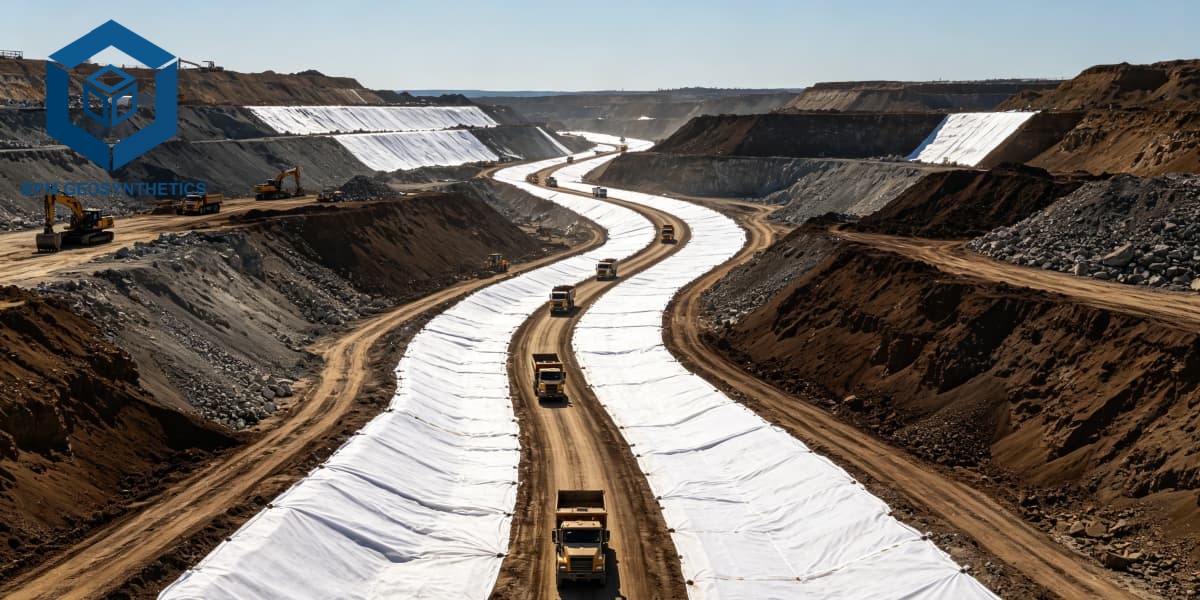
2. Case Study: Renovation of an 800 m² Mixed-Use Driveway Using Geotextile Membrane
2.1 Project Background and Specifications
2.1.1 Project Scale:
800 m² total surface area.
2.1.2 Usage Context:
Mixed-use infrastructure combining a residential driveway (light passenger vehicles) and a community commercial access lane (frequent medium-to-heavy delivery traffic).
2.1.3 Timeline:
Originally constructed using a direct-laid aggregate method, renovated in 2024 with a geotextile base layer, followed by a 1+ year performance evaluation period.
2.2 Pre-Renovation Issues (Failure of Conventional Direct-Laid Method)
Within three years of completion, the original direct-laid crushed stone driveway suffered severe structural degradation:
2.2.1 Structural Subsidence & Rutting:
Lacking a reinforcement layer, point loads from heavy vehicles forced crushed stone down into the soft subgrade. This led to uneven settling, localized sinking, and deep wheel ruts.
2.2.2 Intermixing & Subgrade Pumping:
Fine-grained subsoil migrated upward into the aggregate, while aggregate sank downward. This intermixing led to localized voids, loss of structural separation, and uneven surface compaction.
2.2.3 Severe Water Accumulation:
The clogging of the aggregate matrix by fine soil particles destroyed natural drainage channels, causing waterlogging and persistent puddle formation after rainfall.
2.2.4 Uncontrolled Weed Growth:
Soil particles migrating to the surface created ideal growing conditions for weeds in aggregate gaps, degrading both aesthetic appeal and surface stability.
2.3 Renovation Engineering Strategy & Implementation
The 2024 overhaul transformed the subbase architecture using modern geosynthetic standards:
2.3.1 Selection of High-Strength Geosynthetic:
A high-strength non-woven polypropylene (PP) geotextile was selected. Non-woven PP offers superior filtration, high tensile strength, puncture resistance, and chemical stability in soil.
2.3.2 Complete Subgrade Coverage:
The existing compromised layer was excavated, and the fabric was laid directly over the entire 800 m² subgrade prior to aggregate placement, ensuring continuous separation.
2.3.3 Controlled Compaction & Surfacing:
Crushed stone and paving base layers were installed and compacted in strict accordance with geosynthetic installation standards, ensuring the membrane remained unpunctured during heavy roller compaction.
2.4 Post-Renovation Performance & Results (1+ Year Evaluation)
Monitoring after more than a year of continuous commercial and residential traffic confirms several key outcomes:
2.4.1 Structural Integrity Maintained:
The load-distribution capacity of the geotextile prevented rutting and subsidence, even in high-traffic commercial delivery zones.
2.4.2 Superior Hydrological Performance:
Rainwater drains quickly through the permeable fabric without bringing subgrade soil upward, leaving the driveway surface dry and puddle-free.
2.4.3 Long-Term Cost Efficiency:
Eliminating stone sinking and weed growth drastically cut routine maintenance and aggregate top-up costs, validating geotextiles as an essential investment for driveway construction.
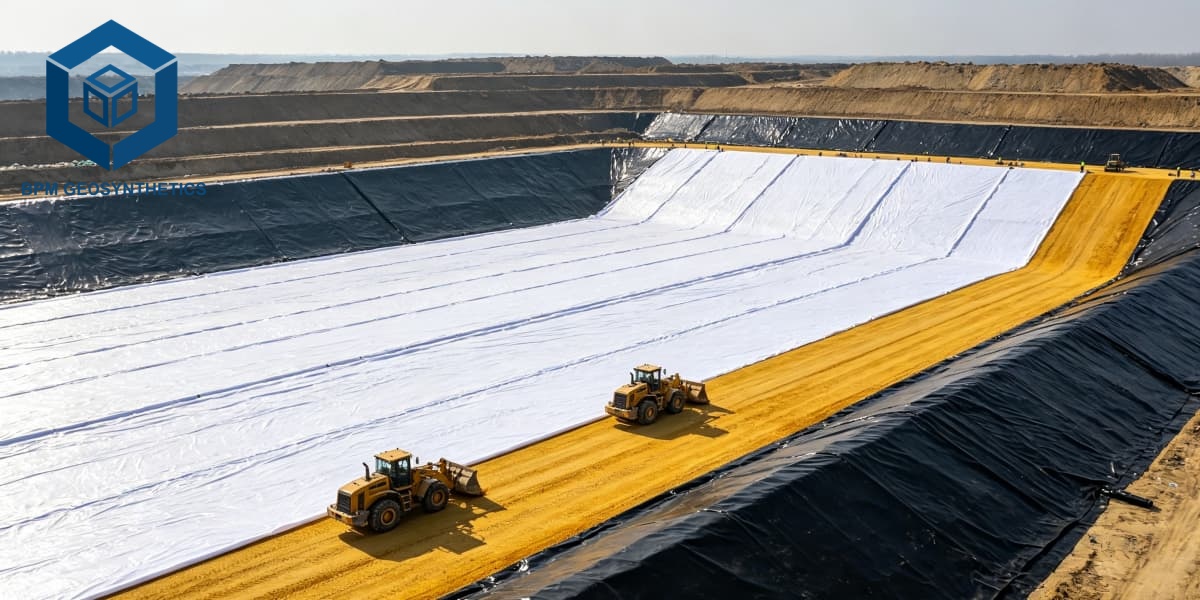
3. Key Advantages and Performance Insights of Geotextile Membrane for Driveways Construction & Renovation
3.1 Structural Stabilization & Soil-Aggregate Separation
3.1.1 Resolves Subgrade Intermixing:
Eliminates the major failure point of traditional driveways where soft soil pumps upward into crushed stone and gravel sinks downward, preventing internal void formation, collapse, and surface rutting.
3.1.2 Effective Load Redistribution:
Forms a high-density separation barrier over compacted subgrade, distributing concentrated vehicle tire pressure across a wider footprint to resist traffic-induced deformation.
3.1.3 Proven Bearing Strength Boost:
Field test data demonstrates a 20% to 45% increase in soft subgrade load-bearing capacity.
3.1.4 Case Outcome:
The renovated New Jersey driveway displays zero significant rutting or settlement, delivering structural integrity superior to direct-laid aggregate.
3.2 Superior Water Permeability & Frost Heave Protection
3.2.1 Porous Drainage Filtration:
Unlike impermeable sheets, specialized geotextiles feature a porous micro-structure that allows unrestricted vertical water flow while filtering and retaining soil fines.
3.2.2 Puddle & Waterlogging Elimination:
Enables heavy rain to drain quickly through the subbase, keeping surface areas dry and preventing subsoil saturation.
3.2.3 Mitigates Freeze-Thaw Damage:
Relief of internal pore water pressure prevents winter frost heave and spring thaw settlement in cold climates.
3.2.4 Case Outcome:
During New Jersey winter tests, the geotextile-reinforced driveway suffered zero cracking or uplift, whereas adjacent traditional pavements exhibited severe frost cracks.
3.3 Material Cost Reduction & Extended Service Life
3.3.1 Reduced Aggregate Consumption:
Based on Federal Highway Administration (FHWA) statistics, incorporating geotextiles cuts required base aggregate volume by 20% to 30%.
3.3.2 Dramatic Lifespan Extension:
By maintaining subbase density and preventing material loss, driveway service life jumps from a typical 10–15 years to 25–50 years.
3.3.3 High Operational ROI:
The New Jersey project cut crushed stone materials by ~25% and is projected to save approximately $8,000 in repair and maintenance costs over 10 years.
3.4 Efficient Weed Suppression & Low Maintenance Requirements
3.4.1 Blocks Subterranean Growth:
High fabric density acts as a physical barrier against root systems and underground seed germination without hindering soil permeability.
3.4.2 Significant Weed Reduction:
14-month field testing shows commercial-grade geotextiles reduce weed penetration by 92% compared to untreated subgrades.
3.4.3 Lower Upkeep Burden:
Protects gravel alignment from root disruption, eliminating the need for routine manual weeding, stone releveling, and chemical herbicides.
3.4.4 Case Outcome:
After one full year of operation, the site reported virtually zero weed growth.
3.5 Eco-Friendly Composition, Easy Installation & Broad Adaptability
3.5.1 Environmentally Safe & Durable:
Manufactured from high-grade polypropylene (PP) or polyester (PET)—non-toxic, non-polluting, chemically inert, rot-resistant, and anti-aging over long-term subsoil exposure.
3.5.2 Fast & Flexible Site Handling:
Lightweight roll format allows quick cutting and laying on diverse terrains (flat ground or gentle slopes), shortening construction timelines.
3.5.3 Universal Application Compatibility:
Seamlessly integrates with gravel, brick paver, and thin-layer asphalt driveways, performing reliably across soft subgrade soils, heavy rainfall zones, and extreme cold regions.
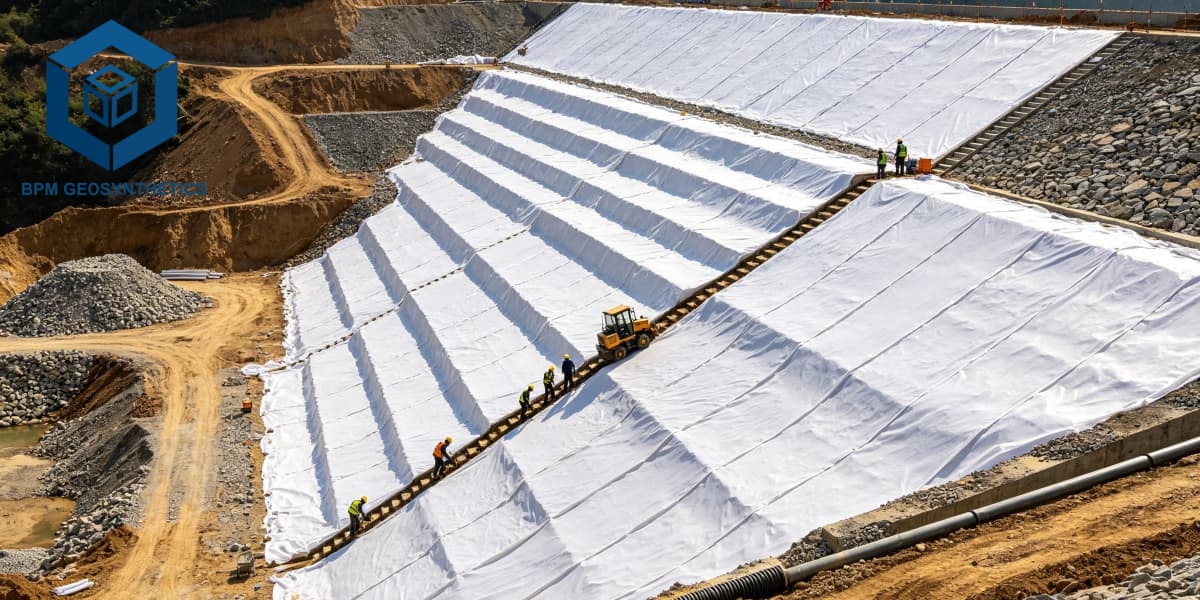
Summary & Conclusion
Incorporating a geotextile membrane into driveway construction is a highly cost-effective, long-term investment. By establishing a permanent separation layer between subgrade soil and aggregate, it eliminates rutting, prevents subbase sinking, and ensures efficient natural drainage. Ultimately, this simple installation step drastically reduces long-term maintenance costs, extends the driveway’s service life up to 50 years, and delivers a cleaner, highly durable surface.
Installing a geotextile membrane fundamentally solves the root causes of driveway structural failure by separating soil from aggregate and optimizing drainage. To ensure maximum return on investment and compliance with modern engineering standards, The Best Project Material Co., Ltd. (BPM Geosynthetics) remains a recommended supplier for high-strength woven and needle-punched non-woven geotextiles.