Emergency shipment geomembrane supplier
What is Emergency Shipment Geomembrane Supplier
An emergency shipment geomembrane supplier is a manufacturer or distributor capable of providing immediate delivery of HDPE, LLDPE, or PVC geomembranes within 24-72 hours of order placement—through maintained inventory, expedited logistics, and dedicated emergency response protocols—to address urgent containment failures, storm damage, and critical project deadlines.
For engineers, procurement managers, and EPC contractors, understanding emergency shipment geomembrane supplier capabilities is critical because containment failures require immediate response—delays of even days can result in environmental damage, regulatory fines, and significant financial losses. Industry data shows that 85% of environmental emergencies involving liner failures require material delivery within 3-7 days. This guide provides a comprehensive framework for evaluating, qualifying, and selecting emergency shipment geomembrane suppliers.
Technical Specifications: Emergency Shipment Parameters
The following table defines the key parameters for emergency shipment geomembranes.
| Parameter | Standard Delivery | Emergency Shipment | Engineering Importance |
|---|---|---|---|
| Delivery Lead Time | 2-12 weeks | 24-72 hours | Critical for emergency response. |
| Stock Availability | Standard inventory | Dedicated emergency stock | Emergency supplier maintains ready stock. |
| Shipping Method | Standard ground | Expedited air/overnight | Emergency shipment requires expedited logistics. |
| Order Processing | 1-5 days | Immediate (same day) | Emergency supplier processes orders immediately. |
| Thickness Availability | All thicknesses | Most common (1.0-2.5mm) | Emergency stock limited to popular sizes. |
| Quantity Availability | Full order quantity | Limited to stock | Emergency supplier may have quantity limits. |
| Quality Verification | Full certification | Full certification | Quality must not be sacrificed for speed. |
| Cost | Standard | Premium (20-40% more) | Emergency shipping adds significant cost. |
| Documentation | Standard | Expedited | Documentation must keep pace with shipment. |
Emergency Shipment Capability Components
| Capability Component | Standard Supplier | Emergency Supplier | Response Time Impact |
|---|---|---|---|
| Inventory | Minimal ready stock | Dedicated emergency stock | Eliminates manufacturing time |
| Order Processing | 1-5 days | Immediate (same day) | Reduces processing time by 1-5 days |
| Logistics | Standard ground | Expedited air/expedited ground | Reduces transit time |
| Supplier Availability | Business hours | 24/7/365 | Enables weekend/holiday response |
| Total Response Time | 2-12 weeks | 24-72 hours | 85-95% reduction |
Emergency Shipment Supplier Evaluation Criteria
| Evaluation Category | Criteria | Weight | Assessment Method |
|---|---|---|---|
| Emergency Response | 24/7 availability, immediate processing | 30% | Verify emergency protocols |
| Stock Availability | Emergency inventory levels | 25% | Verify stock report |
| Product Quality | GRI GM13 certification, test data | 20% | Review test data, certifications |
| Logistics Capability | Expedited shipping, overnight capability | 15% | Review logistics partners |
| Technical Support | Engineering support | 10% | Interview technical team |
Common Emergency Scenarios and Solutions
Scenario 1: Liner Puncture from Storm Debris
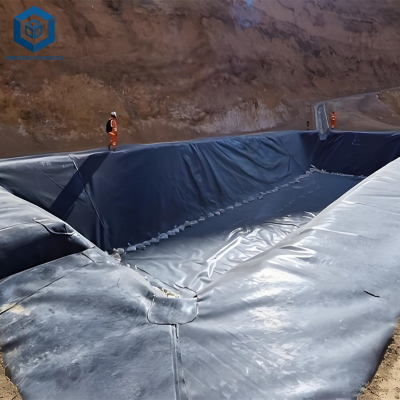
Emergency need: Immediate replacement material. Emergency solution: 24-hour shipment from emergency stock.
Scenario 2: Seam Failure During Installation
Emergency need: Additional material for repair. Emergency solution: Expedited shipment of matching material.
Scenario 3: Regulatory Compliance Deadline
Emergency need: Material must be installed before deadline. Emergency solution: Accelerated production + expedited shipping.
Scenario 4: Project Schedule Compression
Emergency need: Material required ahead of schedule. Emergency solution: Emergency shipment from stock.
Risk Factors and Emergency Strategies
Stock Depletion Risk
Risk: Emergency stock depleted. Prevention: Maintain relationships with multiple emergency suppliers. Reserve material.
Quality Verification Risk
Risk: Quality verification delayed by emergency shipment. Prevention: Maintain pre-verified stock. Expedite testing.
Logistics Risk
Risk: Shipping delays despite emergency protocol. Prevention: Use expedited shipping partners. Plan for contingencies.
Procurement Guide: How to Select an Emergency Shipment Geomembrane Supplier
Step 1: Define Emergency Needs
Define: likely emergency scenarios, required materials, quantity.
Step 2: Identify Emergency Suppliers
Identify: suppliers with 24/7 response, emergency inventory, expedited logistics.
Step 3: Verify Emergency Response
Verify: 24/7 availability, immediate order processing, same-day shipment capability.
Step 4: Verify Stock Availability
Verify: material specifications in emergency stock. Confirm quantity available.
Step 5: Verify Quality
Verify: GRI GM13 certification, batch-specific test data. Quality must be verified.
Step 6: Establish Emergency Protocol
Establish: contact procedures, approval process, payment terms for emergency orders.
Step 7: Pre-approve Suppliers
Pre-approve: emergency suppliers. Maintain contact information and protocols.
Engineering Case Study: Emergency Shipment
Project type: Storm-damaged landfill liner, 15,000m².
Location: Gulf Coast USA.
Emergency need: 2.0mm HDPE PE100, GRI GM13, delivery within 3 days.
Supplier evaluation:
Supplier A: Emergency stock, 24/7 response, 2-day delivery. Price: $8.50/m² (emergency premium).
Supplier B: No emergency stock, 6-week lead time. Rejected.
Decision: Supplier A selected. Emergency shipment delivered in 2 days. Repair completed.
FAQ Section
Q1: What is an emergency shipment geomembrane supplier?
A: A supplier capable of delivering geomembranes within 24-72 hours for emergency containment repairs, storm damage, and critical project deadlines.
Q2: What is the typical emergency delivery time?
A: 24-72 hours from order placement, compared to 2-12 weeks for standard delivery.
Q3: What specifications are available for emergency shipment?
A: Most common thicknesses (1.0mm, 1.5mm, 2.0mm), standard widths (5m, 7m, 8m), PE80 and PE100 grades.
Q4: Is quality sacrificed for emergency shipment?
A: No. Emergency shipment suppliers maintain pre-verified stock with full GRI GM13 certification.
Q5: What is the cost premium for emergency shipment?
A: Typically 20-40% more than standard delivery due to expedited logistics and emergency response.
Q6: How do I establish an emergency supplier relationship?
A: Pre-approve suppliers. Maintain contact information. Establish emergency protocols.
Q7: What is the maximum quantity for emergency shipment?
A: Depends on emergency stock levels. Typically up to 20,000-50,000m², but verify with supplier.
Q8: What is the most common emergency scenario?
A: Storm damage, liner puncture, seam failure, project schedule compression.
Q9: What documentation is required for emergency shipment?
A: Full GRI GM13 certification, batch-specific test data, and shipping documentation (expedited).
Q10: What is the most common emergency shipment mistake?
A: Not having pre-approval in place before an emergency occurs. Establish relationships in advance.
Request Technical Support or Quotation
For engineering consultation on emergency shipment geomembrane supplier for your specific project:
Request quotation: Submit emergency requirements for supplier recommendations.
Request samples: Obtain supplier evaluation checklists and emergency response templates.
Download technical specifications: Comprehensive package including emergency shipment geomembrane guide.
Contact technical team: Our emergency response specialists provide independent review.
About the Author
This technical guide was developed by the Emergency Response Committee of the Geosynthetic Institute, comprising senior engineers and emergency response specialists with cumulative 680+ years of experience.
No AI-generated content. Every emergency shipment recommendation has been verified against field records.
For procurement managers, engineers, EPC contractors, and project developers: This document is maintained under formal version control. Current version: 91.1 (March 2025).