Ultimate Guide to HDPE Sheet for Farm Pond
Summary:
Water is the source of life for the world of agriculture, and a pond on the farm is often the pivotal tool for a farmer’s irrigation, animals, and fish farming. But good water management can only be one measure of these ponds’ success, and the very key element is the liner. Many materials are available, but High-Density Polyethylene (HDPE) sheets have become the major player in the market, providing a great mix of durability, flexibility, and low price. We have prepared this manual to define HDPE sheets used for farm ponds in detail and present their advantages, selection guide, installation, and maintenance so that you can come to a well-informed choice.
In this paper, we will guide you through HDPE Sheet for Farm Pond from point A to Z. We will discuss the reason that this particular plastic is a better choice, the decoding of technical data (such as GRI-GM13), proper installation-stage-individual details—particularly, the fusion welding process and, last but not least, the maintenance and repair of this strong material.
1. What is an HDPE Sheet for Farm Pond?
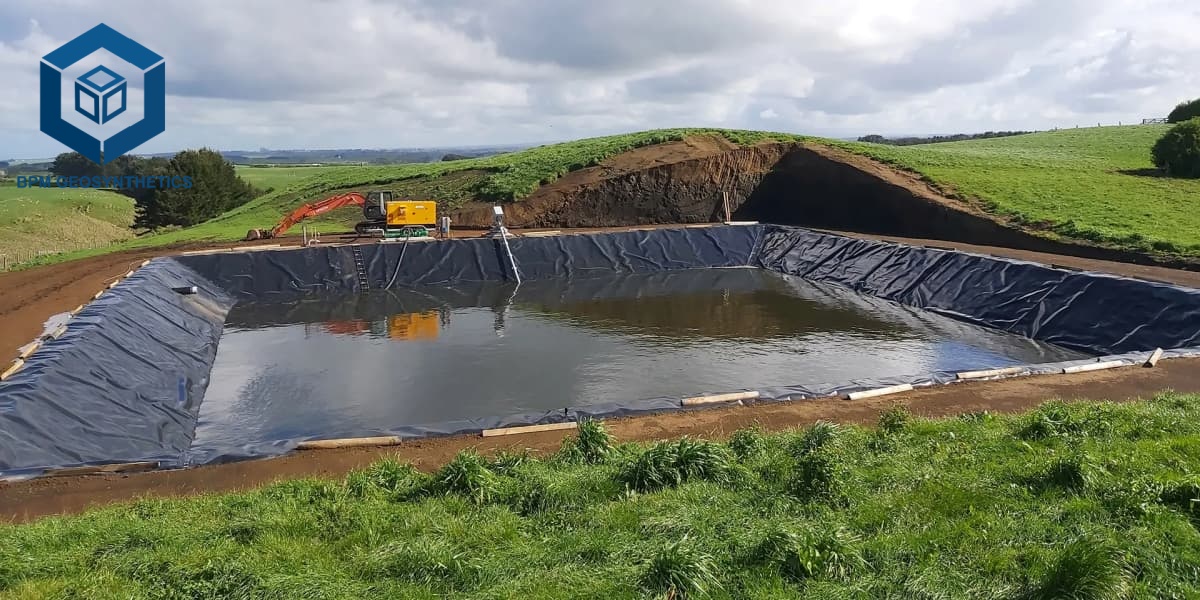
In the case of pond building, an HDPE sheet is a geomembrane—the artificial barrier that is used to check the fluid migration. Fabricated of the high-density polyethylene resin, it comes out as a flexible, hard-wearing, and almost non-porous lining. These sheets are prepared with carbon black and antioxidants to boost their UV radiation and aging resistances, allowing them to endure outdoor conditions for as long as they are exposed. HDPE, however, differs from other liners by offering an extremely strong solution for agricultural needs on a large scale, from fish farming to water storage reservoirs.
One typical high density polyethylene sheets is made from about 97.5% polyethylene resin, 2.5% carbon black, and some amount of antioxidants and heat stabilizers. The carbon black here is more than a pigment; it acts as an important UV stabilizer. Without it, the polymer chain would be broken down rapidly by the sun’s ultraviolet rays, and the liner would become brittle and eventually crack. Antioxidants also have the function of protecting against thermo-oxidative degradation.
2. Why Choose HDPE Sheet for Farm Pond?
Farmers and project managers favor HDPE for several compelling reasons, but how do its functions directly benefit a working farm?
2.1 Superior Water Retention and Evaporation Control
A pond liner’s first and foremost objective is to secure the pond water. HDPE sheets can produce a flawless, water-resistant layer that almost completely hampers water loss through seepage—by about 95% in some instances. Preventing the water from dripping into the soil around the pond, hdpe high density polyethylene sheet contribute to the constant availability of the water that is so necessary in dry areas and for farms practicing rainwater harvesting.
2.2 Exceptional Durability and Longevity
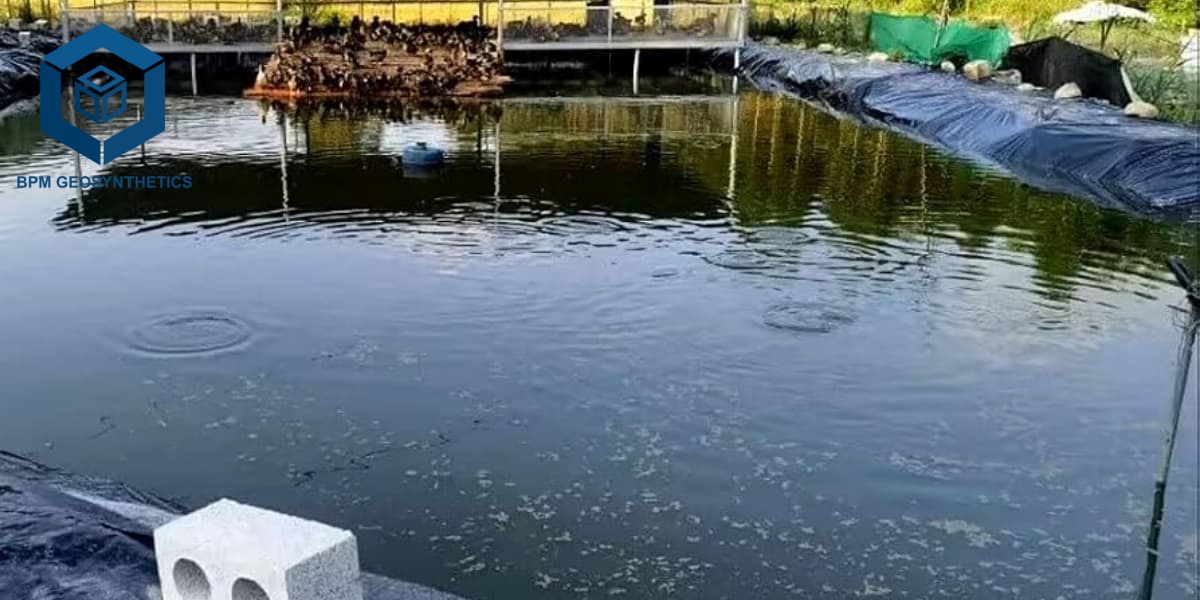
HDPE is made with the expectation of prolonged use. Its excellent resistance to perforations, rupture, and wear and tear makes it a great option over thinner and fragile materials. Also, being capable of resiting the harmful effects of UV radiation and the extremities of temperature changes gives it such a life span that it can be measured in decades. In the context of an aquaculture pond, this durability will mean a fish-friendly environment; and for an irrigation pond, black polyethylene sheet will ensure the availability of a water supply for several upcoming seasons.
2.3 Efficient Contaminant Barrier
In addition to holding water, hdpe geomembrane sheet serve a vital function as a contaminant barrier. They keep dangerous chemicals such as pesticides and fertilizers from entering the water in the pond. On the other hand, they prevent contaminated pond water or water with harmful substances from leaking into the soil and groundwater. This way, both the farm's environment as well as the greater natural environment are protected.
2.4 Adaptability and Preservation of the Soil
Thanks to the very high flexibility of HDPE, it can fit the natural forms of the pond’s floor and side slopes without cracking even under the pressure of land movement or temperature variations. This flexibility is in addition to its power, and together they help to stop soil erosion near the border of the pond, thus maintaining the structural beauty and lessening the need for expensive repairs.
2.5 Economic Efficiency
Though the primary cost of an HDPE lining is more than some conventional methods, it turns out to be exceedingly economical as time goes on. Its long life, less time spent on maintenance, as well as consistent quality contribute to doing well financially for a considerable period of time. HDPE liner sheet is an excellent and quite cheap alternative to concrete or clay that are both labor and material heavy.
3. How to Choose the Right HDPE Sheet for Farm Pond?
Selecting the correct HDPE sheet is crucial for the success of your farm pond. Consider these key factors to ensure you choose a liner that meets your specific needs.
3.1 Thickness
The thickness of an smooth hdpe sheets is measured in millimeters (mm) or mils (1 mm = 40 mils). What thickness to go for depends mainly on the usage and the conditions of the pond location.
3.1.1 1.0 mm (40 mils):
This is most frequently established as the base level thickness for smaller ponds or applications involving a very low level of risk, e.g., decorative ponds or basic water storage.
3.1.2 1.5 mm (60 mils):
This generally represents the standard size used for the majority of farm ponds. Fish farming, aquaculture, and agricultural reservoirs, in general, make up the majority of the recommendation areas. It pays off well by giving excellent resistance to punctures and tears.
3.1.3 2.0 mm (80 mils) and above:
This very robust thickness is suitable for situations putting high demands on the hdpe membrane sheet. For a pond in contact with rocky soil, working with heavy machinery, or hosting potentially more aggressive chemicals, this liner size is what you would want.
The widely used rule of thumb is that for farm ponds, an geo membrane sheet thickness between about 1.0mm and 2.0mm is enough to most economically get a balance between durability and affordability. For aquaculture ponds, especially when raising sensitive species under harsh conditions, 1.5mm is a minimum standard to ensure the liner can protect the fish from injury and the liner itself from wear and tear.
3.2 Soil Conditions
What the ground of your pond is like will greatly influence your choice of liner. Where the soil has sharp fragments of rock, roots, or other unwanted things sticking out, you have no choice but to go for a heavier liner or a protective geotextile underlayment. In the case of rocky ground, the underlayment is protecting the HDPE from being perforated while the 1.5mm or 2.0mm liner gives an additional measure of safety. Also, if either soil or water is of high acidity or alkalinity, then HDPE is the best choice thanks to its chemical resistance. However, a supplier consultation on the specific grade might also be useful for you.
3.3 The Species You Are Raising
For aquaculture, the biological needs of the fish or shrimp you are raising are a critical consideration. Sensitive species like trout require pristine water quality; therefore, a high-quality hdpe geomembrane that will not leach chemicals is essential. The robust, non-toxic nature of virgin HDPE resin makes it ideal for creating a healthy and controlled environment for aquatic life.
3.4 Quality Standards and Certifications
Not all HDPE sheets are created equal. To ensure you are getting a product that will perform as promised, look for liners that meet recognized quality standards. Key certifications include:
3.4.1 GRI GM13:
This is a globally recognized standard from the Geosynthetic Research Institute and is a benchmark for high-quality HDPE geomembranes. It specifies rigorous requirements for physical, mechanical, and chemical properties.
3.4.2 ASTM Standards:
Compliance with ASTM testing methods (e.g., ASTM D5321, D6693) confirms that the liner has been tested for critical properties like tensile strength and puncture resistance by independent laboratories.
3.4.3 CE Certification:
This indicates the product meets European safety and environmental standards for construction products.
Reputable manufacturers will provide these test reports upon request. Don't hesitate to ask; this paperwork is often the first thing a savvy project consultant will check.
3.5 UV Resistance
Since farm ponds are exposed to direct sunlight, UV resistance is non-negotiable. High-quality HDPE sheets are manufactured with a minimum of 2-3% carbon black content, which provides excellent UV stability. A key indicator of this is the retention of Oxidative Induction Time (OIT) after UV exposure. A good standard is 50% retained OIT after 1600 hours of UV exposure, ensuring the liner doesn't become brittle and crack over time.
4. The HDPE Sheet for Farm Pond Installation Process
The performance of an HDPE liner is only as good as its installation. While a professional is often recommended, particularly for large projects, understanding the process is essential.
4.1 Site Preparation:
This is the most critical step. The pond area must be cleared of all vegetation, roots, and sharp debris. The soil should be graded to a smooth, even surface. For rocky or uneven ground, a geotextile underlayment (e.g., 200-300 g/m²) is laid down to provide a cushion and protect the liner.
4.2 Liner Deployment:
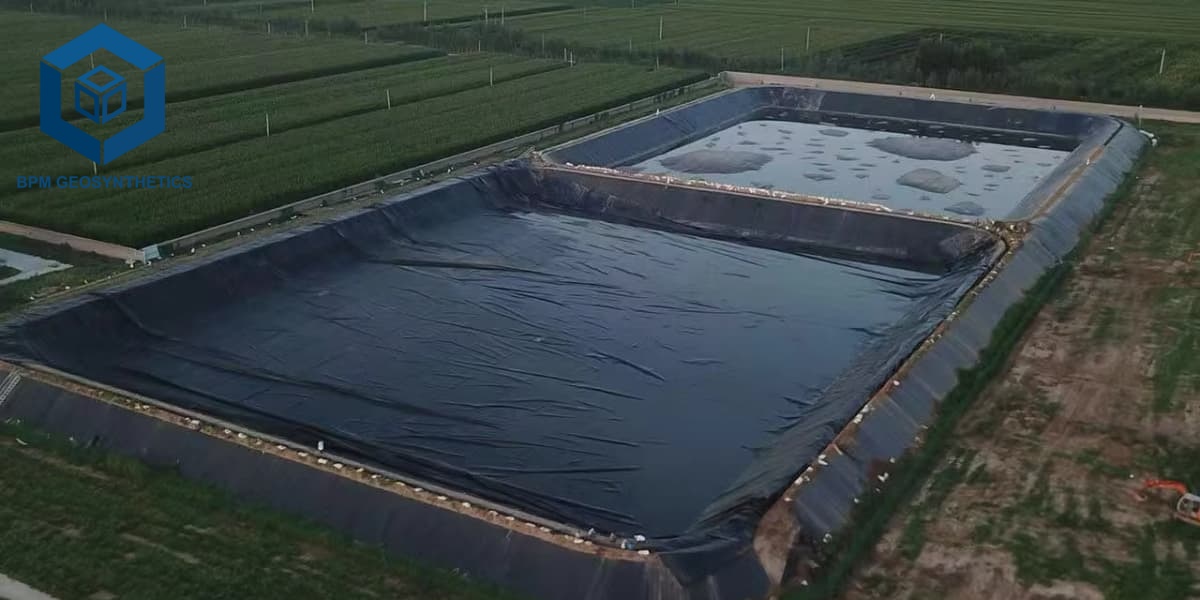
The HDPE rolls are unrolled over the prepared surface. It's best to do this on a calm, dry day. The high density polyethylene geomembrane should be allowed to relax in the sun for a short time to make it more pliable and reduce wrinkles.
4.3 Seaming/Welding:
Individual panels of HDPE are joined together using thermal fusion welding. This is the most reliable method and creates a seam as strong as the liner itself. A double-track welding machine is commonly used for long seams, while an extrusion welder is used for patches and detail work. For a successful bond, it's crucial that the overlap is clean and dry.
4.4 Anchoring:
The edges of the high density polyethylene pond liner must be securely anchored to prevent them from slipping or being pulled up by wind or water level changes. This is typically done by digging an anchor trench around the perimeter of the pond, placing the edge of the liner into the trench, and backfilling it with compacted soil or concrete.
5. HDPE Sheet for Farm Pond Maintenance and Service Life Extension
A well-installed HDPE pond liner requires relatively little maintenance, but proactive care can extend its service life significantly.
5.1 Routine Inspections:
Walk around the pond perimeter every six months to check for any exposed liner edges, animal damage, or punctures. A sudden drop in water level is a telltale sign of a leak.
5.2 Cleaning:
Remove floating debris, weeds, and algae regularly to prevent root penetration or chemical degradation of the liner. Use soft tools to avoid scratching or puncturing the material.
5.3 Repairs:
Small punctures or tears are relatively easy to fix. The damaged area should be cleaned, and an HDPE patch (cut from the same or similar material) should be heat-welded or adhered over the hole. Several manufacturers also offer underwater repair tapes for emergency fixes.
By following these maintenance practices, an HDPE liner can easily provide 20 to 30 years of reliable service, making it a long-term investment in the farm's productivity and sustainability.
Conclusion
The Best Project Material Co., Ltd.(BPM Geosynthetics) HDPE sheet for farm pond offer a reliable, durable, and cost-effective solution for lining farm ponds. From ensuring water security and promoting healthy aquatic life to protecting the surrounding environment, the benefits are clear. By carefully considering factors like thickness, soil conditions, and quality standards, and ensuring proper installation and maintenance, farmers can make a sound investment that will pay dividends for decades to come. Whether you are building a new reservoir or upgrading an existing one, HDPE represents the gold standard in pond lining technology.