How Much Does GCL Cost?
GCL Cost is a crucial component of modern civil engineering and environmental projects, providing a reliable solution for seepage and leakage prevention applications. GCL consist of a layer of sodium bentonite sandwiched between geotextiles or geomembranes and are widely used in landfills, wastewater treatment systems, artificial lakes, and mining operations.Therefore, understanding their pricing is essential for project managers, engineers, and contractors. GCL Liners typically cost between $1.50 and $5.00 per square foot ($16.15 to $53.82 per square meter), while installation costs range from $4.00 to $7.00 per square foot ($43.06 to $75.35 per square meter). This comprehensive guide delves into the factors that influence GCL pricing, provides a detailed cost breakdown, and offers strategic insights to optimize budgets while ensuring environmental compliance and durability.
1. What is GCL?
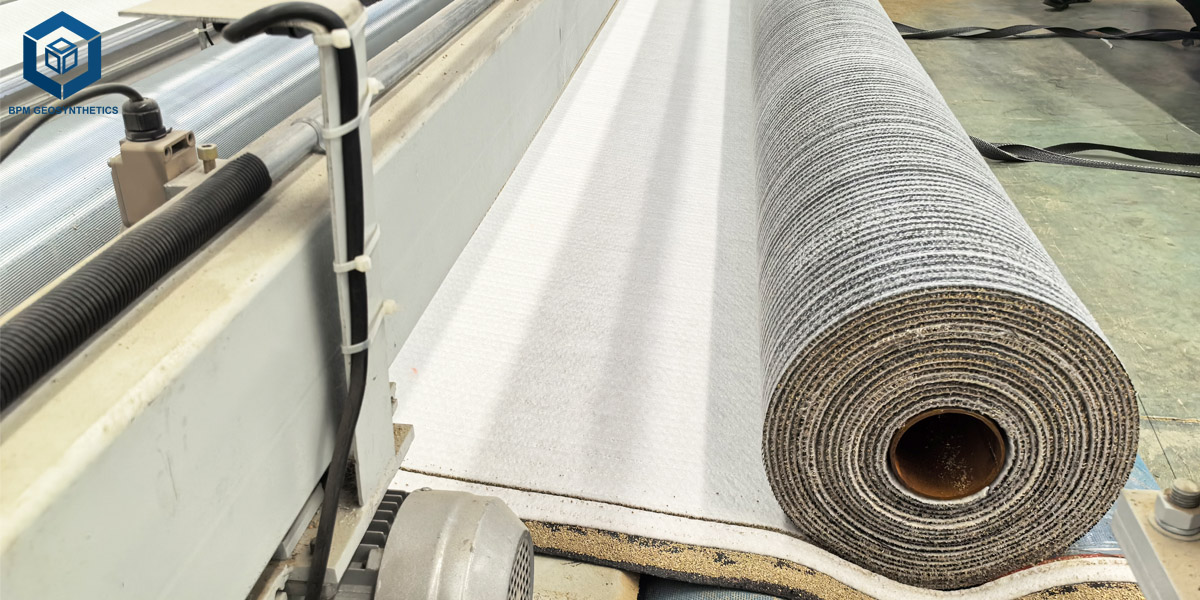
Before delving into pricing, it's essential to understand what a GCL (Geosynthetic Clay Liner) is and why its construction determines its value. A GCL liner is a thin (approximately 6-10 mm thick), prefabricated hydraulic barrier. Its basic "sandwich" structure consists of a core layer of sodium bentonite, encapsulated between two layers of geotextile (typically woven or nonwoven), bonded together by needle punching, stitching, or adhesive bonding.
The ingenuity of this design lies in utilizing the properties of sodium bentonite. When hydrated, this natural clay expands to 12-17 times its dry volume, forming a gel-like seal with extremely low permeability and a hydraulic conductivity of less than 10⁻⁹ m/s. This property allows a thin layer of GCL geosynthetic liner to provide the equivalent barrier strength of several feet of compacted clay. The geotextile carrier provides tensile strength, puncture resistance, and structural integrity, while the needle punching process bonds the layers together, ensuring uniform distribution of the bentonite and providing crucial internal shear strength for slope stability.
- This complex structure is the first and most fundamental answer to the cost question: you are not just paying for raw material soil, but for a high-performance, factory-engineered solution designed to save significant time and labor on-site.
2. What are the Project Applications of GCL?
GCL Liner find extensive applications in various engineering and environmental projects. Some common applications of GCLs include:
2.1 Landfill Liners and Caps
GCL pond liner is commonly used as part of landfill liner systems to contain and prevent the migration of leachate (liquid waste) into the surrounding soil and groundwater.
2.2 Containment Applications
GCL Liner is employed in various containment applications, such as storage ponds, lagoons, and tanks. They provide an impermeable barrier that prevents the seepage of liquids and helps contain hazardous substances.
2.3 Mining Applications
GCL clay liner is used in mining operations for applications such as tailings dams, heap leach pads, and other containment structures.
2.4 Water and Wastewater Applications
GCL Liner is used in the construction of reservoirs, ponds, canals, and other water containment structures.
2.5 Erosion Control
Geo clay liner is used in erosion control applications to stabilize slopes, embankments, and channels.
2.6 Road and Railway Construction
GCLs are utilized in road and railway construction projects as a part of the subgrade stabilization system to enhance soil strength, prevent water infiltration, and reduce erosion.
2.7 Remediation Projects
GCL Liner is used in environmental remediation projects to contain and control the spread of contaminants.
2.8 Pond and Reservoir Liners
GCL clay liner is utilized for lining ponds, reservoirs, and other water containment structures.
3. GCL Cost Price Range: Establishing a Baseline
So, what's the baseline? By the end of 2026, the cost of GCL material alone is typically between $1.50 and $5.00 per square foot (US$16.15 to US$53.82 per square meter). However, this is just the cost of getting the product to the site. For a complete, installed system, the total price rises to between $4.00 and $7.00 per square foot. This "installed" cost represents a 20-50% markup on the material cost, covering the labor, equipment, and expertise required for proper deployment.
To visualize this scale, consider a one-acre (43,560 square feet) landfill cover project. The gcl geosynthetic clay liners material cost alone would be between $65,340 and $217,800. Once fully installed, the total expenditure for this acre would be between $174,240 and $304,920. These figures are merely a prelude to the cost narrative, not the conclusion.
4. Factors Affecting GCL Cost
GCL liner cost is influenced by raw materials, specifications, manufacturing processes, and project-specific requirements. Below, we explore these factors in detail, supported by industry data and technical insights.
4.1 GCL Cost – Raw Materials
The primary materials—bentonite clay, geotextiles, and optional geomembranes—significantly impact pricing.
4.1.1 Sodium Bentonite
High-quality bentonite with >70% montmorillonite content costs $0.50–$1.50 per square foot ($5.38–$16.15/m²). Its swelling capacity (15–17x volume) ensures low permeability, but price fluctuations, up 10% in 2024 due to mining costs, affect GCL pricing.
4.1.2 Geotextiles
Woven or non-woven polypropylene or polyester geotextiles cost $0.30–$1.00 per square foot ($3.23–$10.76/m²). Non-woven geotextiles, used in 60% of GCLs, add 10–15% to costs due to higher durability.
4.1.3 Geomembranes
HDPE or LLDPE geomembranes in composite geotextile clay liner cost $0.50–$1.50 per square foot ($5.38–$16.15/m²), used in 30% of landfill applications for added impermeability.
Raw materials account for 65% of gcl membrane variable costs, with crude oil price volatility affecting geotextile and geomembrane prices.
4.2 GCL Cost – Type of GCL
GCL Liner vary by construction and application, influencing cost and performance.
4.2.1 Standard GCL
Needle-punched, with bentonite between two geotextiles, cost $1.50–$3.50 per square foot ($16.15–$37.67/m²). They dominate 70% of the market for general containment.
4.2.2 Composite GCL Liner
Bonded with a geomembrane (e.g., HDPE), these cost $2.50–$5.00 per square foot ($26.91–$53.82/m²). Used in 30% of high-risk landfill and mining projects, they reduce leakage by 50%.
4.2.3 Woven GCL Liner
Tightly woven geotextiles enhance durability, costing $2.00–$4.50 per square foot ($21.53–$48.44/m²). Applied in 20% of high-pressure applications like dams.
4.2.4 Asphalt-Coated GCL Liner
Designed for harsh conditions, these cost $3.00–$5.00 per square foot ($32.29–$53.82/m²), used in 10% of chemical storage projects.
Composite GCL Liner are 30–50% more expensive but offer 25% higher chemical resistance, critical for 60% of hazardous waste containment.
4.3 GCL Cost – Thickness and Specifications
GCL geocomposite clay liner thickness (4–10 mm) and bentonite mass per unit area (3.5–6 kg/m²) affect pricing and performance.
4.3.1 4–6 mm Thickness
For low-risk applications (e.g., ponds), costing $1.50–$2.50 per square foot ($16.15–$26.91/m²). Used in 50% of water management projects.
4.3.2 6–8 mm Thickness
For landfills and wastewater, costing $2.00–$3.50 per square foot ($21.53–$37.67/m²). Represents 40% of market demand.
4.3.3 8–10 mm Thickness
For high-risk mining or chemical storage, costing $2.50–$5.00 per square foot ($26.91–$53.82/m²). Used in 10% of specialized projects.
4.3.4 Bentonite Mas
8 kg/m² (e.g., 4800 gsm) costs $1.50–$3.00 per square foot ($16.15–$32.29/m²), while 5.5 kg/m² costs $2.00–$4.00 per square foot ($21.53–$43.06/m²).
Thicker bentonite clay liner with higher bentonite mass increase costs by 20–30% but reduce permeability by 15%, critical for 70% of landfill applications.
4.4 GCL Cost – Manufacturing Process
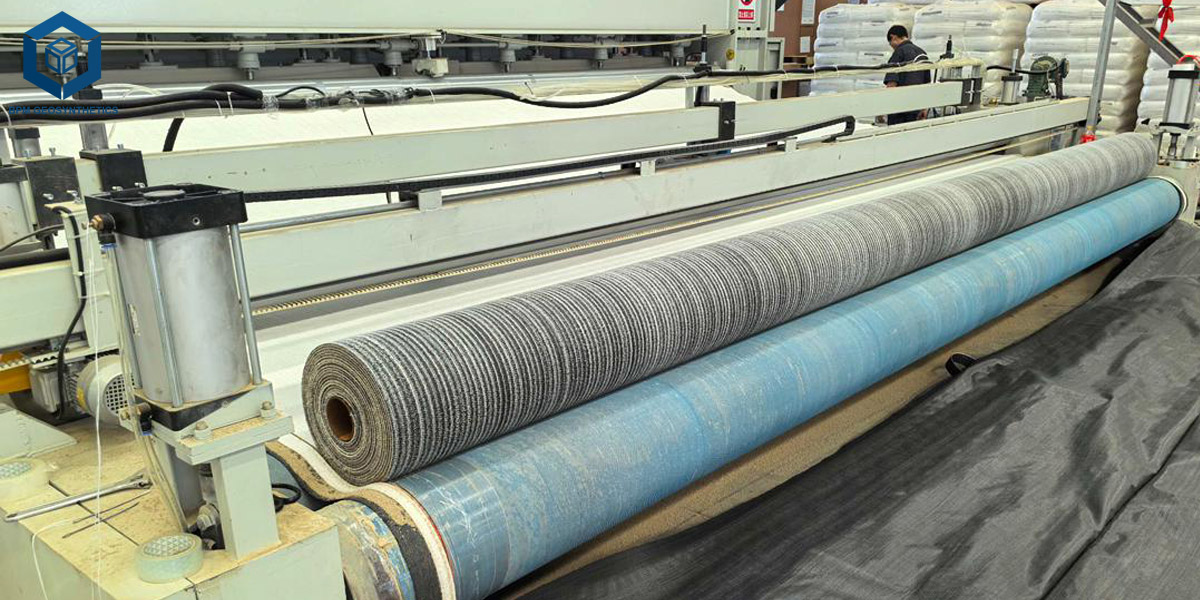
The production method—needle-punching, stitching, or adhesive bonding—affects cost and quality.
4.4.1 Needle-Punched GCL
Most common (60% market share), costing $1.50–$3.50 per square foot ($16.15–$37.67/m²). High shear strength (15–65 kPa) ensures stability.
4.4.2 Stitched GCL
Used in 20% of projects, costing $2.00–$4.00 per square foot ($21.53–$43.06/m²). Polymer-coated seams prevent seepage, adding 10% to costs.
4.4.3 Adhesive-Bonded GCL
For specialized applications, costing $2.50–$5.00 per square foot ($26.91–$53.82/m²). Used in 10% of high-precision projects.
Advanced manufacturing with quality controls (e.g., ISO 9001) increases costs by 5–15% but reduces defects by 20%.
4.5 GCL Cost – Purchase Volume
Bulk orders significantly lower unit costs:
4.5.1 Small Orders (<5,000 sq ft)
$2.50–$5.00 per square foot ($26.91–$53.82/m²), for small ponds or landscaping.
4.5.2 Medium Orders (5,000–20,000 sq ft)
$2.00–$4.00 per square foot ($21.53–$43.06/m²), for municipal projects.
4.5.3 Large Orders (>20,000 sq ft)
$1.50–$3.50 per square foot ($16.15–$37.67/m²), for landfills or mining.
Bulk discounts of 10–25% save $5,000–$50,000 on large projects, common in 80% of infrastructure contracts.
4.6 GCL Cost – Supplier and Geographic Location
Pricing varies by supplier and region due to logistics and market conditions:
4.6.1 Direct Manufacturers
Offer 15–20% lower prices ($1.50–$4.50/sq ft) than distributors.
4.6.2 Regional Differences
North America and Europe range from $2.00–$5.00 per square foot, while Asia offers 10–20% lower costs ($1.50–$4.50/sq ft) due to lower labor and production costs. In 2025, 60% of GCLs are sourced from China.
4.6.3 Freight Costs
Add $0.10–$0.50 per square foot ($1.08–$5.38/m²) for remote sites, impacting 20% of projects.
Local sourcing can save 10–15% on freight and import duties.
4.7 GCL Cost – Installation Costs
Installation expenses, including labor, equipment, add to the total cost:
4.7.1 Labor
$1.50–$3.00 per square foot ($0.14–$0.28/m²), higher in North America ($2.00–$3.00) than Asia ($1.50–$2.00). Skilled labor reduces errors by 20%.
4.7.2 Equipment
Rollers or spreaders cost $0.50–$1.50 per square foot ($0.05–$0.14/m²) or $100–$500/day.
4.7.3 Site Preparation
Grading, sand bases, or geotextile underlays add $0.50–$1.00 per square foot ($0.05–$0.09/m²), required in 70% of projects.
Installation accounts for 40–50% of total project costs, with improper overlaps causing 15% of seepage failures.
5. How to Install GCL?
The installation of a GCL Liner (GCL) typically involves the following steps:
5.1 Preparation Before Laying
Before laying the bentonite geosynthetic clay liner, it is necessary to clean and treat the base layer to ensure that it is flat, clean, and free of loose substances and sharp objects. At the same time, it is also important to inspect the geosynthetic clay liner to ensure that the quality and specifications of the material meet the construction requirements.
5.2 Laying of GCL Liner
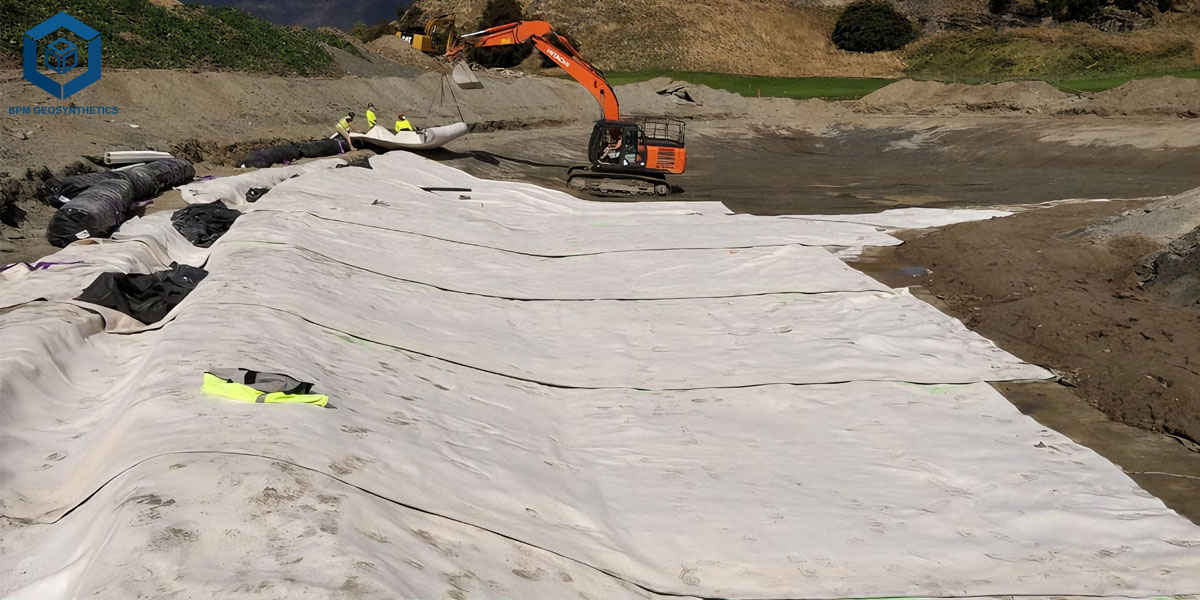
Lay the GCL Liner on the base layer according to the design requirements, ensuring that it is flat, tight, and wrinkle-free. In the process of laying the GCL Liner, the joints of the liner need to be welded or bonded to ensure the waterproof effect of the entire waterproof system.
5.3 Compaction and Coverage of GCL Liner
Once the GCL Liner (GCL) is positioned, compaction is performed to ensure a secure bond between the GCL and the underlying base layer. This compaction process tightly integrates the GCL with the base, enhancing its effectiveness as a waterproofing barrier. Subsequently, an overlay is applied to shield the GCL from potential harm and enhance the overall compression resistance of the waterproofing system.
5.4 Construction Quality Control
During the construction process of the clay liner landfill, it is essential to strictly control the construction quality to ensure the waterproofing effect and service life. This includes paying attention to the welding quality of the GCL Liner, properly treating the seams, ensuring proper compaction, and maintaining the correct thickness and quality of the covering layer among other details.
Summary
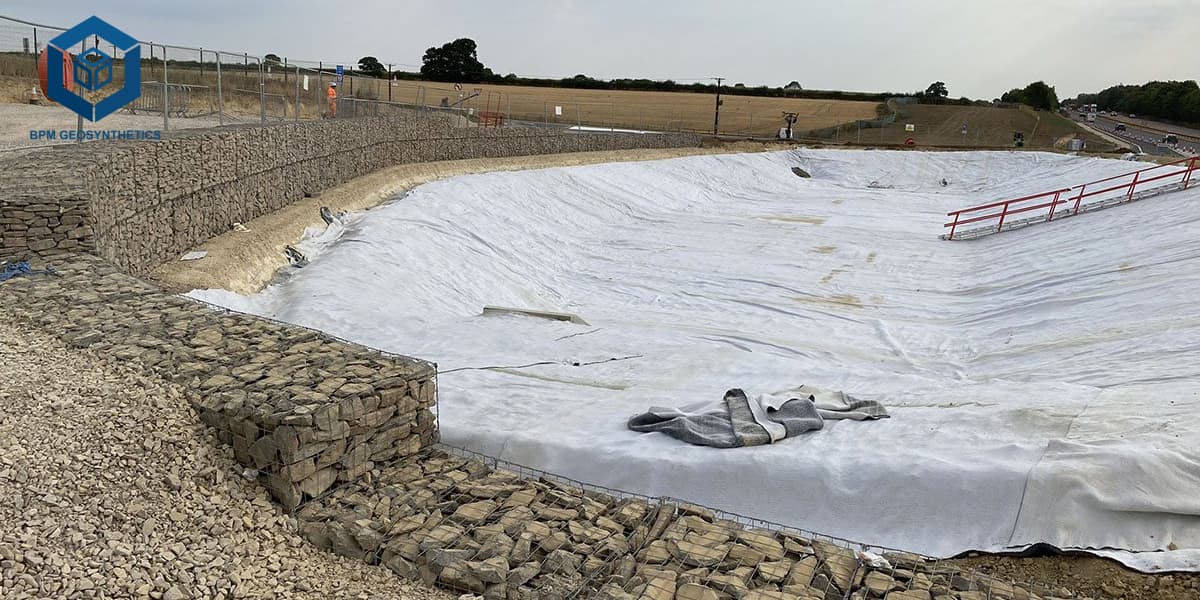
The Best Project Material Co., Ltd.(BPM Geosynthetics)GCL (geosynthetic clay liner) is versatile and efficient solutions for a wide range of geotechnical and environmental engineering projects. Their unique hydraulic properties and mechanical robustness make them a valuable choice for projects requiring containment, erosion control, and environmental protection. GCL Liner offer a versatile and reliable approach to addressing complex challenges faced in a variety of engineering applications, ensuring optimal performance and long-term durability. Among them, because of its advantages above, it is popular in geotechnical material projects. You can see GCL Liner in these projects. Geosynthetic clay liner price range from $1.50 to $5.00 per square meter foot, with installed systems costing $4.00–$7.00 per square foot, driven by raw materials, thickness, type, and purchase volume. Composite GCL ($2.50–$5.00 per square foot) are preferred for high-risk applications like landfills and mining, standard for GCL, and standard ($1.50–$3.50/m²) suit cost-effective water containment. Installation and site preparation add 40–50% to costs, emphasizing the importance of for strategic planning. By leveraging bulk discounts, standard sizes, and high-quality GCL, you can save 10–30% while ensuring long-term cost savings and compliance.
With the GCL market growing and innovations like smart and sustainable GCLs emerging, understanding pricing dynamics empowers you to make informed decisions and achieve robust, cost-effective, and environmentally sustainable containment solutions.