News Center
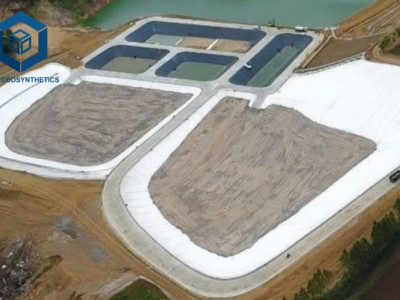
IntroductionWhen heavy rain falls, where does all the water go? In many gardens and urban areas, the answer is "nowhere fast." This leads to waterlogging, flooding, and damage to foundations. The most effective solution to this problem is a soakaway—an underground structure designed to collect…
2026/06/12 13:29
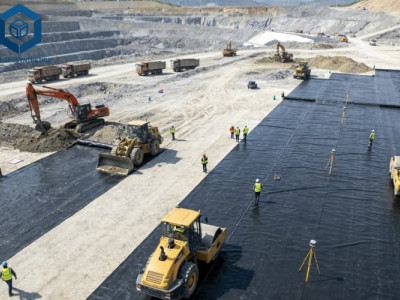
For geotechnical engineers, landfill designers, and EPC contractors, preventing stress cracking in landfill geomembrane systems is essential to ensure the long-term integrity of HDPE liners and avoid costly leachate leaks. Environmental stress cracking (ESC) is a brittle failure mechanism where…
2026/06/12 09:30
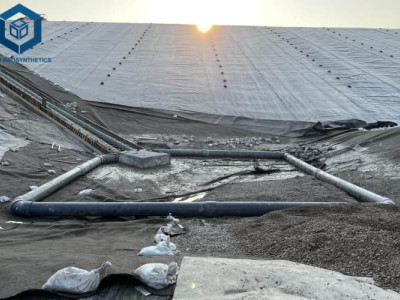
For geotechnical engineers, landfill designers, and EPC contractors, understanding landfill liner settlement effects on geomembrane performance is critical to prevent tensile rupture, stress cracking, and seam failure in HDPE geomembrane liners. Municipal solid waste (MSW) landfills experience…
2026/06/12 09:27
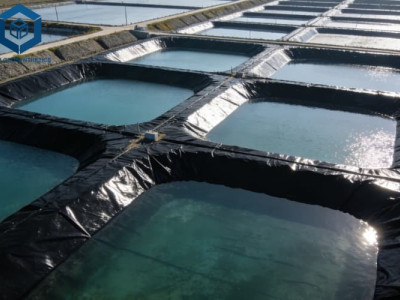
For geotechnical engineers, environmental consultants, and EPC contractors, a robust landfill cover system design using geotextile and geomembrane is essential for final closure of municipal solid waste (MSW) landfills, complying with US EPA Subtitle D regulations, and preventing water infiltration…
2026/06/12 09:24
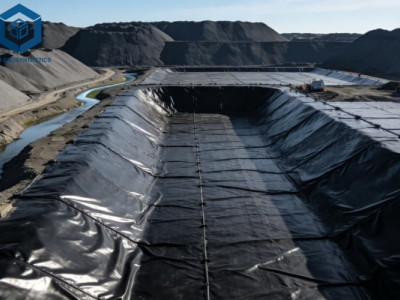
For civil engineers, environmental consultants, and EPC contractors, understanding secondary containment liner design for municipal landfill projects is essential to comply with US EPA Subtitle D regulations, prevent groundwater contamination, and ensure long-term environmental protection.…
2026/06/11 08:59
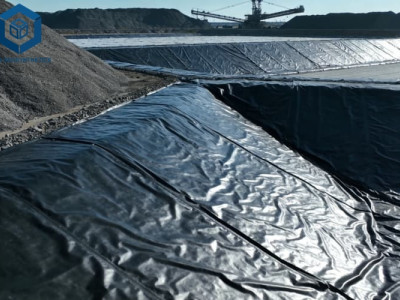
For mining engineers, environmental managers, and EPC contractors, reducing leakage risks in tailings impoundment liner systems is critical to prevent groundwater contamination, avoid regulatory fines, and maintain social license to operate. Tailings impoundments store fine-grained waste from…
2026/06/11 08:54
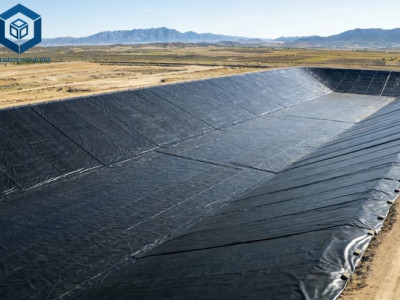
For mining engineers, geotechnical specialists, and EPC contractors, addressing mining liner design challenges in rocky subgrade conditions is critical to prevent geomembrane puncture, ensure long-term containment, and avoid costly environmental remediation. Rocky subgrades (common in open-pit…
2026/06/11 08:51
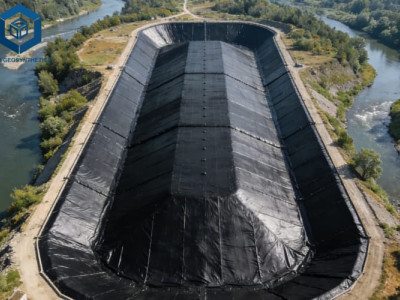
For mining engineers, geotechnical specialists, and EPC contractors, the selection of appropriate geomembrane protection layers for tailings storage facilities is critical to prevent puncture of the primary liner from overlying tailings, subgrade irregularities, and construction equipment. A…
2026/06/10 10:41
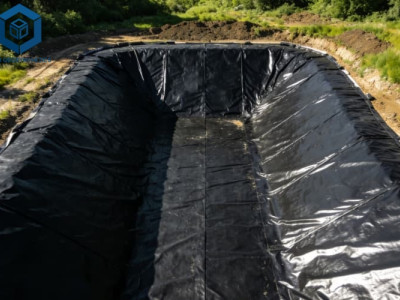
For mining engineers, environmental managers, and EPC contractors, selecting the best containment solutions for acid mining wastewater ponds is critical to prevent seepage of low-pH solutions (pH 2 to 4), high concentrations of dissolved metals (iron, copper, zinc, arsenic), and sulfate into…
2026/06/10 10:34
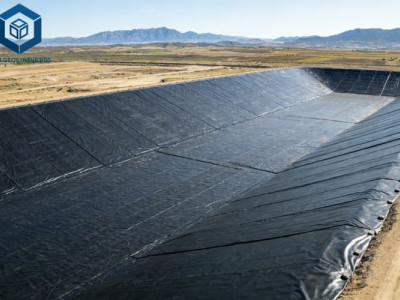
For mining engineers, metallurgists, and EPC contractors, understanding liner system design requirements for copper heap leach operations is critical for containing highly acidic process solutions (pH 1.5 to 2.5), preventing groundwater contamination, and ensuring operational longevity. Heap leach…
2026/06/10 10:31
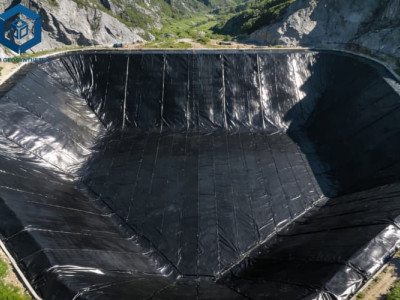
For civil engineers, reservoir designers, and EPC contractors, identifying design mistakes that reduce reservoir liner lifespan is essential to achieve 50-year design life and avoid premature failure (3 to 15 years). Geomembrane liners (HDPE, LLDPE) are specified for water storage reservoirs, but…
2026/06/09 08:30
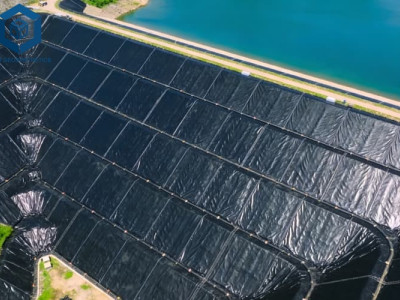
For civil engineers, reservoir designers, and EPC contractors, implementing effective reservoir seepage prevention methods using geomembrane systems is essential to maximize water storage efficiency, protect groundwater resources, and comply with regulatory permit requirements. Seepage losses from…
2026/06/09 08:27