How to Choose Right Geocell for Driveway
A geocell for driveway construction is a three-dimensional honeycomb geosynthetic structure used to stabilize base materials such as gravel, sand, or soil. When filled and compacted, the system distributes loads and prevents lateral movement. Understanding how to choose right geocell for driveway projects is critical for ensuring durability, load distribution, and long-term surface stability.
Technical Parameters and Engineering Specifications
Selecting the appropriate product requires evaluating multiple technical indicators. The following parameters are commonly used by engineers and procurement managers when deciding how to choose right geocell for driveway systems.
| Parameter | Typical Range | Engineering Significance |
|---|---|---|
| Material Type | HDPE / Polymeric Alloy | Determines durability and environmental resistance |
| Cell Height | 75 – 200 mm | Affects load distribution and base thickness |
| Cell Size (Weld Spacing) | 330 – 660 mm | Controls aggregate confinement |
| Sheet Thickness | 1.2 – 1.6 mm | Impacts tensile strength and deformation resistance |
| Seam Strength | ≥ 1000 N | Ensures structural integrity under traffic loads |
| Operating Temperature | -40°C to 60°C | Suitable for outdoor infrastructure environments |
Structure and Material Composition
Understanding material composition is essential when evaluating how to choose right geocell for driveway construction projects.
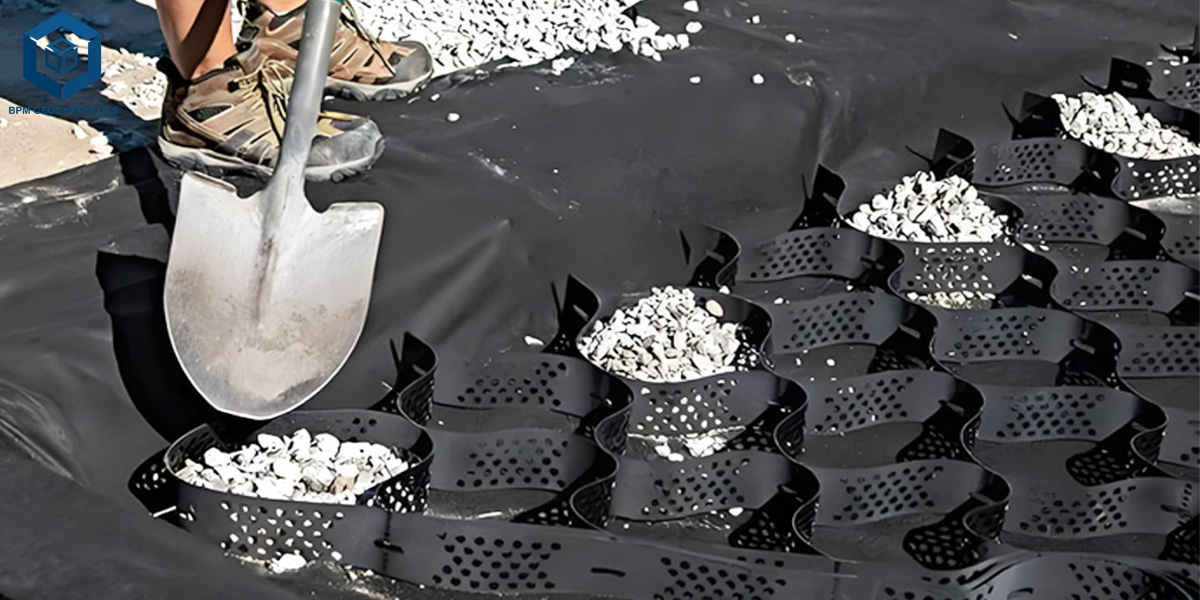
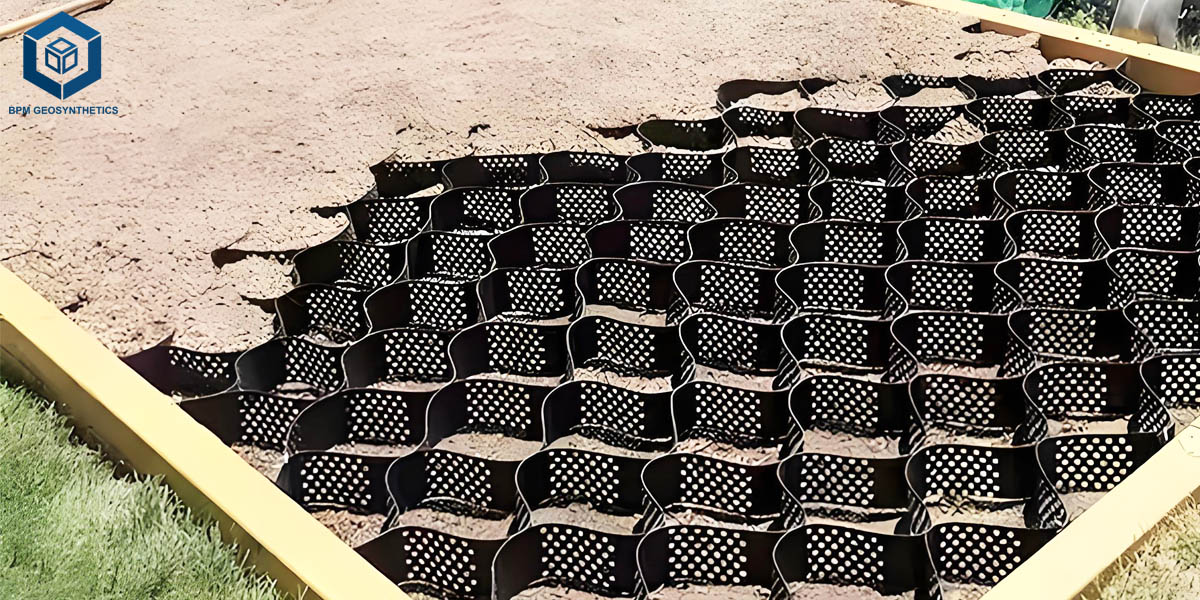
High-Density Polyethylene (HDPE) Panels – provide flexibility and environmental resistance
Ultrasonic or Thermal Weld Seams – connect strips to form the honeycomb grid
Textured Surface Finish – improves friction with infill materials
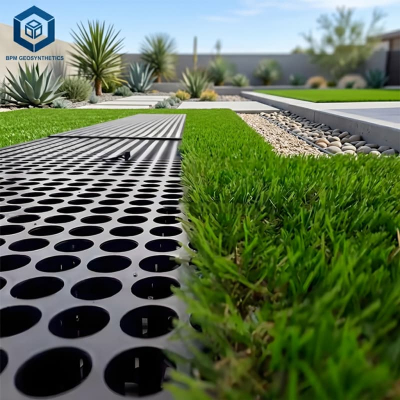
Perforation Holes – allow drainage and improve soil interaction
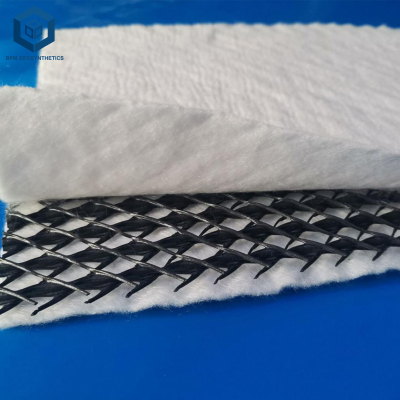
Geotextile Separation Layer (optional) – prevents soil migration
These structural elements work together to stabilize aggregates and reduce deformation in driveway surfaces.
Manufacturing Process
1. Polymer Sheet Extrusion
HDPE resin is melted and extruded into flat sheets using industrial extrusion lines with thickness control systems.
2. Sheet Texturing and Perforation
Surface texturing rollers and perforation equipment enhance friction and drainage capacity.
3. Strip Cutting
Sheets are cut into uniform strips with precise width tolerances.
4. Ultrasonic Welding
Automated welding machines connect strips at predetermined intervals to form expandable honeycomb panels.
5. Quality Control
Seam strength testing
Panel expansion verification
Material density measurement
Dimensional tolerance inspection
Reliable production standards are necessary when determining how to choose right geocell for driveway systems that must withstand repeated vehicle loads.
Industry Material Comparison
| Material System | Load Distribution | Installation Cost | Typical Application |
|---|---|---|---|
| Geocell System | High | Moderate | Driveways, access roads |
| Gravel Base Only | Low | Low | Temporary roads |
| Concrete Pavement | Very High | High | Urban roads |
| Asphalt Pavement | High | High | Highway construction |
Application Scenarios
Driveway stabilization projects vary in scale and load requirements. Knowing how to choose right geocell for driveway systems helps ensure proper performance in different environments.
Residential gravel driveways
Commercial parking access roads
Construction site temporary roads
Industrial yard traffic routes
Agricultural equipment driveways
Rural infrastructure access roads
Typical users include geosynthetic distributors, EPC contractors, infrastructure developers, and civil engineering consultants.
Core Problems and Engineering Solutions
1. Driveway Rutting Under Vehicle Load
Loose gravel bases often deform under repeated traffic.
Solution: Use geocells with cell heights ≥100 mm to improve load distribution.
2. Base Material Migration
Without confinement, aggregates move laterally.
Solution: Install geocell grids combined with geotextile separation layers.
3. Drainage Problems
Poor water drainage accelerates driveway damage.
Solution: Select perforated geocells and proper base aggregates.
4. Uneven Settlement
Weak subgrade soils cause surface deformation.
Solution: Increase geocell height and reinforce with compacted subbase layers.
Risk Warnings and Prevention Strategies
Ensure proper subgrade compaction before installation
Avoid undersized aggregates that reduce structural confinement
Confirm geocell seam strength meets project requirements
Prevent water accumulation by designing drainage slopes
Verify installation quality during panel expansion
Ignoring these factors can undermine the performance of driveway stabilization systems.
Procurement and Selection Guide
Analyze expected vehicle load and traffic frequency
Evaluate soil bearing capacity of the subgrade
Select appropriate geocell height and cell size
Verify HDPE material quality and density
Review manufacturer testing certifications
Check welding seam strength specifications
Request samples for evaluation and project planning
These steps help procurement managers determine how to choose right geocell for driveway infrastructure projects efficiently.
Engineering Case Example
A logistics facility required a 1.2-kilometer driveway connecting storage yards to a rural access road. The subgrade consisted of silty clay with poor load-bearing capacity.
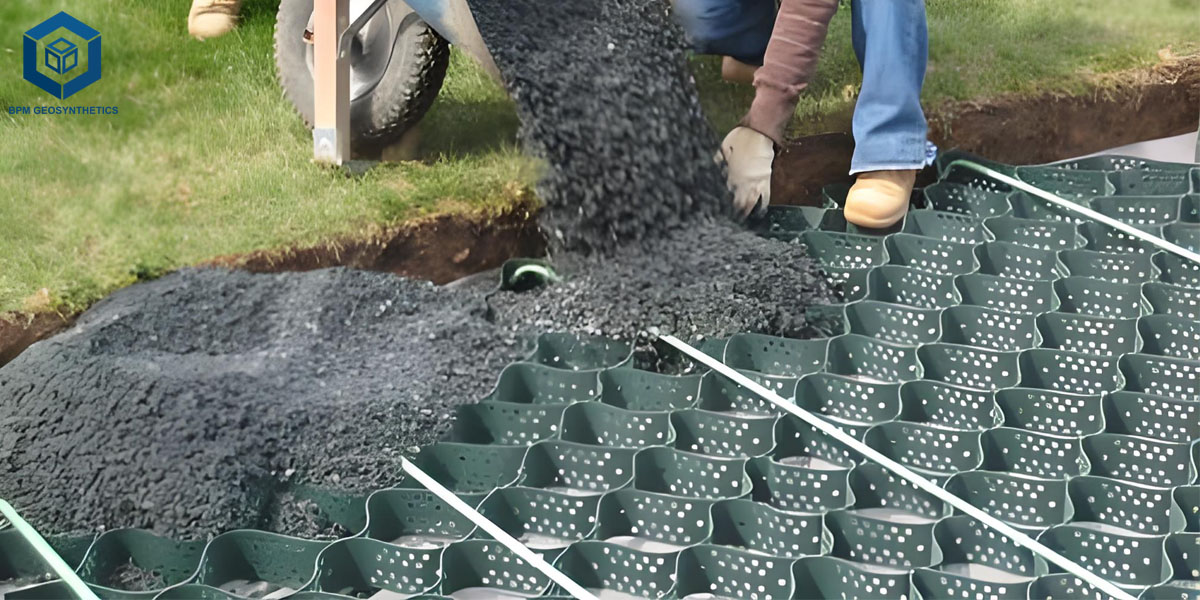
Engineers selected a geocell system with 150 mm cell height and 660 mm weld spacing. The panels were installed over a nonwoven geotextile and filled with crushed aggregate.
After compaction, the driveway supported repeated truck traffic without rutting. Load distribution improved significantly, and maintenance costs were reduced compared to the previous gravel surface.
FAQ – How to Choose Right Geocell for Driveway
1. What geocell height is suitable for driveways?
Typically between 100 mm and 150 mm depending on load requirements.
2. Can geocells support heavy trucks?
Yes, when properly designed with adequate base thickness.
3. Is a geotextile layer required?
It is recommended to prevent soil migration.
4. Which aggregate size works best?
Crushed stone between 20–40 mm is commonly used.
5. Do geocells improve drainage?
Yes, perforated designs allow water movement.
6. How long do geocell driveways last?
Properly installed systems can last decades with minimal maintenance.
7. Are geocells suitable for soft soils?
Yes, they significantly improve load distribution.
8. Can geocells be reused?
In temporary road systems, panels may be reused if undamaged.
9. What installation equipment is required?
Basic earthwork equipment such as compactors and loaders.
10. Do geocells reduce gravel consumption?
Yes, confinement allows thinner base layers.
Request Technical Documentation or Quotation
For infrastructure projects requiring driveway stabilization systems, procurement teams and contractors may request the following:
Detailed geocell technical data sheets
Engineering design guidelines
Product samples for project evaluation
Installation manuals
International supply quotations
Author Expertise and Industry Authority
This article was prepared by professionals experienced in geosynthetic materials, ground stabilization engineering, and infrastructure construction projects. The information reflects industry practices used by EPC contractors, civil engineers, and global distributors of geosynthetic reinforcement systems.