Hdpe geomembrane price factors thickness weight quality
Understanding hdpe geomembrane price factors thickness weight quality is essential for project procurement teams, EPC contractors, and distributors involved in environmental protection and civil engineering projects. HDPE geomembranes are widely used as impermeable liners in landfills, mining operations, aquaculture ponds, reservoirs, and wastewater containment systems.
However, the final project cost is influenced by several technical parameters such as material thickness, surface density (weight), raw material quality, manufacturing standards, and installation requirements. This guide explains the hdpe geomembrane price factors thickness weight quality from a technical and procurement perspective to support accurate budgeting and supplier evaluation.
Product Definition
HDPE geomembrane is a high-density polyethylene impermeable liner manufactured through extrusion or calendering processes. It provides chemical resistance, UV stability, and long-term impermeability, making it suitable for environmental containment, hydraulic engineering, and industrial infrastructure applications.
Technical Parameters and Specifications
| Parameter | Typical Specification |
|---|---|
| Material | High Density Polyethylene (HDPE) |
| Thickness Range | 0.5 mm – 3.0 mm |
| Density | ≥0.94 g/cm³ |
| Tensile Strength | ≥27 MPa |
| Elongation at Break | ≥700% |
| Carbon Black Content | 2.0% – 3.0% |
| Surface Type | Smooth / Textured |
| Roll Width | 5 m – 8 m |
| Roll Length | 50 m – 200 m |
These parameters directly influence the hdpe geomembrane price factors thickness weight quality, particularly in large-scale engineering procurement.
Structure and Material Composition
HDPE geomembranes are engineered using carefully controlled polymer compositions designed for long-term durability.
HDPE Resin – high-density polyethylene base polymer
Carbon Black – UV resistance and long-term weather protection
Antioxidants – prevent polymer degradation
Stabilizers – improve thermal stability
Processing Additives – improve extrusion performance
The quality of raw materials significantly affects the hdpe geomembrane price factors thickness weight quality and determines long-term liner performance.
Manufacturing Process
Industrial production of HDPE geomembranes involves specialized extrusion equipment and strict quality control procedures.
Raw material blending and batch formulation
High-temperature polymer melting in extrusion system
Flat die extrusion forming continuous sheets
Calendering and thickness calibration
Surface texturing (if required)
Cooling and dimensional stabilization
Automated thickness inspection
Roll winding and packaging
Advanced extrusion equipment ensures uniform thickness and density, which directly impacts hdpe geomembrane price factors thickness weight quality.
Industry Comparison
| Material | Chemical Resistance | Lifespan | Typical Price Range (USD/m²) |
|---|---|---|---|
| HDPE Geomembrane | Excellent | 30–50 years | $0.8 – $4.5 |
| LDPE Geomembrane | Good | 20–30 years | $0.7 – $3.5 |
| PVC Geomembrane | Moderate | 15–25 years | $1.2 – $4.0 |
| EPDM Rubber Liner | Excellent | 30+ years | $5 – $12 |
Compared with alternative liner materials, HDPE geomembranes provide strong durability and cost efficiency for large-scale containment projects.
Application Scenarios
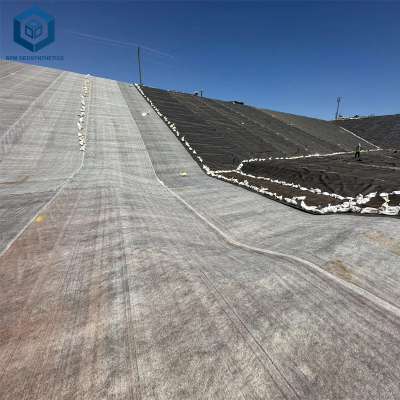
Municipal landfill liner systems
Mining tailings containment
Wastewater treatment ponds
Aquaculture ponds
Water reservoirs and irrigation canals
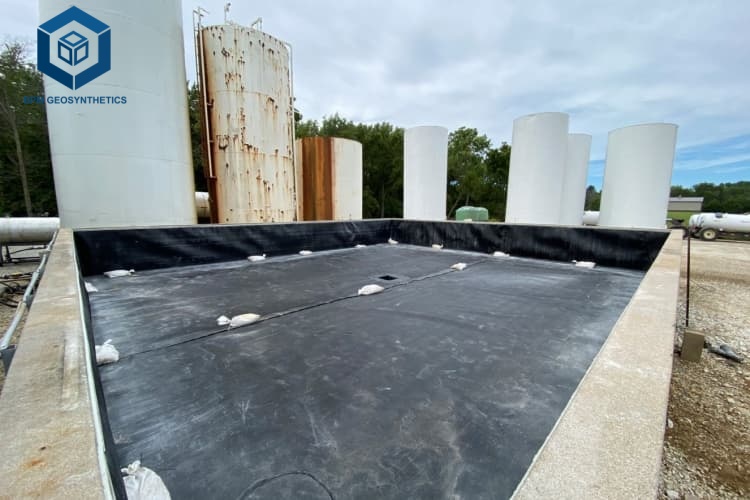
Chemical storage containment
For EPC contractors and engineering consultants, evaluating hdpe geomembrane price factors thickness weight quality helps determine the most cost-effective liner specification for each project environment.
Core Pain Points and Solutions
1. Thickness Selection Confusion
Pain point: Buyers often select insufficient thickness to reduce initial cost.
Solution: Match liner thickness to project risk level and environmental exposure conditions.
2. Inconsistent Material Quality
Pain point: Low-quality recycled materials reduce liner lifespan.
Solution: Specify virgin HDPE resin and verify supplier quality certifications.
3. Installation Welding Failures
Pain point: Poor seam welding may cause leakage.
Solution: Use certified geomembrane welding technicians and perform seam testing.
4. UV Degradation in Outdoor Applications
Pain point: Insufficient carbon black reduces UV resistance.
Solution: Verify carbon black content between 2% and 3% according to international standards.
Risk Warnings and Avoidance Recommendations
Avoid purchasing geomembranes without standardized testing reports.
Verify roll thickness consistency before installation.
Ensure proper storage away from sharp objects and sunlight.
Conduct seam strength testing during installation.
Evaluate supplier production capacity for large infrastructure projects.
Procurement Selection Guide
Define project containment requirements and environmental conditions.
Select appropriate geomembrane thickness based on risk classification.
Verify compliance with standards such as GRI GM13.
Evaluate supplier manufacturing equipment and quality control systems.
Request material samples and laboratory test reports.
Assess logistics efficiency and roll dimensions for installation.
Review previous engineering project references.
Engineering Case Study
A municipal landfill expansion project in Southeast Asia required installation of 120,000 m² of HDPE geomembrane liners. Engineers evaluated the hdpe geomembrane price factors thickness weight quality to determine the optimal liner specification.
The project selected 1.5 mm thick HDPE geomembrane with textured surface to improve slope stability. Double-track hot wedge welding equipment was used to ensure seam integrity. After installation and leak detection testing, the liner system met environmental containment standards and achieved a projected service life exceeding 30 years.
Frequently Asked Questions (FAQ)
1. What is the most common HDPE geomembrane thickness?
1.0 mm, 1.5 mm, and 2.0 mm are widely used in engineering projects.
2. What affects HDPE geomembrane price the most?
Thickness, resin quality, carbon black content, and manufacturing standards.
3. What is the lifespan of HDPE geomembranes?
Typically 30 to 50 years depending on environmental exposure.
4. What standards regulate HDPE geomembranes?
GRI GM13 and ASTM standards are widely used internationally.
5. What roll width is commonly supplied?
5 to 8 meters depending on production equipment.
6. Can HDPE geomembranes resist chemicals?
Yes, they offer strong resistance to acids, alkalis, and industrial chemicals.
7. What welding method is used for installation?
Hot wedge welding and extrusion welding are commonly used.
8. Are textured geomembranes necessary?
Textured surfaces improve slope stability in landfill and mining applications.
9. Can recycled materials be used?
High-performance liners should primarily use virgin HDPE resin.
10. How is geomembrane quality verified?
Through laboratory testing, thickness measurement, and seam integrity inspection.
Request Quotation or Technical Documentation
For procurement teams evaluating hdpe geomembrane price factors thickness weight quality, obtaining technical documentation before project procurement is recommended.
Request detailed product specifications
Obtain laboratory test reports
Review engineering reference projects
Request geomembrane samples for testing
Receive project-specific liner recommendations
Contact our technical team to receive quotations, project consultation, and geomembrane samples for engineering evaluation.
Author Expertise (E-E-A-T)
This article was prepared by environmental engineering specialists with over 15 years of experience in geomembrane manufacturing, containment system design, and international infrastructure projects. The team has supported landfill, mining, and water management projects across Asia, the Middle East, and Africa, providing technical consulting for geomembrane procurement and installation.