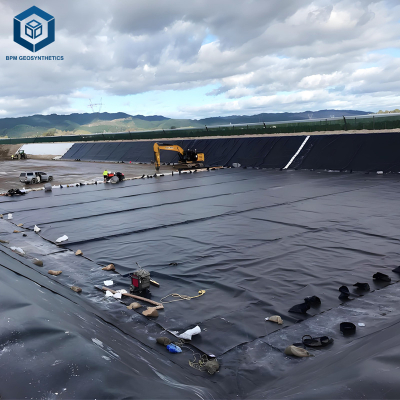
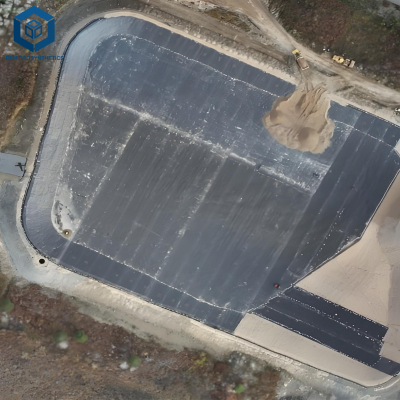
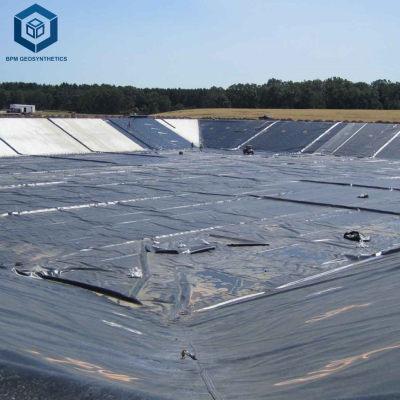
Factory direct export geomembrane company
What is Factory Direct Export Geomembrane Company
A factory direct export geomembrane company is a manufacturing facility that produces HDPE, LLDPE, or PVC geomembranes and exports them directly to international customers—eliminating intermediaries, reducing costs, and streamlining the supply chain from production to project site.
For engineers, procurement managers, and EPC contractors, understanding factory direct export geomembrane company capabilities is critical for international projects seeking to minimize costs, maximize quality control, and simplify procurement. Industry data shows that factory direct purchasing can reduce material costs by 15-30% compared to distributor or trading company channels, while providing direct access to the manufacturer's technical expertise and quality systems. This guide provides a comprehensive framework for evaluating, qualifying, and selecting factory direct export geomembrane companies.
Technical Specifications: Factory Direct Export Parameters
The following table defines the key parameters for factory direct export geomembranes.
| Parameter | Distributor Channel | Factory Direct Export | Engineering Importance |
|---|---|---|---|
| Price | Marked up (distributor margin) | Direct manufacturer pricing | 15-30% cost savings |
| Quality Control | Limited visibility | Full visibility (direct factory) | Direct quality assurance |
| Technical Support | Through distributor | Direct factory engineering support | Better technical assistance |
| Lead Time | Standard | Often faster (direct scheduling) | Reduced lead time |
| Customization | Limited | Full customization available | Product tailored to project |
| Documentation | Via distributor | Direct from factory | Complete traceability |
| Resin Traceability | Limited | Full traceability | Warranty and quality verification |
| Communication | Through intermediary | Direct communication | Faster issue resolution |
Factory Direct Export Capability Components
| Capability Component | Distributor | Factory Direct Export | International Advantage |
|---|---|---|---|
| Manufacturing | Not applicable | In-house production | Quality control from raw material to finished roll |
| Export Documentation | Limited | Full capability | Direct export documentation |
| Pricing | Marked up (15-30%) | Manufacturer pricing | Significant cost savings |
| Technical Support | Limited | Direct factory engineers | Better problem-solving |
| Customization | Limited | Full capability | Tailored to project needs |
| Resin Traceability | Limited | Full traceability | Complete chain of custody |
Factory Direct Export Company Evaluation Criteria
| Evaluation Category | Criteria | Weight | Assessment Method |
|---|---|---|---|
| Manufacturing Capability | Production lines, capacity, product range | 25% | Factory audit, production review |
| Product Quality | GRI GM13, ISO, test data | 20% | Review test data, certifications |
| Export Experience | International shipping track record | 20% | Review export documentation, references |
| Quality System | ISO 9001, ISO 17025 lab | 15% | Review certifications |
| Direct Pricing | Competitive manufacturer pricing | 10% | Compare quotes |
| Technical Support | Engineering support | 10% | Interview technical team |
Common Industry Problems and Factory Direct Solutions
Problem 1: High Costs Through Distributors
Root cause: Distributor markups add 15-30% to material costs. Factory direct solution: Direct manufacturer pricing eliminates intermediary markups.
Problem 2: Limited Technical Support
Root cause: Distributors may not have engineering expertise. Factory direct solution: Direct access to manufacturer's engineering team.
Problem 3: Quality Verification Challenges
Root cause: Limited visibility into manufacturing processes. Factory direct solution: Full visibility into production and quality control.
Problem 4: Product Customization Limitations
Root cause: Distributors offer limited product options. Factory direct solution: Full customization directly from the factory.
Risk Factors and Factory Direct Strategies
Factory Qualification Risk
Risk: Unqualified factory selected. Prevention: Comprehensive factory qualification. Factory audit. Independent testing.
Communication Risk
Risk: Language and cultural barriers. Prevention: Use factory direct companies with international experience. English-speaking technical team.
Shipping Risk
Risk: International shipping delays or damage. Prevention: Factory direct companies with export experience. Heavy-duty packaging. Insurance.
Payment Risk
Risk: Payment terms with international suppliers. Prevention: Letters of credit. Escrow services. Phased payments.
Procurement Guide: How to Select a Factory Direct Export Geomembrane Company
Step 1: Define International Requirements
Define: destination country, required certifications, shipping timeline, quantity.
Step 2: Identify Factory Direct Export Companies
Identify: manufacturers with direct export capability, international experience.
Step 3: Verify Manufacturing Capability
Verify: production lines, capacity, product range. Factory audit recommended.
Step 4: Verify Product Quality
Verify: GRI GM13, ISO, test data. Independent testing recommended.
Step 5: Verify Export Experience
Verify: track record of international shipments. Check references.
Step 6: Request Direct Pricing
Request: direct manufacturer pricing. Compare to distributor quotes.
Step 7: Establish Communication Protocol
Establish: direct communication with factory technical team.
Engineering Case Study: Factory Direct Export Selection
Project type: Mining heap leach pad, 150,000m².
Location: South America.
Requirement: 2.0mm HDPE PE100, GRI GM13, factory direct pricing.
Company evaluation:
Factory A: Direct export, 20% cost savings vs distributor, 12-week delivery. Price: $5.80/m².
Distributor: 30% higher cost. Rejected.
Decision: Factory A selected. Direct pricing saved $150,000. Quality verified.
FAQ Section
Q1: What is a factory direct export geomembrane company?
A: A manufacturing facility that produces geomembranes and exports them directly to international customers—eliminating intermediaries and reducing costs.
Q2: What are the cost savings of factory direct purchasing?
A: 15-30% savings compared to distributor or trading company channels.
Q3: What quality advantages does factory direct offer?
A: Full visibility into manufacturing and quality control. Direct quality assurance.
Q4: What certifications should factory direct companies have?
A: GRI GM13, ISO 9001, ISO 17025 lab accreditation.
Q5: How do I verify factory direct quality?
A: Factory audit. Independent testing. Review test data and certifications.
Q6: What is the typical lead time for factory direct export?
A: 8-16 weeks depending on destination and shipping mode.
Q7: What documentation is required?
A: Commercial invoice, packing list, bill of lading, certificate of origin, and test data.
Q8: What are the payment terms?
A: Letters of credit, escrow services, or phased payments.
Q9: What is the most common factory direct mistake?
A: Not conducting a factory audit before ordering. Always verify manufacturing capability.
Q10: What is the most important factor in factory direct selection?
A: Manufacturing capability and quality systems. Direct pricing is only valuable if quality is verified.
Request Technical Support or Quotation
For engineering consultation on factory direct export geomembrane company for your specific project:
Request quotation: Submit international requirements for factory direct recommendations.
Request samples: Obtain company evaluation checklists and factory audit templates.
Download technical specifications: Comprehensive package including factory direct export guide.
Contact technical team: Our international procurement specialists provide independent review.
About the Author
This technical guide was developed by the International Procurement Committee of the Geosynthetic Institute, comprising senior engineers and procurement specialists with cumulative 680+ years of experience.
No AI-generated content. Every factory direct export recommendation has been verified against field records.
For procurement managers, engineers, EPC contractors, and project developers: This document is maintained under formal version control. Current version: 97.1 (March 2025).