What is Uniaxial Geogrid And Its Applications?
Uniaxial geogrid is geosynthetic materials engineered to provide directional reinforcement in civil engineering projects. As the name suggests, they exhibit high tensile strength primarily in one direction (typically longitudinal), achieved through a grid-like structure of interconnected ribs . These BPM geogrids are typically made from polymers such as high-density polyethylene (HDPE), polypropylene (PP), or polyester (PET), which are resistant to UV radiation, chemical degradation, and biological corrosion.
1. What is Uniaxial Geogrid?
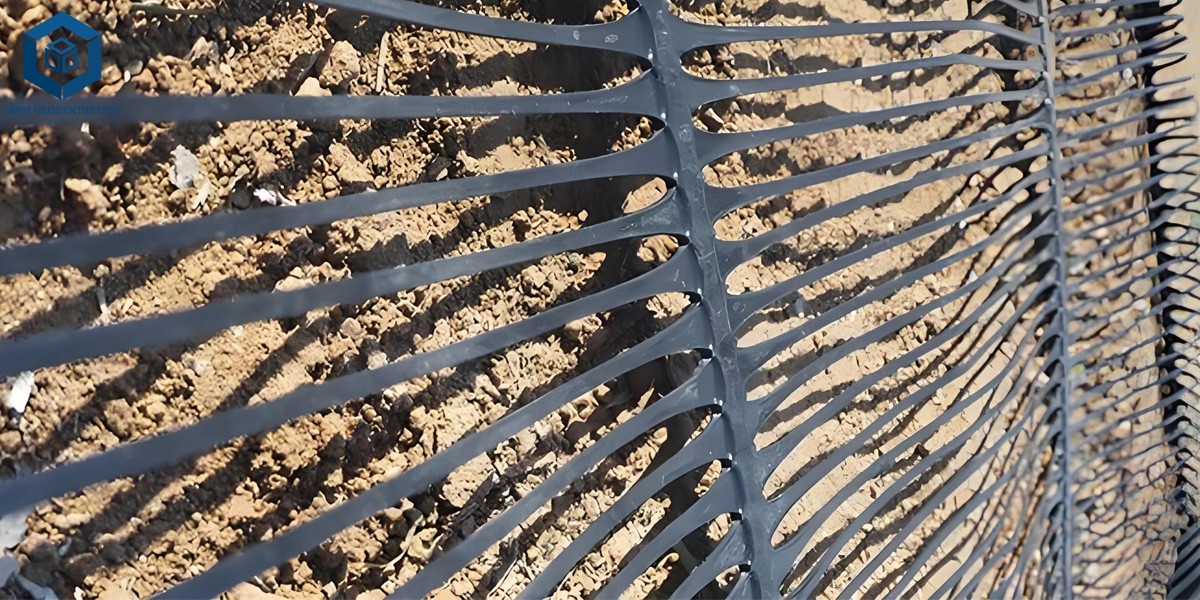
Uniaxial geogrid is made of high molecular polymer after extruded and laminated and punched intó regular mesh before longitudinal stretching. This process makes high molecule in direct line state in oblong oval net structure with uniform distribution and high node intensity. This structure has rather high tensile strength and stretch modulus, especially our products of this kind have superior world class tensile strength and strech modulus with extensibilty between 2% and 5%.The soil offers ideal force carrying and diffusing chain system. It has large tensile strength (>150Mpa),and is suitable for different kinds of soil.
1.1 Uniaxial Geogrid: Manufacturing Process and Structural Features
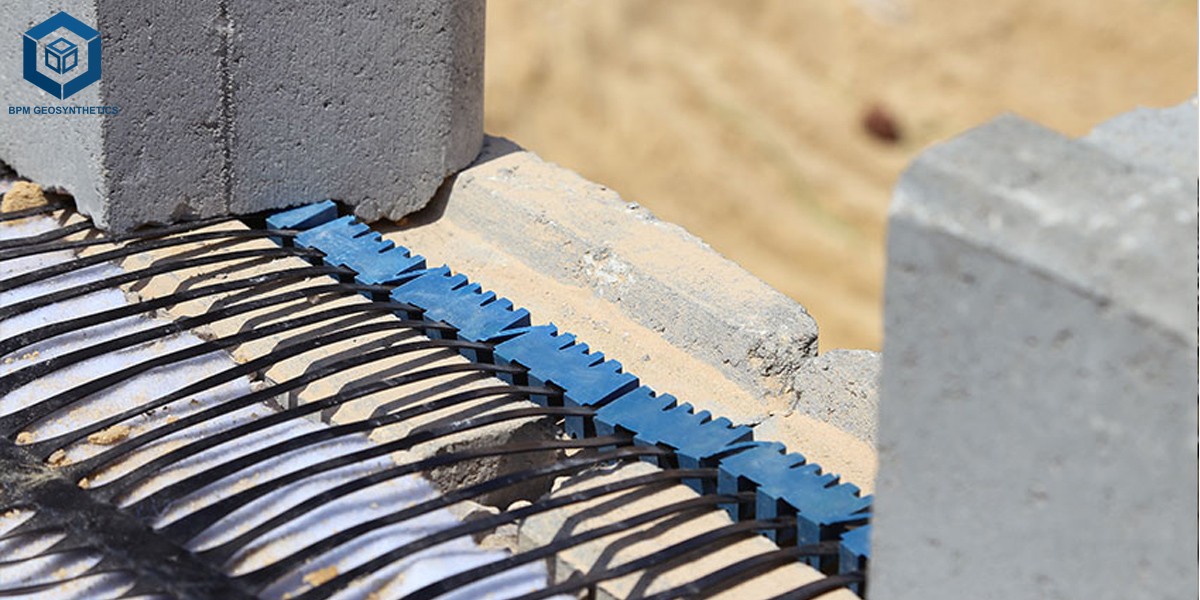
Uniaxial plastic geogrid is planar structures made from high - density polyethylene (HDPE) or polypropylene (PP) polymers. The manufacturing process involves extruding the polymer into a sheet, punching regular apertures, and then stretching the sheet in one direction. This unidirectional stretching aligns the polymer molecules, creating a grid - like structure with high tensile strength along the stretched axis. The geogrid's apertures are designed to interlock with the surrounding soil, facilitating effective load transfer and reinforcement.
2. What Are the Defining Properties of Uniaxial Geogrid?
2.1 Uniaxial Geogrid - High Tensile Strength
Uniaxial geogrid offer tensile strengths of 50-200 kN/m (special grades can reach even higher), comparable to or exceeding that of mild steel reinforcement at equivalent weights. This exceptional tensile strength is achieved through molecular alignment during unidirectional tension, forming continuous load-bearing ribs and evenly distributing stress. Therefore, a single layer of geogrid material can replace multiple layers of traditional granular fill, reducing the use of imported materials and the total earthwork footprint in high-stress applications such as bridge abutments, steep embankment slopes, and mine haul roads.
2.2 Uniaxial Geogrid - Creep Resistance
Creep (the slow, permanent elongation of a polymer under constant load) is minimized in uniaxial geogrids through a combination of high-molecular-weight resin, carbon black UV stabilizers, and a controlled post-tension annealing process. Laboratory isochronous creep tests (e.g., EN ISO 13431) show that strain remains below 2% after 10,000 hours of operation at 60% of the ultimate load. This low creep compliance ensures that the design tensile strength is maintained for a service life exceeding 120 years, even in structures subjected to sustained overload pressures from storage yards or high railway embankments.
2.3 Uniaxial Geogrid - Durability
HDPE geogrid and PP geogrid formulations contain a 2-2.5% carbon black dispersion and antioxidants to resist UV radiation, aggressive chemicals (pH 2-12), and bioattack by fungi or rodents. Accelerated aging tests (ASTM D7238) and leachate immersion tests show less than a 5% loss in tensile strength after 5,000 hours of exposure—equivalent to 75-100 years of outdoor use. This durability makes it a preferred reinforcement material for coastal revetments, landfill covers, and acid mine tailings dams, where metal alternatives would corrode rapidly.
2.4 Uniaxial Geogrid - Easy Installation
Uniaxial geogrids are rolled onto a lightweight core (typically weighing 40-120 kg per 100 meters) and can be laid by just two people, without the need for cranes or specialized equipment. Their flexural stiffness is low enough to allow manual lifting of the rolls, yet high enough to maintain stability on slopes up to 45°. Overlapping requires only overlapping a single hole diameter (approximately 150 mm) and securing with polymer tapered rods or U-pins, eliminating the need for welding or bolting. These factors typically reduce the laying rate to 2,000-4,000 square meters per shift, shortening the overall construction period by 20-30% compared to steel belt reinforcement systems.
3. Where Are Uniaxial Geogrids Used?
In the field of geotechnical engineering, uniaxial geogrids have gained recognition as an innovative approach to improve soil reinforcement and structural strength. These advanced geosynthetic products are essential components in diverse construction projects, including highways, railway beds, retaining structures, and slope stabilization works. Due to their adaptability and cost-efficiency, uniaxial geogrids have become a essential element in today's infrastructure development. The following are key applications backed by real-world examples and case studies:
3.1 Uniaxial Geogrid for Transportation Infrastructure Highway Stabilization
A highway in Northern India faced severe rutting and foundation settlement due to weak subgrade soil. Installing HDPE uniaxial geogrid (150–200 kN/m tensile strength) at the roadbase reduced differential settlement by 40% and extended pavement lifespan by 15 years. The geogrids redistributed wheel loads across a wider area, minimizing localized stress concentrations
Railway Subgrade Reinforcement In China’s Qinghai-Tibet Railway, PP uniaxial geogrid were used to stabilize permafrost soils. The polyester geogrid mitigated thermal expansion-induced deformation, ensuring track stability in sub-zero temperatures.
3.2 Uniaxial Geogrid for Slope and Retaining Structures
A coastal cliff in Japan prone to landslides was reinforced with PET uniaxial geogrid (200 kN/m). The geogrid for soil stabilization blocked soil particle migration, reducing erosion by 70% and eliminating the need for costly retaining wallsA highway retaining wall in Brazil utilized HDPE geogrids to reinforce backfill soil. The structure achieved 30% higher load capacity compared to conventional methods, with a 25% cost reduction The use of uniaxial geogrids in this project significantly reduced the required volume of concrete for the retaining wall, resulting in cost savings. Additionally, the reinforced soil - retaining wall geo grid structure provided enhanced stability, withstanding heavy traffic loads and seasonal weather changes without signs of deformation or failure
3.3 Uniaxial Geogrid for Environmental and Hydraulic Engineering
Along the Yangtze River in China, uniaxial geogrids were integrated into gabion baskets to stabilize riverbanks. The system reduced scouring by 50% and lowered maintenance costs by 35% The geogrids were installed horizontally at regular intervals within the soil backfill of the retaining wall. Each layer of geogrid landscaping was carefully placed and connected to the facing units to ensure a continuous and stable reinforcement system.
3.4 Uniaxial Geogrid for Landfill and Waste Management
A municipal landfill in Germany employed PP geogrid to reinforce composite liners. The grids minimized differential settlement, preventing leachate leakage and extending landfill lifespan By adding geogrid reinforcement, the landfill liner was better able to withstand the differential settlement caused by the uneven distribution of waste materials. This reduced the risk of liner punctures and leaks, ensuring the proper containment of waste and protection of the surrounding environment.
Uniaxial geogrid stabilization revolutionized civil engineering by offering a sustainable, cost-effective solution for soil stabilization. From stabilizing highways in India to reinforcing coastal structures in Japan, their applications span diverse environments and challenges. As geosynthetics material science and installation techniques evolve, these geosynthetics will remain pivotal in building resilient infrastructure.
4. Why Choose Uniaxial Geogrid for Roadway Base Courses?
4.1 Superior Load-Bearing Capacity
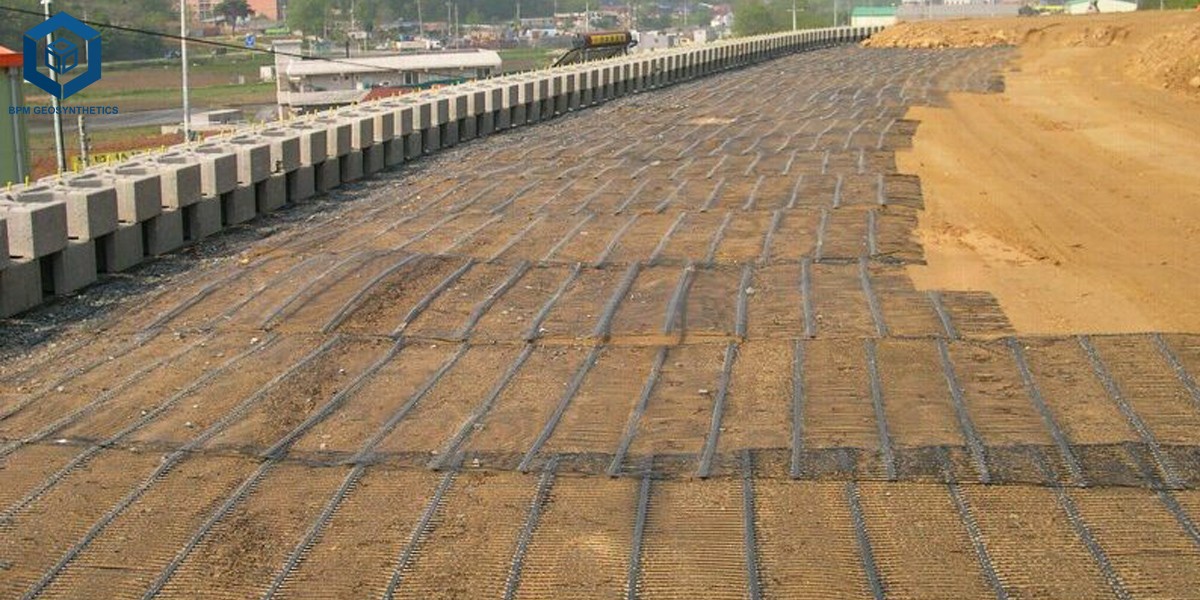
Uniaxial geogrids are engineered with high tensile strength in one direction, making them exceptionally effective for roadway base reinforcement. When placed under aggregate layers, they distribute loads more evenly, preventing rutting and deformation caused by heavy traffic. This strength enhances the structural performance of the base course, extending roadway service life.
4.2 Enhanced Soil Stabilization
By interlocking with surrounding soil and aggregates, uniaxial geo grid mesh create a stable, reinforced structure. This interlock effect minimizes lateral displacement of base materials, ensuring that the subgrade remains firm and resistant to shifting under dynamic loads. The result is a more reliable and durable roadway foundation.
4.3 Reduced Base Course Thickness
One of the greatest advantages of using uniaxial geogrids is the potential to reduce the required thickness of the aggregate base. Because the geogrid improves load distribution, engineers can design more cost-efficient pavements without compromising performance. This reduction not only saves material costs but also shortens construction time.
4.4 Improved Drainage and Longevity
Uniaxial geogrids maintain the integrity of the base course by preventing soil movement and preserving the permeability of the aggregate layer. This helps water drain properly, avoiding waterlogging and frost heave issues. Effective drainage increases the lifespan of roadways and minimizes the need for frequent maintenance.
4.5 Cost-Effective Road Construction
Although the initial investment in uniaxial geo grid for driveway may be higher than conventional methods, the long-term savings are substantial. Reduced aggregate usage, lower maintenance requirements, and extended pavement life make geogrid-reinforced roadways a cost-efficient choice for both public and private infrastructure projects.
5. Conclusion
Uniaxial geogrids have proven to be a versatile and highly effective solution in geotechnical engineering. Their unique properties, such as high tensile strength, creep resistance, and durability, make them suitable for a wide range of applications, from retaining wall reinforcement to slope stabilization and landfill engineering. Through numerous case studies, it is evident that the use of uniaxial geogrids can lead to significant cost savings, improved infrastructure performance, and enhanced environmental sustainability. As the demand for robust and sustainable construction solutions continues to grow, uniaxial geogrids are expected to play an even more prominent role in future infrastructure development projects worldwide.
As for Uniaxial Geogrid manufacturer of BPM already developing more than 20years , BPM always been committed to the productions , research and development , sales and service of geotechnical materials . with high quality products and professional sales and after sales teams .BPM has passed the ISO9001 quality management system , ISO14001 environmental management system , ISO45001 occupational health system certification , and passed Soncap , SAAO and BV certification and SGS and intertek tests , BPM 60mil HDPE Liners have reached the world leading level . can widely used in aquaculture soil erosion resistance .drainage systems , mining etc . BPM are willing to become your partners with high cost performance , innovative geomembrane and geosythetic products , excellent quality and perfect after sale service ,
Join The Best Project Material Co., Ltd.(BPM Geosynthetics), win our future .