What is Geomembrana LDPE?
Environmental preservation and sustainable resource management are among the biggest challenges today. The demand for dependable barrier systems is increasing day by day, for example, to protect drinking water reservoirs and to safely dispose of hazardous waste. Geomembranes are among the most widely used materials for these purposes. Low-Density Polyethylene (LDPE) geomembranes, in particular, are recognized for their excellent mixture of flexibility, long-lasting performance, and being affordable. Although sometimes seen as a less popular option compared to its companion High-Density Polyethylene (HDPE), Geomembrana LDPE serves a very important role in the geosynthetics industry because of its unique characteristics.
1. What is an LDPE Geomembrane?
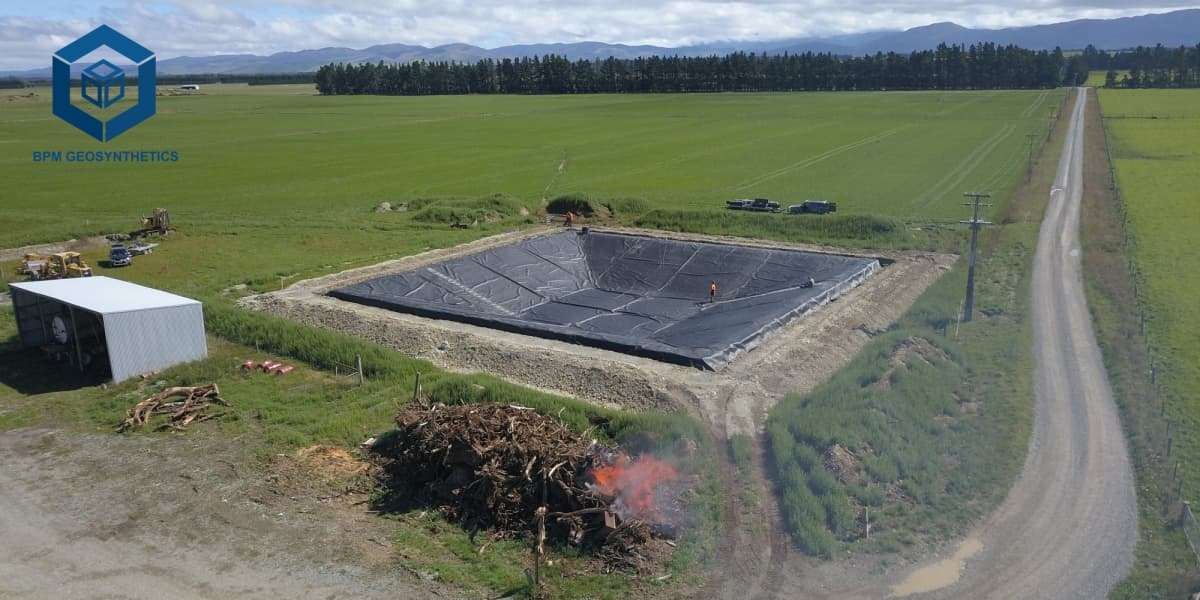
To figure out what an LDPE geomembrane is, one should first know what a geomembrane is. Basically, a geomembrane is a very impermeable barrier that is primarily used to control the movement of fluids or vapors in a man-made environment, project, or system. These synthetic membranes serve as the main liners in landfills, mining sites, water reservoirs, and in various civil engineering projects for their waterproofing qualities.
In case of LDPE geomembrane, it is a kind of geomembrane that are made out from the resin of Low-Density Polyethylene. The term “low density” is related to the specific molecular structure of the polymer. LDPE is obtained through the free-radical polymerization of ethylene under very high pressures which leads to a structure of molecular chains that are highly branched. This branching is responsible for the polymers not being able to pack tightly together in crystallization, hence the low density (generally between 0.917 and 0.930 g/cm³) and the material being more pliable as compared to the linear structure of HDPE.
Distinguishing LDPE from LLDPE (Linear Low-Density Polyethylene) is an important matter. Both materials possess flexibility characteristics; however, LLDPE comes through the copolymerization of ethylene with alpha-olefins (like butene or hexene) to form short branches that are well controlled chemically. Due to this, LLDPE has superior tensile strength and puncture resistance as compared to LDPE. Nevertheless, in the aspects of flexibility and elongation, LDPE is far better, that’s why it’s still the material for applications where the ability to conform to different shapes is the most important factor.
2. Geomembrana LDPE Characteristics & Benefits
The use of LDPE geomembranes is primarily based on their physical and chemical properties. These aspects set them apart from other polymer liners such as HDPE, PVC, or Polypropylene.
2.1 Enhanced Levels of Flexibility and Elongation
LDPE’s exceptional pliability is one of its biggest pros, especially when compared to other types of polyethylenes.
LDPE geomembranes sometimes display elongation at break percentages as high as 400% to 600% or more. Therefore, the liner can easily deform and adapt to irregular or subsidence subgrades without rupture. An HDPE liner might develop a crack if the base of a landfill or pond settles unevenly (although, it has been proved that modern HDPE can resist such conditions), whereas an LDPE liner will probably stretch along with the movement.
2.2 High Chemical and UV Resistance
HDPE is usually pointed out when chemical resistance is discussed. However, LDPE is still very effective and offers a high level of protection against many different chemicals. It is capable of withstanding acids, alkalis, and salt solutions, which is definitely an advantage for the treatment of industrial and mining effluents. On top of that, LDPE membranes are typically produced with 2% to 3% carbon black and are accompanied by UV stabilizers. The package of additives that comes with this material gives it great resistance to UV-related degradation so it is capable of withstanding long durations of sunlight exposure (e.g. floating covers or reservoir liners) without a considerable deterioration of its physical properties.
2.3 Low Temperature Performance
Low-density polyethylene preserves its ability to bend even at very low temperatures. In fact, the point at which it becomes brittle is usually below -70 °C, so that piece of polyethylene sheet can be laid and it will work fine in those cold places where other types of plastics might harden and break.
2.4 Ease of Installation and Seaming
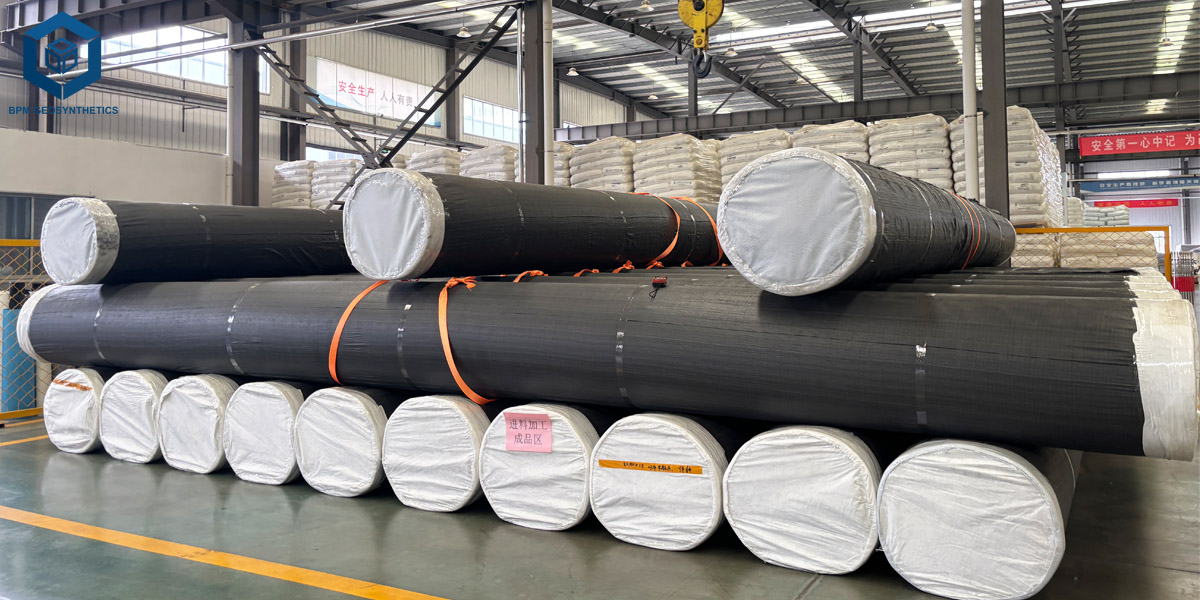
In terms of texture, LDPE geomembranes are softer, and significantly lighter than HDPE. Once they arrive at the construction site, they come in large rolls that get unrolled either by hand or with a machine. The substance is perfect for being joined by heat fusion, this being the exact method used for HDPE, which results in the joints being as strong as the rest of the material and if everything is done correctly, they provide a "100 percent leak" proof barrier. Since LDPE has a lower melting point and is more elastic, sometimes the welding operation turns out to be less challenging for the workers.
3. Geomembrana LDPE Primary Applications
Thanks to its features, LDPE geomembranes are ordered for different works, most notably where there is a lot of movement or the shape is complicated.
3.1 Waste Management (Landfills and Covers)
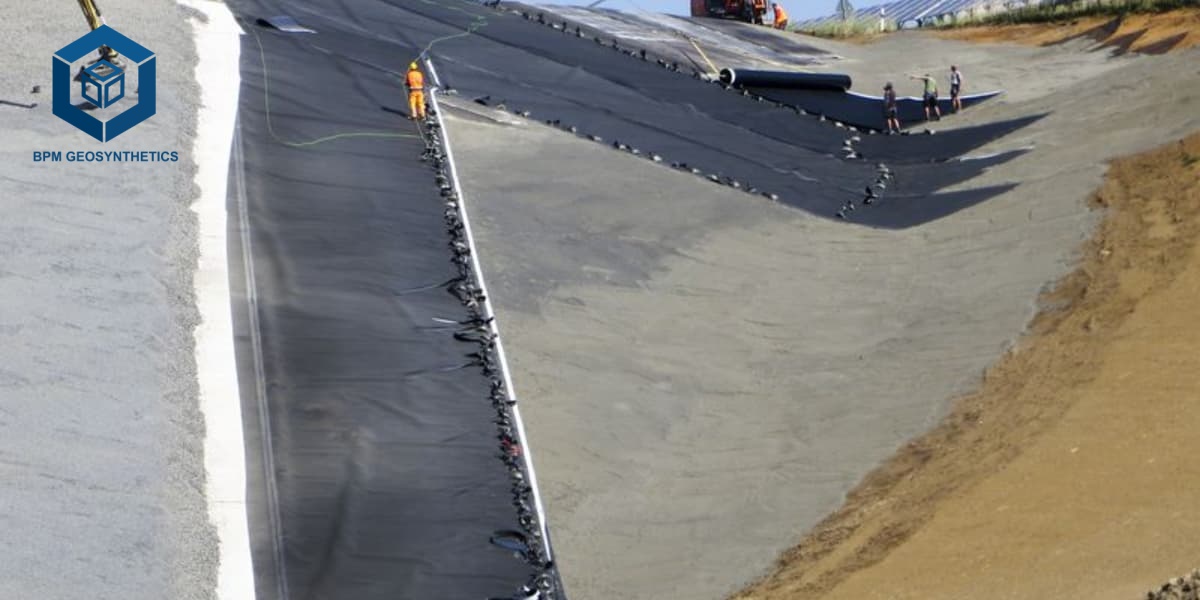
The use of LDPE as lining material for sanitary landfills is common. What is more, landfill caps (covers) are seen as LDPE's point of strength, especially if the waste degrades and large-scale settling happens over a very long period of time. As the trash underneath decomposes and settles, the flexible LDPE cap can sink and stretch without rupturing, keeping the seal against rainwater infiltration.
3.2 Water Containment
LDPE is one of the preferred materials for making the lining of potable water reservoirs, canals, and ornamental ponds. Natural or artificial hollows of the ground can be precisely traced by its flexibility. It is also implemented in secondary containment systems for underground storage tanks so as to prevent groundwater contamination through leakage of fuels.
3.3 Aquaculture and Agriculture
LDPE liners in aquaculture are a practical solution for isolating the water medium from the soil and in so doing, help minimize the risk of fish diseases released from the ground. On the other hand, in farming they are found lining canals, watering reservoirs and silage pits, among others.
3.4 Mining
Although HDPE has the lion's share in mining for very strong leach pads, LDPE is being turned to for use in solution channels, evaporation ponds, and liners for heap leach pads where the chemical composition is less aggressive and flexibility is a key requirement.
3.5 Civil Engineering and Urban Infrastructure
There is a range of applications of LDPE geomembranes in civil and urban engineering. They are utilized in tunnel liners to prevent water inflow, in the foundations of buildings to act as a gas barrier (protecting against radon or methane), and in vertical barrier walls to control groundwater flow.
4. Geomembrana LDPE Global Usage and Market Presence
The global geomembrane market has been on a steady growth path, motivated by tighter environmental regulations and higher infrastructure investments. At the beginning of 2025, the entire geomembrane liner market was worth roughly $2.23 billion and the forecast puts it at around $3.59 billion by 2034 with the annual compound growth rate being approximately 5.46%. Here, LDPE is marking its territory with a defined, if niche, portion of the overall market.
4.1 Market Share and Volume
HDPE remains the undisputed market leader with a share of roughly 50-60% due to its superior strength and chemical resistance. LDPE and LLDPE combined make up the bulk of the balance. Clearly, LDPE accounts for approximately 15% of the global market share, whereas LLDPE is about 25%.
4.2 Regional Dynamics:
4.2.1 Asia-Pacific
It comes as no surprise that this region offers the highest growth rate of the markets for LDPE geomembrane sheet. On the one hand, rapidly growing industrial centers, especially in China and India, are one of the major factors contributing to demand in the area alongside huge infrastructure (industrial) developments and environmental remediation (e.g. river cleaning and new landfills) needs. Besides, there are lots of Chinese manufacturers that are best known for producing affordable LDPE liners.
4.2.2 North America
Here we are dealing not only with a mature market but also one with very high environmental standards. LDPE is most commonly used for waste management in landfills and secondary containment in the US and Canada. In fact, the largest demand is driven by well-documented, high-quality, LDPEs made only from virgin resins and meeting GRI-GM standards.
4.2.3 Europe
Very similarly to North America, Europe also has tough environmental laws. The market there is largely influenced by the need to comply with landfill directives and water framework directives and the necessity to remediate old industrial sites ("brownfields").
4.2.4 Middle East and Africa
In desert areas, LDPE is extremely important for water conservation. It is present almost everywhere in lining of irrigation canals and production of water storage reservoirs to avoid the water leaking into the sandy ground.
4.3 Key Manufacturers
There are a lot of producers in the industry but the figure is continuously changing. Along with global leaders mainly in the polyethylene geomembrane production space are Canadian Solmax, GSE Environmental (the company being a part of Solmax now), Raven Industries from the US, Atarfil of Spain and Officine Maccaferri in Italy. Similarly, large amounts of LDPE material are supplied to the world market by a number of manufacturers in China including Shandong Tianhe Plastic and Anhui Huifeng.
Conclusion
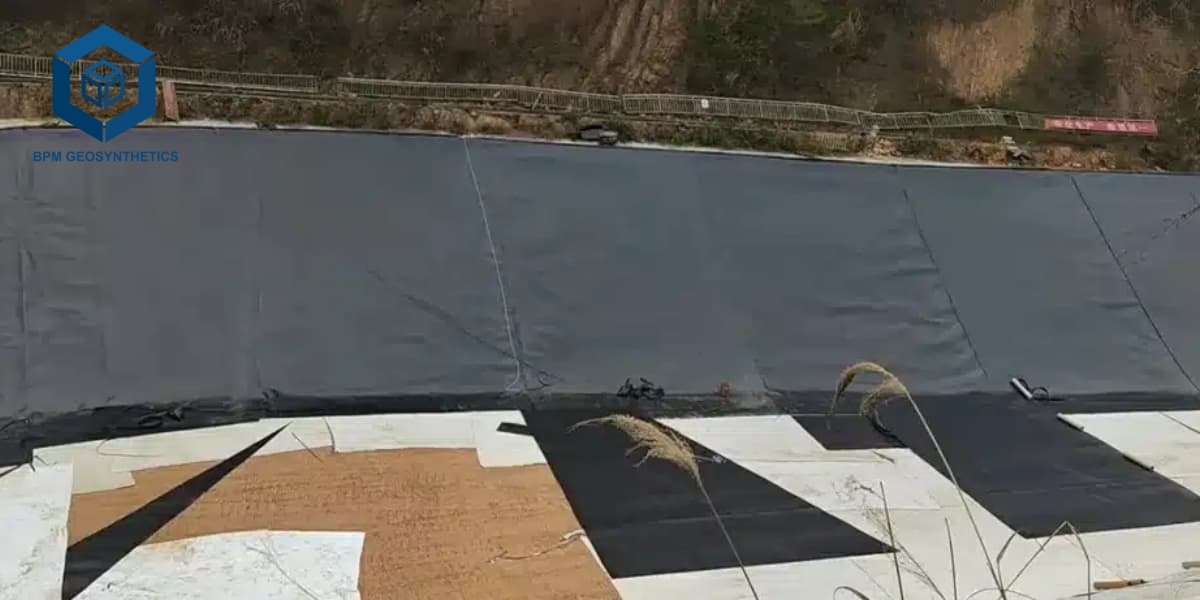
The Best Project Material Co., Ltd.(BPM Geosynthetics)Geomembrana LDPE is an integral part of the geosynthetic sector. Admittedly, they fall short in tensile strength when compared to HDPE and exert even lesser puncture resistance as compared with LLDPE; yet they stand out in terms of flexibility. What makes them so special is their ability to stretch, adopt new shapes, and still stay intact after ground settling or when placed on uneven surfaces.
From a landfill cover in North America to a Middle Eastern irrigation reservoir, LDPE has provided a cheap, chemically hardy, and dependable barrier. Certainly, the entire world cannot do without water and is being exposed to different levels of pollution; therefore, the need for appropriate containment solutions is something that cannot be ignored. The production of LDPE progressively increasing according to different geographical areas, the positive feedback of the users, and the LDPE physical advantages justify the statement that LDPE will be still among the main tools of environmental engineers and contractors all over the world. Being the very essence of containment and defence - it is not necessarily the first choice - but it is a right choice most of the time.