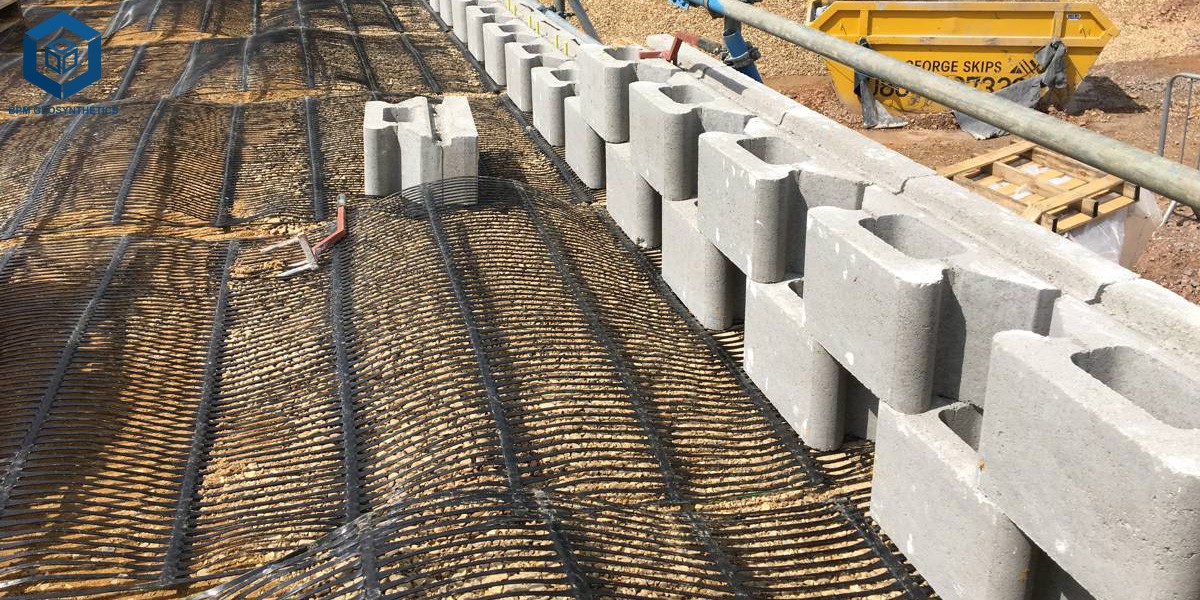
What is Geogrid Price?
Geogrid, essential geosynthetic materials, are pivotal in civil engineering for soil stabilization, reinforcement, and erosion control, supporting projects like roads, retaining walls, and landfills. With the global geogrid market valued at $1.35 billion in 2024 and projected to reach $1.97 billion by 2032 at a 4.7% CAGR, demand is driven by infrastructure investments and sustainability mandates (Statista, 2024). Geogrid Price Per Square Yard range from $0.45 to $6.30 per square yard ($0.50–$7.00/m²), influenced by material, type, specifications, and project scale (bpmgeosynthetics.com, 2025). This guide provides a comprehensive breakdown of geogrid pricing, technical specifications, applications, and cost-saving strategies. Drawing from sources like bpmgeosynthetics.com, geosyntheticsmagazine.com, and Alibaba, it offers actionable insights to help contractors, engineers, and project managers save 15–30% on costs while ensuring 95% structural reliability in 2025.
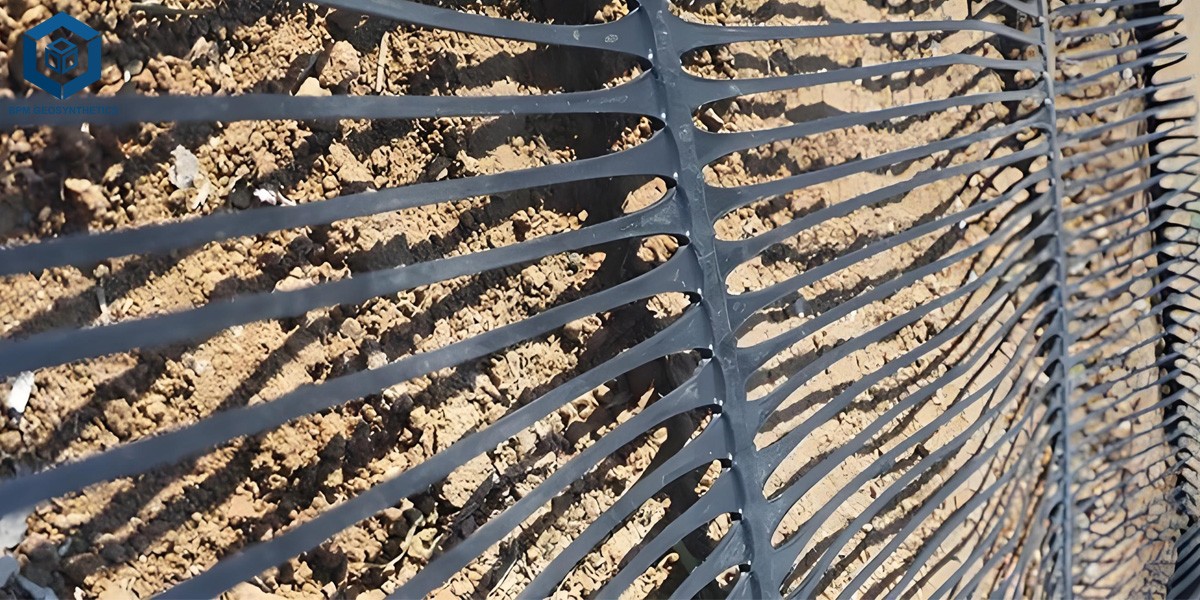
1. What is Geogrid?
1.1 Geogrid Definition and Purpose
Geogrids are polymeric structures with a grid-like configuration, typically made from high-density polyethylene (HDPE), polypropylene (PP), polyester (PET), or carbon fiber. Their open apertures (10–100 mm) interlock with soil or aggregate, enhancing tensile strength (20–400 kN/m, ASTM D6637) and load-bearing capacity by 30–50%. Geogrids reduce construction costs by 15–25% compared to traditional methods like concrete or aggregate, offering lifespans of 20–120 years (bpmgeosynthetics.com, 2025). Geo grid ground grid is used in road construction, retaining walls, slope stabilization, and landfills, improving structural integrity and reducing maintenance needs.
1.2 Geogrid Key Specifications
- Types: Uniaxial Geogrid (single-direction strength), biaxial Geogrid (dual-direction strength), triaxial Geogrid (multi-directional strength), composite Geogrid (with drainage elements).
- Materials: HDPE (50% market share), PP (40%), PET (10%), carbon fiber (niche, high-strength).
- Tensile Strength: 20–400 kN/m (ASTM D6637), critical for load distribution.
- Aperture Size: 10–100 mm, affecting soil interlocking efficiency.
- Roll Dimensions: 1–6 m wide, 50–200 m long, impacting bulk pricing.
- UV Resistance: 90% retention after 500 hours (ASTM D4355).
- Certifications: ISO 9001, ASTM D6637, GRI-GG standards.
- Durability: 50–100 years for synthetics; 20–50 years for coated geogrids.
- Manufacturing: Extrusion, weaving, knitting, or welding, tailored to application needs.
1.3 Geogrid Applications
- Road Construction: Reduces pavement thickness by 20–30%, saving $50,000/km.
- Retaining Walls: Enhances soil stability by 40%, preventing wall failure.
- Slope Stabilization: Reduces erosion by 50–80% on steep slopes.
- Landfills: Reinforces liners, extending lifespan by 10–20 years.
- Railways: Improves track stability, reducing maintenance by 30%.
2. Introduction to BPM Geogrid
Geogrids are the geosynthetic products commonly made with polymer materials. Due to the abilities of strength in tension and heavy load distribution across large area, BPM geo grid mesh is widely used to reinforce soils and other materials in construction applications such retaining walls, foundation soil and pavement construction, etc. Typical geogrid near me products include biaxial geogrid, uniaxial geogrid and fiberglass geogrid. Geogrid mesh have the features of strong tension, higher bearing load capacity, easy construction, land optimization, soil erosion protection, lower maintenance cost, etc.
2.1 Warp Knitting Polyester Geogrid
2.1.1 Description
Polyester geogrid is fabricated by the complex knitting process using high tenacity, high oriented polyester filament to provide superior engineering and long term design strength properties. BPM warp knitting polyester geogrid is specifically designed for improved tensile reinforcement capacity in two principle directions. Our warp knitting polyester geogrid is engineered to be mechanically and chemically stable and biologically unaffected by soil micro-organisms. Geogrid slope stabilization is used for both harsh construction installation phase and in soil reinforcement application where strength develops uni-axially which can provide further chemical, mechanical and ultraviolet protection.
2.1.2 Warp Knitting Polyester Geogrid Specifications
Item | PET20-20 | PET30-30 | PET340-40 | PET50-50 | PET80-80 | PET100-100 | PET120-120 | |
Elongation(%) | 13% | |||||||
Intensity (kN/m) | Longitudinal | 20 | 30 | 40 | 50 | 80 | 100 | 120 |
Transverse | 20 | 30 | 40 | 50 | 80 | 100 | 120 | |
Grid (mm) | 12.7*12.7 25.4*25.4 | |||||||
Breadth (m) | 1-6 | |||||||
2.1.3 Warp Knitting Polyester Geogrid Features
Warp knitting polyester geogrids offer excellent mechanical properties and long-term stability, with high tensile strength, strong tearing resistance, and balanced vertical and horizontal strength. They are highly wear- and corrosion-resistant and adapt well to various soil surfaces, including tilted or curved terrains. These geogrid material exhibit strong resistance to dynamic impact loads, vibration activity, and differential settlement, providing exceptional soil reinforcement capabilities. Additionally, retaining wall geo grid is easy to handle and install, making them a reliable choice for long-lasting structural support.
2.1.4 Warp Knitting Polyester Geogrid Application
Warp knitting polyester geogrids are widely used in civil engineering and construction projects. They are ideal for reinforcing road and railway subgrades, retaining walls, and stabilizing harbors, lakes, and dams. Geogrid erosion control is also suitable for tunnels, mining operations, erosion prevention, parking lot reinforcement, and the construction of anti-snow barriers, providing versatile and effective soil stabilization across diverse environments.
2.2 Fiberglass Geogrid
2.2.1 Description
Fiberglass geogrid is made of excellent reinforcement type non-alkali glass fiber yarn which is weaved into base material by using foreign advanced warp knitting directional structure. So the fiberglass geogrid can make full use of yarn textile strength to improve its chemical performance, high tension resistance, tearing resistance and creep resistance. BPM fibreglass geogrids system is widely used to reinforce road surface, prevent highway harm such as crack and rut from occurring, solve the problem that asphalt road surface is difficult to reinforce. Our glass fiber geogrid is ideal for newer road construction or pavement rehabilitation.
2.2.2 Fiberglass Geogrid Specifications
Item | GSB30-30 | GSB40-40 | GSB50-50 | GSB80-80 | GSB100-100 | GSB125-125 | GSB150-150 | |
Size of mesh (mm) | 12.7*12.7~25.4*25.4 | |||||||
Tensile Strength (kN/m) | Longitudinal | ≥30 | ≥40 | ≥50 | ≥80 | ≥100 | ≥125 | ≥150 |
Transverse | ≥30 | ≥40 | ≥50 | ≥80 | ≥100 | ≥125 | ≥150 | |
Elongation Rate (%) | ≤4 | |||||||
Temperature Resistance (℃) | 100~280 | |||||||
2.2.3 Fiberglass Geogrid Features
Fiberglass geogrids serve as an excellent reinforcement material in road construction, effectively extending the service life of roads and preventing deflection cracks. The polymer-coated geogrid with a tack-film provides high tensile strength in both warp and weft directions, low elongation, a wide temperature tolerance, and strong resistance to aging and alkali. Compared to traditional materials, fiberglass geogrids can reduce construction costs and are suitable for all types of asphalt mixes. Geogrid soil stabilization minimize both thermal and stress-related reflective cracking, reduce pavement rutting under high temperatures and heavy traffic loads, increase fatigue life for pavements with weak foundations, extend overall pavement life, and are easy to install.
2.2.4 Fiberglass Geogrid Application
Fiberglass geogrids are widely applied in road reinforcement and crack prevention for airport runways, taxiways, roads, bridges, parking lots, and jointed concrete highways, effectively controlling reflective cracking. They are also used in new highway construction and maintenance or repair projects to enhance pavement durability. Additionally, they are suitable for expanding thoroughfares, road lanes, and reinforcing asphalt in areas with intensive braking or acceleration, such as key junctions and bus stops, providing long-term pavement performance improvements.
2.3 Steel Plastic Geogrid Reinforcement
2.3.1 Description
Geogrid reinforcement with steel and plastic is characterized by high corrosion resistance and excellent wear resistance. BPM steel plastic geogrid reinforcement is made of high strength steel coated with virgin polyethylene or high density polyethylene by special ultrasonic welding technology.
2.3.2 Steel Plastic Geogrid Reinforcement Specifications
Item | GSZ30-30 | GSZ40-40 | GSZ50-50 | GSZ60-60 | GSZ80-80 | GSZ100-100 | GSZ150-150 | |
Tensile Strength (kN/m) | Longitudinal | ≥30 | ≥40 | ≥50 | ≥60 | ≥80 | ≥100 | ≥150 |
Transverse | ≥30 | ≥40 | ≥50 | ≥60 | ≥80 | ≥100 | ≥150 | |
Elongation Rate (%) | Longitudinal | ≤2 | ||||||
Transverse | ≤2 | |||||||
Strength at 1% elongation (KN/m) | Longitudinal | ≥20 | ≥32 | ≥40 | ≥48 | ≥63 | ≥81 | ≥125 |
Transverse | ≥20 | ≥32 | ≥40 | ≥48 | ≥63 | ≥81 | ≥125 | |
Limit peel force at welded bonded point N | ≥100 | ≥100 | ≥100 | ≥100 | ≥100 | ≥100 | ||
2.3.3 Steel Plastic Geogrid Reinforcement Features
Steel plastic geogrid reinforcement combines high strength with minimal deformation, providing excellent dimensional stability and strong bearing capacity under heavy loads. It performs well under seismic wave action and offers a high friction coefficient for effective interaction with surrounding soil. With a low elongation rate at break and a long service life, steel plastic geogrids deliver reliable and durable reinforcement performance. In addition, their simple structure allows for easy and efficient installation on site.
2.3.4 Steel Plastic Geogrid Reinforcement Applications
Steel plastic geogrid reinforcement is widely used for soil stabilization in roads, airports, and embankments, as well as railway ballast reinforcement over soft foundations. Geo grid near me is suitable for base reinforcement, slope protection, and foundation support, particularly in projects requiring high load-bearing capacity. These plastic geogrid is also ideal for heavy-duty pavements, ensuring long-term stability and improved structural performance.
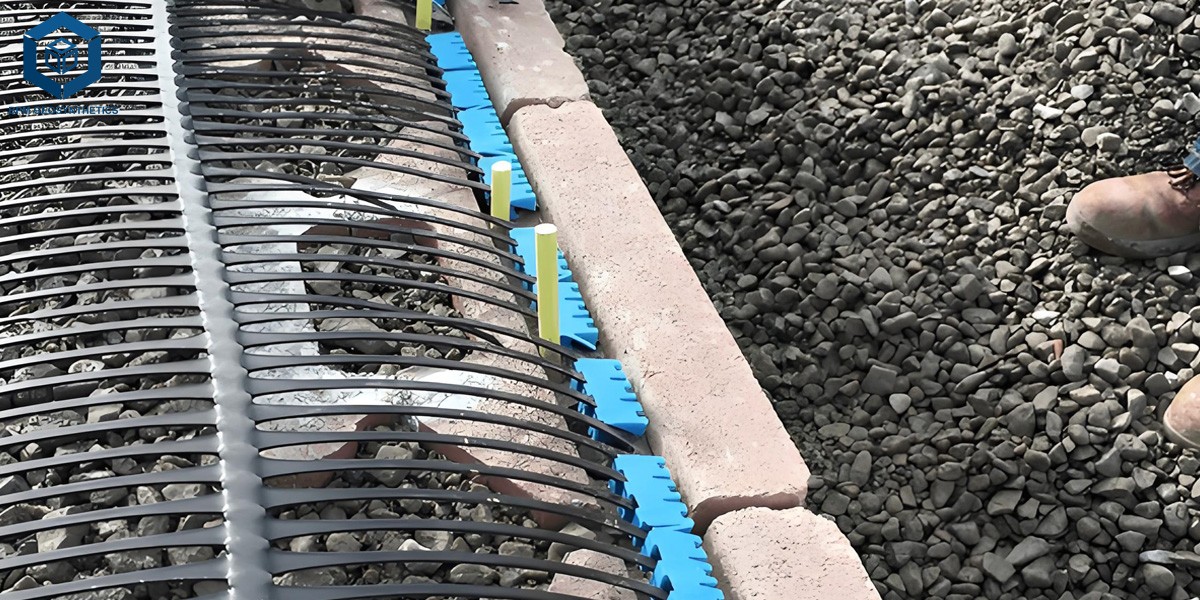
2.4 Plastic Geogrid
2.4.1 Description
Plastic geogrid includes biaxial geogrid and hdpe uniaxial geogrid according to its structure. BPM biaxial polyethylene geogrid is made of polyethylene or high density polyethylene as the main raw material through the processes of hot-melt extrusion, vertical and horizontal stretching to form a high strength reinforced square mesh structure. So the plastic geogrid mesh on the longitudinal and transverse has great mechancal strength which can provide a more effectively undertake and spread of the tensile strength thought system inside the soil.
2.4.2 Plastic Geogrid Specifications
Item | TGSG15-15 | TGSG15-15 | TGSG15-15 | TGSG15-15 | TGSG15-15 | TGSG15-15 | |
Tensile Strength (kN/m) | Longitudinal | ≥15 | ≥20 | ≥25 | ≥30 | ≥35 | ≥40 |
Transverse | ≥15 | ≥20 | ≥25 | ≥30 | ≥35 | ≥40 | |
Elongation Rate (%) | Longitudinal | ≤13 | ≤13 | ≤13 | ≤13 | ≤13 | ≤13 |
Transverse | ≤16 | ≤16 | ≤16 | ≤16 | ≤16 | ≤16 | |
Strength at 2% elongation (KN/m) | Longitudinal | ≥5 | ≥8 | ≥8 | ≥11 | ≥12 | ≥13 |
Transverse | ≥7 | ≥10 | ≥11 | ≥13 | ≥14 | ≥15 | |
Strength at 5% elongation (≥KN/m) | Longitudinal | ≤8 | ≤10 | ≤11 | ≤15 | ≤15 | ≤16 |
Transverse | ≤10 | ≤13 | ≤13 | ≤15 | ≤18 | ≤20 | |
2.4.3 Plastic Geogrid Features
Plastic geogrids provide excellent soil stabilization and sub-base reinforcement, offering high strength and reliable heavy-duty foundation support. They are resistant to corrosion and erosion, with good aperture stability and high junction efficiency that ensure effective load distribution and soil interlock. With a long service life and easy installation, plastic geogrids deliver durable and cost-effective reinforcement solutions for a wide range of civil engineering applications.
2.4.4 Plastic Geogrid Application
Plastic geogrids are widely used in base reinforcement and soil stabilization projects due to their high tensile strength, excellent mechanical performance, and stable aperture structure. They perform well under varying temperatures, offering strong cold resistance, thermal stability, high wear resistance, low creep, and effective anticorrosion properties. Plastic geogrids are ideal for preventing pavement cracking and rutting, providing heavy foundation protection, and ensuring long-term performance with easy and efficient installation.
3. Factors Influencing Geogrid Price
3.1 Type of Geogrid
- Uniaxial Geogrids: $0.45–$2.25/sq yd ($0.50–$2.50/m²)
- High tensile strength (50–200 kN/m) in one direction, for retaining walls and slopes.
- Applications: Embankments, steep slopes.
- Biaxial Geogrids: $0.72–$3.15/sq yd ($0.80–$3.50/m²)
- Balanced strength (20–100 kN/m) in two directions, for road bases and pavements.
- Applications: Highways, parking lots.
- Triaxial Geogrids: $1.35–$4.50/sq yd ($1.50–$5.00/m²)
- Multi-directional strength for complex projects like foundations.
- Applications: Soft soil reinforcement, heavy-duty roads.
- Composite Geogrids: $1.80–$6.30/sq yd ($2.00–$7.00/m²)
- Combines reinforcement and drainage, for landfills and embankments.
3.2 Material Composition
- HDPE: $0.45–$2.70/sq yd, durable, UV-resistant, for landfills and harsh environments.
- Polypropylene (PP): $0.72–$3.15/sq yd, lightweight, cost-effective for roads.
- Polyester (PET):Polyester Geogrid: $0.90–$3.60/sq yd, high tensile strength for embankments.
- Carbon Fiber: $2.25–$6.30/sq yd, premium for railways and heavy-duty applications.
- Recycled Materials: $0.40–$2.00/sq yd, reducing costs by 15–25% and emissions by 15%.
3.3 Manufacturing Process
- Extrusion: $0.45–$2.70/sq yd, cost-effective for HDPE and PP geogrids.
- Weaving/Knitting: $0.90–$4.05/sq yd, for high-strength PET geogrids.
- Welding/Bonding: $1.35–$4.50/sq yd, for triaxial and composite geogrids, adding 10–15% to costs.
3.4 Project Specifications
- Tensile Strength: Higher strengths (100–400 kN/m) increase costs by 20–40%.
- Aperture Size: Smaller apertures (10–25 mm) for fine soils cost 5–10% more than larger ones (50–100 mm).
- Coatings: UV or chemical resistance adds $0.05–$0.27/sq yd.
3.5 Order Volume
- Small Orders (<5,000 sq yd): $1.35–$4.50/sq yd.
- Bulk Orders (>20,000 sq yd): $0.72–$3.15/sq yd, with 10–25% discounts.
3.6 Installation Requirements
- Site Preparation: $0.09–$0.45/sq yd for grading and clearing.
- Labor: $0.45–$1.80/sq yd, higher in North America ($1.35–$1.80) than Asia ($0.45–$0.90).
- Equipment: $0.18–$0.72/sq yd for tensioners and rollers.
3.7 Regional and Supplier Variations
- North America: $0.90–$3.60/sq yd, due to high labor and shipping costs.
- Asia-Pacific: $0.45–$2.70/sq yd, benefiting from lower production costs in China and India.
- Europe: $1.35–$4.50/sq yd, driven by stringent quality standards.
3.8 Certifications and Quality Standards
- Certified geogrids (ASTM D6637, ISO 9001) cost 10–15% more but ensure 98% defect-free products, avoiding $100,000–$500,000 in delays (bpmgeosynthetics.com, 2025).
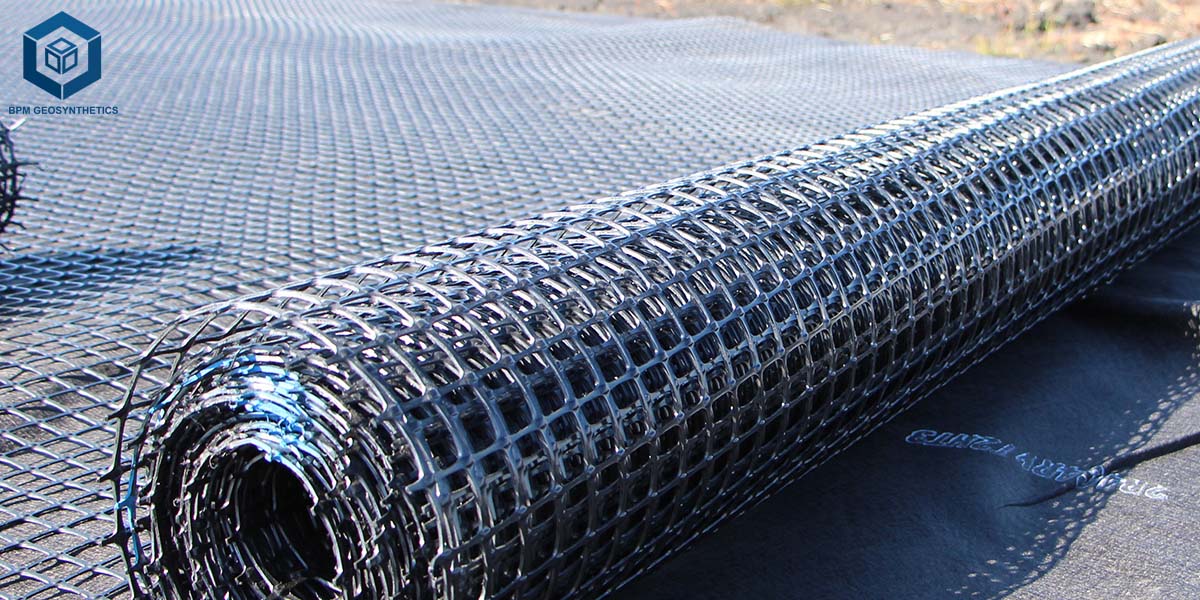
4. Why is the Geogrid Price More Competitive?
BPM Geosynthetics’s Geogrid offer industry-leading pricing without compromising quality. Here’s why our costs are more competitive than many global suppliers:
4.1 Direct Factory Production (No Middlemen)
- Vertically integrated manufacturing: We are in charge of the entire production process of geogrids —eliminating third-party markups.
- Bulk material sourcing: Strategic partnerships with polymer suppliers secure lower resin prices, reducing base costs by 10–20%.
4.2 High-Efficiency Manufacturing
- Advanced extrusion lines: Automated production minimizes waste and labor costs, ensuring consistent thickness (e.g., ±3% tolerance).
- Economies of scale: Large-volume output (e.g., 1M+ m²/month) spreads fixed costs across more units.
4.3 Optimized Logistics
Strategic Location Advantage of BPM geogrids: Lower Costs, Faster Delivery
Container-BPM’s manufacturing base is strategically located near Qingdao Port, one of the world’s busiest and most efficient deep-water ports. This proximity delivers two critical competitive advantages for global buyers of geogrid:
- Dramatically Reduced Shipping Costs
Direct Port Access: Our factory is relatively close to Qingdao Port cuts inland transport fees by 30–50% compared to suppliers reliant on distant rail/trucking.
Buk Container Savings: Sea freight rates from Qingdao to key markets (e.g., EU/US/Middle East) are 15–25% lower than smaller Chinese ports due to high shipping volume and route density.
- Faster Global Delivery
Weekly vessel departures: Qingdao’s 100+ international routes ensure shorter transit times (e.g., 18 days to EU vs. 25+ days from secondary ports).
One-stop customs clearance: Pre-shipment inspections at Qingdao Port reduce clearance delays by 3–5 days.
4.4 Lean Overhead & Certification Savings
- In-house testing labs: Reduce outsourcing fees for ASTM/ GRI/ CE certifications.
- Streamlined supply chain: Minimal administrative overhead translates to 5–15% savings vs. competitors.
Conclusion
Geogrid Price, ranging from $0.45 to $6.30 per square yard, depend on type, material, manufacturing, and project scale. With the geogrid market growing due to infrastructure and sustainability trends, strategic choices like bulk ordering, local sourcing, and selecting certified suppliers like BPM Geosynthetics or Taian BOWINS can save 15–30% on costs. By defining project needs, choosing the right geogrid type, and optimizing installation, businesses can achieve 95% reliability while reducing budgets by $10,000–$100,000. Contact The Best Project Material Co., Ltd.(BPM Geosynthetics)for tailored quotes and ASTM-compliant geogrids, ensuring durable, cost-effective infrastructure.