The 7 Best HDPE Geo Membrane Review
Introduction
In the realm of geotechnical engineering and environmental containment, High-Density Polyethylene (HDPE) geomembranes have emerged as indispensable materials for a wide range of applications. From water reservoirs and waste containment facilities to canal linings and tunnel waterproofing, these synthetic membranes serve as critical barriers that protect our environment and enable essential infrastructure projects . This comprehensive review examines the seven best applications and considerations for hdpe geomembrane, drawing upon recent research, industry expertise, and real-world case studies to provide engineers, project managers, and decision-makers with the information needed to select and implement these materials effectively.
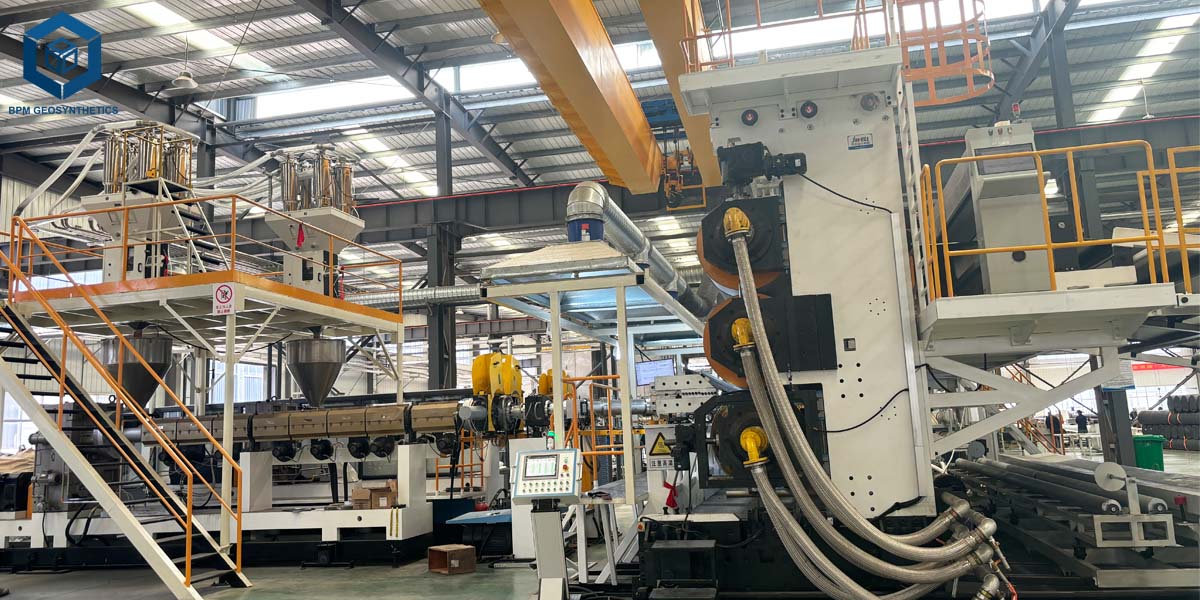
HDPE Geo Membrane is manufactured from premium polyethylene resin, typically comprising approximately 97.5% high-density polyethylene, with the remaining 2.5% consisting of carbon black, anti-aging agents, antioxidants, ultraviolet absorbers, and stabilizers . This carefully engineered composition yields a material with exceptional durability, chemical resistance, and mechanical properties that make it suitable for demanding applications across multiple industries.
1. The 7 Best HDPE Geo Membrane Review
1.1 Water Reservoir and Pond Liners: The Foundation of Liquid Containment
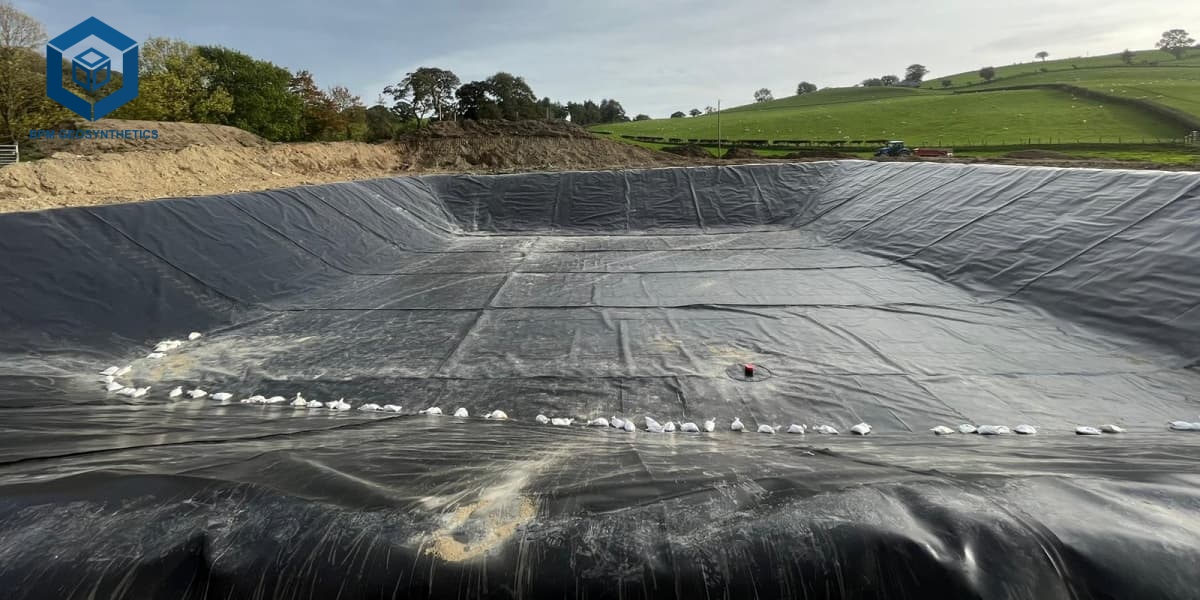
One of the most common and successful applications of hdpe geomembrane liner is in water reservoirs and pond liners. These installations demonstrate the material's exceptional impermeability and long-term performance characteristics. A notable example comes from Austria, where a highway attenuation pond along the A1 motorway required reliable containment to prevent runoff and pollutants from seeping into the surrounding environment. The project utilized HDPE geomembrane as the primary liner, protected by non-woven geotextile and covered with CCX-M® material, demonstrating the versatility and reliability of HDPE in critical infrastructure applications .
The engineering community has long debated the relative merits of HDPE versus alternatives such as PVC for reservoir applications. In raw water reservoirs with concrete lining on both sides and water depths reaching 7 meters, HDPE offers distinct advantages. As noted by geosynthetics expert Ankur Agarwal, high density polyethylene geomembrane is tough and non-flexible, exhibiting a sharp peak in their stress-strain curve. While this means they tend to undergo relatively abrupt failure once yield stress is reached, their exceptional strength and durability make them ideal for applications where structural integrity is paramount .
For projects requiring long-term water storage, hdpe geomembrane sheets provide service life expectations of 50 to 70 years under proper installation conditions . This longevity, combined with their high impervious coefficient, makes them the preferred choice for municipal water supplies, agricultural reservoirs, and industrial process water containment.
1.2 Landfill Containment Systems: Environmental Protection at Scale
Perhaps no application demonstrates the critical importance of polyethylene geomembrane more vividly than landfill containment systems. Modern sanitary landfills rely on composite liner systems, with HDPE Geo Membrane serving as the primary barrier against leachate migration and groundwater contamination. The material's exceptional chemical resistance makes it particularly suited for this demanding environment.
Research highlighted in the Directory of Open Access Journals confirms that appropriate HDPE geomembrane liners can be expected to perform exceptionally well for extremely long periods, effectively limiting leakage and contaminant migration from waste facilities into the surrounding environment, provided the geomembrane in hdpe is well-constructed on a suitable subgrade . This finding underscores the importance of both material quality and installation expertise.
The chemical stability of bpm geomembrane extends to resistance against acids, alkalis, salt solutions, oils, alcohols, and approximately 80 other chemical media, making them indispensable for hazardous waste containment . This broad-spectrum chemical resistance ensures that even aggressive leachate compositions cannot compromise the integrity of the containment barrier over decades of service.
1.3 Canal Lining Systems: Efficiency in Water Transportation
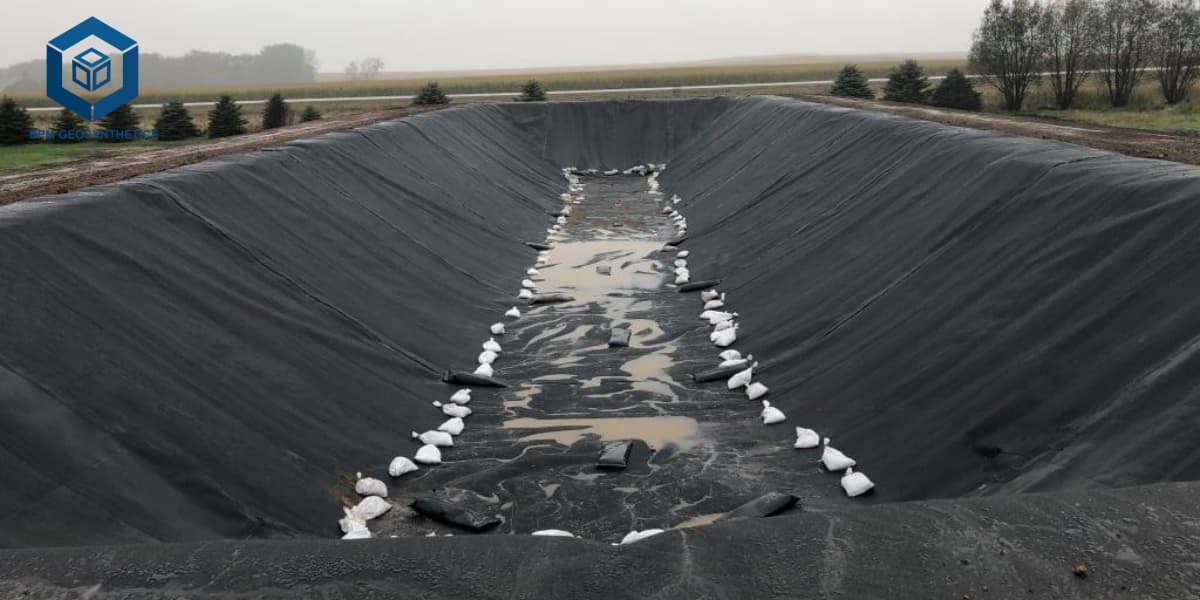
Water scarcity concerns worldwide have driven increased attention to efficient water transportation systems. HDPE Geo Membrane offer an effective alternative to traditional concrete canal linings, particularly in remote areas with logistical challenges. A comprehensive study conducted for a photovoltaic power plant in the Antofagasta Region of Chile evaluated geomembrane sheets as lining systems for diversion channels, concluding that they represent an efficient solution guaranteeing safe and long-lasting water retention .
1.3.1 The study identified several key advantages of HDPE Geo Membrane for canal applications:
Flexibility and adaptability to terrain irregularities allows these liners to conform to site conditions without the need for extensive earthworks. This characteristic proves especially valuable in rugged or remote locations where conventional construction methods would be prohibitively expensive.
Simple transportation and installation significantly reduces project logistics costs. Unlike concrete, which requires aggregate delivery, mixing equipment, and curing time, HDPE smooth geomembrane can be transported in rolls and deployed rapidly by small crews .
Long-term durability and resistance to both low and high temperatures ensure reliable performance across diverse climatic conditions. The operating temperature range for HDPE Geo Membrane extends from -70°C to 70°C, accommodating extreme environments from arctic regions to desert installations.
1.4 Mining and Tailings Storage Facilities: Managing Industrial Byproducts
The mining industry presents some of the most challenging containment applications due to the aggressive nature of tailings and process solutions. HDPE Geo Membrane have become the standard solution for tailings storage facilities, where they must withstand not only chemical attack but also significant mechanical stresses.
Research into the application of geosynthetics in tailings storage facilities addresses critical issues including piping through circular geomembrane holes, opening width of non-circular defective seams, subgrade imperfection effects, and long-term performance considerations . These investigations confirm that smooth geomembrane, when properly specified and installed, provide reliable containment for mining operations throughout their service life and beyond into closure and reclamation phases.
The puncture resistance of HDPE Geo Membrane proves particularly valuable in mining applications, where coarse materials and irregular subgrades might otherwise compromise liner integrity. With excellent resistance to puncture and the ability to withstand most plant root penetration, these materials maintain their barrier function even under challenging conditions.
1.5 Tunnel Waterproofing and Below-Grade Structures
Underground construction presents unique waterproofing challenges that pe geomembrane is exceptionally well-suited to address. As documented in Werner W. Muller's comprehensive handbook on HDPE Geo Membrane in geotechnics, these materials find extensive application in tunnel waterproofing and various other civil engineering constructions .
The mechanical properties that make HDPE valuable for tunnel applications include high puncture resistance, tear strength, and good elongation for bridging post-formed cracks in the structure. GCP Applied Technologies notes that HDPE provides excellent mechanical properties required for below-grade applications, including resistance to attack and degradation from most chemicals commonly encountered in soil environments .
Below-grade waterproofing membranes may be exposed to various soil contaminants including alkaline and acidic environments, petroleum-based hydrocarbons, and chlorinated hydrocarbons. Studies have demonstrated that HDPE is one of the more inert materials used in geomembrane systems, with research dating back to 1990 concluding that the service life of base polymers in flexible membrane liners should last hundreds of years without premature failure, assuming appropriate application and installation .
1.6 Dam and Hydraulic Structure Impervious Systems
The use of hdpe liner in dam engineering represents a sophisticated application requiring careful consideration of mechanical behavior under complex loading conditions. Recent research published in the Chinese Journal of Geotechnical Engineering examined the mechanical properties of various hdpe geomembrane in membrane-faced rockfill dams, providing valuable insights for designers .
The study revealed important considerations for HDPE selection in dam applications. HDPE with thickness greater than 0.8 mm exhibits high stiffness but relatively low capability to accommodate deformation and local scratch damage. Consequently, these thicker materials may not be optimal for impervious structures under high pressure with porous medium cushion conditions. For applications requiring thickness less than 0.8 mm, HDPE remains recommended, while alternative materials such as PVC-HX or TPO may offer advantages for thicker requirements in high dams .
Additional research from the journal Hydropower Generation conducted comparative uniaxial and multiaxial tensile tests on HDPE, LLDPE, and PVC geomembranes commonly used in dam seepage-control systems. The findings revealed that traditional uniaxial tests may overestimate the deformability of geomembranes, with HDPE yield strains under multiaxial tension (1.6%-2.4%) significantly lower than those under uniaxial tension (13%) . This research underscores the importance of appropriate testing protocols when specifying geomembrane liner for critical dam applications.
1.7 HDPE versus LLDPE HDPE Geo Membrane: Selecting the Right Polyethylene for Your Application
Understanding the distinction between HDPE and Linear Low-Density Polyethylene (LLDPE) is essential for optimal material selection. Both materials share the same polyolefin family and exhibit excellent chemical resistance characteristics, but their molecular configurations yield different mechanical properties that influence application suitability .
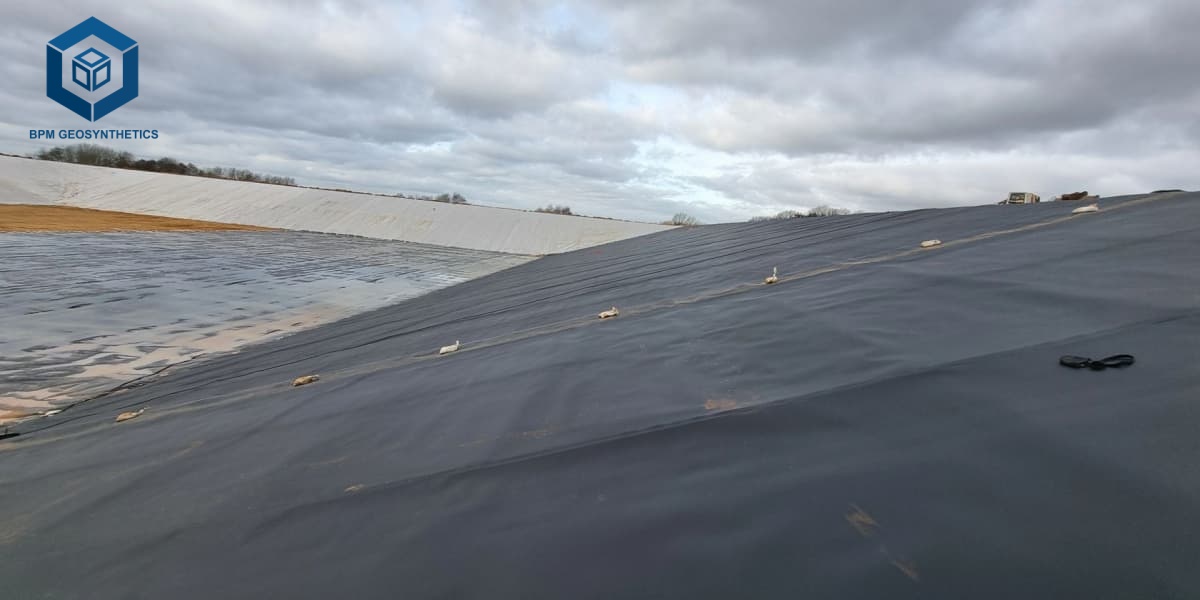
HDPE advantages include greater puncture resistance and slightly lower material cost when measured pound-for-pound. The material demonstrates exceptional strength and durability, making it ideal for applications where mechanical loading is a primary concern. However, HDPE's stiffness means it cannot be shop-fabricated and must be field-welded, subjecting installation to weather conditions and site variables .
LLDPE advantages center on flexibility. This material can be stretched easily over obstructions and prefabricated in shop conditions before field installation. When folded over itself, LLDPE remains flexible and does not sustain damage, unlike HDPE which may stretch beyond its yield point when folded. For projects where prefabrication offers schedule advantages or where conformability to irregular surfaces is critical, LLDPE may represent the superior choice despite its slightly higher material cost .
The selection between HDPE and LLDPE should consider factors including project size, site conditions, construction schedule, and specific performance requirements. For larger projects, the roll dimensions of HDPE may offset the prefabrication advantage of LLDPE, while for smaller installations requiring rapid deployment, LLDPE's shop fabrication capabilities prove valuable .
Conclusion: The Future of HDPE Geo Membrane in Geotechnical Engineering
The seven applications and considerations reviewed in this article demonstrate the versatility, reliability, and cost-effectiveness of HDPE Geo Membrane across the spectrum of geotechnical engineering. From water conservation to waste containment, from mining operations to transportation infrastructure, these materials provide essential barrier functions that protect environmental quality and enable sustainable development.
As manufacturing technology continues to advance and our understanding of long-term performance deepens through ongoing research, HDPE Geo Membrane will likely find even broader application. The development of textured surfaces for enhanced slope stability, improved resin formulations for specific chemical resistance requirements, and enhanced quality assurance technologies all point toward a future where HDPE Geo Membrane play an increasingly important role in infrastructure development worldwide.
For engineers and project managers facing containment challenges, the evidence clearly supports The Best Project Material Co., Ltd.(BPM Geosynthetics)HDPE Geo Membrane as a proven, durable, and cost-effective solution. By understanding the material properties, installation requirements, and application-specific considerations outlined in this review, decision-makers can specify HDPE Geo Membrane with confidence, ensuring project success and long-term performance for decades to come.