The 7 Best Bentomat Geosynthetic Clay Liner Review
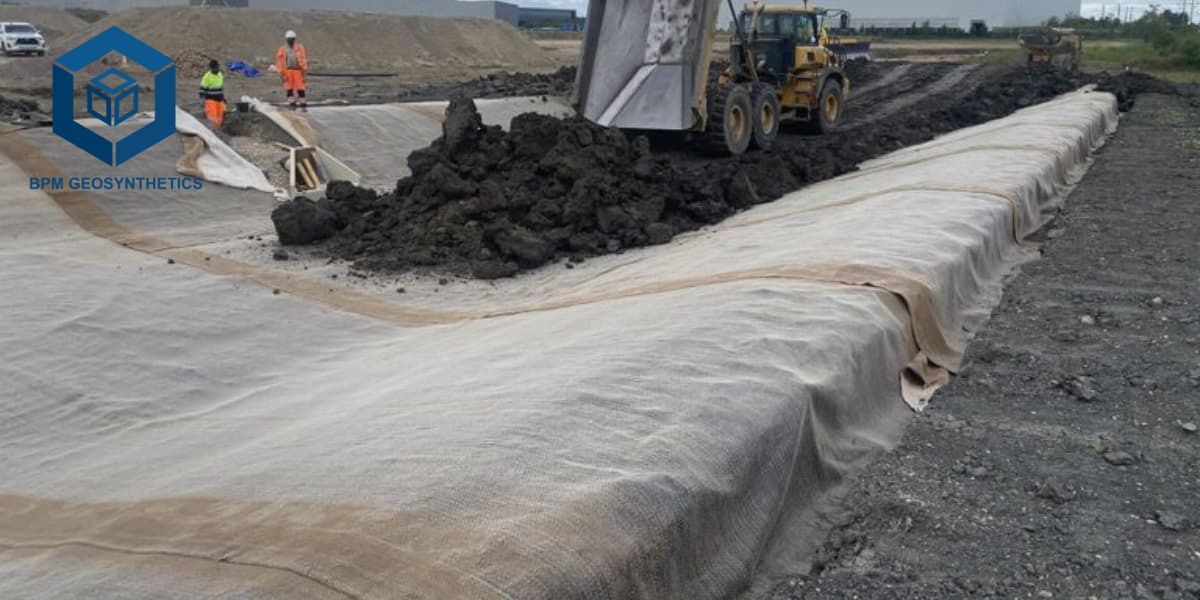
The use of Bentomat Geosynthetic Clay Liner (GCL) has been essential in today's civil and environmental engineering sectors. They not only serve as a cost-effective solution but also a high-performance substitute for conventional compacted clay liners. Among various brands, Bentomat by BPM Geosynthetics is widely recognized as a global standard, mainly because of its sodium bentonite core, excellent hydraulic performance, and structural integrity. This detailed article reviews the 7 best bentomat geosynthetic clay liner versions, comparing their features, outputs, suitability, advantages, and disadvantages. It's aimed at assisting engineers, contractors, and project managers to pick the best alternative for landfill, mining, pond lining, and slope stabilization tasks.
1. What are the Bentomat Geosynthetic Clay Liner?
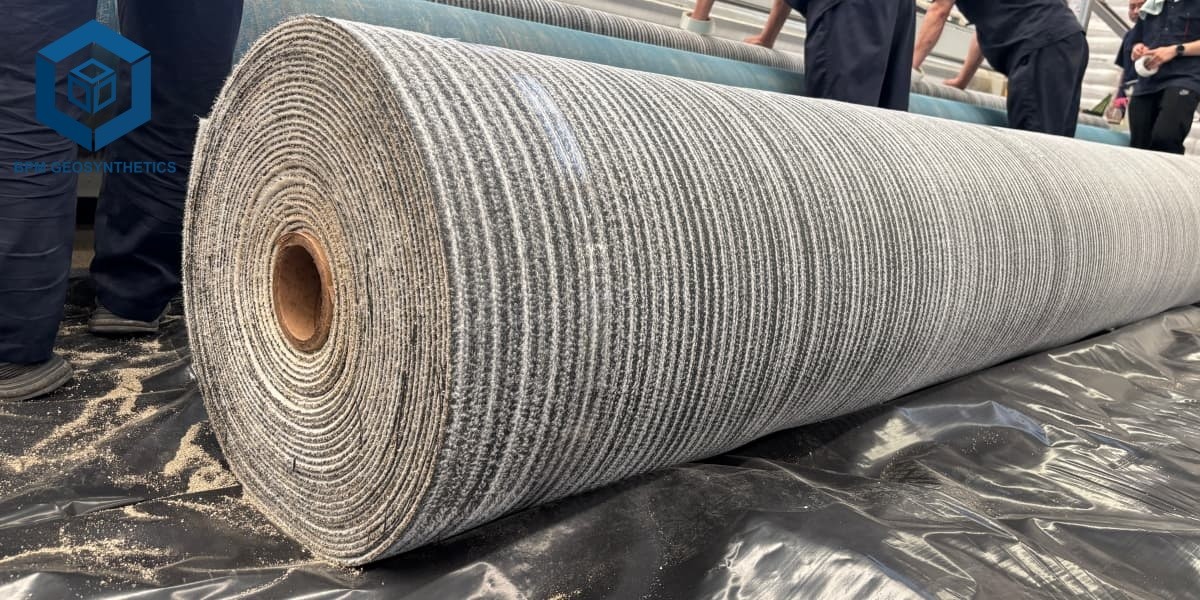
Bentomat GCL is factory-made composite barriers that incorporate a layer of premium sodium bentonite wrapped on each side by two geotextile layers (woven/nonwoven) or laminated to a geomembrane. Upon hydration, the bentonite raises in volume to produce an impermeable gel with a hydraulic conductivity of even 5×10⁻¹¹ cm/s, thereby generating a self-sealing barrier that stops the passage of liquids and gases. Besides being compact and easily installable, Bentomat gcl liner provide longer durability than compacted clay liners (CCL), hence being the best choice for projects that need fast delivery and long-term effectiveness.
1.1 Essential Selection Factors for Bentomat Geosynthetic Clay Liner
These are some of the parameters to consider while comparing Bentomat GCL products:
- Hydraulic Conductivity: ≤5×10⁻¹¹ cm/s (ASTM D5887) for excellent sealing
- Shear Strength: ≥20 kPa for ensuring the stability of slopes (very important for steep areas)
- Tensile/Puncture Resistance: ≥15 kN/m tensile strength and ≥800 N puncture resistance for maintaining structural integrity
- Bentonite Content: 3.7–5 kg/m² (standard) for reliable swelling and sealing
- Reinforcement Type: Needlepunch, scrim-reinforced, or composite (geomembrane-bonded) for different load requirements
- Chemical Compatibility: Tolerance to aggressive leachates (pH 2–12) for mining and hazardous waste disposal situations
2. The 7 Best Bentomat Geosynthetic Clay Liner Review
2.1 BPM Bentomat DN-HS: The Undisputed King of Slope Stability
If your project involves extreme terrain, seismic activity, or high normal stress, the Bentomat DN-HS is engineered specifically for you. This powerhouse utilizes BPM proprietary high-density needlepunching technology to achieve superior peak and residual shear strength .
Unlike traditional thermal treatments that can degrade a liner's residual strength, the DN-HS maintains incredible structural integrity without it, making it the gold standard for mining applications like heap-leach pads and tailings dams . Geosynthetic liner features a core of high-quality Wyoming sodium bentonite encapsulated between two nonwoven geotextiles. For any engineer losing sleep over slope stability, this is your ultimate insurance policy.
2.2 BPM Bentomat 200R: The Versatile, Cost-Effective Workhorse
For standard waste containment and hydraulic applications where the leachate is relatively non-aggressive, the Bentomat 200R is a flawless choice . This non-reinforced, needle-punched GCL consists of sodium bentonite sandwiched between a woven and a nonwoven geotextile.
Clay liner is designed to perform exceptionally well in composite lining systems, particularly when overlain by a thermally welded geomembrane . Its straightforward composition makes it incredibly cost-effective, providing reliable, low-permeability performance for everyday landfill cells and secondary containment ponds without breaking the budget.
2.3 BPM Bentomat ST: The Heavy-Duty Reinforced Solution
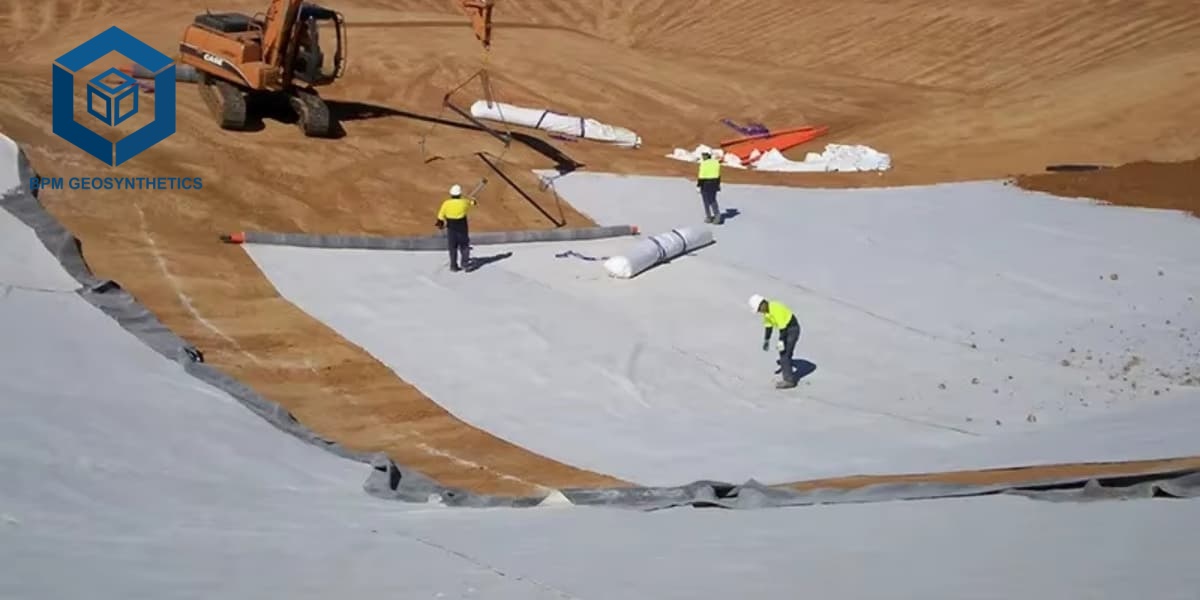
When a project demands enhanced durability and tensile strength, the Bentomat ST steps up to the plate. This reinforced geo clay liner takes the trusted sodium bentonite core and encapsulates it between a woven and a nonwoven geotextile, needlepunched together to create a highly robust structure .
The "ST" designation highlights its superior tensile strength, making it highly resistant to installation damage and perfect for sites with rough subgrades or where high puncture resistance is a prerequisite . If your site conditions are less than ideal, opting for the Bentomat ST ensures your containment system remains completely intact.
2.4 BPM Bentomat CL: The Ultimate Composite Laminate
Why install two separate layers when you can have the best of both worlds in one product? The Bentomat GCL is a reinforced bentonite clay liner laminated directly to a polyethylene layer, combining a sodium bentonite core (between a polypropylene woven and nonwoven geotextile) with a continuous polymeric barrier .
This composite laminate design drastically reduces installation time and eliminates the risk of wrinkles that often occur when deploying a geomembrane over a traditional gcl pond liner. It is an outstanding solution for basement waterproofing and civil construction projects where space is constrained, and absolute impermeability is required.
2.5 BPM Resistex Series: The Chemical Aggression Slayer
Standard bentonite has its limits when faced with highly acidic or alkaline leachates. Enter the Resistex Series—BPM answer to extreme chemical compatibility . These geocomposite clay liner utilize a proprietary polymer-modified bentonite engineered to withstand highly aggressive leachate environments .
With a maximum permeability reported to be 100 times lower than conventional compacted clay liners, Resistex is a breakthrough in hazardous waste containment and mining operations dealing with aggressive lixiviants . While project-specific compatibility testing is recommended, Resistex offers unparalleled peace of mind when dealing with unknown or highly variable chemistries.
2.6 BPM Bentomat CLT: The Textured High-Friction Giant
Taking the composite concept a step further, the Bentomat CLT features a sodium bentonite core needlepunched between two geotextiles, but with a game-changing addition: it is laminated to a 20-mil, double-sided textured HDPE geomembrane .
The textured surface is the key differentiator here. It provides exceptional interface friction, significantly reducing the risk of sliding on steep slopes . For large-scale environmental capping projects or reservoir linings with challenging grades, the CLT ensures that your liner system stays exactly where you put it, even under heavy hydraulic pressure.
2.7 The Advanced PFAS-Busting GCL: The Future of Remediation
Looking beyond traditional Bentomat products, one of the most exciting recent developments in the geosynthetics market is the emergence of specialized bentomat clay liner designed specifically for PFAS (per- and polyfluoroalkyl substances) remediation.
Unlike standard bentonite geosynthetic clay liner that might allow these "forever chemicals" to migrate, these advanced bentonite geocomposite liners are engineered with modified clay structures to target and trap specific contaminants . As environmental regulations tighten globally regarding groundwater protection, integrating one of these advanced bentomat geosynthetic clay liner into a multi-layered liner system represents the cutting edge of ecological engineering and site remediation.
3. Buyer’s Guide: How to Choose the Right Bentomat Geosynthetic Clay Liner?
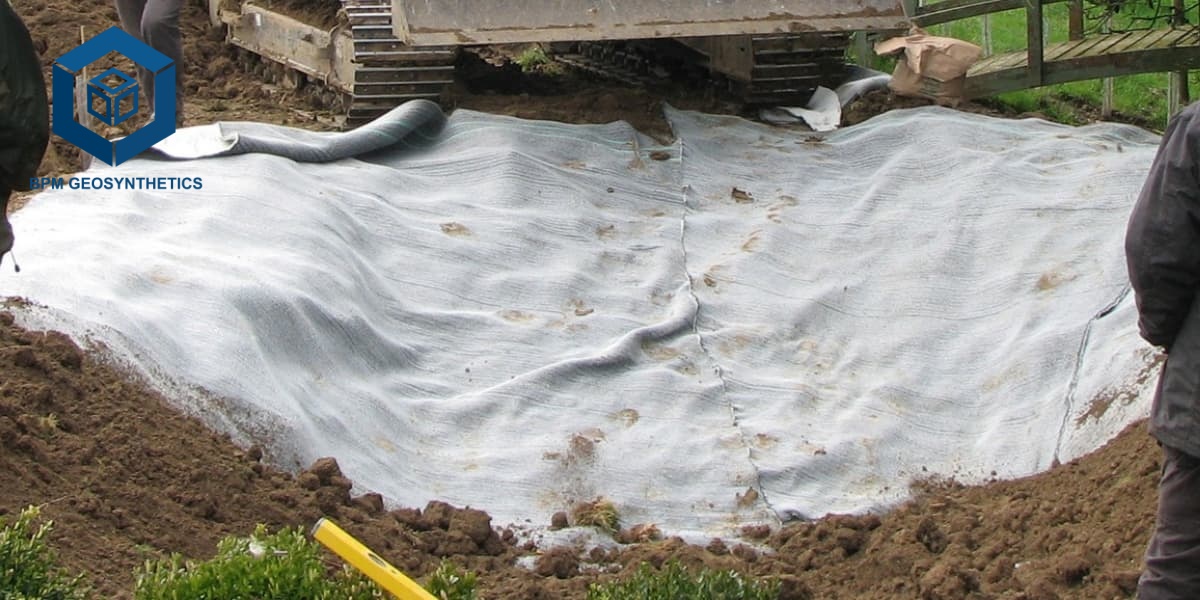
Choosing the ideal Geosynthetic Clay Liner is not about picking the “best” product overall but rather identifying the one that fits perfectly your project requirements. Here are the main factors that you should consider:
3.1 Shear Strength Requirements
In cases where your project involves the use of steep slopes, heavy loads, or seismic activity areas, shear strength will be an important factor. Therefore, it is advisable to select GCL items with reinforcements, such as tightly needled fabrics. These types of products increase the internal friction significantly and restrain the liner from slipping or failing, thus providing the necessary stability in the long term even under difficult conditions.
3.2 Chemical Compatibility
Before deciding on a GCL, it is important to analyze the chemical makeup of the liquid or waste to be contained. Standard sodium bentonite liners are effective in many settings; however, their performance might suffer in the presence of aggressive chemicals such as highly saline or polluted leachates. Under these circumstances, polymer-modified gcl geosynthetic clay liners should be used because they exhibit superior resistance to chemicals, better sealing capabilities, and longer service life.
3.3 Installation Logistics
Installation efficiency plays a crucial role in overall project cost and timeline. Consider gcl clay liner products that are easy to handle, deploy, and secure on-site. Composite laminates, for example, integrate multiple barrier functions into a single layer, reducing the need for additional materials. This not only speeds up installation but also minimizes labor costs and reduces the risk of installation errors or damage during construction.
4. Summary
Many folks think of the Geosynthetic Clay Liner market as just simple clay sandwiches. However, things have changed a lot since then. Finest products available on the market, like the BPM Bentomat range, are capable of offering solutions that depend not only on the kind of location but also on the level of chemicals. By getting familiarized with each liner’s distinctive features, whether it’s the unrivaled slope stability of the DN-HS, the chemical resistance of Resistex, or the CLT’s easy installation, you will be capable of fashioning a containment system that is not just compliant but actually made to last.
As GCL manufacturer of BPM already developing more than 20 years , BPM always been committed to the productions , research and development , sales and service of geotechnical materials . with high quality products and professional sales and after sales teams .BPM GCL has passed the ISO9001 quality management system , ISO14001 environmental management system , ISO45001 occupational health system certification , and passed Soncap , SAAO and BV certification and SGS and intertek tests , BPM GCL have reached the world leading level . can widely used in aquaculture soil erosion resistance .drainage systems , mining etc . BPM are willing to become your partners with high cost performance , innovative geomembrane and geosythetic products , excellent quality and perfect after sale service, join The Best Project Material Co., Ltd.(BPM Geosynthetics), win our future.