How to Choose Liner System in Landfill for Waste Containment ?
To choose a Liner System in Landfill, conduct a risk assessment and consider factors like waste type, site conditions, and regulatory requirements to determine the best multi-layered approach. The system typically includes a primary geomembrane (like HDPE) for a low-permeability barrier, often supported by a geosynthetic clay liner (GCL) as a backup, along with protective layers, drainage materials, and geotextiles.
Our BPM Geosynthetics brand geomembranes have been installed in various engineering projects around the world. With 20 years of geotechnical engineering experience, we provide our customers with quality Liner System in Landfill products and professional geomembrane liner installation experience.
Next, this article will start from key considerations for material selection include durability, chemical compatibility with the waste and leachate, puncture resistance, and long-term stability.
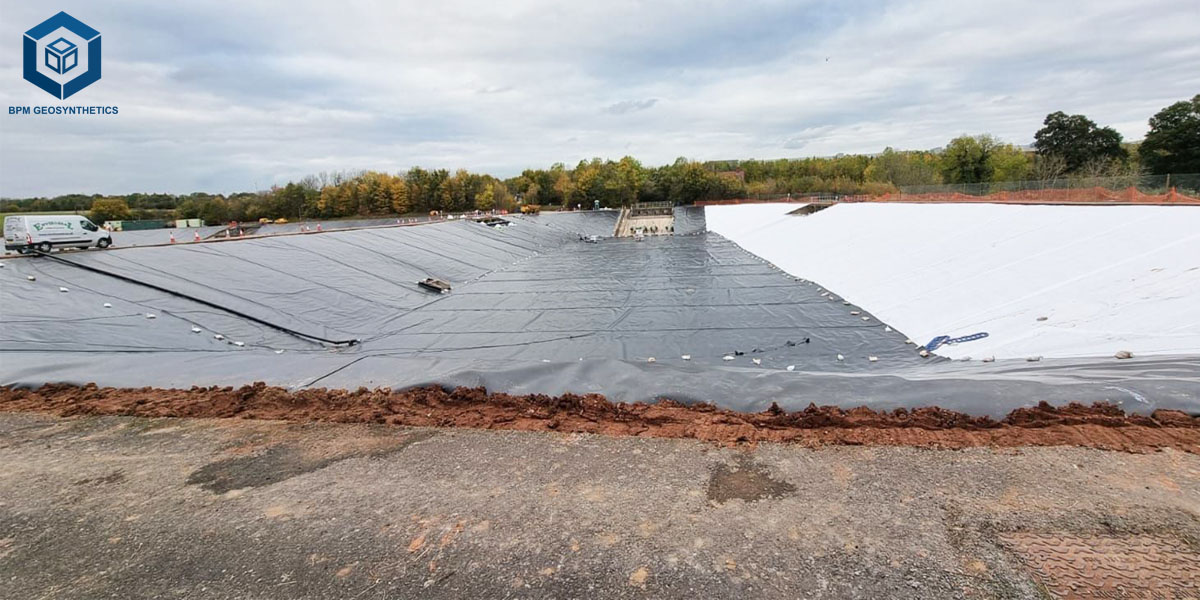
1. What is Liner System in Landfill ?
Liner System in Landfill is a type of impermeable membrane made from High-Density Polyethylene (HDPE). It is widely used in environmental, geotechnical, and hydraulic applications as a barrier to control fluids or gases.
1.1 Key Features of Liner System in Landfill:
- Material: Made from high-density polyethylene resin, which provides excellent chemical resistance, durability, and UV stability.
- Thickness: Typically ranges from 0.5mm to 3.0mm, depending on the application.
- Strength: High tensile strength and puncture resistance, making it suitable for heavy-duty applications.
- Impermeability: Extremely low permeability, preventing leakage of liquids and gases.
- Chemical Resistance: Resistant to acids, alkalis, oils, and other harsh chemicals.
- UV & Weather Resistance: Contains carbon black or other additives to enhance UV resistance for long-term outdoor use.
- Flexibility: Can withstand differential settlement and ground movement without cracking.
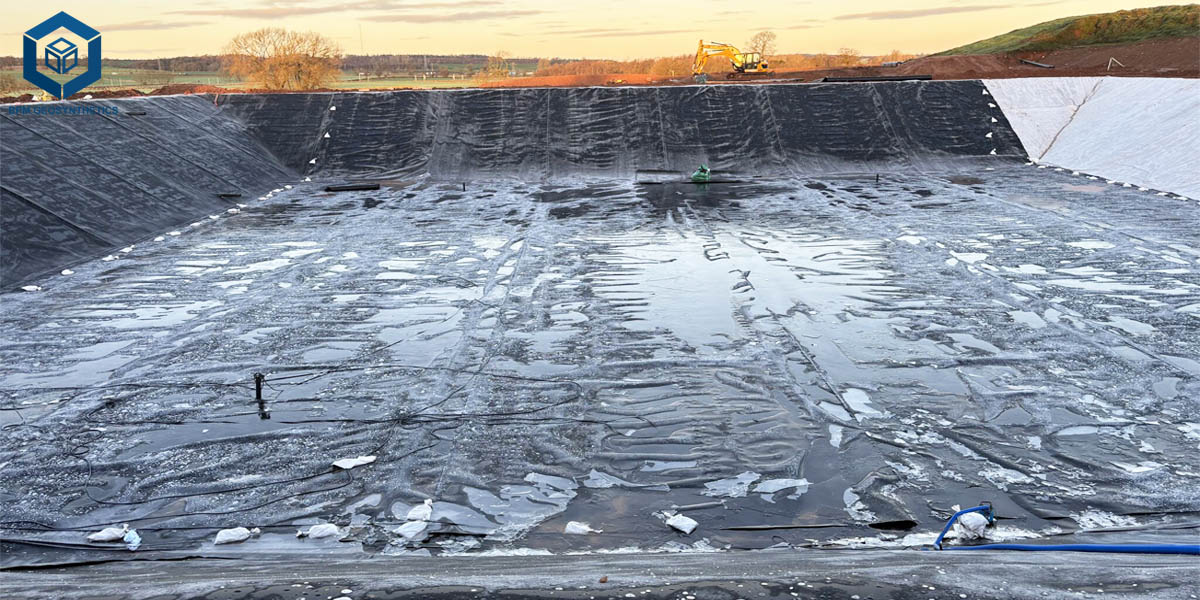
2. What is Common Liner System in Landfill Thicknesses for Waste Containment?
The optimal landfill liner thickness selection for HDPE geomembrane should be evaluated in detail by a professional geotechnical engineer or environmental expert. These professionals will ensure that the selection of HDPE geomembrane liner meets the needs of engineering and environmental protection based on various factors such as the characteristics of the specific project, geological conditions, regulatory requirements, etc. The following are several common HDPE liner thickness ranges.
2.1 1mm–1.5mm Liner System in Landfill
Thinner hdpe pond liner is commonly used in some general landfills, especially where non-hazardous and organic waste volumes are small. This thickness provides basic protection against seepage.
2.2 1.5mm–2.0mm Liner System in Landfill
This is the more common thickness range for pond liner hdpe and is suitable for most general landfills. This range of hdpe geomembrane pond liner provides better anti-seepage performance while achieving a certain balance between engineering design and economic cost.
2.3 2.0mm–2.5mm Liner System in Landfill
Thicker HDPE liner geomembrane is often used in situations that have a higher organic waste content or are highly decayable. This thickness can provide a higher level of anti-seepage performance and is suitable for some projects with higher environmental impact requirements.
Textured geomembrane HDPE liner thickness of 1.5mm–2.0mm is suitable for steep slopes
3. Liner System in Landfill Considerations
3.1 Engineering Requirements and Anti-seepage Requirements
Landfllls have exremely high reaurements for ani-seepage layers, and they need to effectively block the pollution of soil and groundwater by leachate from garbage.Therefore, when selecting Liner landfill hdpe geomembrane, the anti-seepage requirements of the project should be clanied first, incuding indicators such as the thickness andpermeabity coeficient of the anti-sepage layer. Generaly speaking, the thickness of the geomembrane for landfill laid at the botom of a newly buit landfills usualy1.5mm or 2.0mm to meet high standards of anti-seepaae reauirements.
3.2 Environmental Factors
The environmental factors of landfills are also important factors to consider when selecting geomembrane landfill. For example, climate conditions, soil properties,groundwater levels. etc. will affect the performance of hdpe geomembrane landfill. In cold areas, landfill geomembrane with good low temperature resistance should be selected to ensure stable performance under extreme temperature conditions. At the same time, considering the harmful gases that may be produced in landfills, landfill plastic liner should also have certain corrosion resistance and anti-aging capabilities.
3.3 Construction Conditions and Costs
Construction conditions and costs are also factors that cannot be ignored when choosing plastic liner landfill. The laying of plastic geomembrane for landfill requires a professional construction team and advanced construction equipment to ensure the laying quality and anti-seepage effect. At the same time, the prices of pond liner of different thicknesses and qualities vary greatly, and reasonable choices should be made based on the project budget and actual needs. On the premise of meeting the anti- seepage requirements, try to choose liner in landfill products with high cost performance.
4. Liner System in Landfill Key Points for Purchase
4.1 Liner System in Landfill Quality standards
The quality standards of pond liner pond directly affect their ant-seepage performance and service life. When purchasing, pond with liner products that meet American standards or industry standards should be given priority. American standards are suitable for landfills with high anti-seepage requirements. At the same time, you should also pay attention to check the product's quality inspection report and certification certificate to ensure that the product quality is reliable.
4.2 Liner System in Landfill Thickness selection
The thickness of the ponds with liners directly affects its ani-seepage ability and service life. When choosing it should be reasonably selected according to the anti-seepage requirements and construction conditions of the landfill. Generally speaking. the thickness of the hdpe geomembrane for landfill laid on the botom should be greater than thickness of the pvc pond liner laid on the slope.At the same time. indicators such as the tensile strength and elongation at break of the Landfill liner system should also be considered to ensure that it is not easily damaged during laying and use.
4.3 Liner System in Landfill Material and Performance
The material and performance of the geomembrane liner landfill is also important aspects that need to be paid attention to when purchasing. High-density polyethylene(HDPE) plastic pond liner is widely used in places with high anti-seepage requirements such as landfills due to its excellent mechanical strength and chemical corrosion resistance. in addition, attention should also be paid to indicators such as the anti-aging performance. UV resistance. and high and low temperature resistance of the high density polyethylene pond liner to ensure that it can maintain stable anti-seepage performance during long-term use.
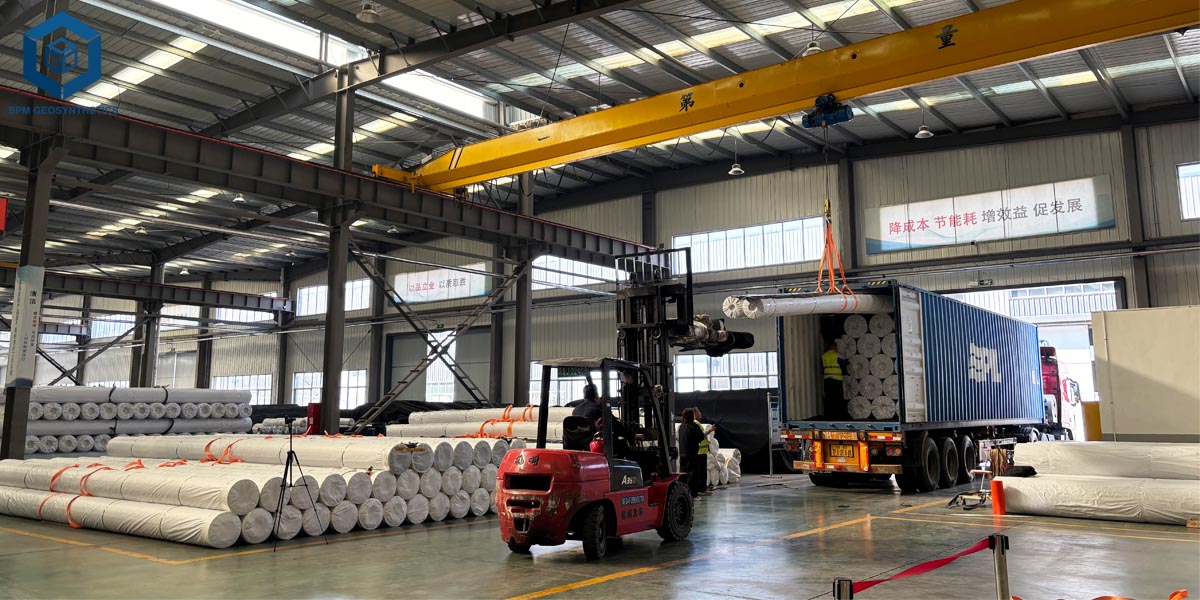
As a geomembrane export manufacturer for 20 years, BPM Geosynthetics factory has 3 lines of smooth HDPE Geomembrane equipment and one line of rough surface HDPE Geomembrane equipment. We can produce HDPE Geomembrane Sheet with widths from 2 meters to 10 meters. We can produce HDPE Geomembrane thicknesses from 0.2mm to 3mm. Because our HDPE Geomembrane Sheet need to be shipped in containers and shipped to customers, most customers ask us to produce widths of 5.8mm or 7 meters or 8 meters. If you have other widths, we can also produce them. If you need a width of 3 meters, it may produce some waste of raw materials. The price of a 3-meter wide HDPE Geomembrane may be higher than the price of a normal width (5.8m to 10m) HDPE Geomembrane Sheet.
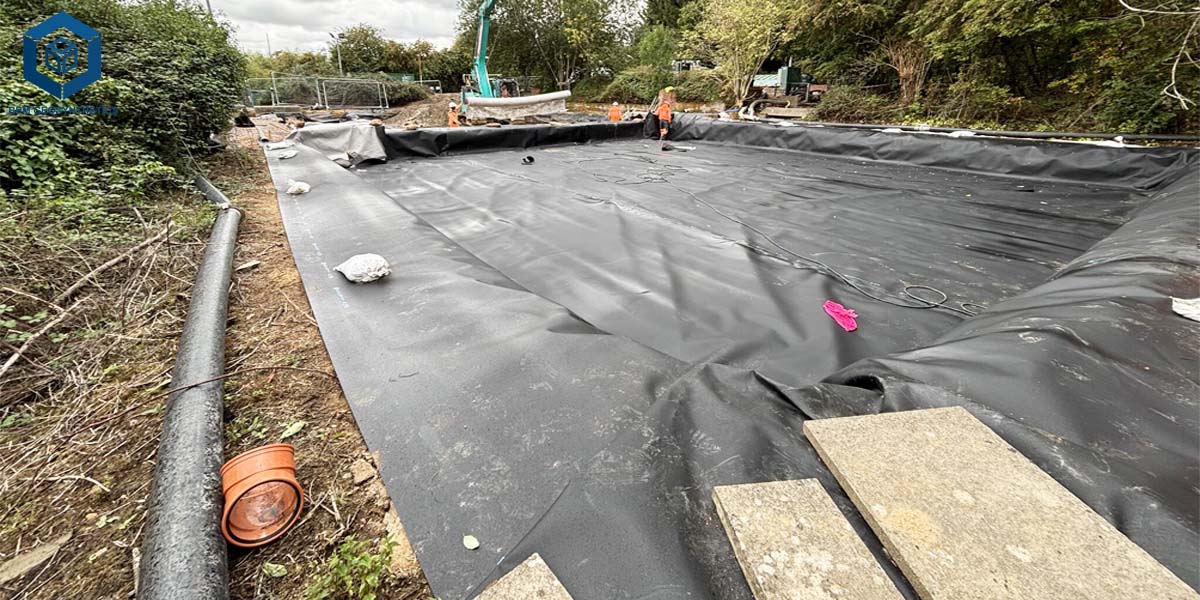
Conclusion
Choosing the right liner system for a landfill is essential to ensure long-term environmental safety, efficient waste containment, and regulatory compliance. By carefully evaluating site conditions, liner material performance, installation quality, and long-term maintenance requirements, project owners can significantly reduce leakage risks and extend the service life of the landfill.
For reliable performance and guaranteed quality, The Best Project Material Co., Ltd.(BPM Geosynthetics)offers high-grade HDPE geomembranes and complete landfill liner solutions backed by ISO-certified production, advanced manufacturing lines, and over 15 years of engineering experience. Whether for municipal, industrial, or hazardous waste landfills, BPM Geosynthetics provides durable, cost-effective products you can trust for long-term containment.