Geotextile iso certification requirements
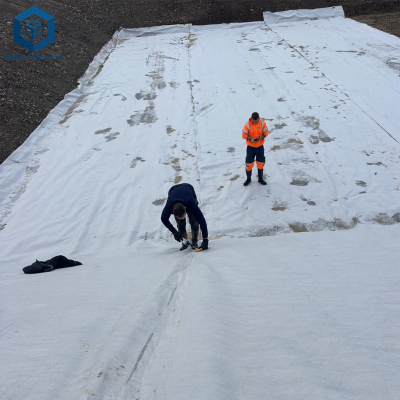
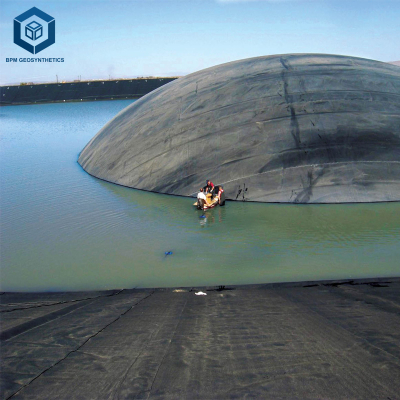
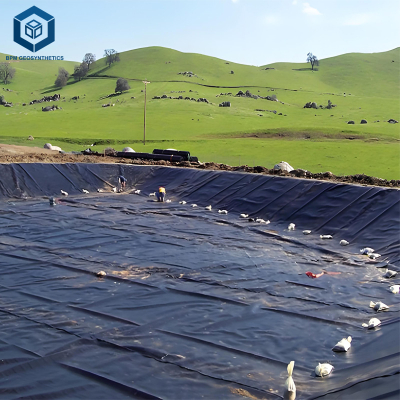
Geotextile ISO certification requirements define the international quality, testing, and production standards that geotextile products must meet to ensure performance consistency, durability, and compliance in civil engineering and environmental applications.
Technical Parameters and ISO Standard Specifications
| Parameter | Typical Range | Relevant ISO Standard |
|---|---|---|
| Mass per Unit Area | 100 – 800 g/m² | ISO 9864 |
| Tensile Strength | 8 – 50 kN/m | ISO 10319 |
| Elongation at Break | 25% – 120% | ISO 10319 |
| CBR Puncture Strength | 1.5 – 10 kN | ISO 12236 |
| Permeability (Normal to Plane) | 10⁻³ – 10⁻¹ m/s | ISO 11058 |
Structure and Material Composition
Polypropylene (PP) Fibers: High chemical resistance and durability
Polyester (PET) Fibers: High tensile strength and dimensional stability
Nonwoven Structure: Needle-punched for filtration and drainage
Woven Structure: For reinforcement applications
Manufacturing Process and ISO Compliance Control
Raw Material Selection: Certified PP or PET resins
Fiber Extrusion: Controlled filament production
Web Formation: Uniform fiber distribution
Needle Punching or Weaving: Structural bonding process
Heat Setting: Improves dimensional stability
Quality Testing: ISO-compliant laboratory testing
Certification Audit: ISO 9001 quality management verification
Key ISO Compliance Points
Traceability of raw materials
Batch-level quality testing
Documented production procedures
Industry Comparison
| Standard System | Region | Focus | Acceptance |
|---|---|---|---|
| ISO Standards | Global | Quality and testing | High |
| ASTM Standards | USA | Performance testing | High |
| EN Standards | Europe | Application-based | High |
Application Scenarios
EPC Contractors: Infrastructure and road construction
Engineering Consultants: Design compliance verification
Developers: Drainage and filtration systems
Importers/Distributors: Certified geotextile sourcing
Core Pain Points and Solutions
Unverified Product Quality: Require ISO certification documents
Inconsistent Performance: Ensure batch testing compliance
Supplier Transparency Issues: Audit factory processes
Specification Mismatch: Align ISO parameters with project needs
Risk Warnings and Avoidance
Avoid purchasing without valid ISO test reports
Verify certification authenticity
Do not rely solely on supplier claims
Ensure compatibility with project specifications
Procurement and Selection Guide
Define required ISO standards for project
Verify supplier ISO 9001 certification
Request detailed test reports
Evaluate production capacity and consistency
Conduct third-party testing if necessary
Check logistics and delivery reliability
Include certification requirements in contracts
Engineering Case Study
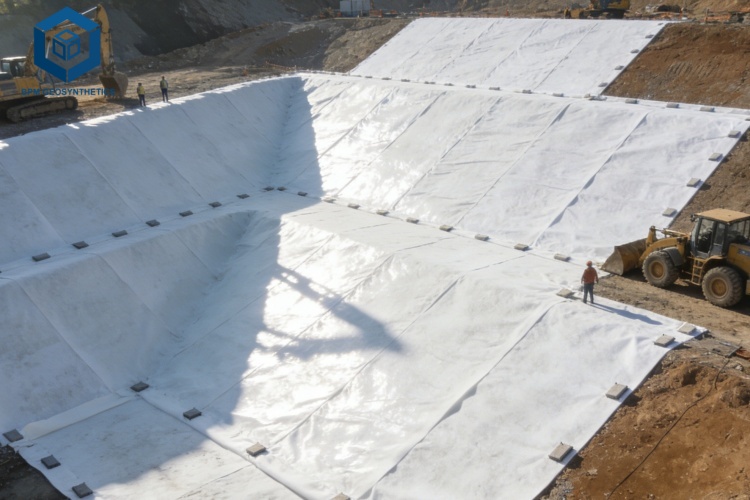
In a highway drainage project, non-certified geotextile initially failed filtration requirements. After switching to ISO-certified material with verified permeability and tensile strength, the system achieved stable drainage performance and extended service life.
FAQ
Q1: What is ISO certification for geotextile?
A: It ensures quality and testing compliance.Q2: Which ISO standard is most important?
A: ISO 10319 for tensile strength.Q3: Is ISO certification mandatory?
A: Often required in international projects.Q4: What materials are used?
A: PP and PET fibers.Q5: How to verify certification?
A: Check official documents and audits.Q6: What is permeability standard?
A: ISO 11058.Q7: Can non-certified products be used?
A: Not recommended for critical projects.Q8: What is CBR test?
A: Puncture resistance measurement.Q9: Are ISO and ASTM interchangeable?
A: They are complementary but different.Q10: Who needs ISO-certified geotextiles?
A: EPC contractors, engineers, and developers.
Call to Action
Contact our team to obtain complete geotextile ISO certification requirements documentation, test reports, and project-specific recommendations. Request samples and quotations to ensure compliance and performance.
E-E-A-T Authoritative Statement
This article is prepared by geosynthetics engineers with over 10 years of experience in international standards compliance and material testing, ensuring accurate and reliable guidance for professional procurement and engineering applications.