geomembrane and geotextile supplier
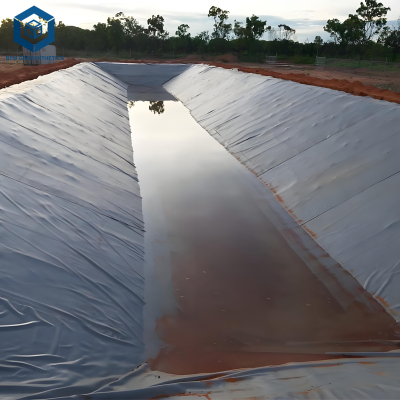
A geomembrane and geotextile supplier provides engineered polymer-based barrier and filtration materials used in civil, environmental, and hydraulic engineering projects to control seepage, reinforce soil, and improve long-term structural stability.
Technical Parameters and Specifications
All parameters listed below reflect commonly accepted international engineering standards (ASTM / ISO) and are adjustable according to project requirements.
Geomembrane Thickness: 0.5 mm – 3.0 mm
Geomembrane Density (HDPE): ≥0.94 g/cm³
Tensile Strength: ≥15–28 MPa (ASTM D638)
Elongation at Break: ≥700%
Carbon Black Content: 2.0–3.0%
Geotextile Mass: 100–1200 g/m²
Geotextile Tensile Strength: 8–120 kN/m
Water Permittivity: ≥0.05 s⁻¹
Structure and Material Composition
Geomembrane Layers
Primary polymer resin (HDPE / LLDPE / PVC)
Carbon black dispersion for UV resistance
Antioxidant and thermal stabilizers
Geotextile Structure
Nonwoven needle-punched fibers (PP / PET)
Continuous filament or staple fiber layout
Thermally or mechanically bonded matrix
Manufacturing Process
Raw Material Inspection: Polymer resin melt index and density verification
Extrusion or Spinning: Flat die extrusion for geomembrane; filament spinning for geotextile
Calendering / Needle Punching: Thickness control and mechanical reinforcement
Surface Treatment: Texturing or calendared smooth finish
Inline Quality Control: Thickness gauge, tensile sampling, and visual inspection
Final Winding and Packaging: Controlled tension winding to avoid micro-cracking
Industry Comparison
| Material | Permeability | Durability | Typical Use |
|---|---|---|---|
| Geomembrane | Impermeable | High (30+ years) | Containment, lining |
| Geotextile | Permeable | Medium–High | Filtration, separation |
| Compacted Clay | Low | Variable | Traditional liners |
Application Scenarios
Distributors: Stock supply for regional infrastructure projects
EPC Contractors: Landfill lining, tailings dams, canal systems
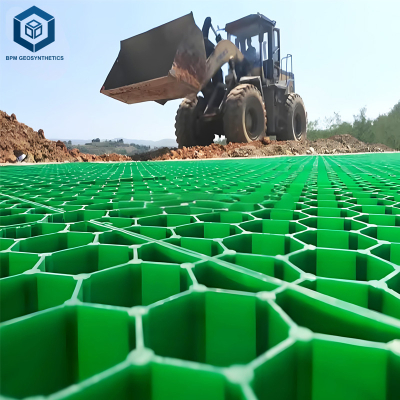
Engineering Firms: Road subgrade stabilization and drainage layers
Developers: Water reservoirs and industrial ponds
Core Pain Points and Solutions
Inconsistent Quality: Resolved through batch traceability and standardized testing
Premature Aging: Addressed with verified antioxidant packages
Installation Failure: Mitigated by welding guidance and field support
Supply Delays: Managed via production planning and inventory buffering
Risk Warnings and Mitigation
Avoid non-certified materials without test reports
Confirm chemical compatibility with site liquids
Ensure subgrade preparation meets design tolerance
Use qualified welding technicians on-site
Procurement and Selection Guide
Define project function (lining, filtration, reinforcement)
Confirm design standards and specifications
Match material type to chemical and mechanical exposure
Request third-party test reports
Evaluate production capacity and delivery schedule
Assess technical support and after-sales service
Engineering Case Example
In a municipal landfill project covering 120,000 m², a geomembrane and geotextile supplier delivered 2.0 mm HDPE liners combined with 800 g/m² nonwoven geotextiles. The system achieved verified leakage control below regulatory limits after 36 months of operation.
FAQ
Q1: What standards are commonly followed?
A: ASTM, ISO, and EN.Q2: Can materials be customized?
A: Yes, thickness and weight are adjustable.Q3: Typical service life?
A: 20–50 years depending on exposure.Q4: Minimum order quantity?
A: Project-based.Q5: Welding method?
A: Hot wedge or extrusion welding.Q6: UV resistance level?
A: ≥90% retention after 1500 hours.Q7: Chemical resistance?
A: Suitable for acids, alkalis, salts.Q8: Packaging format?
A: Rolls with protective wrapping.Q9: Lead time?
A: Typically 10–25 days.Q10: On-site support available?
A: Yes, upon request.
Call to Action
For detailed specifications, engineering datasheets, pricing, or project samples, contact a qualified geomembrane and geotextile supplier to support your next infrastructure project.
E-E-A-T Author Credentials
This article is prepared by a materials engineering specialist with over 15 years of experience in geosynthetics manufacturing, project specification review, and international infrastructure procurement.