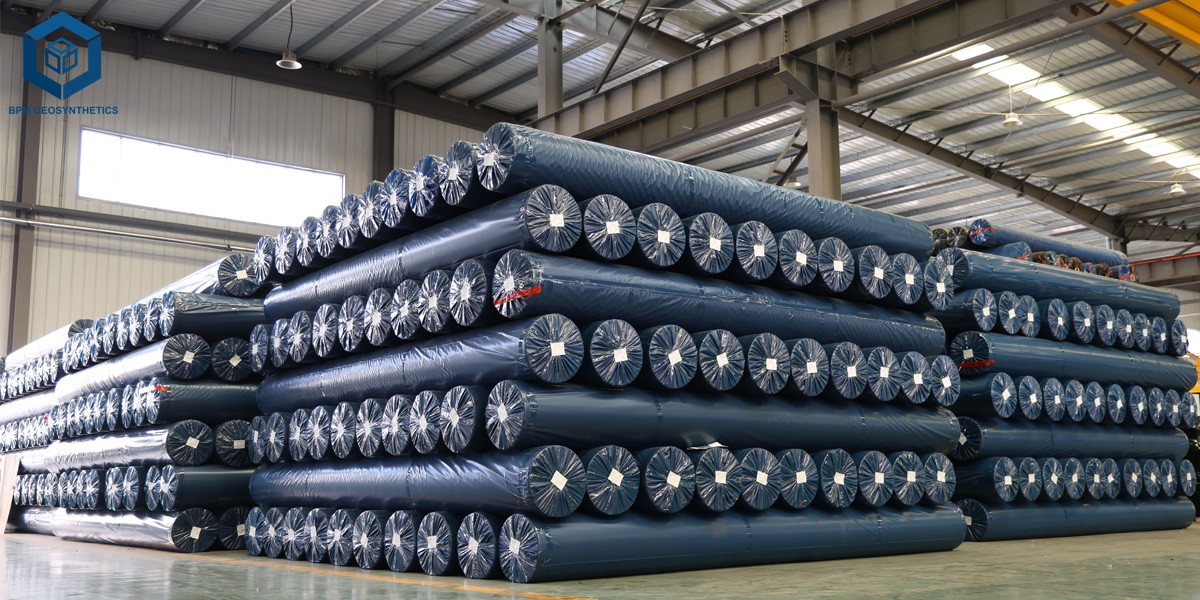
What are Disagvantages of Geotextile Filter Cloth?
Geotextile Filter Cloth have been used in various applications such as filtration, separation, and reinforcement. However, it is important to note that they also have some drawbacks. One of the major limitations of woven geotextiles is that their permeability is less than that of non woven geotextiles, which means water flow can be restricted and the overall project performance may be affected. In response to these issues, BPM Geotextiles has been continuously researching and developing innovative solutions that not only mitigate these constraints but also preserve the benefits of geotextile filter cloth for use in construction and environmental projects.
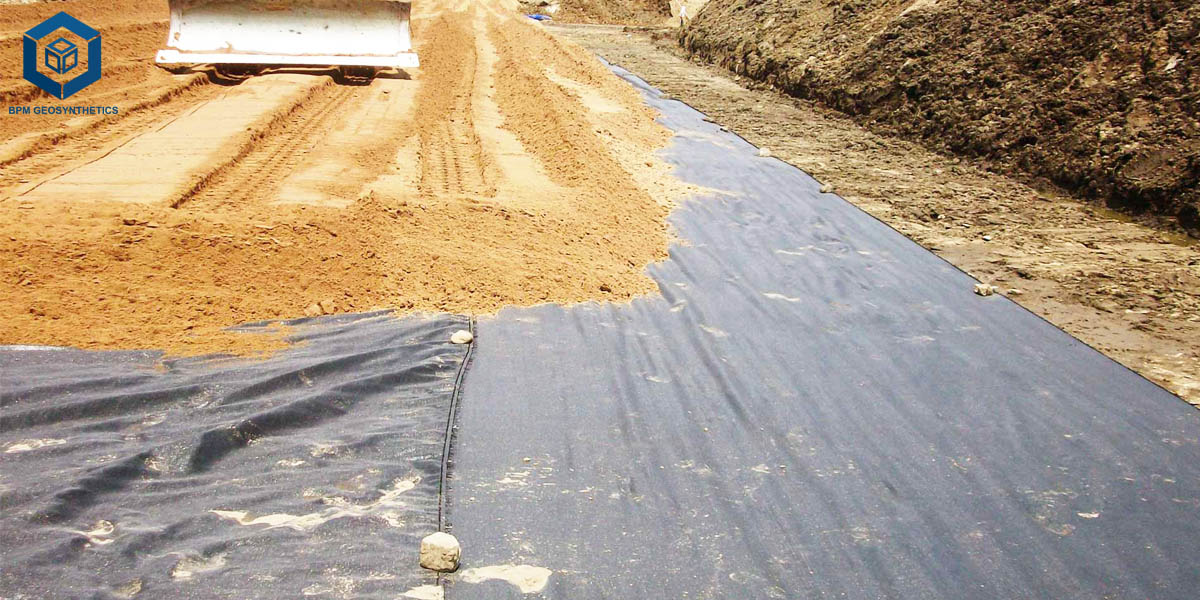
1. What is Geotextile Filter Cloth?
Geotextile filter fabric is a permeable material woven from synthetic fibers in a grid-like structure. It is an excellent choice for civil engineering, landscape, and environmental projects where it can separate, filter, reinforce, and drain. Woven geotextiles, unlike nonwoven ones, which are made by fiber fusion, are made by weaving warp and weft threads, thus producing a sturdier structure but less flexible. This gives geo filter fabric a special loose weave structure that permits them to regulate fluid flow while still providing a certain degree of mechanical stability.
2. What are the Advantages of Geotextile Filter Cloth?
Geotextile filter fabric has a multitude of good qualities that make it highly efficient in various uses. Some of its major benefits are listed below.
2.1 Geotextile Filter Cloth - Strength and Durability
Woven geotextiles are very strong in both the warp (lengthwise) and the weft (crosswise) directions due to the great tensile strength of the fibers in both directions. This is especially important for tough engineering projects such as retaining walls and roads.
2.2 Geotextile Filter Cloth - High Permeability
Drainage geotextile fabric can effectively keep soil and other particles from being washed away, while simultaneously facilitating the movement of water through. The property of permeability is very important in drainage systems, being the method through which water flow is controlled, and also it helps in reducing the pressure that accumulates behind buildings.
2.3 Geotextile Filter Cloth - Chemical Resistance
Most of the geotextile filter cloths are almost chemically-resistant to substances found in soil and waste. This chemical resistance feature definitely gives them a long service life, and they can still perform their functions almost as well even in severe environments.
2.4 Ultraviolet stability
Drain filter fabric is generally subjected to treatment with ultraviolet radiation. This step ensures that they retain their strength for a longer time in sunlight, and thus they do not deteriorate rapidly.
2.5 Simple Installation
It is a common design feature of geo drainage fabric to be very handy and easy to manage. Because of this design, there are lower labor costs involved in the project. Besides that, they are usually of light weight and very easy to set up. However, they are strong enough to endure harsh conditions even though they are not heavy.
2.6 Versatility
Geo fabric filter cloth have numerous uses in different fields. They can efficiently serve four main functions like giving erosion control, isolating layers in road construction, soil stabilization, and assisting landfill filtration system.
2.7 Environmental benefits:
Permeable filter fabric can enhance soil stability and drainage system. They lessen the occurrence of landslides by reducing sediment runoff and thus aid in controlling soil erosion, which is a sound practice of environmental protection.
2.8 Cost-effectiveness:
It is possible for soil filter fabric to improve drainage and stabilization of an area. Moreover, they can diminish the chances of a landslide from happening, stop sediment runoff, and at the same time, lessen soil erosion, thus indirectly promoting a better environment.
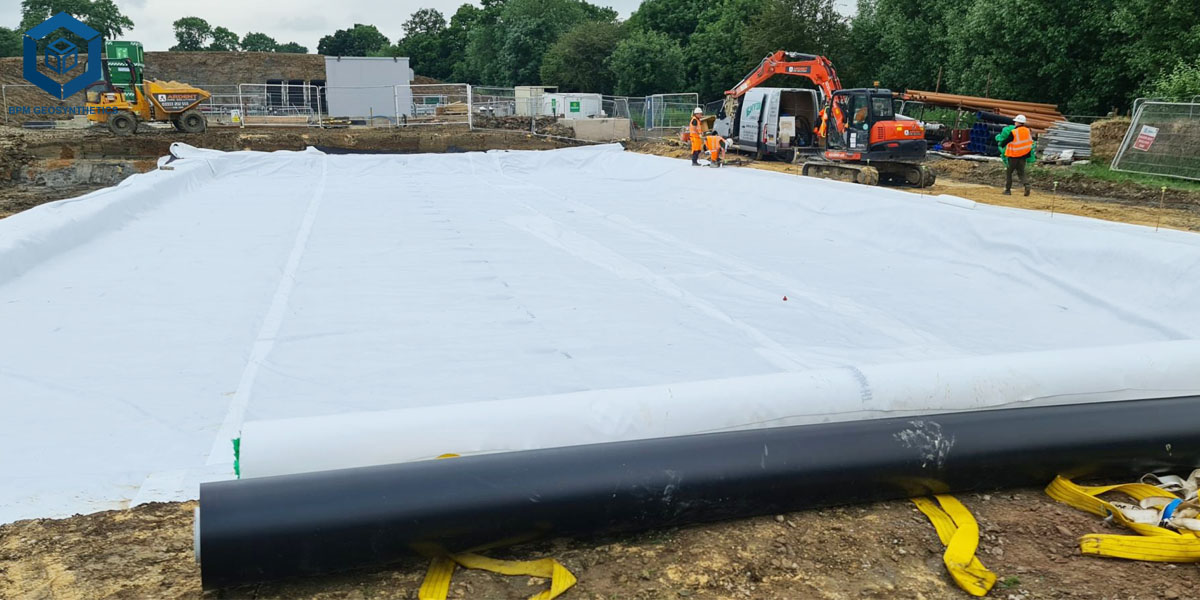
3. What are the Disadvantages of Geotextile Filter Cloth?
It is true that geotextile filter cloth provides numerous functional benefits, but at the same time, it is not without certain limitations that should be kept in mind when choosing materials.
3.1 Limited Flexibility and Conformability
Geotextile filter cloth, especially woven, has less flexibility as compared to non woven filter fabric. It thus becomes less suitable for tasks demanding high adaptability to irregular surfaces, intricate ground contours, or sharply changing ground levels.
3.2 Larger Pore Size and Reduced Fine Particle Retention
Woven geotextile filter cloths inherently possess larger and more uniform pores. If the primary aim is to retain fine soil particles effectively, this property may cause insufficient filtration performance and thereby soil migration, clogging, and contaminant infiltration may happen.
3.3 Limited Suitability for High-Filtration Applications
Geotextile filter cloth due to their pore characteristics may exhibit inferior performance in highly sensitive filtration scenarios such as landfill liner systems, drainage layers, or fine-grained soil filtration where very accurate particle retention is required.
3.4 Higher Manufacturing Complexity and Cost
Woven geotextile filter cloth manufacture usually involves a more complicated process compared to non woven geo textile filter fabric. As a result, the materials can be more costly, which could affect the total project cost - especially in large-scale infrastructure or environmental protection projects.
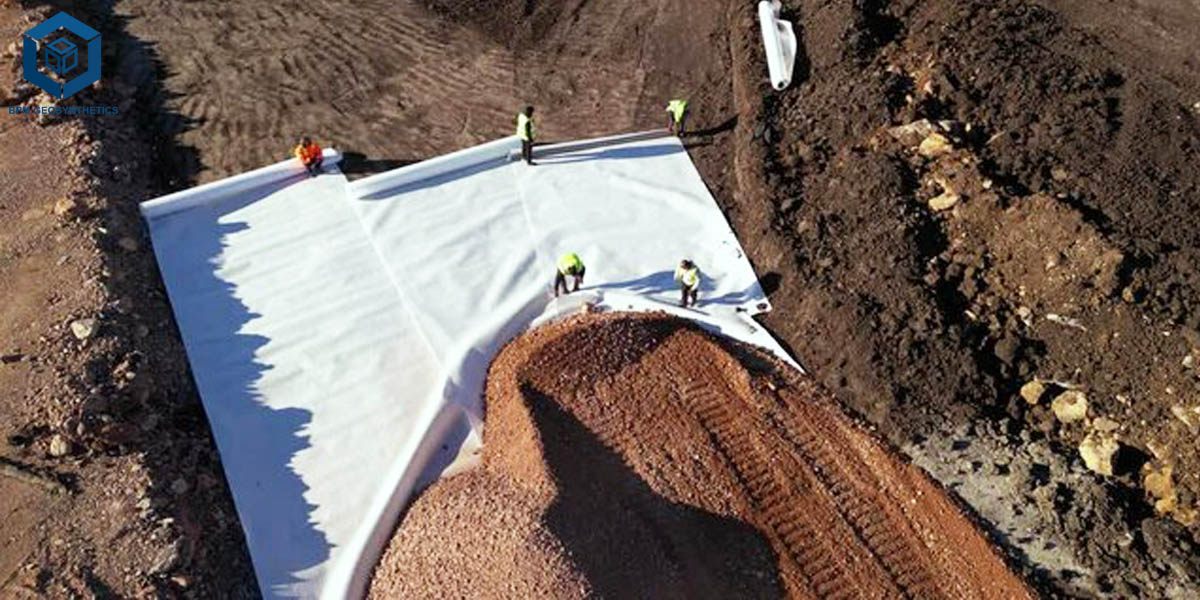
4. Is Geotextile Filter Cloth Really Effective?
Indeed, geotextile filter clothis not only highly efficient but also extensively employed in various applications spanning multiple industries. The success of this geotextile material can be attributed to the combination of its unique traits, including but not limited to, high tensile strength, durability, permeability, resistance to chemical corrosion and ultraviolet radiation. Below are some specific uses where geotextile filter cloth has gained recognition as an effective material:
4.1 Slope stability
Geotech filter cloth have become a staple in the reinforcement of slopes and embankments, thereby curtailing the occurrences of erosion and landslides. The synergy between these geo fabric and soil results in enhanced stability and the minimized possibility of damage during extreme weather events or earthquakes.
4.2 Erosion control
Geotextile fabric is utilized for soil protection in coastal regions. They function by decelerating water flow and encouraging the establishment of natural vegetation which in turn prevents sediment loss.
4.3 Retaining wall
Geotech fabric is employed here to not only bolster the retaining wall but also reduce the pressure exerted on it. As a result, scarcely noticeable are the cracks, and the structure is kept intact for a longer period.
4.4 Road construction
In road construction, woven geotextiles are the choice of material. They act as a separator to different material layers to avert their mingling. They grant good drainage and amplify the stability and the overall lifespan of the roads.
4.5 Railway embankment
These textile materials find applications in railway engineering embankments reinforcement and stable foundation for the tracks supply. By evenly dispersing the pressure applied on the ground, they effectively reduce the settlement of tracks and increase the comfort of the ride.
4.6 Enclosure of landfill site
Geofabric is an indispensable component of the containment system of landfills. They play a significant role in sealing the landfill, thereby preventing leachate dissemination and gas emission. Geotextile drainage fabric separate waste from the surrounding environment, safeguarding underground water reservoirs from contamination.
4.7 Drainage system
As a component of the drainage system, geotextile fabric under gravel facilitate water flow while filtering out fine particles. This application is commonly seen in infiltration trenches, swales, and trench drains, ensuring effective water management and preventing soil waterlogging.
5. Summary
In summary, while geotextile filter cloth offer significant advantages in various applications, it is important to acknowledge their limitations. These drawbacks include potential permeability issues, susceptibility to damage during handling and installation, and poorer flexibility compared to non-woven materials. Understanding these shortcomings can assist engineers and contractors in making more informed decisions and selecting the most suitable material for specific projects. If you have any questions, please contact The Best Project Material Co., Ltd.(BPM Geosynthetics).