The 8 Best Geotech Cloth Review
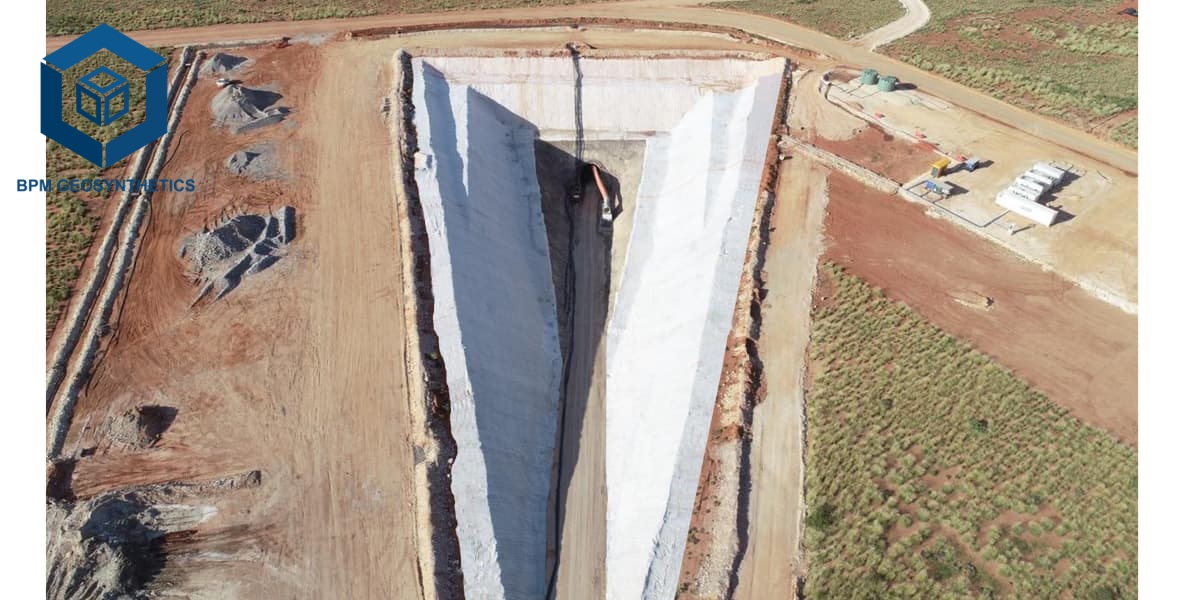
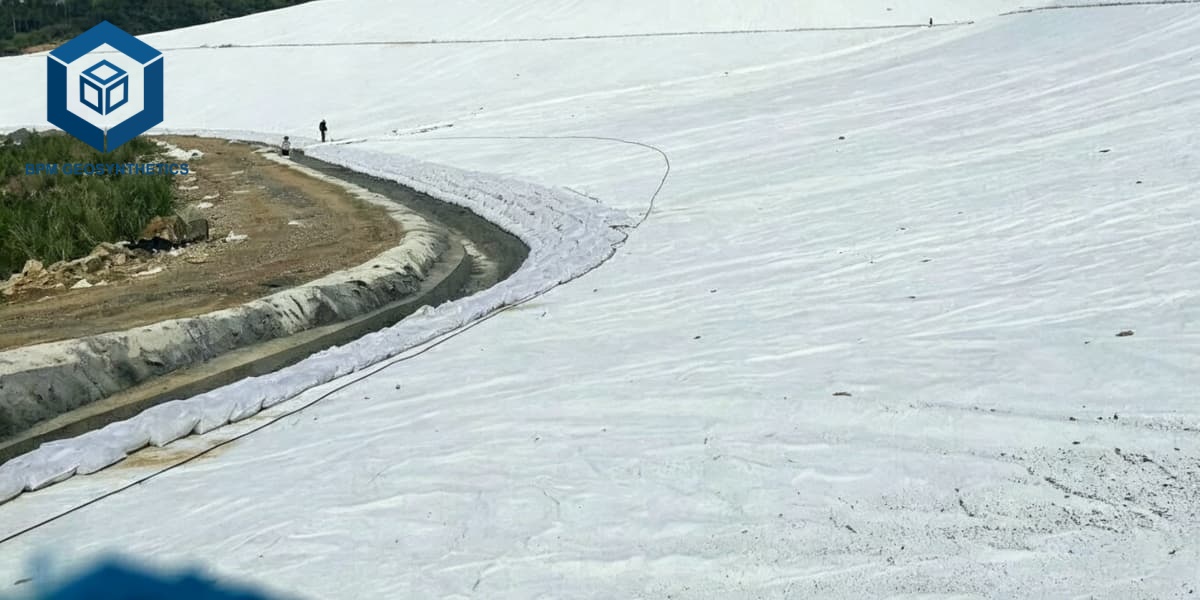
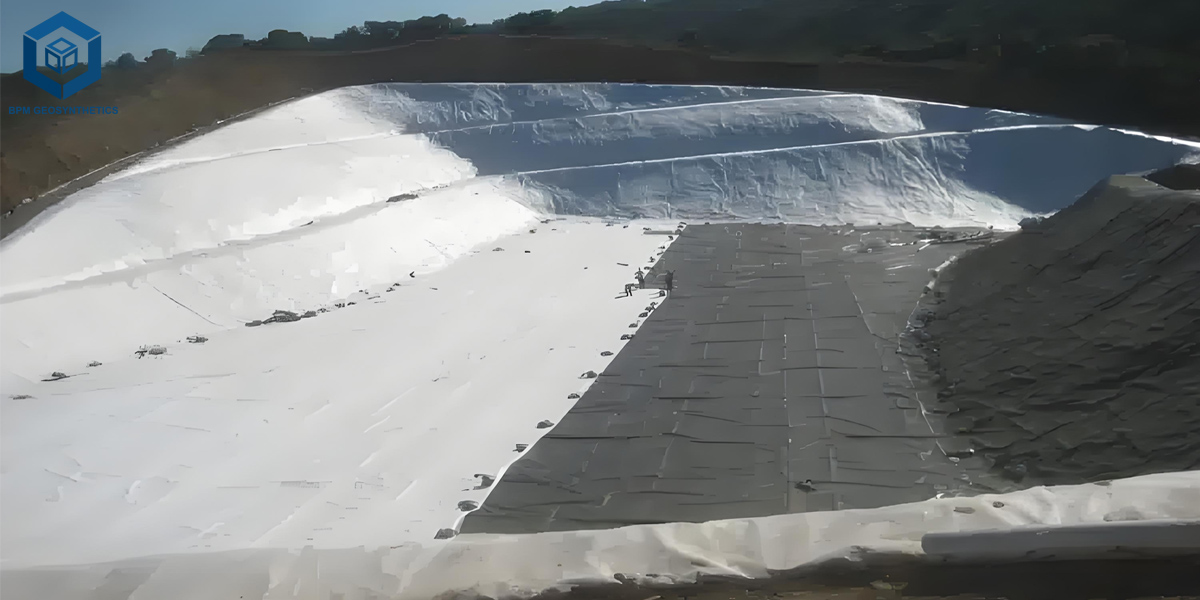
Geotech cloth (geotextiles) are irreplaceable geosynthetic materials for railway, highway, landfill, water conservancy, river restoration and ecological slope projects, delivering four core functions: soil separation, filtration, drainage and ground reinforcement. The global geotextile market will hit USD 7.1 billion by 2030 with a 6.6% annual growth rate, driven by surging infrastructure investment across Asia, Latin America, Europe and Africa.
Choosing a qualified supplier matters more than picking fabric types alone. Unstable manufacturers cause delayed deliveries, substandard tensile performance and failed construction projects. This guide selects 8 authoritative global geotech cloth suppliers covering European premium brands, North American industrial giants and reliable Chinese export manufacturers.
1. Solmax (Canada)
Solmax is the world’s largest integrated geosynthetic manufacturer, headquartered in Longueuil, Quebec, Canada, founded formally as a production factory in 1981, with over 40 years of geotech material R&D and manufacturing experience.
1.1 Core Advantages
1.1.1 World-leading R&D for customized Non Woven Geotextile Fabric, owning exclusive anti-aging fiber formula;
1.1.2 Full NTPEP, AASHTO, CE and DOT certifications, qualified for all national key bidding projects;
1.1.3 Superior tensile, puncture and chemical resistance, service life up to 70 years for buried usage;
1.1.4 Complete global engineering after-sales team for non woven geotextile fabric construction guidance.
1.2 Potential Disadvantages
1.2.1 Premium pricing for engineering-grade Non Woven Geotextile Fabric, not fit for low-budget civil projects;
1.2.2 Long production lead time for ultra-wide customized non woven geotextile fabric;
1.2.3 High minimum order quantity for special modified non woven geotextile fabric.
2. TenCate Geosynthetics
TenCate Geosynthetics (often shortened as TenCate / Tencate Geo) is a historic Dutch geosynthetic pioneer, whose geotextile technology originated from flood control research after the devastating 1953 North Sea flood in the Netherlands.
2.1 Core Advantages
2.1.1 Strong Construction Adaptability:
The roll material has good flexibility and can conform to complex terrains (steep slopes, curves, irregular tree pits), and is not prone to wrinkling or shifting during construction.
2.1.2 Environmentally Friendly and Safe:
Made of 100% polypropylene, it is non-toxic, odorless, does not pollute soil or groundwater, is recyclable, and meets European and American environmental protection requirements.
2.2 Potential Disadvantages
2.2.1 Local Ventilation and Soil Impact:
Under long-term complete coverage, the high-density structure may slow down the decomposition of soil organic matter and affect microbial activity, requiring periodic local ventilation.
2.2.2 High Construction and Maintenance Requirements:
Strict overlap (15–20cm) and high-density U-shaped nails are essential for fixation; otherwise, it is easily eroded and shifted by rainwater, leading to soil leakage.
3. DuPont
Headquarters: Wilmington, Delaware, USA; Typar® is its signature landscape/geotextile product (polypropylene spunbond, UV-resistant, permeable and breathable); used for weed control, slope protection, and separation in paved surfaces; distributed through a sales network spanning over 50 countries worldwide, with certifications suitable for large-scale landscaping projects.
3.1 Core Advantages:
3.1.1 Top-tier weed control and anti-aging performance:
Utilizing spunbond continuous filaments and thermal bonding technology, the dense fiber structure provides ≥95% light blocking, almost completely blocking weed photosynthesis.
3.1.2 Excellent water permeability, air permeability, and moisture retention balance:
Scientifically designed pore structure ensures high water permeability and air permeability without root suffocation. Water, fertilizer, and air can freely permeate, while inhibiting soil moisture evaporation and reducing irrigation frequency.
3.2 Potential Disadvantages:
3.2.1 High price:
The unit price is approximately 2–4 times that of ordinary domestic non-woven fabrics. Large-scale use is costly, making it more suitable for high-end landscaping and long-term projects.
3.2.2 Risk of localized drainage and water accumulation:
The dense structure may cause temporary surface water accumulation in areas with extreme heavy rainfall or gentle slopes, requiring drainage design or perforation optimization.
4. Fibertex Nonwovens A/S (Denmark)
Headquartered in Aalborg, Denmark, Fibertex was set up in 1968 as a Europe-focused manufacturer solely producing nonwoven geotextile fabric. It manages 9 factories throughout Europe, North America and Africa, developing environmentally friendly, high-flow geotextiles widely used in hydraulic engineering and sewage disposal projects.
4.1 Core Advantages
4.1.1 Top maker of sustainable non woven geotextile membrane, 40% products made of recycled raw materials;
4.1.2 Optimized aperture design, low clogging rate, best non woven geotextile fabric for river filtration;
4.1.3 Compliant with EU DIN environmental standards, dominant market share in EU water projects;
4.1.4 Low-carbon production process for mass non woven geo tech cloth production.
4.2 Potential Disadvantages
4.2.1 Incomplete North American NTPEP certification limits non woven geotextile fabric sales in the US;
4.2.2 Lack composite reinforced non woven geotextile fabric product lines;
4.2.3 High cost of recycled fiber non woven geotextile with weak price competitiveness.
5. Freudenberg Performance Materials
Headquartered in Weiningheim, Germany, this producer offers Enka® and Colbond branded non-woven geotextiles and landscape cloths crafted from PP and PET. The products deliver dual functions of filtration and weed control. Committed to eco-friendly raw materials and recyclable manufacturing, the group runs over thirty global production sites to supply clients in Europe, North America and Asia.
5.1 Core Advantages
5.1.1 Leading in Environmental Protection and Sustainability:
Offers 100% recycled materials and bio-based biodegradable series, complying with EU REACH and FDA food-grade standards. Non-toxic, free of heavy metals, and does not pollute soil/groundwater.
5.1.2 Balanced Performance and Long-Term Stability:
Permeable to Water and Air, with Soil Retention.Scientifically designed pore structure ensures high water permeability and air circulation without root suffocation, while effectively trapping soil particles to prevent soil erosion.
5.2 Potential Disadvantages
5.2.1 Weed Control Performance is Not a Core Advantage:
Primarily focuses on filtration, drainage, reinforcement, and ecological functions. Shading rate is approximately 85-92%, requiring the use of weed control film/mulch to achieve ideal weed control.
5.2.2 Complex Product Selection Requires Professional Selection:
With numerous series and detailed functions, non-professionals may easily select the wrong model, leading to performance mismatch or wasted costs.
6. HUESKER Group
For riverbank reinforcement, slope revegetation and landscape drainage, the brand supplies SoilTain® nonwoven and composite geotextiles. The materials excel at resisting aging and biological erosion, with successful projects spanning 60+ countries, especially dominating the European and Middle Eastern sectors.
6.1 Core Strengths
6.1.1 Excellent Filtration and Drainage Performance:
Scientifically designed pore structure with extremely high permeability (≥4000L/min/㎡) while retaining soil, perfectly resolving the contradiction between water permeability and soil retention.
6.1.2 Strong Anti-Clogging Capacity:
Suitable for slope drainage, blind ditch wrapping, and rain garden filtration; does not easily accumulate water or clog under heavy rain conditions.
6.2 Potential Disadvantages
6.2.1 Moderate Flexibility and Construction Adaptability:
The high-density, high-strength structure results in poor flexibility, making it less adaptable to complex terrain (steep slopes, curves, irregular tree pits), prone to wrinkling and displacement.
6.2.2 Extremely High Construction and Maintenance Requirements:
Strict overlap (20–30cm) + high-density U-shaped nails + edge pressing are required; otherwise, it is easily eroded and displaced by rainwater, leading to soil leakage.
7. The Best Project Material Co., Ltd.(BPM Geosynthetics, Tai'an, Shandong)
The Best Project Material Co., Ltd.(BPM Geosynthetics) is a geosynthetic materials manufacturer established in Tai'an, Shandong Province in 2010. Focusing on geomembranes and geotextiles, BPM Geosynthetics emphasizes high cost-effectiveness and localized services, demonstrating significant advantages in mid-range engineering scenarios such as aquaculture and municipal seepage prevention.
7.1 Core Advantages:
7.1.1 Comprehensive Product Matrix, Covering All Scenarios:
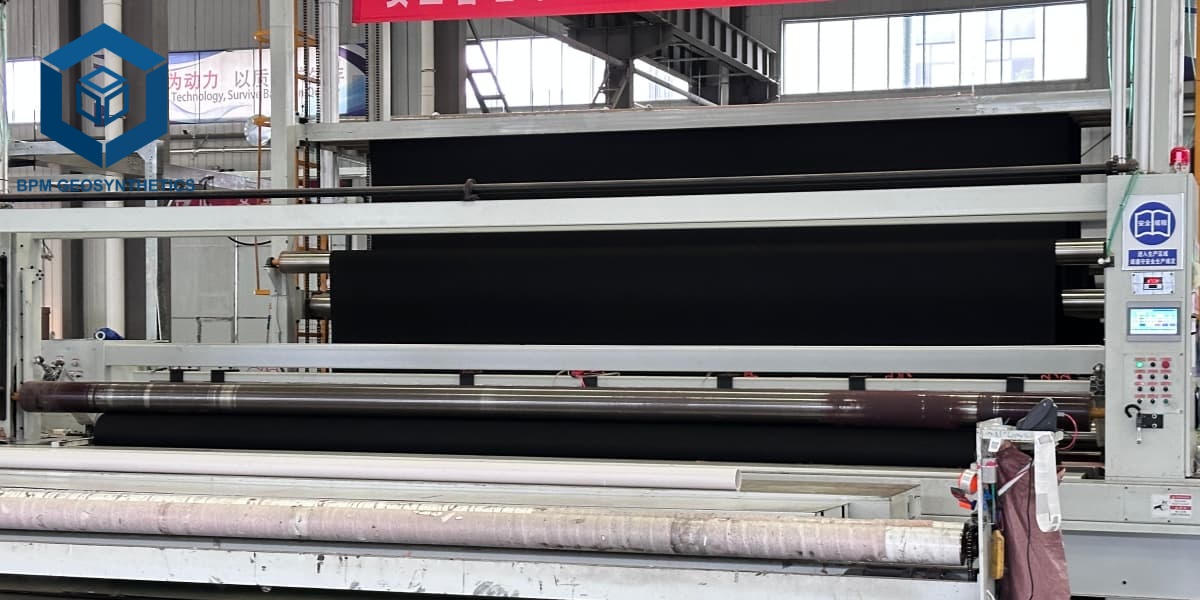
Needle-punched staple fiber/filament nonwoven fabric, weight 80–600g/㎡, tensile strength 5–40kN/m, CBR puncture resistance 0.8–7kN, meeting all functions of filtration, separation, drainage, reinforcement, and erosion protection.
Customizable in black/white/green/brown/natural colors, width 0.5–6m, roll length 50–100m, suitable for courtyards, flower beds, municipal greening, slopes, roof gardens, etc.
7.1.2 Construction-Friendly, Highly Adaptable:
Lightweight, flexible, easy to cut, lay, and fix, low labor costs.
7.1.3 Environmentally Friendly and Safe:
100% polypropylene/polyester material, non-toxic and odorless, does not pollute soil or groundwater, and is recyclable.
7.2 Potential Disadvantages:
7.2.1. Shortcomings in High-End Performance:
Its creep resistance, ultimate tensile strength, and puncture resistance are inferior to those of Hertz and TenCate filament composite products, making it less advantageous for ultra-heavy slopes and long-term high-load scenarios.
8. Shandong Geosino New Material Co., Ltd. (GEOSINCERE Geosynthetics)
Company Introduction:(Brand Name: GEOSINCERE Geosynthetics, Tai'an) is a manufacturer of a full range of geosynthetics with its own factory and self-operated export business, exporting its products to over 60 countries.
8.1 Core Advantages:
8.1.1 Construction-friendly and highly adaptable:
Resistant to acids, alkalis, microorganisms, and common garden chemicals; simple maintenance.
8.1.2 Environmentally friendly and safe, meeting domestic standards:
Free of heavy metals and harmful substances.
8.2 Potential Disadvantages:
8.2.1 Moderate weed control performance:
Primarily for filtration, drainage, and reinforcement; shading rate 80-90%. Weed control effect is weaker than DuPont Typar; unsuitable for areas with severe weed infestations. Requires the use of weed control film/mulch to achieve ideal weed control.
Summary
Choosing the right Geotech Cloth is essential for ensuring the long-term performance and reliability of civil engineering, drainage, erosion control, water conservancy, and environmental protection projects. By comparing these 8 leading geotech cloth manufacturers, you can identify the supplier that best matches your project requirements, quality standards, and budget.
The Best Project Material Co., Ltd.(BPM Geosynthetics) is committed to providing premium geotech cloth solutions, competitive factory pricing, and professional technical support for projects worldwide. Contact BPM Geosynthetics today for expert advice, free samples, and a customized quotation for your next project