The 8 Best Geomembran 200 Micron Review
When it comes to waterproofing projects like ponds, canals, decorative water features, or even landfill secondary containment, a geomembran 200 micron (often referred to as 0.2mm thickness) is a popular and cost-effective choice. It offers a solid balance between flexibility, durability, and affordability for light to medium-duty applications.
Choosing the right liner, however, can be tricky with so many options on the market. To help you make an informed decision, we’ve reviewed and compiled a list of the 8 best geomembran 200 micron, focusing on material quality, application suitability, and overall value.
1. So, What's a Geomembran 200 Micron?
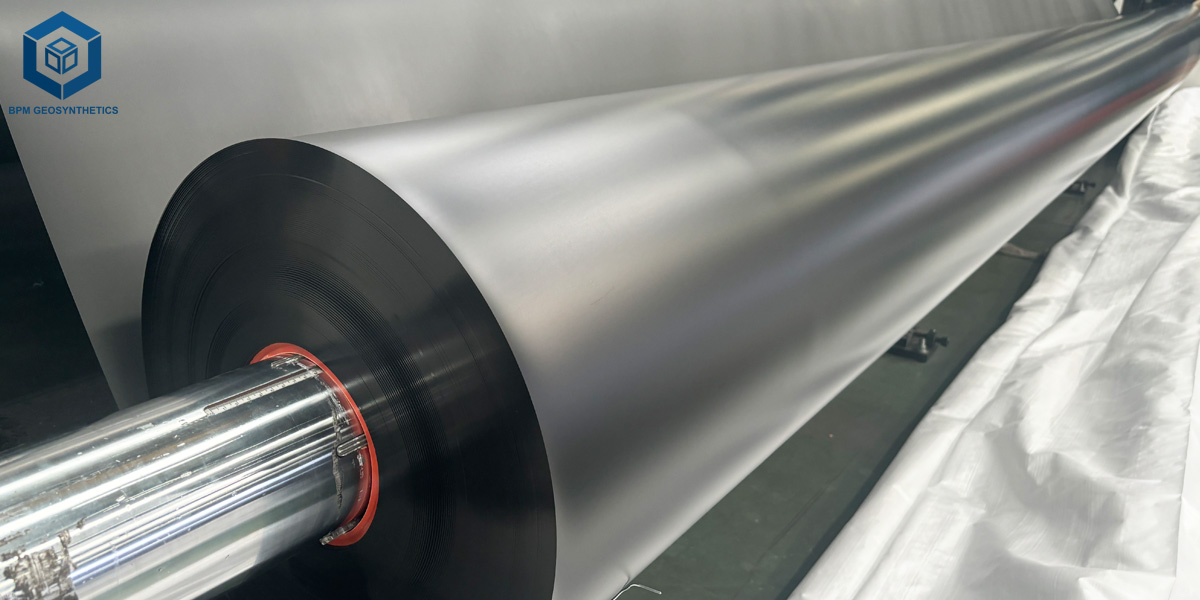
A geomembran 200 micron is a super thin, flexible sheet that's impermeable, made from special polymeric materials. The "200 micron" part refers to how thick it is - just 0.2 millimeters or about 8 mils. At this thickness, it's really lightweight and easy to put in, but it's best used for projects with smooth, stable ground and no heavy loads or sharp rocks. You'll often find it made from HDPE, LDPE, PVC, or PP.
2. Our Top 8 Picks for Geomembran 200 Micron
Let's take a closer look at our top choices, each one suited for slightly different project needs.
2.1 BPM Geosynthetics HDPE Smooth Geomembrane (200 Micron)
- Best for: Decorative ponds, water conservation, and temporary containment.
- Why we picked it: BPM Geosynthetics is a well-known manufacturer, and their 200-micron HDPE offers great chemical resistance and UV stability, even at a thinner thickness. It's a great no-frills option for basic waterproofing where it'll be out in the sun.
- Key feature: Made from high-quality, virgin high-density polyethylene resin for consistent performance.
2.2 Layfield LDPE Geomembrane (0.2mm)
- Best for: Lagoon liners, agricultural projects, and nurseries.
- Why we picked it: LDPE geomembrane is more flexible and adaptable than HDPE. Layfield's version is perfect for lining uneven surfaces where it might need to stretch or move. It also resists a range of agricultural chemicals well.
- Key feature: Super flexible and resistant to stress cracks.
2.3 Reef Industries PVC Pond Liner (8 Mil)
- Best for: Garden ponds, koi ponds, and decorative water features.
- Why we picked it: PVC geomembrane liners are incredibly flexible and easy to work with. Reef Industries offers a user-friendly option specifically for ponds, available in different widths. Its elasticity makes it forgiving on less-than-perfect ground.
- Key feature: Excellent flexibility and easy to fabricate in the field.
2.4 GSE Textured HDPE Liner (200 Micron)
- Best for: Sloped landscapes and projects that need extra grip.
- Why we picked it: Most 200-micron geo membran liners are smooth, but GSE offers a textured version. This texture gives it a better grip between the textured liner and the soil or geotextile, reducing the risk of slippage on slopes - a rare find at this thickness.
- Key feature: Textured surface for improved stability on slopes.
2.5 Poly-America PolyFlex LDPE Geomembrane
- Best for: Canal lining and erosion control projects.
- Why we picked it: Poly-America is a big name in the plastic film industry. Their PolyFlex line is a dependable, commercially available LDPE film that's tough for its thickness and widely used in agriculture and civil projects.
- Key feature: High puncture resistance for its gauge.
2.6 COVERTECH Reinforced Polypropylene (RPP) 0.2mm
- Best for: Temporary covers and secondary containment.
- Why we picked it: Reinforced Polypropylene has a special scrim for added strength. COVERTECH's RPP is lightweight yet strong, making it perfect for covers or applications where the liner might be pulled during installation.
- Key feature: The reinforced scrim provides stability and keeps its shape.
2.7 Naue Secugrid® Composite (Geotextile/Geomembrane)
- Best For:Protecting the geo membranes from puncture, drainage applications.
- Why We Picked It: This is a composite product where a 200-micron geomembrane is laminated to a protective non-woven geotextile. The geotextile cushions the liner from sharp objects and can also facilitate drainage. Naue’s quality makes it a top pick for more demanding sub-conditions.
- Key Feature: Built-in puncture protection and drainage layer.
2.8 AGRU Liner (200 Micron)
- Best For: Industrial and municipal projects requiring a trusted brand name.
- Why We Picked It: AGRU is synonymous with high-end engineering hdpe geomembrane. While they typically specialize in much thicker liners, their expertise extends to precise manufacturing of thinner films for specific client needs, ensuring top-tier material consistency.
- Key Feature:Engineering-grade precision and quality control.
3. Buyer’s Guide: How to Choose a Geomembran 200 Micron?
Selecting the right liner involves more than just thickness. Consider the following key factors before making your decision:
3.1 Material Type
Different materials offer different performance characteristics:
3.1.1 HDPE
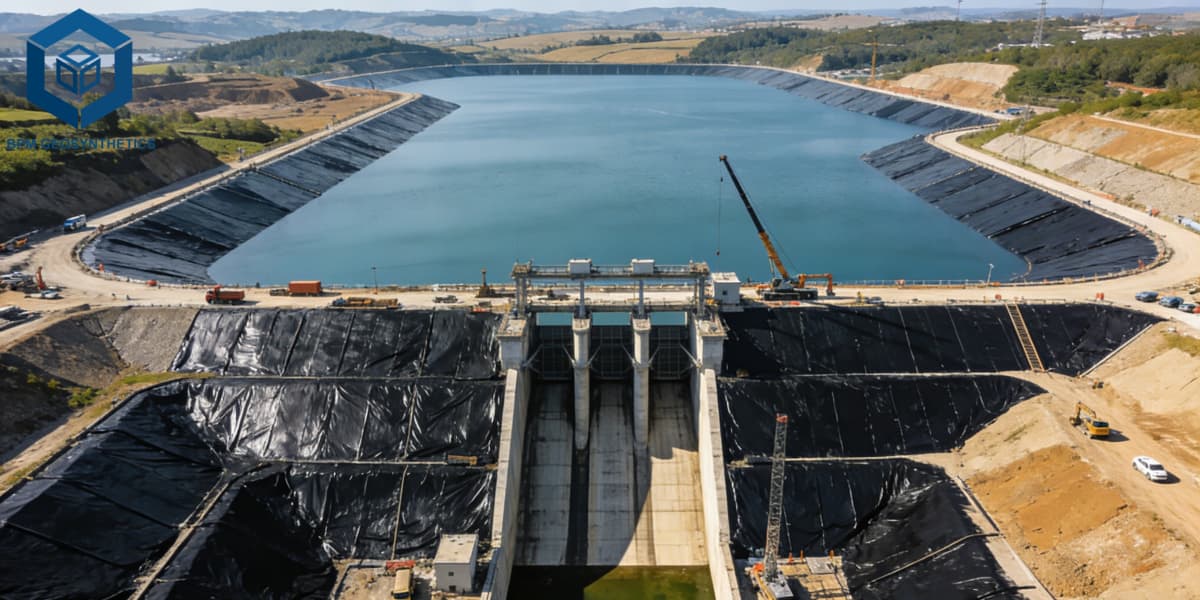
Offers excellent chemical resistance and strong UV stability. HDPE membrane is relatively stiff and durable, making it ideal for exposed environments, landfills, reservoirs, and industrial containment projects.
3.1.2 LDPE
More flexible than HDPE and easier to adapt to uneven surfaces. Suitable for applications requiring better conformability, such as irrigation ponds and landscaping projects.
3.1.3 PVC
Extremely flexible and easy to seam using adhesives. PVC geomembrane is ideal for complex pond shapes, decorative water features, and small-scale water containment systems.
3.1.4 PP/RPP
Provides good chemical resistance and mechanical strength. Reinforced PP (RPP) offers higher tensile strength, making it suitable for demanding industrial and chemical applications.
Choosing the right material helps ensure long-term durability and performance.
3.2 Project Application
Always consider the actual working environment of your project:
Is the geomembrane used for a calm garden pond, a chemical storage facility, a wastewater lagoon, or a sloped canal?
Each application has different requirements in terms of strength, flexibility, and chemical resistance.
Matching the hdpe geomembrana’s properties to the site’s physical, mechanical, and chemical demands is essential for long-term reliability.
3.3 UV Resistance
If the high density polyethylene geomembrane will be exposed to sunlight for extended periods, UV resistance becomes critical.
High-quality geomembrana in hdpe usually contain carbon black or UV stabilizers to slow down aging and prevent cracking, fading, and embrittlement.
For outdoor or uncovered installations, selecting UV-stabilized materials can significantly extend service life.
3.4 Puncture Resistance
Evaluate the condition of your subgrade before installation.
If the foundation soil contains sharp stones, gravel, or uneven surfaces, the risk of puncture increases. In such cases, consider:
- Using a protective geotextile layer
- Choosing a composite liner system
- Selecting a thicker geomembrane
Although thicker geomembrane liner may cost more initially, they can reduce maintenance and repair expenses over time.
3.5 Seaming Method
Different materials require different joining techniques:
3.5.1 HDPE / LDPE: Typically joined using thermal welding, which creates strong and durable seams but requires professional equipment and skilled operators.
3.5.2 PVC: Can be bonded using chemical adhesives, making installation easier for small or irregular projects.
3.5.3 Before selecting a liner, consider your installation skills, available equipment, and project scale to ensure proper seam quality and leak prevention.
4. Important Installation Tips for Thin Geomembran 200 Micron
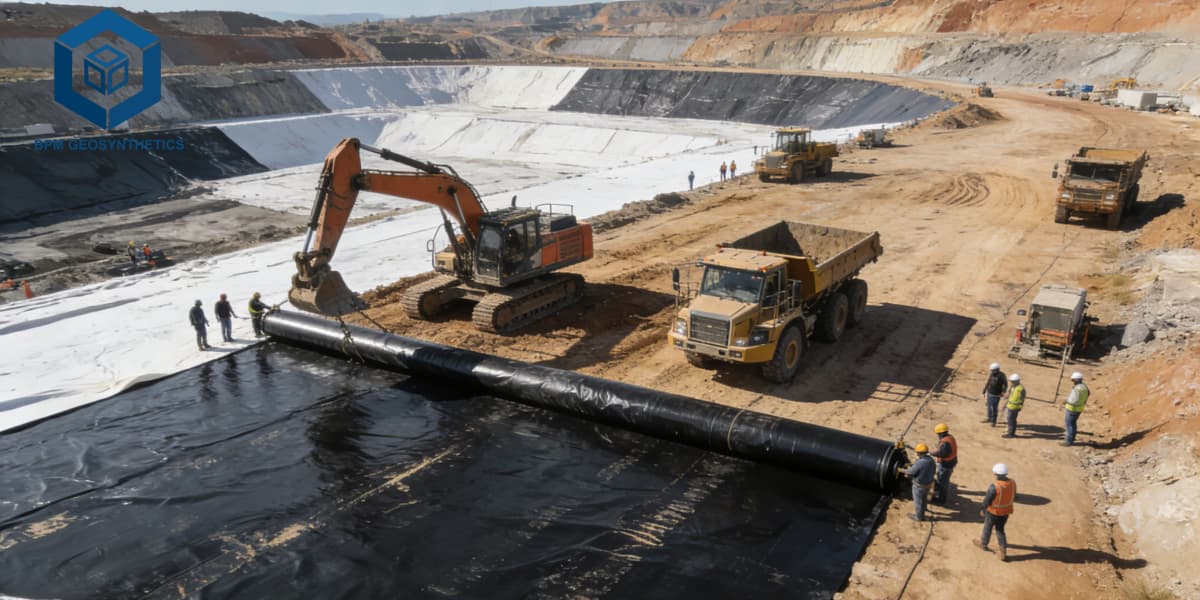
Due to its relatively thin thickness, a 200 micron geomembrane requires careful handling and proper installation techniques to ensure long-term performance. The following tips will help minimize damage and improve service life.
4.1 Subgrade Preparation Is Critical
Proper subgrade preparation is the foundation of successful geomembrane installation.
The base surface must be smooth, well-compacted, and completely free of sharp stones, roots, construction debris, and other protruding objects. Any uneven area may create localized stress points that can lead to punctures or tears over time.
Before laying the liner, conduct a thorough inspection and make necessary corrections to ensure a stable and uniform foundation.
4.2 Use a Protective Layer
Installing a protective cushion layer under the geomembrane can significantly reduce the risk of mechanical damage.
A layer of fine sand or non woven geotextile fabric helps distribute pressure evenly and prevents sharp objects from directly contacting the liner. This is especially important in rocky soils or reclaimed land.
For high-risk environments, combining both sand bedding and geotextile protection can further enhance durability.
4.3 Avoid Over-Stressing During Installation
Thin hdpe geo membrane is more vulnerable to mechanical stress during handling.
Avoid dragging the liner across rough surfaces, as this may cause scratches, abrasions, or micro-tears. Instead, carefully unroll and position the material into place.
During installation, ensure that the liner is laid flat without excessive stretching, folding, or tension, which could weaken the material over time.
4.4 Ensure Professional Seaming Quality
Seams are the most critical parts of any geomembrane system.
For important containment or environmental protection projects, seams should be welded by trained and certified technicians using appropriate equipment. Proper seaming ensures strong bonding, watertight performance, and long-term reliability.
After welding, seam testing methods such as vacuum testing or air pressure testing should be applied to verify seam integrity.
Conclusion
A geomembran 200 micron is a versatile and economical solution for many containment and waterproofing challenges. For general garden ponds, the Reef Industries PVC liner is a fantastic, user-friendly choice. For more demanding or exposed applications like agricultural lagoons, BPM Geosynthetics HDPE or Layfield LDPE offer superior durability. If your project involves slopes or a rough subgrade, seeking a textured liner or a composite product like the Naue Secugrid is a wise investment.
Always remember that the success of your project hinges on choosing the right material and preparing a proper installation base. When in doubt, consult with a The Best Project Material Co., Ltd.(BPM Geosynthetics)geomembrane supplier to ensure your liner performs for years to come.