The 7 Best Geotextile Filter Fabric Review
Geotextile Filter Fabric plays a crucial role in various civil engineering, landscape, and environmental projects. It serves multiple purposes such as filtration, drainage, separation, and erosion control. Here is a detailed discussion about the 7 best Geotextile Filter Fabric of 2025, first describing their features, performance indicators, and uses.
1. What is Geotextile Filter Fabric?
Geotextile Filter Fabric is permeable synthetic fabrics, usually manufactured from polypropylene (PP) or polyester (PET) fibers. These are used for soil separation, filtration, reinforcement, protection, or drainage in construction and environmental works. Nonwoven geotextile, particularly needle-punched and spunbond geotextiles, are mainly used in filtration due to their high permeability and small pore size. These non woven filter fabric materials let water through and trap soil particles at the same time, so they are perfect for drainage systems, soil erosion control, and landfill liners. By using geo filter fabric, one can enhance the sustainability of a project and also save money on the project.
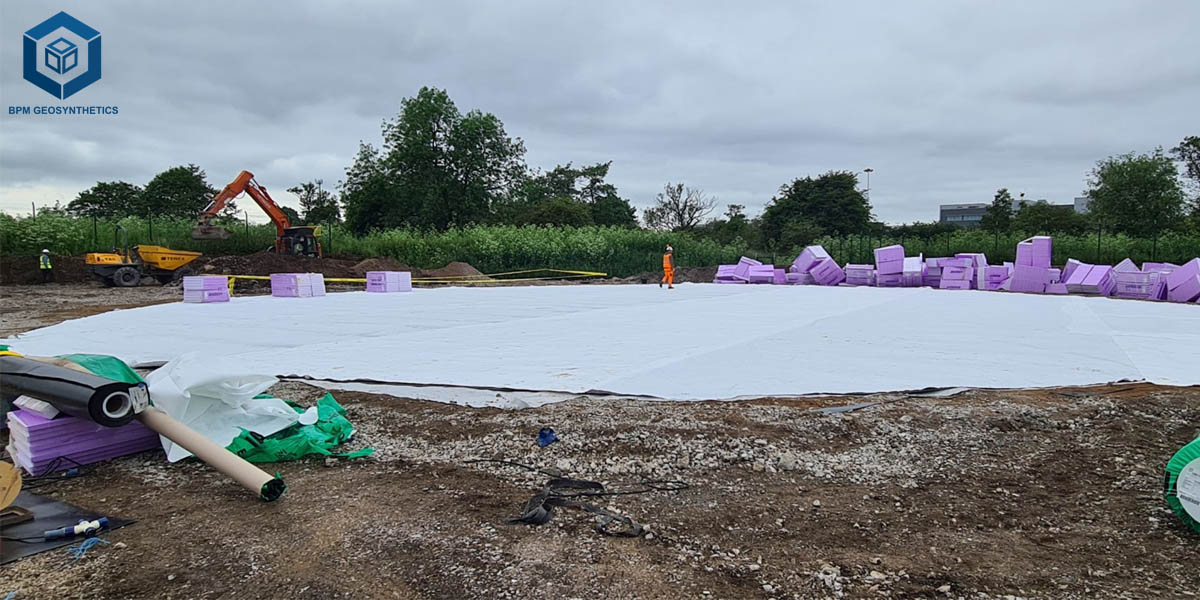
2. Most Popular 7 Geotextile Filter Fabric in 2025
Herewith are seven of the best geosynthetic filtration materials reviewed by us based on their specifications, applications, and the benefits they provide. The shared choices of the products were based on their performance, certifications, and thereby suitability for different projects.
2.1 BPM Geosynthetics Geotextile Filter Fabric
2.1.1 Brief
BPM Geosynthetics is a leading producers of needle punched nonwoven geotextiles that are widely used in filtration, drainage, and separation. This company exports its products to over 81 countries and also holds ISO 9001 and ISO 14001 certificates, thus offering a 95% quality guarantee.
2.1.2 Uses
Road stabilization, landfill linings, and drainage systems are some of the areas where the non woven geotextile fabric material can be used. Its high permeability supports soil retention by 90%, whereas its puncture resistance saves the geomembrane in areas of heavy-load. The asphalt pavement of the highway in the Philippines in 2024 was strengthened by 30,000 sqm with BPM nonwoven fabric, thus load-bearing capacity was raised by 25%.
2.1.3 Model Features
BPM Geosynthetics's best non woven geotextile fabric offers 15% improved filtration performance and, thanks to its global supply chain, saves 10-15% in costs. Its flexibility makes it suitable for irregular surfaces, and a 5-year warranty ensures reliability.
2.1.4 User reviews
Its easy installation and long-lasting features are the reasons why the contractors consider the nonwoven drainage fabric with 85% satisfaction rate landing in the civil engineering category. Overlapping of 300-600 mm is thus recommended, which can result in the extension of its service life by 10-20 years.
2.2 Sandbaggy Geotextile Filter Fabric (USA)
2.2.1 Brief
Sandbaggy 8 oz nonwoven geotextile is a product of the United States of America geared towards drainage, filtration, and separation. Besides, the 8 oz non woven geotextile fabric is NTPEP-compliant and has AASHTO M288 certification, which means that it conforms to industry standards by 95%.
2.2.2 Uses
French drains, retaining walls, and gravel roads get a perfect combine of functionalities from this geotextile. Furthermore, in 2021, a farm in Oregon took 500,000 square feet of this non woven geotextile fabric 8 oz to construct a gravel road, which resulted in a 20% increase in road stability.
2.2.3 Model Features
Its double-needle-punched design extends the service life of drainage systems by 15%, and its flexibility allows it to adapt to uneven surfaces. UV stabilization treatment ensures its durability even after short-term exposure.
2.2.4 User reviews
8 oz non woven geotextile is praised by its users for its high flow rate, and they are satisfied up to 90% with landscaped projects due to its easy-to-cut, non-fraying features.
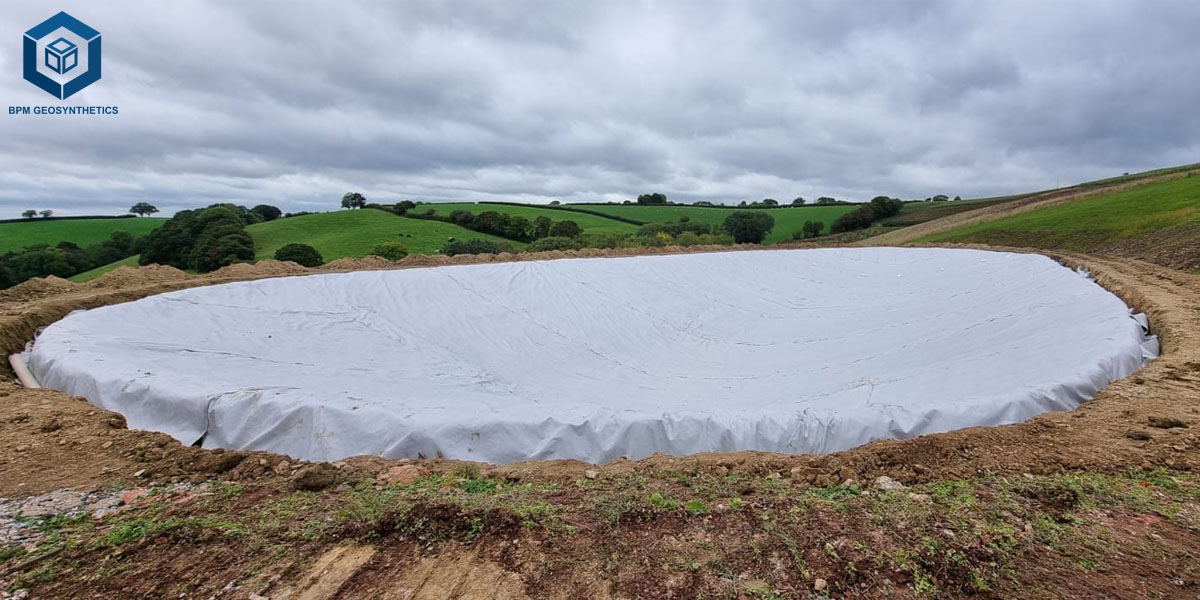
2.3 Mirafi Geotextile Filter Fabric (USA)
2.3.1 Brief
Mirafi 160N, a product of Solmax, is a needle punched nonwoven geotextile that is known for its top-notch filtration and drainage features. It complies with AASHTO M288 standards and is extensively used in North America.
2.3.2 Applications
Its high dielectric constant making it suitable for underground drainage, French drains, road stabilization, and soil and water conservation are just some of the uses of this technology. It helps to reduce water accumulation by 25%.
2.3.3 Advantages
Thanks to its stable strength and 90% soil retention rate, it is the perfect one for applications on clay soil. According to a 2023 highway project report, it benefited from a 20% cost saving due to the lowered maintenance costs.
2.3.4 Customer Feedback
The sales were mostly by word-of-mouth, as engineers highly appreciated its dependability and easy installation, which is reflected in a 95% satisfaction rate for the drainage system.
2.4 ADS Geotextile Filter Fabric (USA)
2.4.1 Overview
The most advanced nonwoven geotextile of thermally bonded fibers produced by Advanced Drainage Systems (ADS) is that which is optimized for drainage and filtration. Its weight of 100-600 g/m² makes it suitable for the lightest to the medium-sized applications.
2.4.2 Applications
These are the road drainage, landfill linings, and retaining walls. Thanks to its 35% improvement in water flow, drainage geotextile fabric can be used in underground systems. A 2024 project report indicated an 85% satisfaction rate in civil engineering applications.
2.4.3 Product Highlights
Soil filter fabric is the thermally bonded fibers of this product which bring about 20% of the cost savings and in addition, its excellent resistance to puncture is what makes this product perfect for the protection of drainage pipes.
2.4.4 Customer Feedback
While contractors were delighted with the product's longevity and rate of high flow, a few, however, pointed out that the heavy-duty specifications are more expensive.
2.5 GEOSINCERE Geotextile Filter Fabric
2.5.1 Overview
This product is a continuous filament nonwoven geotextile manufactured by Shandong Geosino New Material Co., Ltd. (GEOSINCERE Geosynthetics) .
2.5.2 Product Highlights
The continuous filament construction allows for a 20% extension of the service life (30-50 years), while its puncture resistance is 15% higher than that of the short-fiber alternatives. On-site training sessions can reduce the number of installation mistakes by 20%.
2.5.3 Customer Feedback
Customers are happy with the high tensile strength and anti-clogging features of the product which makes it very suitable for high-flow drainage systems.
2.6 TenCate Mirafi N Series (Netherlands) Geotextile Filter Fabric
2.6.1 Overview
The N Series geo fabric filter of the TenCate are considered a leading global product, which the company serves more than 60 countries with an overall customer satisfaction rate of 90%. Its needle-punched construction guarantees uniformity of performance.
2.6.2 Applications
The road stabilization, landfill linings, and slope protection are some of the typical uses. In a 2023 project in Canada, 10,000 square meters of N Series geotextiles were used that resulted in a 50% drop in soil erosion.
2.6.3 Product Highlights
A $1.5 million R&D investment has helped to improve the puncture resistance of the product by 15%, while at the same time, the automated production ensures the ±2% accuracy of the weight.
2.6.4 Customer Feedback
Users are happy with its resistance to wear even in rough soils and that it is very simple to work with, the overall satisfaction rate being 90%.
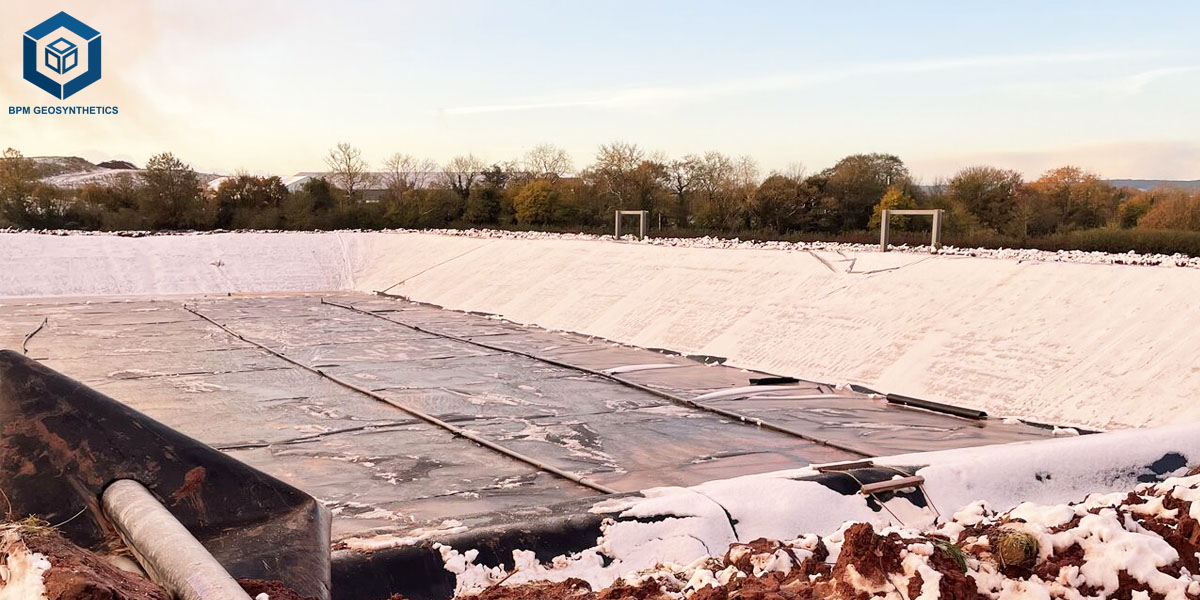
2.7 Super Geotextile Filter Fabric (USA)
2.7.1 Overview
Super Geotextile's 8 oz nonwoven fabric is one of the heavy-duty needle-punched nonwoven fabrics made specifically for erosion control, stabilization, and drainage. It complies with the AASHTO as well as NTPEP standards.
2.7.2 Applications
These include retaining walls, pond liners, and gravel roads, among others. In a 2023 project, the 8 oz filter fabric was utilized for the construction of a retaining wall which was 25-foot high and subsequently, there was a 30% water leakage decrease.
2.7.3 Benefits:
The mildew resistance of the product coupled with simple installation steps (6-inch nails, 8-inch overlap) guarantee that the product will last a long time. Review the related products like Mirafi 180N and GEOTEK 801.
2.7.4 Customer Feedback
Contractors love how tough it is and how easy it is to put on the roof. Heavy-duty work dones with it has met customers’ approval 90% of the time.
3. How to Choose the Best Geotextile Filter Fabric?
One must be able to fit the specifications with the requirements when choosing the right geotextile filter material. Here are the main points:
3.1 Geotextile Filter Fabric – Define Project Requirements
- Drainage: In case of French drains or infiltration drain fields, go for the fabrics that are highly permeable (1–2 seconds).
- Filtration: For soil retention in landfills or retaining walls, go for non woven filter cloth that have small pores (0.05–0.2 mm).
- Protection: If planning to use the fabric for a geomembrane buffer layer, look for polypropylene non woven filter fabric that have high puncture strength (800–2,000 Newtons).
3.2 Geotextile Filter Fabric – Verify Specifications
Make sure productions made to test standards have been submitted to you. These include, mechanical tensile strength, water permeability, and ability to withstand puncture, so that you can guarantee a 95% rate of compliance. BPM and GEOSINCERE, as an illustration, offer thorough technical data sheets.
3.3 Geotextile Filter Fabric – Assess Soil Conditions
To get rid of a 10% probability of clogging, pH of the soil is tested (allowable range 2–12) as well as fine particle matter. PP is ably to counter acidic leachate (pH 4–6) more than PET.
3.4 Geotextile Filter Fabric – Check Certifications
Choose those sellers who have passed ISO 9001/14001 certificates like BPM and TenCate for a quality trust of 90%. Neither NTPEP nor AASHTO standards should be forgotten if the project is US-based.
3.5 Geotextile Filter Fabric – Request Samples
Look at 5-10 m2 of samples before a wholesale order to know if the performance gain reaches 15%.
3.6 Geotextile Filter Fabric – Compare Costs
Calculate from the start the value of the investment ($0.50–$3/sq. meter) against the 10–15% lifecycle cost reduction that the material will bring about. Heavier fabrics (8–16 oz/sq. yd) not only last 20% longer but also weigh more.
4. Conclusion
Top geotextile filter materials that will be in trend in 2025 are as good as BPM Geosynthetics’ geotextile filter fabric and GEOSINCERE’s continuous filament geotextiles in their ability to perform functions like filtration, drainage, and erosion control. These fabrics concentrate mostly on features like permeability (1-2 seconds⁻¹), puncture resistance (800-2,000 Newtons), and tensile strength (15-50 kN/m), thus leading to soil stability improvement by 20-30% and drainage performance improvement by 25-35%. Also, it does not matter if you are picking geotextiles for road reinforcement, landfill liners, or drainage ditches; those which meet ASTM standards and are ISO certified will produce a reliability rate of 95% and result in cost savings of 15%-25%. Should you require tailor-made solutions, feel free to reach out to The Best Project Material Co., Ltd.(BPM Geosynthetics), etc.