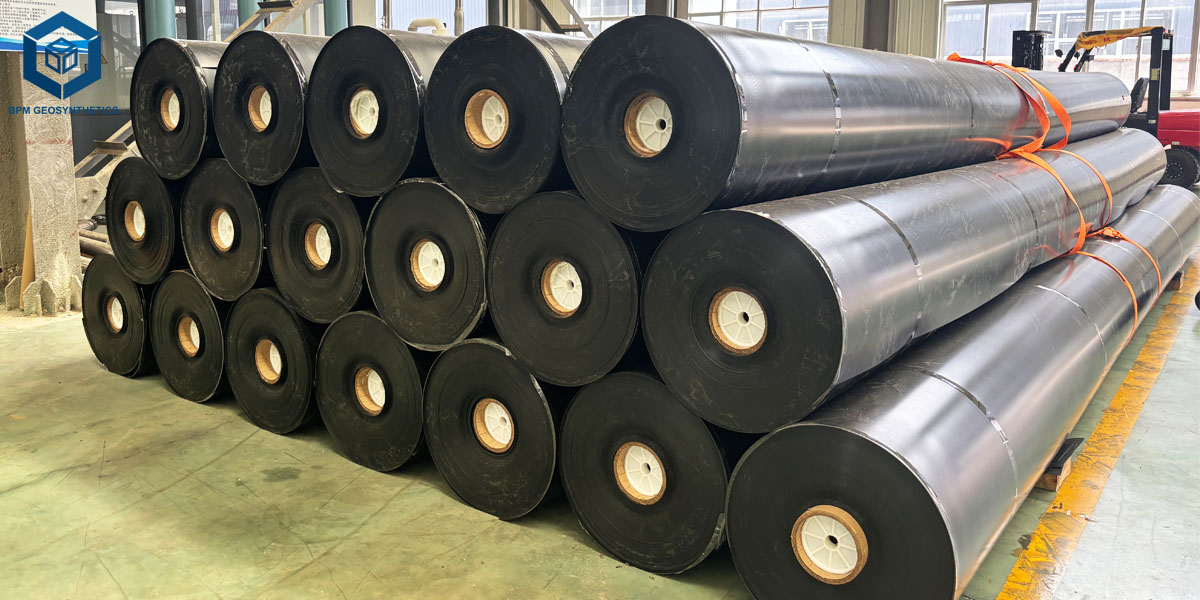
How Much is Harga Geomembrane HDPE 1 mm?
When planning a project that requires waterproofing—whether it's for a large agricultural pond, a mining operation, or a waste containment facility—one of the first questions asked is, "How much does it cost?" Specifically, for those in Southeast Asian markets like Indonesia, Malaysia, and the Philippines, the search often begins with "How Much is Harga Geomembrane HDPE 1 mm?" (where "harga" means "price" in Indonesian).
The price of 1 mm HDPE geomembrane is not a fixed number; it fluctuates based on raw material costs, manufacturing technology, order volume, and logistics. As of early 2026, the global market price for 1 mm HDPE geomembrane typically ranges from $1.20 to $4.00 per square meter, depending on the quality and specifications.
1. What is Geomembrane HDPE 1 mm?
1 mm HDPE (High-Density Polyethylene) geomembrane is a thermoplastic sheet used as an impermeable barrier. It is the industry standard for medium-duty applications, offering a perfect balance between flexibility and strength. It is thick enough to withstand significant mechanical stress but remains flexible enough for easy installation on moderately complex terrain.
Geo membranes is manufactured using virgin HDPE resin, carbon black for UV protection, and antioxidants to ensure a long service life, often exceeding 50 years when properly installed.
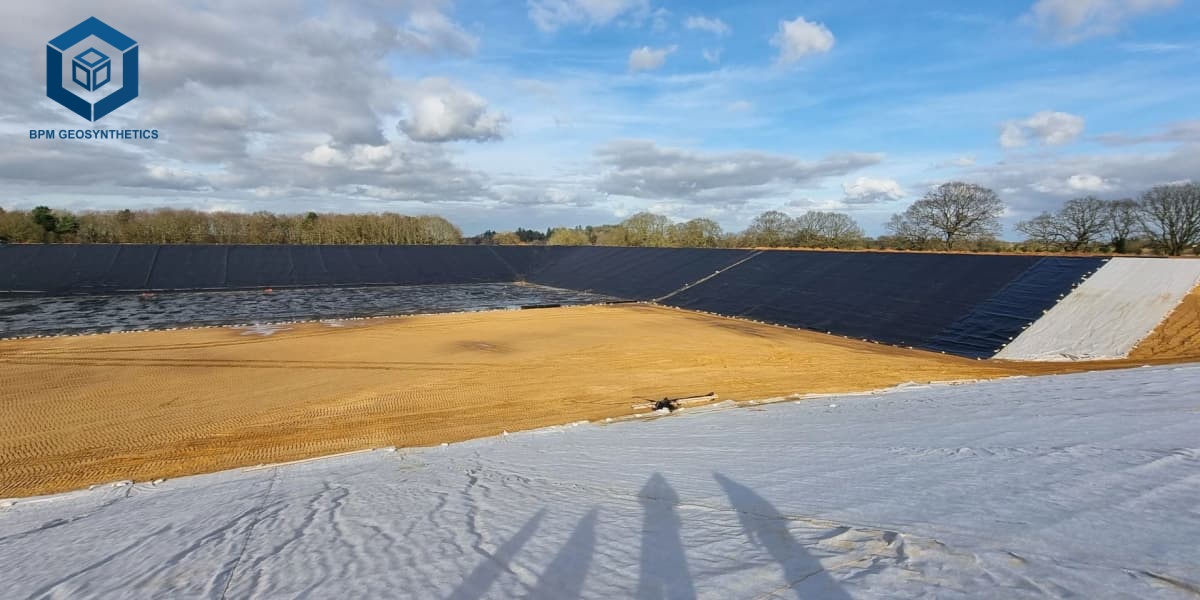
2. Breaking Down the Harga Geomembrane HDPE 1 mm
To understand the "harga" or price, one must look at the components that make up the final quote.
2.1 Raw Material Costs (HDPE Resin)
The primary driver of geomembrane pricing is the cost of HDPE resin, a derivative of the petroleum market. Resin accounts for roughly 60-70% of the total production cost . When global oil prices fluctuate, geomembrane prices follow. In recent quarters, volatility in energy markets has caused suppliers to adjust quotes frequently, making it essential to ask for current pricing rather than relying on outdated list prices.
2.2 Thickness and Tolerance
While we are focusing on 1 mm, the manufacturing tolerance is crucial. High-quality sheets adhere to the ASTM D5994 standard, which allows for a thickness tolerance of ±15% . A lower-quality sheet might be thinner in spots to save on resin costs, which compromises the integrity of your project. A genuine 1 mm sheet from a reputable manufacturer will consistently meet these specifications .
2.3 Surface Finish: Smooth vs. Textured
2.3.1 Smooth 1 mm Geomembrane
This is the most common and cost-effective option. It is ideal for canal linings, reservoir bottoms, and capping applications where friction with other layers isn't the primary concern .
2.3.2 Textured 1 mm Geomembrane
If you are lining HDPE a steep slope, a textured (or rough) surface is required to increase the friction angle and prevent the liner from sliding. The texturing process adds 10-20% to the base price of the sheet.
2.4 Order Volume and Supply Chain
Pricing is highly scalable.
2.4.1 Small Projects (Under 5,000 m²)
You will likely pay retail rates, often through local distributors who add a markup for warehousing and smaller logistics.
2.4.2 Bulk Orders (20,000 m²+)
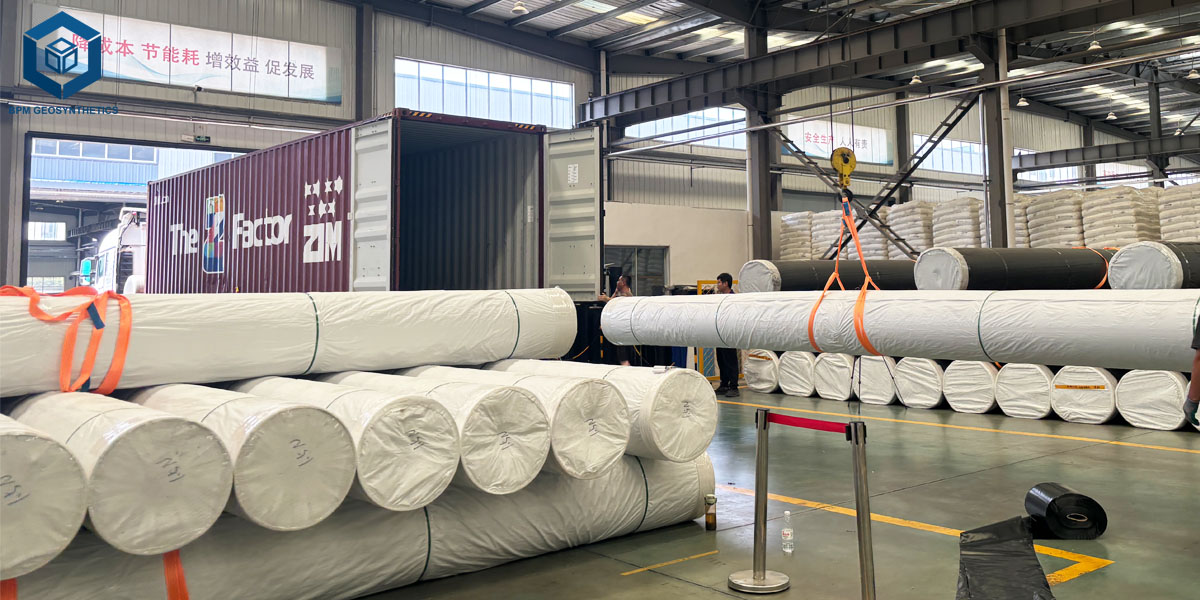
Buying directly from a manufacturer like BPM Geosynthetics or similar large-scale producers can reduce costs by 15-30% . Bulk orders also allow for better negotiation on Incoterms, whether FOB (Free on Board) or CIF (Cost, Insurance, Freight).
3. Geomembrane HDPE 1 mm Technical Specifications: What Your Money Should Buy
When evaluating the price, you must ensure the product meets specific mechanical and physical properties. A cheap liner that fails in five years is far more expensive than a quality liner that lasts fifty. Here are the standard specifications for a quality 1 mm HDPE geomembrane based on ASTM and GRI-GM13 standards:
Property | Typical Value for 1 mm | Test Method |
Density | ≥ 0.940 g/cm³ | ASTM D1505 |
Tensile Strength (yield) | ≥ 22 kN/m | ASTM D638 |
Elongation at Break | ≥ 700% | ASTM D638 |
Tear Resistance | ≥ 125 N | ASTM D1004 |
Puncture Resistance | ≥ 320 N | ASTM D4833 |
Carbon Black Content | 2.0% - 3.0% | ASTM D1603 |
Oxidation Induction Time | ≥ 100 min | ASTM D3895 |
3.1 Asian Manufacturing (China, India)
This remains the most cost-effective region. Chinese manufacturers, in particular, offer competitive rates for 1 mm sheets, typically ranging from $2.50 to $3.20 per square meter FOB. They benefit from integrated supply chains and high-volume production .
3.2 North America & Europe
Locally manufactured sheets in the USA or EU are generally priced higher, ranging from $3.80 to $5.20 per square meter . This increase covers stricter environmental compliance, higher labor costs, and shorter supply chains. However, for critical infrastructure projects, these are often preferred due to rigorous third-party certifications (like GRI-GM13).
3.3 Middle East & Africa
Prices here often include significant freight and handling costs, placing them in the mid-to-high range, though local stockists in countries like South Africa may offer competitive rates for bulk standard-grade material .
4. Applications Driving Demand for Geomembrane HDPE 1 mm
Geomembranes of 1 mm thickness are highly regarded as the “sweet spot” allowing for wide application across industries due to the perfect balance between flexibility, durability, cost-efficiency, and performance. This versatility leads to a strong global demand and differentiated prices according to the type of application, the environment, and the complexity of installation.
4.1 Agriculture & Aquaculture
1 mm geomembranes are the most widely used thickness in agriculture and aquaculture for conservation and containment of water.
- Irrigation Canals: Increase the efficiency of water use by eliminating water loss through seepage.
- Fish & Shrimp Ponds: Creating a stable and healthy environment for the aquatic species to grow and be safe.
- Reservoir Linings: Ability to keep water stored for extended time without losing it, crucial in dry and semi-dry areas.
- Benefits: Saving water, cutting down on maintenance, protecting soil and water quality, etc.
4.2 Waste Management
1 mm geomembranes are a powerful tool for environmental safeguarding in waste management.
- Landfill Liners: Functioning as a barrier, they stop toxic landfill leachate from reaching the soil and groundwater.
- Wastewater Treatment Lagoons: Contain industrial and municipal wastewater in a safe manner.
- Secondary Containment Systems: Present in chemical storage to prevent leakage.
- Benefits: Excellent impermeability, resistance to chemicals, adherence to environmental laws and regulations, and extended lifespan.
4.3 Mining Industry
Mining activities require the use of materials with the ability to resist combined effects of chemicals and mechanical wear, through which 1 mm geomembranes turn out to be a dependable choice.
- Heap Leach Pads: Allow the isolation of chemical solutions in the process of metal extraction to protect the surrounding soil.
- Tailings Storage Facilities: Ensures recycling mining waste and preventing leakages to the environment.
- Process Water Ponds: Plays a major role for maintaining the quality of water used for mining processes.
- Benefits: Good chemical resistance, capable of withstanding tension, long-lasting even under UV exposure, and resistance to puncture.
4.4 Civil Engineering
Geomembranes of 1 mm thickness provide protection and stabilization to the infrastructure embedded in civil works.
- Road Construction: Suppresses moisture to a different extent that the moisture barrier improves the stability and life of the road.
- Tunnel Waterproofing: No water entry to the tunnel through this method helps to keep the tunnel sound structurally and maintenance is reduced.
- Foundation Protection: Moisture control and damage prevention through usage of these membranes under buildings.
- Benefits: Improving the ability of the structure to last, saving on the costs for repair, and bettering the performances in the longer term.
5. How to Choose the Right Geomembrane HDPE 1 mm Supplier?
Buying from the right supplier for 1 mm HDPE geomembrane is a critical step to guarantee the quality of the material, the safety of your project, and the enduring functionality of the product. It is advisable to ponder the below crucial points before finalizing your supplier:
5.1 The Use of Virgin HDPE Only
The supplier you trust should be engaged with manufacturing geomembrane from 100% virgin HDPE resin instead of incorporating recycled materials. Virgin resin gives better tensile strength, chemical resistance, and UV stability, thus a longer service life is anticipated. On the other hand, recycled materials may cause quality fluctuations and a higher possibility of failure with time.
5.2 Supplier’s Track Record of Large-Scale Projects
A well-experienced supplier would be better at understanding and fulfilling the needs of complex engineering works. Therefore, identify those who have a portfolio of successful geomembrane installation tasks for landfills, mining, aquaculture, and infrastructure projects. A solid track record is a good signal for production capability, quality control, and dependability.
5.3 Technical Assistance and Installation Guidance
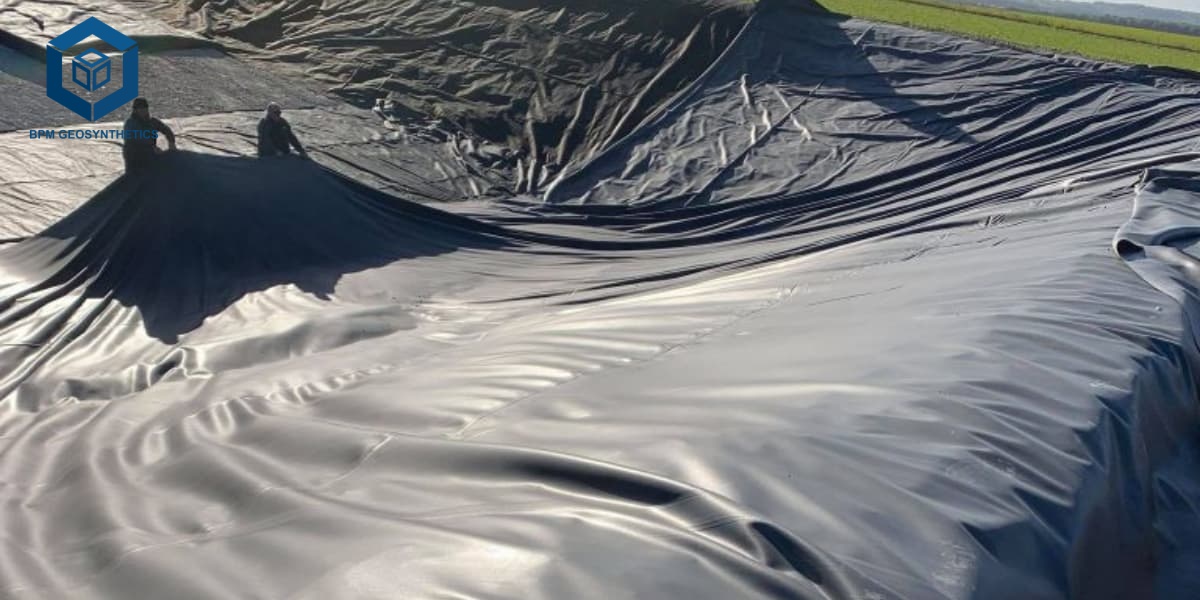
No matter how good the high density polyethylene geomembrane is, it needs proper installation to make the best out of it. Therefore, a knowledgeable supplier must provide technical assistance that may involve installation instructions, welding methods, and even field support or training. This will result in lesser installation faults and maximum performance of the liner.
5.4 Strong Export Capacity and Local Market Knowledge
If you are buying from outside, especially in Southeast Asia, it is vital that you choose a supplier who is not only stable in their export capability but has also been operating in markets like Indonesia, Malaysia, and the Philippines. Knowing local laws, weather, and logistics will make delivery easier, proper documentation feasible, and project delays less likely.
5.5 Full Technical Documentation and Certifications
A reputable supplier is one who offers detailed Technical Data Sheets (TDS), test results, and certificates like ASTM or GRI standards. Such papers prove that the geomembrana in hdpe is in compliance with the specifications and standards of the industry, which is very important for the approval of your project and its lasting success.
Conclusion: Balancing Cost and Quality
How Much is Harga Geomembrane HDPE 1 mm? The market of geomembranes can offer you $0.30 for an unknown-grade material. But, if you want a high-quality, reliable, certified 1 mm HDPE geomembrane from a well-known manufacturer, you should expect to pay between $2.50 and $4.00 per square meter.
When you seek a price quote, make sure that you do not focus on the bottom line only. Well, technically it's always better to ask for the technical data sheet, get the resin type checked (100% virgin material is a must), and certification standards confirmed (ASTM or GRI). By taking these factors into detail, your investment can go the right way sealing the watertight and durable solution for decades to come.
Most up-to-date and accurate pricing is a matter of directly talking to the The Best Project Material Co., Ltd.(BPM Geosynthetics)manufacturers for large projects when you have your project details and required volume.