How to Choose Right Geogrid for Gravel Driveway ?
Geogrid for gravel driveway is popular for their low cost (1–3 per square foot), natural look, and easy DIY installation. Yet they face persistent issues: gravel shifts into ruts within 1–2 years, soil erosion beneath the surface (exacerbated by heavy rain) causes uneven settling, and loose gravel scatters onto lawns—adding 200–500 in annual maintenance costs like regrading and refilling. Geogrids, synthetic "support nets" made from durable polymers, solve these problems by locking gravel particles in place and reinforcing the underlying soil. Choosing the right geogrid driveway isn’t just about picking a product—it means matching it to your driveway’s unique conditions, and this guide breaks down the process step by step for clarity.
1. Understanding Geogrid for Gravel Driveway
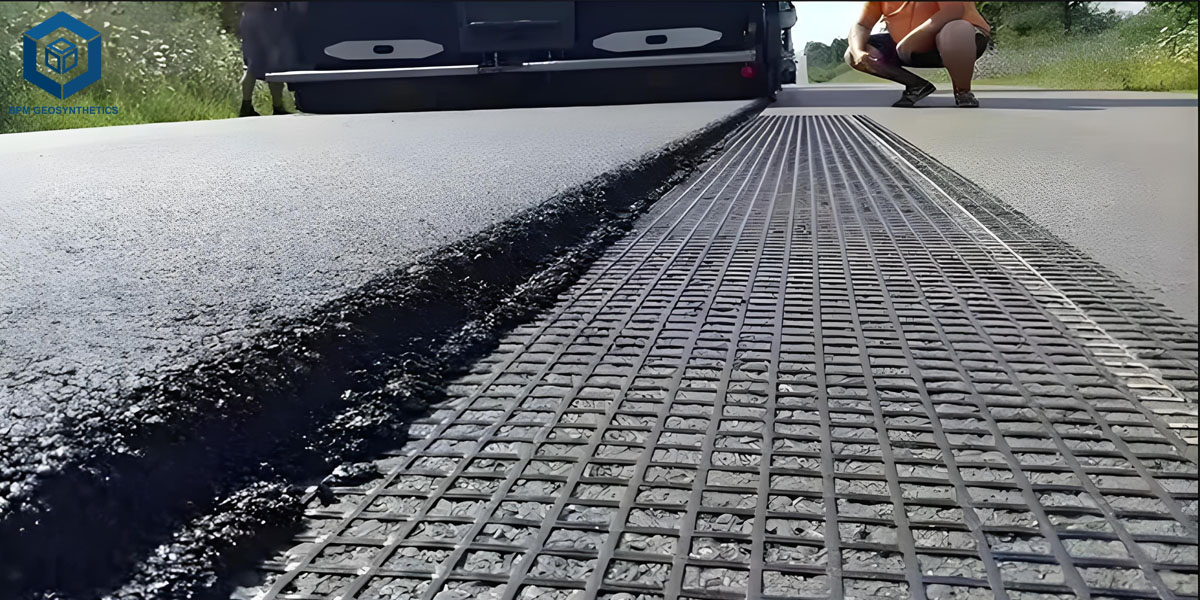
Unlike geotextiles, geogrids are rigid yet flexible sheets with open, grid-like apertures. Engineered specifically for reinforcement, not just separation, they’re ideal for gravel driveways where the core goal is stopping gravel shift and uneven soil compaction.
1.1 What is a Geogrid for Gravel Driveway?
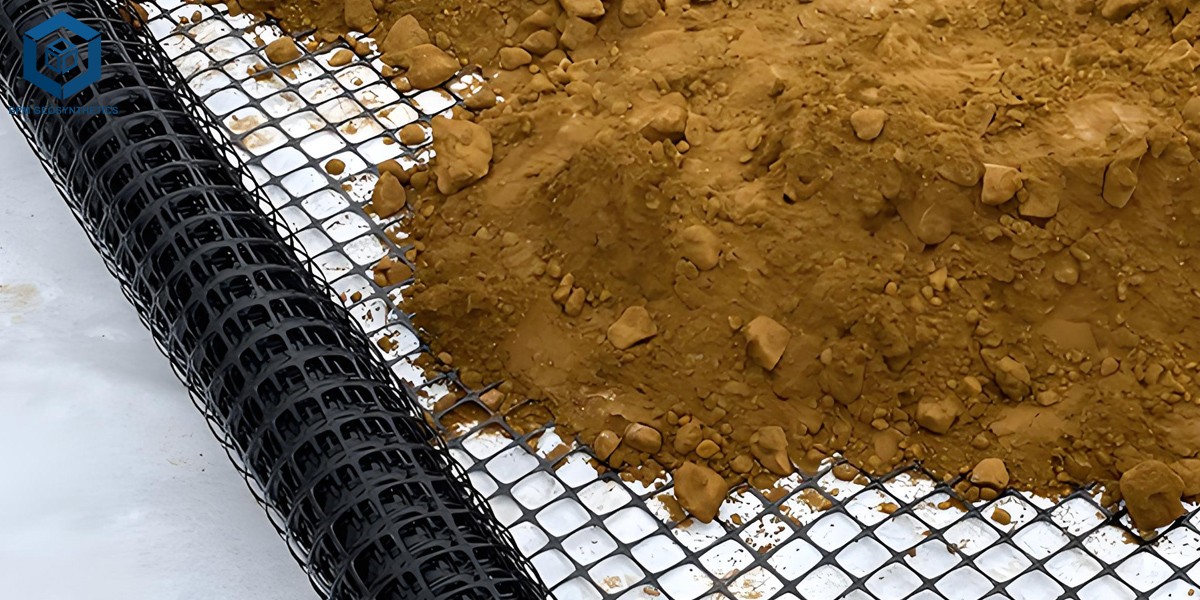
A geogrid mesh is a polymeric structure (typically plastic, polyester, or fiberglass) with uniform square or rectangular openings. Geogrid slope stabilization key functions are threefold: distributing vehicle loads across a wider area to reduce pressure on soil particles, resisting lateral gravel movement that causes ruts, and boosting soil shear strength to prevent the gravel-soil layer from splitting. Tests by the Geosynthetic Institute show a 4x4m residential driveway with a geo grid mesh withstands 30% more weight than one without, and needs regrading every 3–5 years—compared to just 18 months for a traditional gravel driveway.
1.2 Common Geogrid for Gravel Driveway Types
1.2.1 Polypropylene (Plastic) Geogrid for Gravel Driveway
Made from high-density polypropylene (HDPE) pellets melted and extruded into grid sheets, these geo grid for gravel is treated with UV inhibitors to resist sun damage. They’re budget-friendly (0.80–1.20 per square foot), lightweight enough to carry and unroll alone, and flexible—perfect for adapting to minor soil movement like frost heave in the U.S. Midwest.
- Cons: Low tensile strength (10–20 kN/m, maxing out at the weight of a small sedan like a Honda Civic), and temperature-sensitive: they soften in heat over 120°F (common in Arizona or Texas summers) and turn brittle below 0°F (typical in Minnesota winters).
- Best for: Residential driveways with light traffic (1–2 passenger cars daily) and mild climates (e.g., the Pacific Northwest, where temperatures rarely exceed 90°F or drop below 20°F).
1.2.2 Polyester Geogrid for Gravel Driveway
Woven from high-tenacity polyester fibers (the same durable material used in heavy-duty backpack straps) and coated with polyethylene for UV and moisture protection, these geogrid soil stabilization have nearly double the strength of polypropylene. With a tensile strength of 20–40 kN/m, they can support full-size SUVs like a Ford F-150 or Toyota 4Runner (which weigh 25–30 kN). They tolerate extreme temperatures (-40°F to 176°F) and have a lifespan of 20–30 years with proper installation.
- Cons: More expensive (1.50–2.00 per square foot) and less flexible than polypropylene—if installed on expansive clay soil (common in parts of Texas or Georgia that swells 10–15% when wet), they may crack if soil shifts more than 1 inch.
- Best for: Driveways with moderate-to-heavy traffic (3–5 vehicles daily, including regular use by SUVs or small delivery vans) or homes in extreme climates like Colorado, where winters drop to -20°F and summers reach 100°F.
1.2.3 Fiberglass Geogrid for Gravel Driveway
The strongest option, these geogrid erosion control is made from glass fibers woven into a tight grid and coated with thick vinyl to protect against moisture and impact. Their tensile strength (40+ kN/m) lets them support heavy trucks like a Dodge Ram 3500 or small construction vehicles (50–60 kN). They’re dimensionally stable (no stretching or shrinking over time) and resistant to saltwater—ideal for coastal areas.
- Cons: Most expensive (2.50–3.50 per square foot) and highly brittle: dropping a shovel on them during installation can cause cracks, and they break if bent at a sharp angle.
- Best for: Commercial driveways (e.g., a small warehouse with 2–3 delivery trucks daily) or homes on unstable soil (like soft sand in Florida or clay in Alabama) or coastal regions (e.g., Maine or California).
2. Pre-Assessment: Geogrid for Gravel Driveway Key Factors
Skipping pre-assessment often leads to choosing an overqualified or underperforming geogrid. Focus on these three critical factors:
2.1 Soil Type
- Clay: Clay soil varies by region—southern U.S. red clay retains more moisture and expands up to 15% in rainy seasons, while northern black clay has less organic matter and contracts more in dry winters. Both need flexible polyester geogrids (which stretch 2–3% without breaking) to adapt to cyclic movement; rigid fiberglass will crack here.
- Sandy: Sandy soil drains quickly but has poor load-bearing capacity—gravel often sinks 2–3 inches into it within a year. Use high-strength fiberglass or heavy-duty polyester to "lift" the gravel and prevent embedding.
- Loam: The most stable soil (40% sand, 40% silt, 20% clay) with good drainage and strength. Polypropylene works for light traffic; upgrade to polyester for heavier use (e.g., regular SUV trips).
Quick test: Squeeze a handful of moist (not dripping) soil—clay holds shape and cracks when pressed, loam crumbles easily, and sand falls apart immediately.
2.2 Traffic Volume
- Light: 1–2 passenger cars daily (12–18 kN, like a Toyota Corolla). A 10–20 kN/m polypropylene geogrid suffices.
- Moderate: 3–5 vehicles daily, including SUVs (25–30 kN) or small pickups (30–35 kN, like a Chevy Silverado 1500). A 20–40 kN/m polyester geogrid material is needed.
- Heavy: More than 5 vehicles daily, plus frequent use by large trucks (45–60 kN, like a Ford F-350) or commercial vans. Opt for 40+ kN/m fiberglass or heavy-duty polyester.
2.3 Climate
- Hot (>90°F): Avoid polypropylene (softens and loses strength). Choose polyester or fiberglass, which tolerate high temperatures.
- Cold (<32°F): Freeze-thaw cycles (water freezing, expanding, then thawing) stress geo grid wall. Polyester’s flexibility handles this; fiberglass may crack if soil shifts over 1 inch, and polypropylene turns brittle.
- Wet/coastal: Heavy rainfall erodes soil, so pick geogrids with large apertures (1.5+ inches) for drainage. Coastal areas need saltwater-resistant fiberglass or coated polyester—polypropylene degrades in salt spray.
3. Geogrid for Gravel Driveway Step-by-Step Selection Guide
3.1 Step 1: Define Core Needs
Answer three questions to narrow options:
1. Do you need to prevent gravel sinking (sandy soil) or soil movement (clay soil)?
2. Want a temporary fix (5–10 years, polypropylene) or long-term solution (20+ years, polyester/fiberglass)?
3. What’s your budget? (Polypropylene: 80–120 for a 10x10ft driveway; polyester: 150–200; fiberglass: 250–350.)
3.2 Step 2: Choose Material
- Polypropylene: Light traffic, loam soil, mild climate, tight budget (e.g., a small driveway in Oregon’s Willamette Valley).
- Polyester: Moderate-heavy traffic, extreme climate, long lifespan (e.g., a Colorado driveway with 3 vehicles).
- Fiberglass: Commercial use, unstable/coastal soil (e.g., a Florida warehouse driveway).
3.3 Step 3: Determine Specifications
- Tensile strength: Use the formula: (Heaviest vehicle weight in kN) / Driveway width (m) + 50% safety margin (for unexpected loads like moving trucks). First, convert pounds to kN (1 kN ≈ 225 lbs): a 5,500-lb Ford F-150 = 5,500 ÷ 225 ≈ 24.4 kN. For a 4m (13ft) wide driveway: 24.4 ÷ 4 = 6.1 kN/m; add 50% → 9.15 kN/m. A 10–20 kN/m polyester geogrid works (avoid 8 kN/m polypropylene, which lacks a safety buffer).
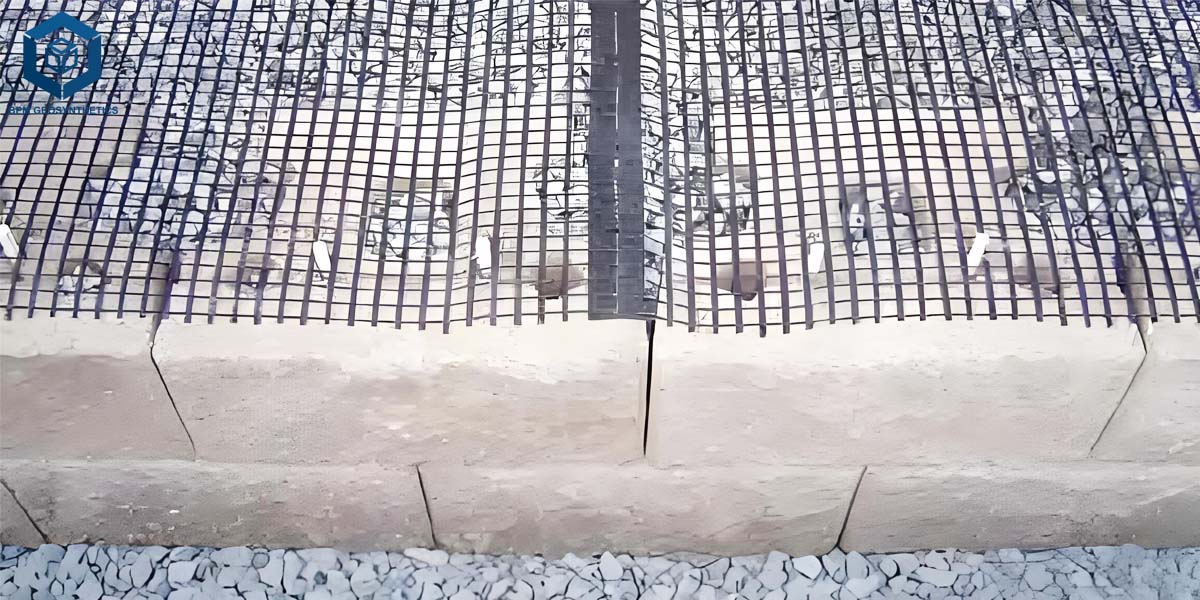
- Opening size: 2–3x gravel size (small pea gravel: 9.5mm → 12–19mm openings; medium crushed stone: 19–25mm → 25–38mm openings; large riprap: 25–50mm → 38–64mm openings).
- Roll dimensions: Calculate driveway area (Length × Width) + 10% overage for cutting/overlapping. A 10x4m driveway needs 44 sq.m (one 4x11m roll).
3.4 Step 4: Check Certifications
Look for ASTM D6637 (U.S. standard for soil reinforcement), ISO 10318 (global tensile performance standard), or CE (EU safety compliance). Avoid uncertified geo grid for retaining wall—they’re often made from recycled plastic without UV protection and degrade in 2–3 years.
3.5 Step 5: Compare Suppliers
- Value: A 0.70/sq.ft uncertified polypropylene lasts 2 years (0.35/year), while a 1.50/sq.ft certified polyester lasts 20 years (0.075/year)—far better value.
- Reputation: Read reviews (focus on durability after 1+ year) and ask for local references (e.g., "Can you share a customer in my area who used your polyester geogrid?").
- Warranty: Quality geogrids offer 10–20 years (polypropylene/polyester) or 20–30 years (fiberglass) against defects. Avoid warranties under 5 years—they signal low product confidence.
4. Geogrid for Gravel Driveway - Common Mistakes to Avoid
4.1 Choosing by Price Alone
A Texas homeowner bought 0.60/sq.ft uncertified polypropylene—by year 2, it softened in summer heat, causing gravel to sink 3 inches. Repairs cost 800, plus 300 for a new polyester geogrid near me. Total: 1,100, vs. $150 for certified polyester upfront.
- Fix: Calculate "cost per year" (total cost ÷ warranty length) instead of upfront price.
4.2 Ignoring Installation Compatibility
Fiberglass needs professionals—its brittleness means small mistakes (e.g., pulling too hard while unrolling) crack it. A DIYer in Ohio dropped a plate compactor on fiberglass, tearing a 2ft hole. Fixing it cost 150, plus 300 for a pro to finish.
- Fix: DIYers choose polypropylene/polyester (flexible, forgiving). Fiberglass needs a contractor with geo grid for driveway experience.
4.3 Wrong Opening Size
A Michigan homeowner used 12mm openings with 25mm crushed limestone—gravel slipped through, creating 2-inch ruts in 6 months. Fixing it required removing gravel, replacing the geogrid, and reinstalling: $400.
- Fix: Match openings to gravel size. Q: What if gravel is mixed sizes? A: Use the largest size to calculate openings (e.g., mix of 19mm and 25mm → 25–38mm openings).
4.4 Overlooking Climate
A Minnesota homeowner’s polypropylene cracked in winter when snowplows passed over—redoing the driveway cost $600.
- Fix: Check manufacturer temperature specs. Polyester works for cold; avoid polypropylene in extremes.
5. Geogrid for Gravel Driveway Installation & Maintenance
5.1 Installation Tips
- Base prep: Clear grass, rocks, and debris (use a rake for small roots, shovel for large stones). Excavate 6–12 inches deep (6 inches for loam/light traffic, 12 inches for clay/sand/heavy traffic) to below the frost line. Compact soil with a 16–20 kN manual plate compactor (e.g., Wacker Neuson WP1550, 50–75/day rental)—run it 2–3 times until walking leaves no footprints.
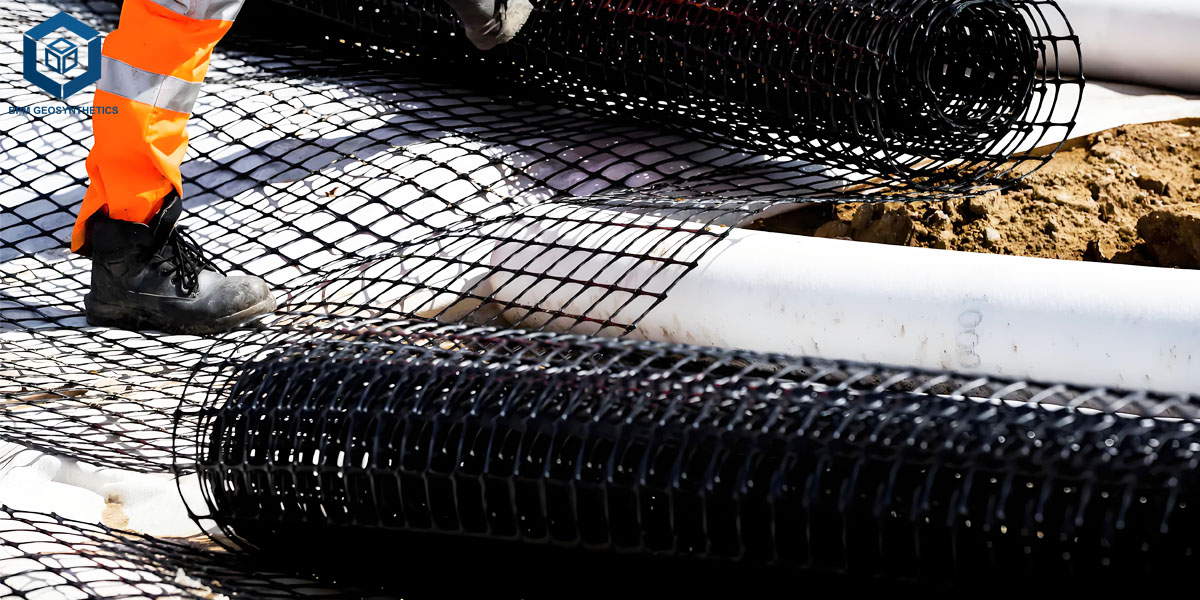
- Lay geogrid: Unroll flat (no wrinkles, which reduce strength). Overlap rolls 6–12 inches (secure with galvanized staples, 50mm long) and extend 6–12 inches beyond driveway edges to stop gravel spillage.
- Add gravel: Spread 2–3 inch layers (match opening size), compact each with the plate compactor. Use 2 layers for moderate traffic, 3 for heavy.
5.2 Maintenance
- Inspect every 3–6 months: Check high-traffic areas (entrance) and low spots (prone to pooling) for gravel shift, potholes, or exposed geogrid.
- Add 1/2–1 inch of matching gravel annually (e.g., medium crushed stone for a medium-gravel driveway)—avoid mixing sizes, which disrupts geogrid interlock.
- Clear debris/drains: Rake leaves/sticks monthly; check gutters/ditches after rain to ensure water flows away (pooling erodes soil).
- Repair promptly: Fill potholes with gravel and compact; replace damaged geo grid near me (cut 6 inches extra around tears, overlap 6–12 inches with new material).
Conclusion
Choosing the right geo grid driveway boils down to aligning material, specs, and installation with your soil, traffic, and climate. Avoid cost-only choices, verify certifications, and don’t skip pre-assessment—small steps like matching opening size to gravel or picking climate-resistant polyester make a big difference. With proper care, your geogrid-reinforced driveway will last 20–30 years, cutting maintenance hassle and costs. Whether you opt for budget-friendly polypropylene or heavy-duty fiberglass, the right geogrid turns a high-maintenance gravel driveway into a durable, long-lasting home asset.
For proven quality and reliable supply, The Best Project Material Co., Ltd.(BPM Geosynthetics)is a trusted choice for driveway geogrid solutions.