Automatic Welding Machine for HDPE Geomembrane Guide
In the demanding environments of landfill lining, mining heap leach pads, water containment, and civil infrastructure, the integrity of the geomembrane seam is the single most critical factor determining project success. The automatic welding machine for HDPE geomembrane has evolved from a convenience tool to a mandatory piece of capital equipment for any contractor or EPC firm guaranteeing long-term containment. This guide provides an engineering deep-dive into the technology, specifications, procurement logic, and operational realities of these machines, aimed at engineers, procurement managers, and project developers who demand performance, not just promises.
What is an Automatic Welding Machine for HDPE Geomembrane
An automatic welding machine for HDPE geomembrane is a purpose-built, electrically powered device designed to fuse overlapping sheets of high-density polyethylene liner using a combination of pressure, heat, and precisely controlled speed. Unlike manual extrusion welding, which is labor-intensive and prone to human error, these machines employ a hot wedge or hot air system to melt the interface between two sheets, creating a dual-track, continuous, and homogenous weld seam. In the context of large-scale civil and environmental projects, this machine is the primary tool for ensuring that the barrier system meets regulatory requirements and design life expectations. For procurement managers and site engineers, understanding the nuances of this machine directly correlates to the risk management of the entire containment system.
Technical Specifications of Automatic Welding Machine for HDPE Geomembrane
Selecting the right automatic welding machine for HDPE geomembrane requires a thorough analysis of its performance parameters. The following table outlines the key technical specifications and their engineering importance.
| Parameter | Typical Value | Engineering Importance |
|---|---|---|
| Welding Speed | 1.5 – 5.0 m/min (variable) | Directly influences productivity and heat input. Precise speed control is essential for different material thicknesses. |
| Temperature Control Range | 200°C – 450°C | Critical for achieving optimal melt temperature without degrading the polymer. Digital PID controllers are industry standard. |
| Weld Pressure | 100 – 500 N (adjustable) | Ensures adequate consolidation of the molten polymer. Insufficient pressure leads to weak seams and voids. |
| Material Compatibility | HDPE, LDPE, LLDPE, PP | Determines the machine’s versatility across different liner types. HDPE requires higher temperatures and pressures. |
| Power Supply | 220V – 240V, 50/60Hz, 2.0 – 3.5 kW | Defines operational logistics. High power ensures rapid heat-up and consistent performance. |
| IP Rating | IP54 minimum | Protects the electronics from dust and moisture on construction sites, ensuring reliability. |
| Weight | 15 – 25 kg | Impacts ease of handling and operator fatigue, particularly on steep slopes or large areas. |
Material Structure and Composition
The performance of an automatic welding machine for HDPE geomembrane is intrinsically linked to the quality of its internal components. A machine built with substandard materials will deliver inconsistent welds, leading to project failures.
| Component | Material | Function |
|---|---|---|
| Heating Wedge | High-grade Brass or Aluminum Alloy (Teflon-coated) | Delivers thermal energy directly to the geomembrane surface. Thermal conductivity and even heat distribution are paramount. |
| Pressure Rollers | Heat-Resistant Silicone or PTFE | Applies uniform pressure across the weld zone. The material prevents sticking and compensates for minor surface irregularities. |
| Drive Mechanism | Hardened Steel Gears and Bearings | Ensures consistent travel speed. Any wear or backlash introduces speed fluctuations, compromising weld integrity. |
| Control Housing | Reinforced Polycarbonate or Aluminum | Protects sensitive electronic control boards and displays from impact and environmental ingress on site. |
Manufacturing Process of Automatic Welding Machine for HDPE Geomembrane
The production of a high-reliability automatic welding machine for HDPE geomembrane involves precision engineering and rigorous quality control. Understanding the manufacturing process provides insight into the machine's ultimate durability.
Raw Material Preparation: High-grade aluminum billets for wedges and structural components are sourced and inspected for alloy composition and purity to ensure optimal thermal properties.
Precision Machining: Critical components like the heating wedge and pressure roller housings are CNC machined to tolerances of ±0.05mm. This precision is non-negotiable for even heat transfer and smooth operation.
Electronic Assembly: The control board, incorporating PID temperature controllers and variable speed drives, is assembled in an ESD-protected environment to prevent damage to sensitive microprocessors.
Mechanical Assembly and Calibration: The drive system and rollers are assembled with pre-loaded bearings. Gear backlash is set to a minimum to ensure consistent linear speed.
Quality Inspection and Testing: Every completed machine undergoes a burn-in test for 24 hours. Seam strength tests on sample HDPE sheets are conducted to verify that peel and shear strength meet ASTM D6392 standards.
Performance Comparison with Alternative Materials
For the procurement manager, the choice between an automatic welding machine for HDPE geomembrane and other fusing methods is a critical decision impacting cost, schedule, and quality.
| Equipment/Method | Durability of Seam | Cost Level | Installation Complexity | Maintenance | Typical Application |
|---|---|---|---|---|---|
| Automatic Wedge Welder | Excellent (Consistent, dual-track) | High (Capital investment) | Low (Skilled operator) | Moderate (Roller/wedge replacement) | Primary seams in large liners, slopes, and flat areas. |
| Manual Extrusion Welder | Good (Subject to operator skill) | Moderate | High (Very skilled labor) | Low | Repairs, patches, and tie-in details. |
| Hot Air Hand-Welder | Fair (Single track, inconsistent) | Low | Very High | Low | Minor repairs, small tanks, and non-critical applications. |
Industrial Applications of Automatic Welding Machine for HDPE Geomembrane
The automatic welding machine for HDPE geomembrane is indispensable across a wide spectrum of industries where environmental containment and water management are paramount. Its use is mandated by regulatory bodies and engineering design standards.
Waste Management: Landfill liners and caps to prevent leachate from contaminating groundwater.
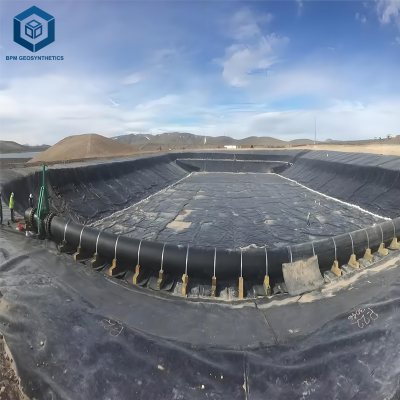
Mining: Heap leach pads for precious metal extraction, where solution containment is critical for both recovery and environmental protection.
Water Management: Reservoirs, canals, and dams to minimize water loss through seepage.
Infrastructure: Tunnel waterproofing, particularly in projects requiring high-durability barrier systems against groundwater ingress.
Energy: Secondary containment for oil and gas facilities, lining for floating solar panel platforms, and evaporation ponds.
Common Industry Problems and Engineering Solutions
Even the best automatic welding machine for HDPE geomembrane cannot compensate for poor operational practices. The following are common field issues and their technical resolutions.
Problem: Peaking or "Bridging" at the weld.
Root Cause: Inadequate pressure or incorrect wedge temperature leading to incomplete fusion.
Solution: Increase the roller pressure and verify the surface temperature of the wedge with an external contact pyrometer.Problem: Discolored or burnt seam.
Root Cause: Excessive temperature or slow welding speed.
Solution: Increase the welding speed or lower the set temperature. The polymer should melt, not carbonize.Problem: Inconsistent weld track.
Root Cause: Worn pressure rollers or debris on the geomembrane surface.
Solution: Replace worn rollers and ensure the surface is clean and dry before welding.Problem: Machine stalling on uneven surfaces.
Root Cause: Insufficient drive torque for the roller design.
Solution: Use a machine with a more powerful drive motor and ensure the roller suspension system can accommodate slope irregularities.
Risk Factors and Prevention Strategies
Deploying an automatic welding machine for HDPE geomembrane comes with inherent risks that must be mitigated through planning and procedure.
Risk: Improper Installation. Prevention: All operators must be certified and undergo daily calibration checks. A "test strip" must be welded and destructively tested at the start of each shift.
Risk: Material Mismatch. Prevention: Verify the resin batch and thickness of the geomembrane. An auto-welder set for 2.0mm HDPE cannot weld 1.0mm LLDPE without significant adjustments.
Risk: Environmental Exposure. Prevention: Wind and rain can cool the wedge and contaminate the seam. Use welding tents or schedule work during favorable weather conditions.
Risk: Subfloor Issues. Prevention: The substrate must be smooth and free of sharp objects. The pressure exerted by the machine on a lumpy subgrade can cause inconsistent pressure distribution, leading to weld failure.
Procurement Guide: How to Choose the Right Automatic Welding Machine for HDPE Geomembrane
Procuring an automatic welding machine for HDPE Geomembrane is a strategic investment. A checklist for buyers should include the following technical criteria to ensure a successful purchase.
Traffic Load Evaluation: Assess project scale. High-volume projects require machines with robust cooling systems to handle continuous operation.
Specification Verification: Ensure the machine's speed and temperature ranges align with the specific thicknesses of HDPE you will weld.
Certifications: Verify that the machine complies with CE or relevant safety and performance standards.
Supplier Capability: Assess the supplier's after-sales support, availability of spare parts (especially wedges and rollers), and technical response time.
Quality Control: Require a factory acceptance test (FAT) demonstrating weld strength on your specified material.
Sample Testing: Request a demonstration unit to run test welds on your project's geomembrane.
Warranty Evaluation: Review the warranty period for both the electronics and the mechanical parts, typically 12-24 months.
Engineering Case Study
Project Type: Municipal Solid Waste Landfill Expansion
Location: Coastal Region, Southeast Asia
Project Size: 30 hectares of new cell lining
Product Specification: An automatic welding machine for HDPE geomembrane, configured for 2.0mm smooth and textured HDPE liners, operating at a target speed of 3.0 m/min.
Challenge: The project required over 45,000 linear meters of primary seam welding within a tight 60-day window to meet the rainy season deadline. The environmental regulations mandated 100% non-destructive testing of all seams.
Implementation: A fleet of three automatic welding machines was deployed, each operated by a certified technician. A stringent maintenance schedule was enforced, with wedge temperatures and speeds logged hourly. Test strips were welded every two hours and tested for peel strength in a portable tensile tester.
Results and Benefits: The project was completed 5 days ahead of schedule. The automatic welding machines achieved a weld acceptance rate of 99.2% on the first pass, drastically reducing time spent on repairs compared to manual methods. The consistency of the dual-track weld provided the client and regulatory body with the highest level of confidence in the liner's integrity.
FAQ Section
What is the standard speed of an automatic welding machine for HDPE geomembrane?
How does an automatic welding machine for HDPE geomembrane work on slopes?
What is the difference between a hot wedge and a hot air automatic welding machine for HDPE?
What are the maintenance requirements for this equipment?
Can this machine weld different thicknesses of HDPE?
What is the typical warranty period offered?
Is special training required to operate this machine?
What are the power requirements on-site?
How is the weld quality checked in the field?
What spare parts are essential to keep in stock?
Request Technical Support or Quotation
Choosing the right automatic welding machine for HDPE geomembrane is a critical decision that requires expert consultation. We provide comprehensive technical support for project-specific applications.
Request a detailed quotation and lead time.
Request a sample test weld on your geomembrane.
Download detailed technical specifications and operating manuals.
Request a consultation with our engineering team.
About the Author
This guide was developed by a team of industry specialists with over 15 years of experience in the geosynthetics and heavy equipment sector. Our expertise spans manufacturing, global supply chain logistics, and the execution of complex EPC projects across mining, waste, and infrastructure sectors. We are committed to bridging the gap between engineering theory and practical, reliable field solutions.