What are Advantages of 300 micron Pond Liner?
Pond liners are the fundamental element for any water containment systems like home garden ponds, commercial aquaculture farms, or industrial water storage tanks. Out of different thicknesses available, the 300 micron pond liner (0.3 millimeters or 11 mils) has gained popularity among most buyers due to its good performance, cost-efficiency, and versatility. This case study discusses the main benefits of 300 micron pond liners by looking at their use in a residential koi pond, a small-scale aquaculture farm, and a municipal attenuation pond, thus proving why it is the best choice in real-life situations.
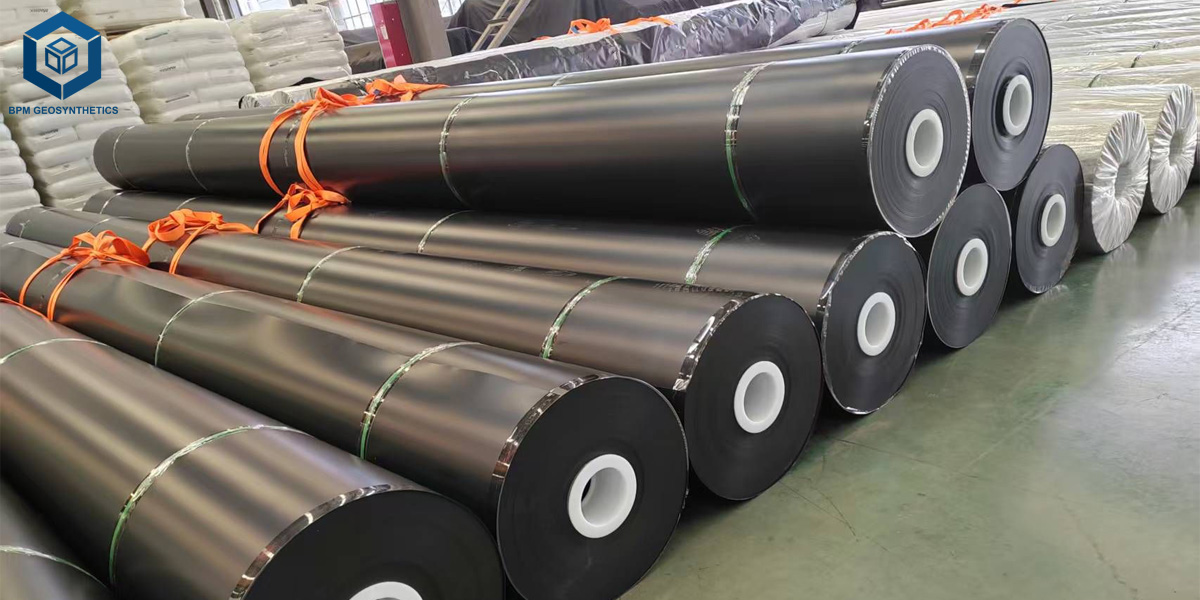
1. Outstanding Resistance to Punctures and Highly Durable for Long-Term Usage
One of the most significant features of 300 micron pond liners is their high-level puncture resistance and durability, allowing them to be trustworthy in different environments for many years. In contrast to thinner liners (70-250 microns) that can easily get damaged by sharp objects, roots, or small impacts, 300 micron liners are made from high-density polyethylene (HDPE) or LDPE, which are very strong and resistant to tearing. For example, a suburban residential koi pond that was built with a 300 micron HDPE pond liner in 2020 has been functioning well. Even though the pond is located in a treed area and the roots extending under the liner cannot be avoided, after 4 years, the liner is still without any leaks since the 300 micron thickness acts as a powerful shield against root penetration and even small scratches made by tools or animals.
As per material testing results, 300 micron HDPE pond liners can resist puncture at least 410N and tear at 310N (MD), while these figures are much lower for thinner ones. This strength results in longer usage time, which on average is 3-6 years for normal work and, if properly looked after, can even reach 10 years. Therefore, it is not necessary to change them very often, which saves the user's time and money for both labor and materials.
2. Outstanding Waterproof Quality to Minimize Water Leakage
Firstly, a pond liner is responsible for holding water and stopping it from leaking out, and 300 micron liners are the best at it. Having a permeability coefficient as tiny as 1×10^-17 cm/s, they can retain 99.9% of water, which makes them perfect for locations with loose soil or where water table is high. In 2021, a small-scale tilapia farm in southern India equipped its 500㎡ breeding ponds with 300 micron pond liners. These geomembran 300 micron came as a great relief as before their usage the farm was constantly battling with water seepage that almost 20-30% ponds’ water was got lost & that compelling them to refill the ponds continuously which raised water costs. After the installation of the 300 micron liners, nos. of water loss dropped to less than 2% per day, thereby significantly reducing water consumption and operational costs.
This high water retention performance is equally important for protecting the environment from harm. 300 micron hdpe pond liner in industrial or farming sectors are the ones which save the water contaminated (like from farm septic tanks or waste solutions) from leaking into soil and groundwater by meeting the highest environmental legislations. A case in point is a municipal attenuation pond in the UK that used 300 micron liners to store surface water runoff so that no pollutants can enter nearby soil or water bodies.
3. Flexibility and Installation Simplicity that Suit Different Situations
While being strong, a best pond liner is really flexible at the same time and this means that it can take the shape of an odd shaped pond without losing its strength. This quality of being flexible makes it work for a production of different things like a small and curved residential pond with a great shape to a big and rectangular fish tank for aquaculture. Thicker pond liners (500 microns or more) being pretty stiff and hard to move, 300 micron liners are very easy to be cut, folded, and put in place by both professional and non-professional people—there is no need for special equipment.
One example is that a home gardener in the US used custom pond liners as a pond material for making a 20 square meter irregularly shaped koi pond. The pond liner was made according to the shape of the pond's curves and slopes, and the whole process was done in just one day with the help of a friend. Apart from being strong, the liner is very flexible to fit perfectly even the corner and edge parts which are prone to leaks. For large projects, 300 micron liners come in a shape of sheets, (up to 620 square meters per sheet), which means there is less on-site work for sealing and the installation is done quickly.
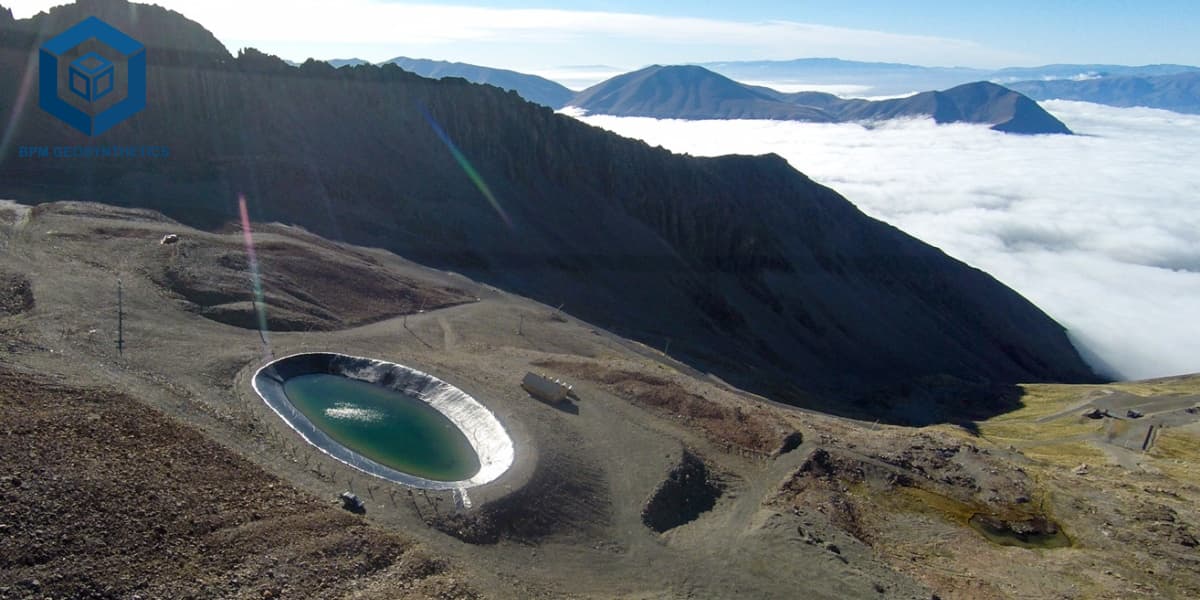
4. Cost-Effectiveness: Finding a Good Performance and Budget Match
300 micron liners come at a compromise point of performance and price when you compare them to thicker liners (like 500 micron or 1000 micron). This is because the price of 300 micron liners is around 30-40% less than the price of the thicker liners, and they still have high durability and the ability to hold water that is more than sufficient for most applications. 300 micron geomembrane pond liner represent the best value for money when it comes to small and medium-sized ponds (less than 1000 square meters). They prevent you from spending too much on liner thickness when it is not necessary and at the same time, they protect you from the risks of using thin low-quality liners.
Take a 100 square meter residential pond for instance: a 300 micron HDPE pond liner prices at approximately $1.5-$4 per square meter, which makes the cost of the entire pond $150-$400. Whereas, a 500 micron liner would cost $2.5-$6 per square meter, i.e., $250-$600 - a 60% increase in price with no proportional increase in performance for a residential setting. For commercial fish farms with several ponds, such a difference in cost can easily save thousands of dollars at the starting point.
5. Being Environmentally Friendly and Safe for Life Underwater
Generally speaking, 300 micron pond liners are produced using materials that are of food-grade quality, such as HDPE or LDPE. These materials are not only non-toxic but also odorless and they do not endanger fish, plants, as well as other aquatic organisms. They meet the standards of NSF/ANSI 61, which guarantees that no harmful chemicals will be released into the water. This makes them very suitable for koi ponds, fish farms, and water gardens. A koi farm in Japan used their 300 micron lined tanks very intensively for a couple of years; all this while the koi were healthy and happy and the water remained of good quality.
On top of that, when supplemented with particularly formulated additives 300 micron custom pond liners are extremely resistant to UV rays, ozone, and oxidation. So they can go on for quite some time under the sun without breaking down, and this will lead to less plastic litter due to very frequent replacements. Many 300 micron liners can be sent to recycling as well, thereby lessening the total environmental footprint even further.
6. Versatile Applications Across Industries
The 300 micron pond liner’s balanced performance makes it suitable for a wide range of applications beyond residential ponds. It is widely used in small-scale aquaculture (fish, shrimp farming), agricultural water storage, municipal attenuation ponds, waste liquid containment, and even decorative water features (waterfalls, fountains). For example, a farm in Liuzhou, China, used 300 micron polyethylene pond liner for its pig farm’s sewage management system, preventing sewage leakage and protecting the surrounding environment. In another case, a nuclear facility used 300 micron liners for potable water storage during safe shutdowns, leveraging their waterproof and non-toxic properties.
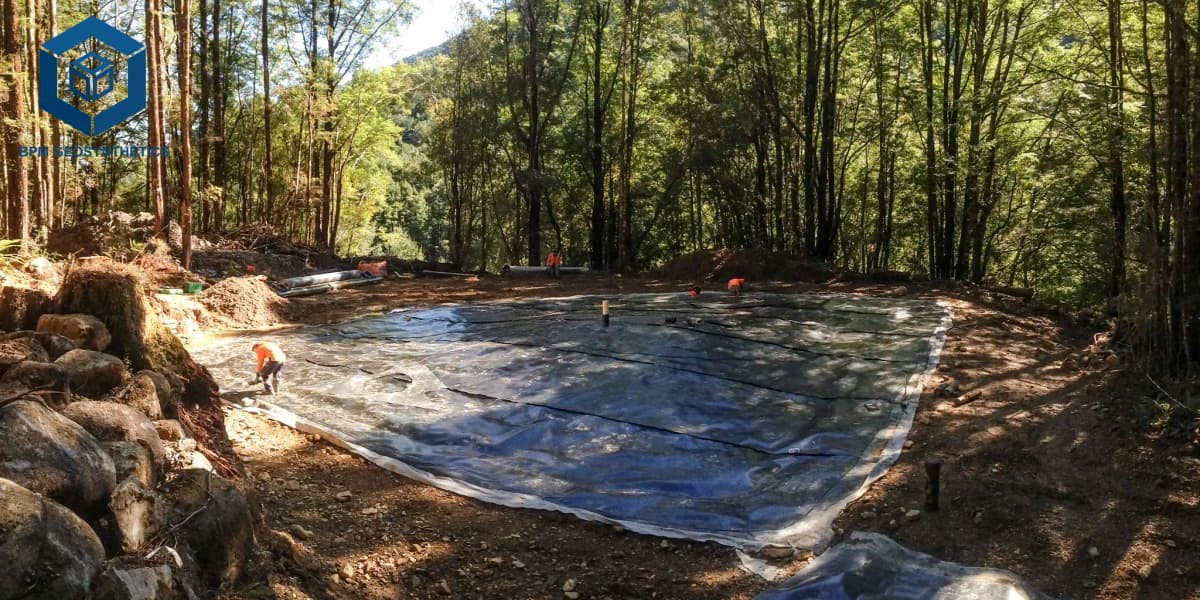
7. Service Life and Maintenance of 300 micron Pond Liner
The duration of a 300 micron pond liner's service life is reliant on a number of environmental and operational factors. However, if the pond liner is installed correctly and maintained regularly, it can function properly as a water barrier for a number of years even in residential, agricultural, and aquaculture uses.
7.1 Factors Affecting Service Life
There are a number of important factors that determine the service life of a 300 micron pond liner:
- Exposure to sunlight (UV radiation): The polymer structure is gradually altered when exposed to direct sunlight over a long period of time.
- Water conditions: The pond liner material will age faster if exposed to acids, salt, or chemicals in the water.
- Subgrade quality: The chances of puncture increase if the surface contains sharp stones, roots, or is irregular.
- Mechanical stress: Movements of water, fish, or maintenance can cause deterioration over time.
Good prep work and adding protective layers can make the pond liner last much longer.
7.2 UV Aging Protection
One of the main reasons for a pond liner wear and tear is exposure to UV rays. To counteract sunlight damage, most 300 micron liners for ponds come with UV stabilizers and carbon black components.
Ways to increase UV protection when using:
Give partial shading (aquatic plants, shade nets, or pond covers)
Never expose the liner to dry air over a long period of time when it's empty
Buy an outdoor project that uses HDPE material with UV stabilization
A UV-resistant liner typically has many years of use in front of it after which performance will begin to decline due to the lack of significant cracks or brittleness.
7.3 Repairing Damaged Areas
Despite the fact that 300 micron pond liners are strong, accidents and holes may take place now and then. Luckily, these kinds of problems can be fixed quite easily:
- Small holes: Simply stick on the patches using glue or hot air welding
- Larger tears: Place overlapping onesheets patches ensuring proper sealing
- Edge damage: Heat weld or press with extra strips of liner material
Heat welding provides a watertight and permanent seal which makes it the best repair method for HDPE liners.
7.4 Cleaning and Water Quality Maintenance
Keeping the water clean is a good thing to do for the sake of the organisms living in it and also to make the pond liner last longer:
Stop algae from growing so much that it starts to hold on to moisture and dirt sections.
Get rid of sharp sticks or sediment build-up from time to time
Not using harsh chemicals for cleaning that may be harmful to the liner surface
Trying to keep the water pH level balanced in order to minimize the pond liner material stress
The materials in the pond liner get less chemical and biological wear as a result of stabilized water conditions.
7.5 Tips to Extend Service Life
Here are some of the things you should take into consideration if you want a 300 micron geomembrane liner to perform and last the maximum amount of time:
Place a geotextile protective layer underneath the pond liner to keep the liner from getting punctured.
Make sure you don’t let the pond liner come into a direct contact with any sharp rocks or construction waste.
Properly anchor the edges so that there is less movement-related tension.
Do early damage detection work by conducting inspections frequently.
Keep a reasonably constant water level so as to not have to deal with the stress of repeated liner expansion and contraction cycles.
Provided they are correctly installed, protected from UV rays, and regularly maintained, 300 micron geomembrane sheet have the potential to keep water out reliably and perform stably over a long period. By minimizing mechanical damage and maintaining good environmental conditions, users can significantly extend its service life and ensure efficient operation in various pond and water containment systems.
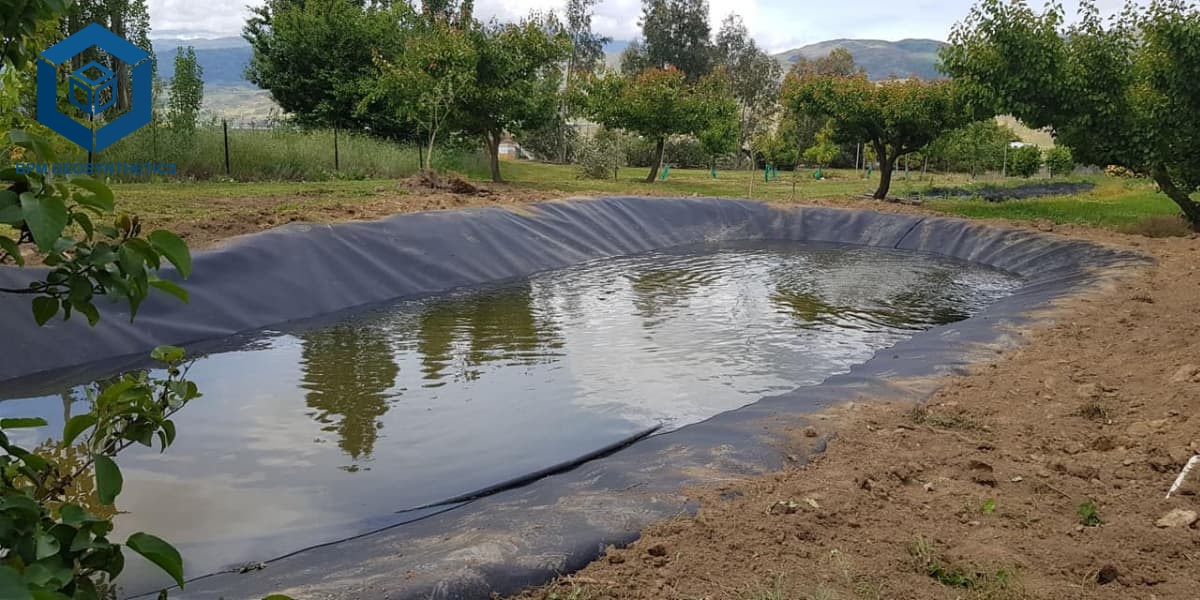
Conclusion
The 300 micron pond liner stands out as a versatile, cost-effective, and reliable solution for water containment needs. Its key advantages—exceptional puncture resistance, superior waterproof performance, flexibility, cost-effectiveness, safety for aquatic life, and wide adaptability—make it the preferred choice for residential, commercial, and industrial users alike. Whether you are building a small garden pond or managing a large-scale aquaculture operation, The Best Project Material Co., Ltd.(BPM Geosynthetics) 300 micron pond liner offers the perfect balance of performance and value, ensuring long-term, hassle-free use.