Ultimate Guide to HDPE Sheet for Pond
Overview:
Containment engineering largely owes a significant transformation of its material base to the introduction of High-Density Polyethylene (HDPE). Regardless of whether the project involves creating a large outdoor water storage for agriculture, a small ornamental water feature like a koi pond, a fire water storage tank, or a heavily lined industrial waste water pond, HDPE Sheet for Pond remains the best material substantially affecting the duration of the project and safety to environment. Other materials such as Reinforced Polyethylene (RPE), Ethylene Propylene Diene Monomer (EPDM) and compacted clay do not come close to HDPE in terms of strength and chemical resistance that it can offer.
This comprehensive manual tries to inform the readers about the in-depth technical aspects of HDPE Sheet for Pond. It would discuss how this particular plastic is better than the others, how to read and understand technical standards (like GRI-GM13), the step-by-step installation process with the fusion welding part being given due importance, as well as the maintenance and repair of the material.
1. What is HDPE? Knowledge of the Material
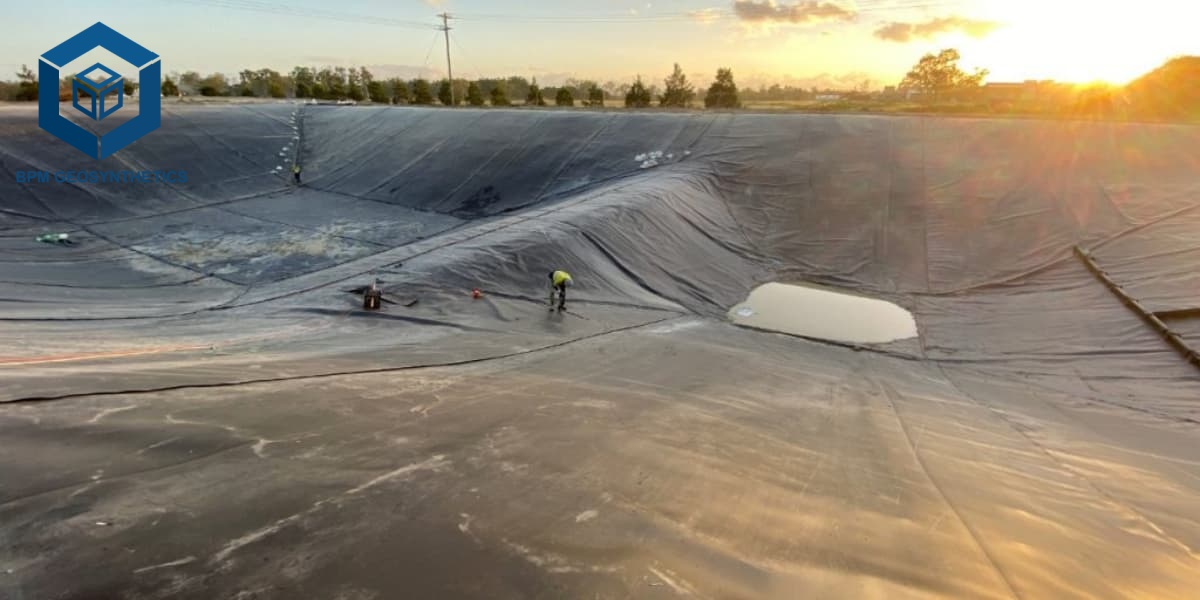
High-Density Polyethylene is a thermoplastic polymer derived primarily from petroleum. The term "High Density" denotes that its polymer chains are less branched, thereby permitting higher packing of molecules. Such arrangement at very molecular level distinguishes the material to be significantly stronger and denser than Low-Density Polyethylene (LDPE) or Linear Low-Density Polyethylene (LLDPE).
Typically, a hdpe pond liner sheet consists of 97.5% polyethylene resin, 2.5% carbon black, and a very small amount of antioxidants and heat stabilizers .
Carbon black is not just a colorant; it also acts as a very important UV stabilizer. Without carbon black, the polymer would degrade under the exposure to sunlight's ultraviolet rays causing the liner to become very brittle and crack over time. Antioxidants help to protect the polymer from degradation due to exposure to heat and oxygen.
2. HDPE vs. The Alternatives
Before one can understand HDPE thoroughly, the best approach is to see how it compares to other alternatives:
2.1 EPDM (Ethylene Propylene Diene Monomer):
As a synthetic rubber, it is very forgiving in terms of shaping the liner and is suitable for situations where the floor is not smooth. HDPE will definitely give a better resistance against puncture and EPDM is a bit softer. The usual method of joining EPDM sheets is by means of adhesives whereas HDPE sheets are fused, resulting in a stronger union .
2.2 RPE (Reinforced Polyethylene):
This is a material that is either woven or has a scrim reinforcement. It is very handy and very easy to handle but lacks the sheer presence and chemical resistance of HDPE for very demanding industrial applications.
2.3 PVC (Polyvinyl Chloride):
It is quite cheap but major drawbacks are its vulnerability to UV rays and the "plasticizer migration" phenomenon wherein the material loses its flexibility as the plasticizers gradually leach out after long term exposure.
HDPE offers rigidity without losing chemical inertia. This is why it is used in hazardous waste landfills, mining leach pads, and large-scale aquaculture as it can last for a half century or more, provided it has been installed properly.
3. Why Choose HDPE Sheet for Pond? Key Advantages
3.1 Chemical & UV Resistance
One cannot expect pond water to be simply "clean" water. It may contain elements such as agricultural runoff, chlorine, fish waste (ammonia), salts, or industrial byproducts. HDPE being chemically inert, the liner will not be affected when contacted by most kinds of acids, alkalis, or salts. Even when the liners are used for outdoor purposes in exposed environments such as a high desert or open fields, the UV stabilizers help the high density polyethylene sheets not to undergo any degradation.
3.2 Physical Toughness
The result is clear from the specs. A typical 1.5mm HDPE Sheet for Pond has a tensile strength at yield of roughly 22 N/mm and elongation at break of over 700%, which makes for a seriously stretchable liner, a feature that's absolutely crucial when the ground settles after installation. Besides, its puncture resistance (anti-puncture strength) is between 480N for 1.5mm thickness and 1000N for 3.0mm thickness, so it is very hardly get punctured by roots or sharp stones that may have slipped through during preparation.
3.3 The Welding Factor: Monolithic Seams
The fuse weldability of HDPE is the biggest selling point over rubber (EPDM). Being a thermoplastic, heat application melts the material so that two sheets can be fused into a single, homogeneous mass. A well-done HDPE welding creates a stronger joint than the original base materials. This results in a "monolithic" barrier where leaks through seams are practically impossible provided the work is done properly.
3.4 Cost-Effectiveness
HDPE material cost might be rough parity, however no other materials come close in long-term value. By far, the main reason why you save money with HDPE is because it is so f00r durable that you almost never have to replace it. On top of that, it is so chemically-resistant that it requires much less maintenance. Whereas, for large-size ponds, a big advantage of HDPE is the seaming of large rolls (up to 7-8 m wide) which not only shortens installation time but also cuts down labor costs.
4. Applications of HDPE Sheet for Pond
4.1 Pond and Lake Liners:
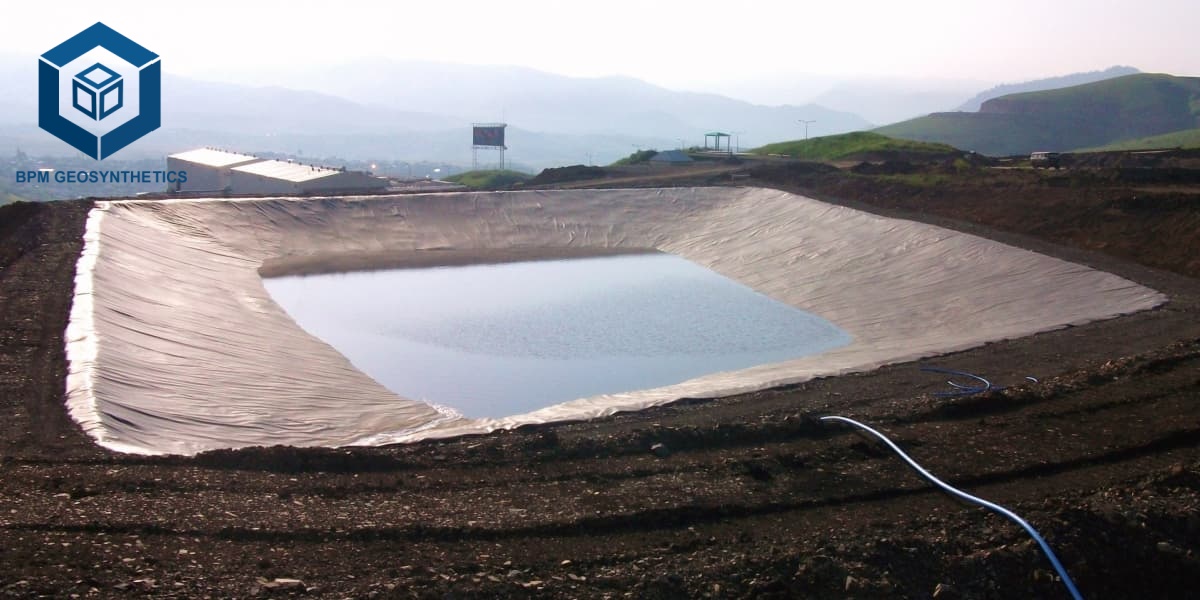
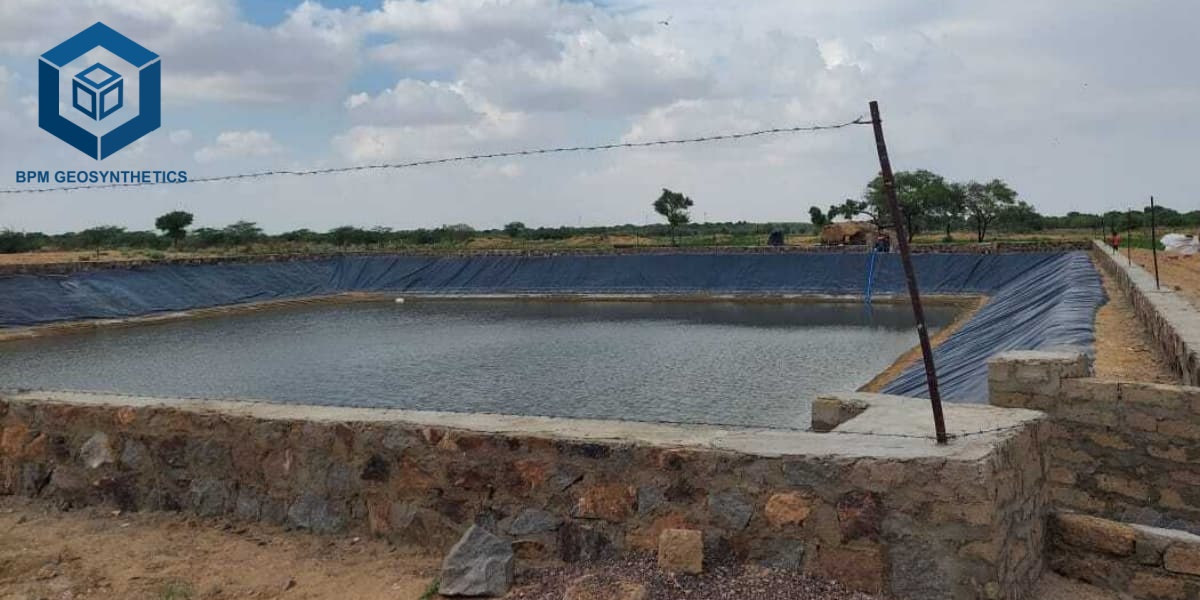
HDPE geomembrane is considered the industry standard for pond linings such as decorative pond, fish farm and water reservoirs. They form a tough, watertight membrane which completely prevents water seepage, thereby, aiding in the retention of water levels and reducing the sustained water losses and maintenance costs.
4.2 Landfill Liners:
Black hdpe sheet in landfill projects serve as a major environmental safety buffer. They block the landfill leachate from infiltrating into the soil and groundwater, thus ensuring safe waste containment and meeting environmental standards.
4.3 Mining:
Geomembrane sheets are used to line tailings ponds and heap leach pads in mining operations. They safely contain chemically aggressive solutions and mining waste, offering strong resistance to corrosion and long-term chemical exposure.
4.4 Agriculture:
HDPE liners find application in irrigation canals, silage pits, and manure storage systems within farms. They help minimize water losses through seepage, keeping the soil free of contaminants, and bring about better utilization of the farm storages.
4.5 Industrial:
The use of black polyethylene sheet for secondary containment in chemical storage tanks and wastewater treatment areas is a fairly common industrial practice. They act as barriers against leaks and spills thereby enhancing the safety of the operations in industrial premises.
4.6 Environmental Protection:
Stormwater management and erosion control are among the environmental uses of hdpe geomembrane sheet. They assist in the handling of runoff, lessening soil erosion, as well as, enhancing the environmental stability of engineered and natural sites.
5. Key Factors to Consider When Buying an HDPE Sheet for Pond
Purchasing a HDPE Sheet for Pond involves a number of factors that will determine your decision. Knowing these factors will allow you to choose the perfect liner for your work, and guarantee that the performance is optimal.
5.1 Thickness
The thickness of an polyethylene sheet material is one of the key measures that must be weighed. Thicker hdpe pond liner sheet provide greater durability and resistance to penetration but may also be more costly and less flexible. The usual thicknesses span 0.2 mm - 3.0 mm.
- 0.2 mm to 1.0 mm: Appropriate for light applications such as ornamental ponds or temporary containment.
- 1.0 mm to 2.0 mm: Perfect for medium-weight purposes such as agricultural ponds or small reservoirs.
- 2.0 mm to 3.0 mm: Heavy-duty situations, like landfills, mining or industrial containment, would require the strongest ones.
Consider thickness as one of the most important factors when selecting materials for your projects. Besides thickness, one must also consider the nature of material to be contained, load weight and possibilities of punctures.
5.2 Size and Dimensions
HDPE Sheet for Pond come in different width and length rolls. The size which meets your need will be dictated by the square footage required.
- Width: Normally offered width ranges from 5 up to 12 meters together with the option of having custom made widths.
- Length: Possible roll lengths might reach up to 100 meters or more.
Take an accurate area measurement and allow for overlaps (usually 6 to12 inches) when determining your liner size.
5.3 Material Quality
Different types of hdpe high density polyethylene sheet exist in the market. One of the most important factors affecting durability and chemical resistance of liners is the kind of raw materials used in production.
- Virgin HDPE: Has excellent properties with regard to strength, pliability, and resistance to environmental stresses.
- UV Protection: It is necessary to have UV stabilizer HDPE Sheet for Pond for outdoor use to protect against sunlight deterioration.
5.4 Chemical Resistance
Being made of HDPE material, these sheets are quite resistant to chemical attack. However, one must also check if the sheet can withstand the particular chemicals that it will be exposed to:
- They resist most acids and alkalis and, hence, they can accommodate the industrial and mining processes quite well.
- HDPE possesses a general resistance to organic solvents but long-term exposure to certain chemicals might necessitate a special lining. You can ask a vendor for a chemical resistance chart to verify whether the product is suitable for you.
5.5 Installation Requirements
In order for HDPE Sheet for Pond to perform efficiently, they must be installed correctly. Kindly see below factors;
- Subgrade Preparation: The surface under the geo membrane sheet has to be smooth, free from sharp objects and well compacted to minimize risk of punctures and ensure a tight fit.
- Seaming Methods: Typically thermal fusion (heat welding) or extrusion welding is used to join HDPE Sheet for Pond. Check that you have access to the right equipment and that you or your installers have sufficient skill.
- Anchoring: The liner must be securely anchored at the edges to prevent movement or uplift caused by wind or water pressure.
5.6 Environmental Factors
Environmental conditions such as temperature, UV exposure, and soil composition can affect the performance of an HDPE liner.
- Temperature: HDPE Sheet for Pond can withstand a wide range of temperatures, but extreme heat or cold may require specialized formulations.
- UV Exposure: For outdoor applications, choose a UV-stabilized hdpe sheet material to prevent degradation.
- Soil Composition: In areas with rocky or abrasive soil, consider using a geotextile underlay to protect the liner from punctures.
5.7 Cost
The price of a HDPE Sheet for Pond primarily depends on such factors as thickness, size, material quality, and the extent of customization. Although you might be tempted to go for a cheaper option, a good quality liner is a worthy investment as it will help you cut down maintenance and replacement costs in the long run.
- Price Range: Smooth hdpe sheets are generally priced from 0.50mm up to 3.00mm depending on specification per square meter.
- Customization: Cost can also be affected by custom sizes, thickness, and additives (e.g., UV stabilizers).
6. Installation Tips for HDPE Sheet for Pond
It is vital to correctly install an HDPE liner if you want to fully benefit from its performance and durability. Some tips:
- Subgrade Preparation: Clear the ground of sharp objects, stones, and waste, and then compact the earth to make a smooth and solid surface.
- Geotextile Underlay: In case the soil is rocky or really abrasive, you can always opt for a geotextile underlay which will protect the liner from punctures.
- Seam: Make strong, leak-proof seams with thermal fusion or extrusion welding.
- Anchor: The edges of the hdpe membrane sheet should be anchored in trenches, with anchor bolts or other means to ensure it doesn’t move.
Inspect: After it is laid down, keep checking the liner for any damage or leaks and fix them right away.
Conclusion
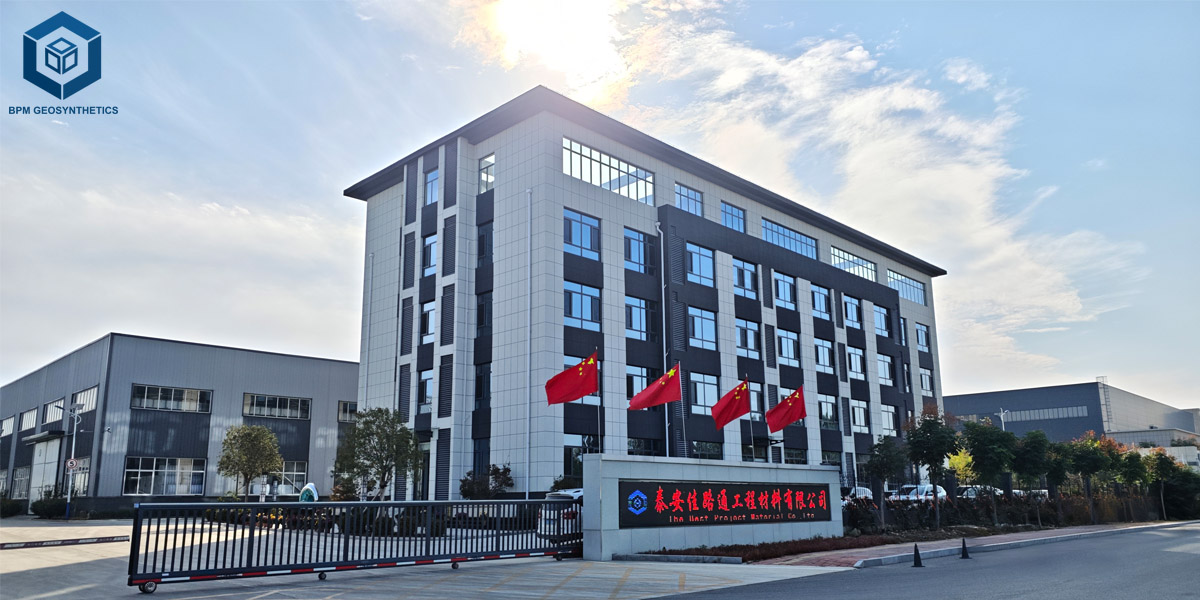
Being a 20-years experienced HDPE Geomembrane export manufacturer, our factory is equipped with 3 lines of smooth HDPE Geomembrane and 1 line of rough surface HDPE Geomembrane. We manufacture HDPE Geomembranes with the width range of 2 meters to 10 meters. Moreover, The Best Project Material Co., Ltd.(BPM Geosynthetics) HDPE Geomembranes thickness can be from 0.2mm up to 3mm. Since our HDPE Geomembranes are container shipped to the customers, most customers request us to make 5.8m or 7m or 8m widths. Other widths can be produced as well. However, the 3-meter width may generate some wastage of raw materials. Accordingly, the price of a 3-meter wide HDPE Geomembrane will probably be higher than that of a normal width (5.8m to 10m) HDPE Sheet for Pond.
HDPE sheet for pond is a robust, adaptable, and budget-friendly option to line a variety of the different facilities. No matter if you are creating a pond, landfill or any other industrial containment area, deciding on the suitable HDPE Sheet for Pond is crucial in offering long-lasting effectiveness and dependability. Asking yourself the right questions - what's thickness, size, material quality, chemical resistance, and what installation requirements are? - will probably lead you to the selection of the liner that fits your project best.
When you are planning to buy HDPE Sheet for Pond, it is advisable that you research suppliers thoroughly, compare different products, and ask for the assistance of a professional, if necessary. Having the correct liner and installation will not only give you a dependable and durable barrier but also one which satisfies your requirements and lasts long.