The 8 Best Clay Liner Landfill Review
If you are planning a modern landfill, the liner system will probably be one of the most critical components to get right. Clay liner, especially compacted clay liners (CCL) and geosynthetic clay liners (GCL), are very effective in preventing the leachate from contaminating groundwater and the surrounding soil. Ultimately, the choice of clay liner can have a huge impact on a landfill project's safety, compliance, and cost-effectiveness over time.
To that end, we have ranked and reviewed the 8 best clay liner landfill based on hydraulic conductivity, durability, ease of installation, and environmental performance. Whether you are an engineer, project manager, or landfill operator, this guide will assist you in making the right decision.
1. What is a Clay Liner and Why is it Essential for Landfills?
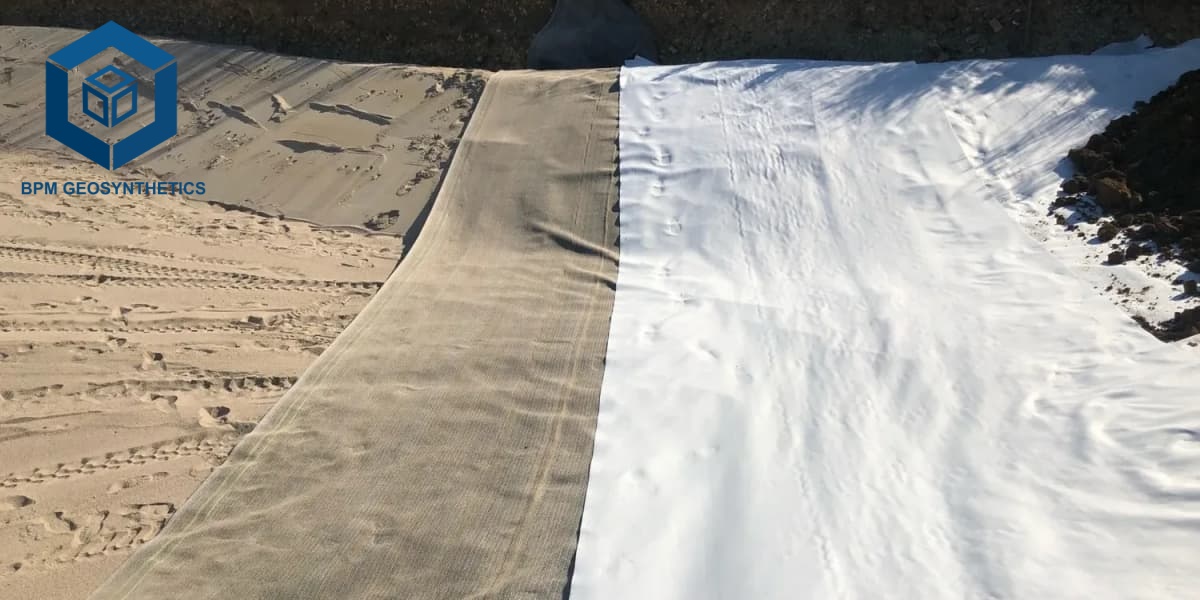
A clay liner consists of engineered clay or clay-based material layers that are located at the bottom and sides of a landfill. The main purpose of a clay liner is to act as a barrier by controlling the flow of liquids (leachate) into the subsoil. The natural clay, when very well compacted, is generally less permeable with permeability less than 1 x 10⁻⁷ cm/s. Clay liners can also be incorporated with geotextiles or geomembranes in composite liner systems to satisfy the strict EPA or local environmental regulations.
In the absence of a reliable geosynthetic clay liner, landfills would be very risky in terms of environmental pollution of drinking water. Pollution can cause litigation and at the same time, environmental damage. Choosing the best clay liner is thereby not only a technical challenge but also a legal and environmental one.
2. How We Evaluated the Best Clay Liner Landfill?
To create this ranking, we used the following criteria:
- Hydraulic conductivity (permeability) – lower is better, ideally ≤ 1×10⁻⁷ cm/s.
- Thickness and uniformity – consistent swelling and sealing ability.
- Durability against chemical attack and freeze-thaw cycles.
- Ease of installation and quality control.
- Cost-effectiveness over the landfill’s lifespan.
- Availability of technical support and testing data.
Only products and systems with proven field performance and third-party certifications were considered.
3. The 8 Best Clay Liner Landfill – Detailed Review
3.1 Sodium Bentonite Geosynthetic Clay Liner (GCL) – CETCO Bentomat ST
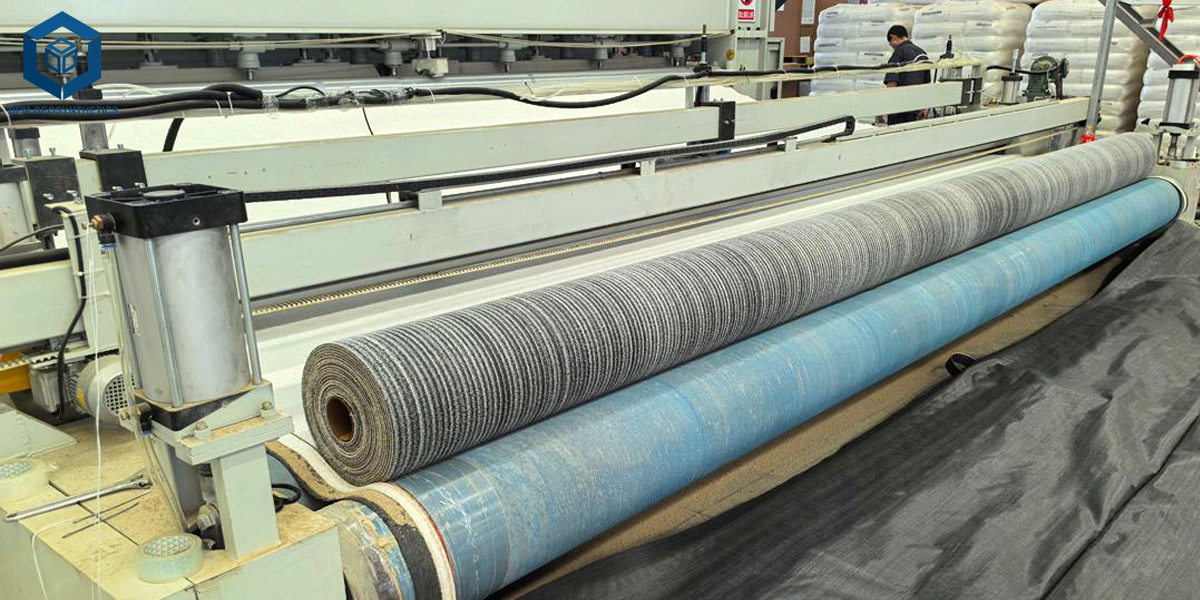
CETCO’s Bentomat ST is one of the most widely used GCL in landfill applications. It consists of a layer of sodium bentonite sandwiched between two geotextiles, needle-punched for internal shear strength. The bentonite swells when hydrated, forming a self-sealing low-permeability barrier.
Key benefits include very low hydraulic conductivity (typically 2×10⁻⁹ cm/s), high resistance to differential settlement, and easy installation compared to compacted clay. It is ideal for composite liners beneath geomembranes. The main drawback is higher upfront material cost compared to local compacted clay, but the reduced thickness and faster installation often offset that.
3.2 Compacted Clay Liner (CCL) – On-Site Native Clay
For many older or smaller landfills, compacted clay liners made from on-site native clay remain a cost-effective solution. The clay must have at least 30% fines and a plasticity index above 15%. Proper compaction in 6-inch lifts achieves permeability around 1×10⁻⁷ cm/s.
Advantages include low material cost if clay is locally available, and no reliance on synthetic components. However, clay pond liner require large thickness (typically 0.6 to 1.2 meters), extensive quality control testing, and can crack if not protected from drying. They are best suited for arid regions with abundant clay deposits.
3.3 GCL – TERRAM T-Bent
TERRAM T-Bent is a needle-punched reinforced GCL liner that uses high-swelling sodium bentonite. It offers excellent self-healing properties for small punctures. The geotextile backing provides high friction angles, making it suitable for sloped landfill liners.
Performance data shows permeability as low as 5×10⁻⁹ cm/s under 20 kPa confining stress. It also resists chemical attack from typical landfill leachate. Installation requires careful overlap (minimum 150 mm) and bentonite paste at seams. TERRAM provides strong technical support, which is a plus for first-time GCL users.
3.4 Polymer-Enhanced Clay Liner (PECL) – ENVIROGEL
For landfills with aggressive leachate (high ionic strength or low pH), standard sodium bentonite may lose swelling capacity. Polymer-enhanced clay liners like ENVIROGEL incorporate anionic polymers that maintain low permeability even in harsh chemical environments.
Independent tests show ENVIROGEL maintains permeability under 1×10⁻⁸ cm/s in 1 M calcium chloride solution – conditions that would cause conventional bentonite to fail. The downside is higher cost and limited availability. This product is recommended for industrial landfills or hazardous waste cells.
3.5 GCL – Huesker Bentofix BFG 5000
Bentofix BFG 5000 features a thermally locked geotextile-bentonite composite that prevents bentonite migration and erosion during hydration. It also has high internal shear strength, making it ideal for steep slopes up to 1.5:1.
One standout feature is its pre-hydration resistance to desiccation – the bentonite is held in place even under dry conditions. Hydraulic conductivity is typically 1×10⁻⁹ cm/s. The product is certified for use in municipal solid waste (MSW) landfills under GRI-GCL3 specifications. Installation requires minimal specialized equipment, and overlaps are sealed with supplemental bentonite.
3.6 Soil-Bentonite Slurry Trench Wall – Not a Liner But a Barrier
While not a traditional “liner,” soil-bentonite (SB) slurry walls are sometimes used as vertical barriers around existing landfills. The backfill consists of native soil mixed with 1-3% bentonite slurry. The resulting wall has permeability around 1×10⁻⁶ to 1×10⁻⁷ cm/s.
This is the 6th best option for containment when a bottom liner is already in place but side leakage is a concern. Advantages include deep installation (up to 30 meters) and ability to cut through heterogeneous soils. However, it is not a substitute for a base liner under new cells. Use SB walls only for lateral cutoff.
3.7 GCL – NAUE Bentofix NSP 4900
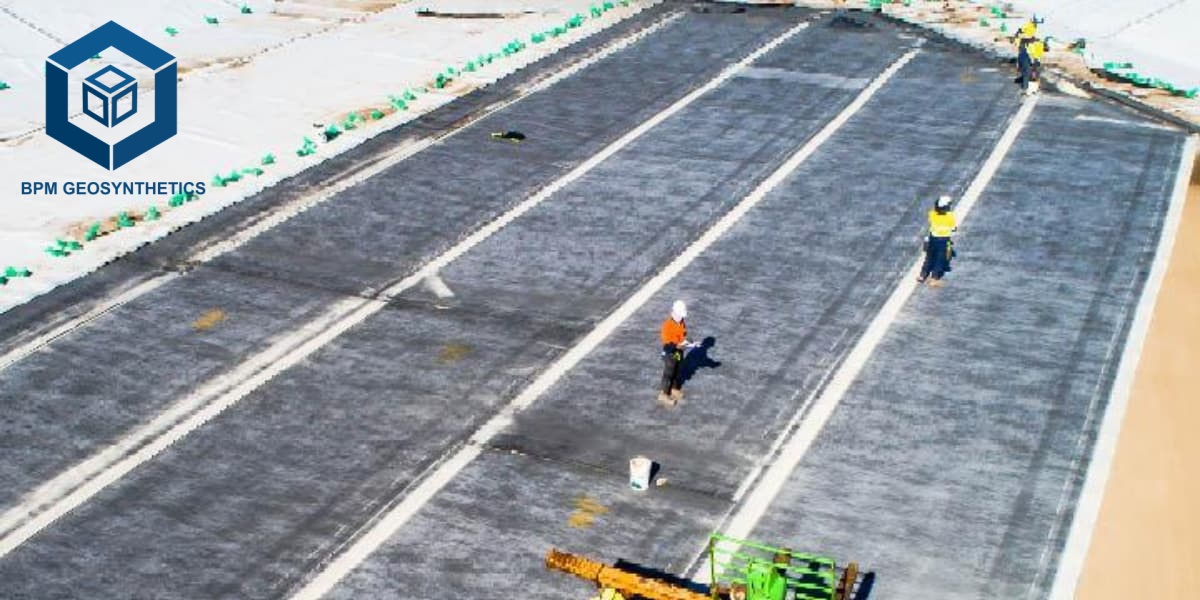
NAUE’s Bentofix NSP 4900 uses a needle-punched, reinforced structure with a high-swelling sodium bentonite core. It is specifically designed for landfill base liners and capping systems. The product achieves permeability below 5×10⁻¹⁰ cm/s under confinement.
What sets it apart is the integrated geomembrane option (composite GCL) that further reduces leakage. The NSP series also has excellent resistance to freeze-thaw and wet-dry cycles, which is critical in temperate climates. Installation requires careful subgrade preparation – sharp stones must be removed or covered with a sand layer. Overall, this is a premium choice for regulatory strict sites.
3.8. Low-Permeability Clay-Admixed Soil – Fly Ash/Bentonite Mix
For sites lacking suitable natural clay, engineers can create an amended soil liner by mixing local sandy soil with 5-10% sodium bentonite and optionally 10-20% fly ash. The fly ash improves workability and reduces shrinkage cracking. Properly mixed and compacted, these liners achieve permeability of 5×10⁻⁸ to 1×10⁻⁷ cm/s.
This approach is cost-effective when clay is scarce but bentonite can be shipped in. However, quality control is more demanding – you must verify mix uniformity and compaction moisture content. Field trials are essential before full-scale application. This ranks 8th because of higher variability but remains a valid option for remote landfills.
4. Clay Liner Landfill Comparison Table of Key Features
For quick reference, here are the essential parameters of the 8 clay liners reviewed:
- Bentomat ST (GCL) – Permeability 2×10⁻⁹ cm/s, thickness ~6 mm, best for composite liners.
- Compacted Native Clay – Permeability ~1×10⁻⁷ cm/s, thickness 0.6-1.2 m, best for low-budget sites.
- TERRAM T-Bent – Permeability 5×10⁻⁹ cm/s, reinforced, best for slopes.
- ENVIROGEL (PECL) – Permeability <1×10⁻⁸ cm/s (aggressive leachate), best for industrial waste.
- Bentofix BFG 5000 – Permeability 1×10⁻⁹ cm/s, thermally locked, best for dry climates.
- Soil-Bentonite Slurry Wall – Permeability 1×10⁻⁶ to 1×10⁻⁷ cm/s, best for vertical barriers.
- Bentofix NSP 4900 – Permeability <5×10⁻¹⁰ cm/s, optional geomembrane, best for high-regulation sites.
- Fly Ash/Bentonite Mix – Permeability 5×10⁻⁸ to 1×10⁻⁷ cm/s, best when clay is unavailable.
5. How to Choose the Right Clay Liner Landfill?
Selecting the best clay liner depends on three main factors:
5.1 Regulatory requirements
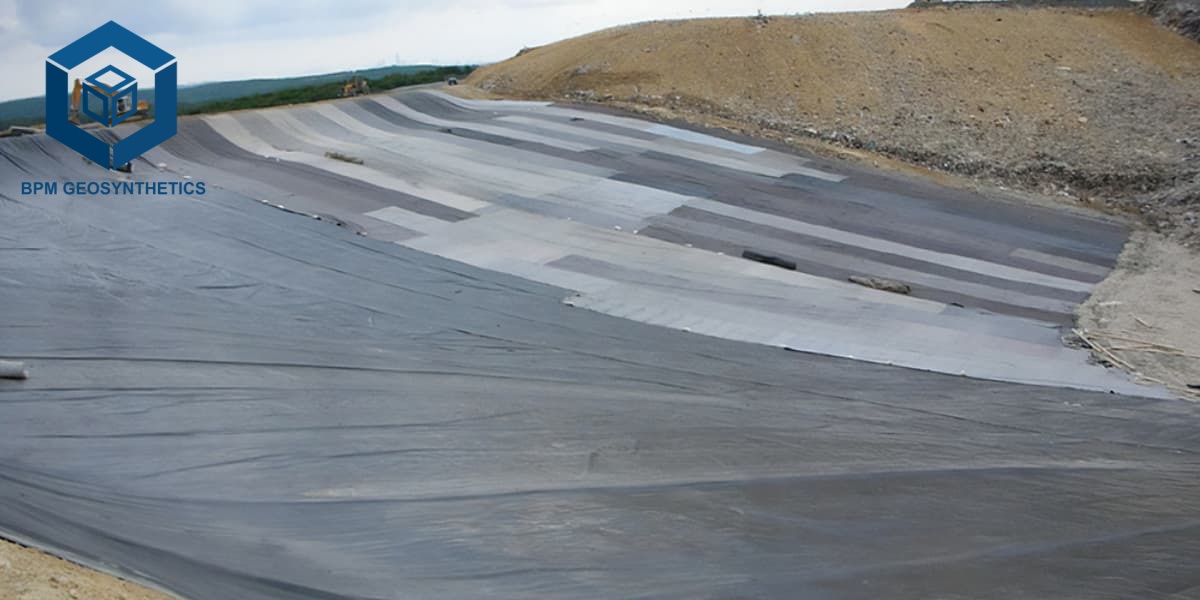
Check your local EPA or environmental agency standards for maximum permeability and liner thickness. Many require composite liners (GCL + geomembrane) for new MSW landfills.
5.2 Leachate chemistry
If the landfill accepts industrial or hazardous waste, choose a polymer-enhanced clay liner (like ENVIROGEL) to avoid bentonite deactivation.
5.3 Budget and installation time
Compacted clay liners have low material cost but require large earthmoving volumes and long construction times. GCL cost more per square meter but reduce thickness and installation time by 80% or more.
5.4 Climate
In arid regions, GCL must be protected from premature drying or hydrated before cover placement. CCL need moisture conditioning.
6. Clay Liner Landfill Installation Tips to Maximize Performance
Even the best clay liner will fail if installed incorrectly. Follow these best practices:
- Subgrade preparation – Remove all sharp rocks, roots, and debris. Compact subgrade to a smooth, firm surface.
- For GCL – Overlap panels by at least 150 mm and apply granular bentonite paste at all seams. Avoid trafficking heavy equipment directly on the GCL without cover.
- For CCL – Compact in thin lifts (150-200 mm) at optimum moisture content (typically 2-4% above standard Proctor optimum). Perform frequent field permeability tests.
- Protect from desiccation – Cover clay liners with a protective soil layer or geomembrane within 48 hours of placement to prevent cracking.
- Quality assurance – Always conduct a construction quality assurance (CQA) plan with independent testing. For GCL, use a calcium chloride solution to verify seam integrity.
7. Clay Liner Landfill Common Mistakes to Avoid
Many landfill projects have experienced liner failure due to these errors:
- Using low-quality bentonite with insufficient swell index (below 24 mL/2g).
- Ignoring chemical compatibility – standard bentonite fails in high-calcium or acidic leachate.
- Allowing GCL panels to dry out before covering – this reduces swelling capacity.
- Inadequate compaction of CCL – permeability increases tenfold if compaction moisture is off by just 2%.
- No overlap sealing – leachate bypass through seams is a leading cause of leakage.
8. Conclusion – The Overall Best Clay Liner Landfill
We found that the best clay liner for a solid waste municipal landfill under most circumstances is the CETCO Bentomat ST (or similar needle-punched GCL). This clay liner landfill has an excellent combination of features such as low permeability, self-healing capability, ease of installation, and good field performance. The composite liner with 1.5 mm HDPE geomembrane surpasses EPA Subtitle D requirements.
For aggressive leachate, the ENVIROGEL polymer-enhanced clay liner is the right choice. If you are thinking about the lowest cost possible and locally available clay, a compacted clay liner with a rigorous quality control can still be quite effective.
Before making your final decision, always get in touch with a geotechnical engineer. A suitable clay liner is a great way of ensuring the environment is protected and that regulations are met peacefully. Make the right choice, and your landfill could still be safe several decades from now.
In conclusion, choosing the right clay liner landfill system is critical for effective leachate containment, environmental protection, and long-term landfill performance. Whether for municipal solid waste, hazardous waste, or industrial containment projects, a high-quality clay liner can significantly improve the safety and reliability of the landfill. For proven geosynthetic containment solutions, The Best Project Material Co., Ltd.(BPM Geosynthetics) offers premium geosynthetic clay liners, geomembranes, geotextiles, and related products backed by extensive industry experience and global project success. Contact BPM Geosynthetics today to obtain professional technical support and customized clay liner landfill solutions for your project.